
Expect a town that leans rural and historical rather than slickly touristic. Nestled in the Valencian foothills, this place offers crumbling medieval remains, extensive natural parkland and a local rhythm shaped by agriculture and transport links. If you arrive hoping for polished museums or a buzzing nightlife, you’ll likely be disappointed; if you want hiking, history and a compact, lived-in Spanish town to base short explorations from Valencia, it’s a very reasonable choice.
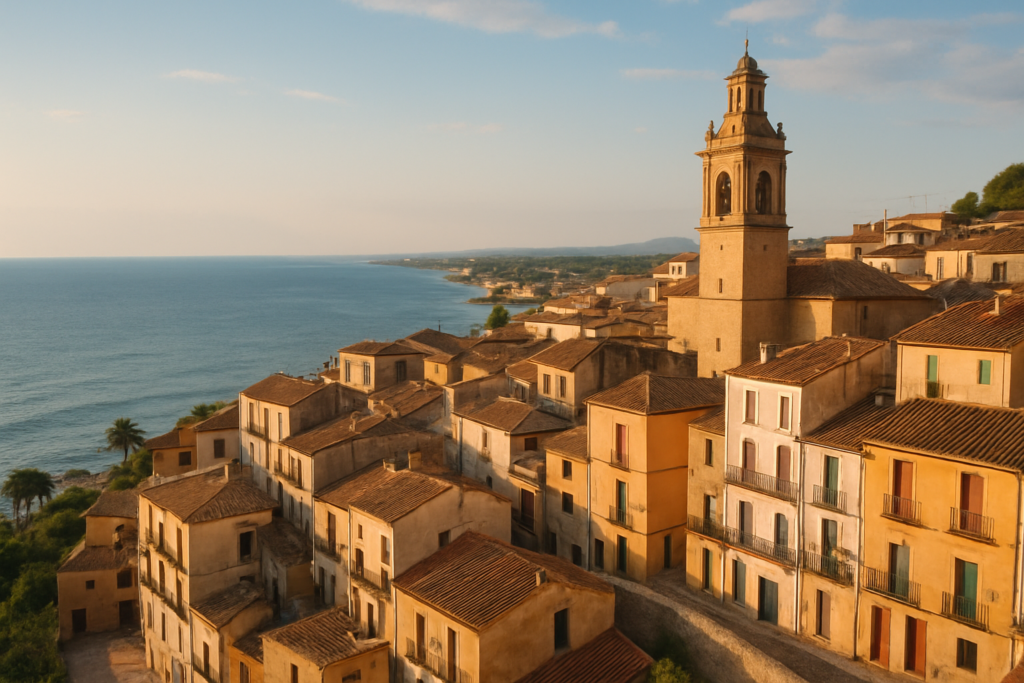
Chiva at a glance
- Located roughly 31 kilometres inland from the city of Valencia on the A-3 corridor toward Madrid.
- Has a recorded population of 16,750 inhabitants (2023).
- Legal linguistic predominance is Spanish rather than Valencian.
- Home to the Paraje Natural Municipal Sierra de Chiva — the largest municipal park in Valencia — covering more than 5,500 hectares.
- Contains medieval remains: the Castle ruins and the Chiva Tower (La Torreta).
- Agriculture (historically vineyards) and the arrival of the railway played important roles in the town’s economic growth.
Before you plan
On 29 October 2024 the area received extreme rainfall during the Spain floods — media reported that a year’s worth of rain fell on the town that day. Check recent local news and municipal bulletins before travel; heavy weather in late 2024 significantly affected infrastructure and access in many Valencian inland communities.
Things to do in the town
This is a place for short walks, archaeological curiosity and outdoor time rather than museum-hopping or marked tourist trails. The highlights are the medieval ruins and the extensive sierra parkland that surrounds the settlement — both give contrasting but complementary ways to spend a day.
| Attraction | What it is | Price/entry | Best for |
|---|---|---|---|
| Ruins of the Castle and La Torreta | Medieval fortifications and a distinctive tower | – | History and photography |
| Paraje Natural Municipal Sierra de Chiva | Largest municipal natural park in the province, extensive trails and landscapes | – | Hiking, nature walks, birdwatching |
| Vineyard landscapes & railway heritage | Rural scenery shaped by vineyards and past railway expansion | – | Scenic drives and cultural context |
Ruins of the castle and La Torreta
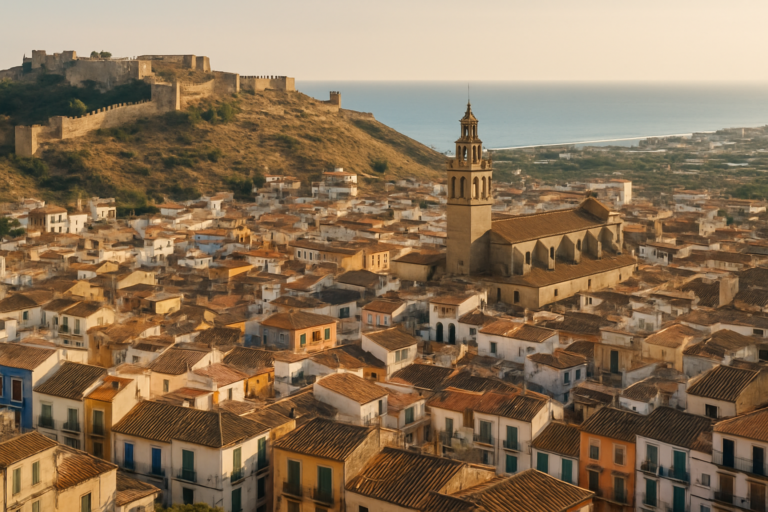
The medieval remains sit above the town and include the Castle’s ruins alongside a tower known locally as La Torreta. These remnants point to a fortified past and give good vantage points over the surrounding plain. Expect rough stonework and atmospheric ruins rather than fully conserved battlements; the site is a direct link to centuries of regional conflict and settlement.
Sierra de Chiva: the large municipal park
With a surface area exceeding 5,500 hectares, the Paraje Natural Municipal Sierra de Chiva is the largest municipal park in the province of Valencia. It’s the destination’s primary draw for outdoor activity: think ridge walks, scrubland panoramas and rural quiet. Trails vary from short walks to longer routes; the area is best used by visitors prepared for uneven paths and typical Mediterranean scrub terrain.
Vineyards, railway history and agricultural landscapes
The town’s more recent development owes much to vineyard expansion and the arrival of rail links, both of which boosted the local economy in past centuries. Strolling between the town streets and out toward the surrounding fields gives a clear sense of how agriculture shaped settlement patterns here. Note that these are cultural landscapes rather than organised wine-tourism estates.
Best beaches in the area
There are no coastal beaches in town; the settlement sits inland in the Valencian foothills. For sea visits, plan a separate trip to the nearby coast around the province of Valencia — the A-3 link to the capital makes combining a coastal day with an inland stay logistically possible.
Chiva with kids
Families who favour outdoor play and modest hikes will find the sierra parkland a good match. The ruins offer imaginative exploration for older children who can handle uneven terrain. However, this is not a resort with playgrounds or curated family attractions; bring water, sun protection and basic first-aid supplies for hill walks, and tailor plans around shorter routes if you have very young kids.
How to get to the town and get around
Getting here is straightforward if you’re driving: the settlement lies about 31 kilometres inland from Valencia along the A-3 highway that heads toward Madrid. That road is the principal artery linking the capital to the interior, and the town’s position makes it an easy inland detour on drives between Valencia and central Spain.
Within the town and neighbouring landscapes, expect to move on foot or by car. The extensive natural park calls for private transport or organised day trips if you want to reach more remote trailheads; local roads into the foothills are typical regional lanes rather than high-capacity motorways.
Where to stay
Accommodation here is modest and local rather than resort-grade. Use the town as a base if you want to split time between the sierra, the medieval sites and short drives into Valencia province. If you need broad tourist infrastructure, stay nearer the coastal capital and use the inland town for a day visit instead.
Best time to visit
There are no specific festival dates or climate tables noted in the verified material; general planning should reflect the usual Mediterranean rhythm: warm, dry summers and cooler, wetter winters. The October 2024 floods were exceptional weather events — verify recent conditions before autumn travel. Spring and autumn typically make good windows for walking and outdoor exploration when temperatures are milder and the landscape is greener.
History of the town
Human presence in the area goes back to the Epipalaeolithic period between 8,000 and 5,000 BC, demonstrating very long-term settlement. The medieval narrative is marked by conquest: the town was taken around 1246–1247 by King James I of Aragon. The expulsion of the Moors in 1609 caused an almost total depopulation, a dramatic demographic shift. Recovery was slow but by 1797 agricultural development had driven significant demographic recovery. The modern era saw economic boosts from expanding vineyards and the arrival of the railway; the town also experienced social and political upheavals such as the anarchist strike of 1911 and the crisis of 1917.
Practical info
- Language: Spanish is the legally predominant language in municipal affairs; expect Spanish to be the working language for official services.
- Population: The municipality recorded 16,750 inhabitants in 2023 — useful context for service levels and the scale of local commerce.
- Driving/parking: As a largely compact inland town, parking near the historic centre is typical of small Spanish towns; for accessing the park, use designated lay-bys or trailhead parking where available.
- Nature safety: In the large municipal park prepare for exposed terrain and bring water; the sierra is extensive and can feel remote in places.
Worth it for: people who want short history stops, substantial natural parkland close to Valencia and a quiet, authentic inland Valencian experience.
Less so if: you’re after beaches, curated tourist attractions or a town with a busy nightlife and extensive visitor facilities.
How we assess this guide
Our coverage pulls together historical records, municipal natural-park designations and recent verified events; we cross-checked claims about the sierra, castle remains, population and the 2024 floods. We flag closures or material events where sources indicate them and avoid presenting unverified opening times, prices or services. This guide synthesises documentary sources rather than new field reporting.
Frequently asked questions
How far is the town from the city of Valencia?
It sits about 31 kilometres inland along the A-3 highway toward Madrid, which is the main driving route linking the town to the provincial capital.
Is the town expensive to visit?
There are no detailed cost figures in the verified material; as a small inland municipality with modest tourist infrastructure, expect local prices to align with non-tourist provincial Spain rather than premium resort areas.
Which is the best beach near here?
The town does not have coastal beaches — it’s inland. To reach beaches, travel toward the Valencian coast; the provincial capital offers the nearest extensive seaside options.
How many days should I spend here?
A day or two is sufficient for visiting the castle ruins, exploring parts of the Sierra and getting a feel for the local landscape. Use the town as part of a wider itinerary if you plan to include the coast or other inland towns.
Is it a good place to visit with children?
Yes for families who enjoy outdoor walks and simple historical sites. The sierra is the main draw for active kids who can handle uneven trails. It is less suitable if you need playgrounds, theme attractions or extensive child-specific facilities.
Can I get around without a car?
Local movement on foot is straightforward in the town centre, but reaching much of the sierra and rural vantage points is easier with private transport. Historically, the arrival of the railway shaped the town’s economy, but current public transport service details are not provided in the verified material.
Is parking easy?
Parking in small Spanish towns tends to be functional rather than plentiful; expect typical central-street parking and separate parking near trailheads. The verified sources do not provide detailed parking maps.
What are rainy-day options?
The town is small and focused on outdoor and historical features; if weather is bad, consider visiting nearby larger towns or Valencia city museums and indoor sites where you can access more extensive cultural offerings.
When is the best time to visit for walking?
Spring and autumn are typically the best seasons for walking in Mediterranean inland areas, when temperatures are milder. Note the exceptional rainfall event on 29 October 2024; check local conditions in autumn months.
Were there historical upheavals here?
Yes. The town was affected by the anarchist strike of 1911 and the crisis of 1917, reflecting notable early 20th-century social unrest. Earlier demographic upheavals include an almost total depopulation after the 1609 expulsion of the Moors and a later demographic recovery tied to agricultural advances.
How far back does human presence go?
Archaeological evidence indicates human presence in the area from the Epipalaeolithic period, approximately between 8,000 and 5,000 BC.
Is the castle fully preserved?
No — what remains are ruins of the castle and a tower known as La Torreta. These are atmospheric remains rather than a fully restored fortress.
Is Spanish the primary language for services and signage?
Yes. Spanish holds legally recognized linguistic predominance in municipal matters, so expect official communications and local services primarily in Spanish.
How did vineyards and the railway affect development?
Vineyard expansion and the railway contributed to later economic growth, boosting the town’s recovery and shaping its modern economic landscape.
Should I be worried about flood risk?
The exceptional rainfall event on 29 October 2024 was significant; while it was an unusual occurrence, it underlines the importance of checking municipal advisories and weather forecasts before travel, particularly in autumn.
Plan the wider trip
Nearby on the Costa de Valencia
Chiva on the map
Places worth knowing near Chiva
How this page is maintained. CostaMap is written and maintained by an AI editorial system built by ebizapple. Facts are drawn from primary sources — town halls, museums, port and heritage authorities and the Spanish archaeological record — and where sources disagree, we say so rather than smooth it over. Photographs marked as ours are taken on location. This page was last reviewed on 30 July 2026. Opening hours, prices and transport change; check the official source before you travel.