
Expect a compact Catalan town where unexpected contrasts meet: brick industrial buildings and elegant arcaded streets, a working leather industry and a curious, huge summer spectacle of hot-air balloons. Don’t arrive imagining a beach resort or a perfectly preserved medieval village — Igualada is a practical, inland provincial capital whose appeal is strongest if you value local industry, short cultural walks and quirky events rather than glossy tourist infrastructure.
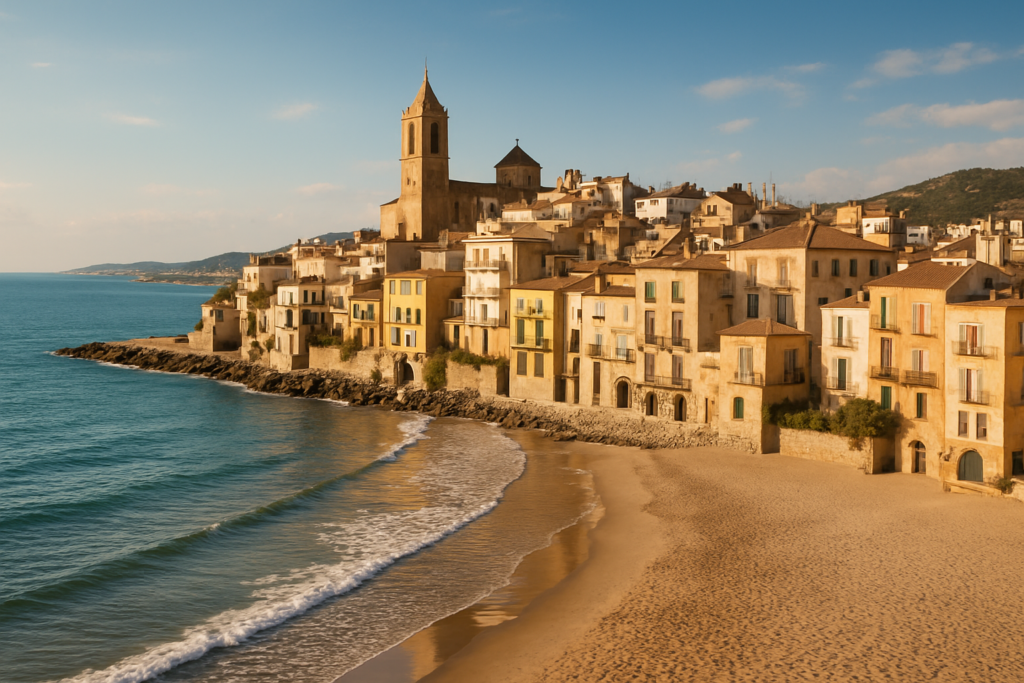
Igualada at a glance
- Main sights include the Basilica of Santa Maria and arcaded streets in the historic centre.
- Transport links: the town sits on the A-2 motorway and is linked to Barcelona by an FGC railway line through the Anoia valley.
- Local history dominated by textile and leather industries that shaped 18th–19th‑century growth.
- The Rec district preserves old tanning buildings and stages the Rec.0 pop-up fashion event.
- Annual highlight: a major summer European Balloon Festival attracting pilots and spectators from across Europe.
- Surrounding landscape: Conca d’Òdena, vineyards and proximity to the cava-producing Penedès to the south.
- Elevation: roughly 300 m above sea level in the Anoia river basin.
Things to do in Igualada
There are no blockbuster museums of national scale here, but the town rewards a focused itinerary: a compact historic centre with market-town arcades, an industrial past visible in converted tannery buildings, a handful of specialist cultural institutions and one very visible annual event that transforms the skyline. Plan for short visits and combine Igualada with nearby attractions in central Catalonia if you want variety.
| Attraction | What it is | Price/entry | Best for |
|---|---|---|---|
| Basilica of Santa Maria | Main church with Baroque altarpieces | – | Religious art and architecture |
| Museu de la Pell (Leather Museum) | Museum documenting the town’s leather‑tanning history | – | Industrial heritage and craft lovers |
| Historic centre | Arcaded streets and market squares | – | Wandering, cafés, local markets |
| Rec district | Preserved tanning complex and site of Rec.0 fashion event | – | Design, industrial architecture, shopping events |
| European Balloon Festival | Large summer hot-air balloon gathering | – | Families, photographers, event-goers |
| Day trips: Montserrat | Mountain and monastery within easy reach | – | Hiking and religious heritage |
The historic core and the Basilica of Santa Maria
Start in the town’s compact centre. The arcaded streets and market squares are reminders of Igualada’s market-town past; pace your walk to enjoy small cafés and bakeries linked to local market traditions and sweets. The Basilica of Santa Maria anchors the old quarter: its interior contains Baroque altarpieces and is the town’s principal church, a calm place to see religious art without the crowds found in big cities.
The Museu de la Pell and industrial heritage
For a focused look at what shaped the town, visit the Museu de la Pell. The museum documents a long history of tanning and leather craft that underpinned Igualada’s economy and identity. Nearby, industrial-era buildings and converted workshops still frame parts of the town; they make for interesting architectural detours and explain why contemporary local events often celebrate design and materials.
The Rec district and Rec.0
The Rec quarter preserves former leather‑tanning facilities and has been repurposed for cultural life and occasional commercial events. One of the most visible uses of the space is Rec.0, a pop-up fashion shopping event that attracts visitors interested in design and alternative retail formats. Even outside event days, the district’s brick façades and industrial scale make for the most distinctive urban scenery in town.
Day excursions from the town
If you want to combine a stay here with a mountain visit, the town can function as a base for Montserrat — the famous mountain and monastery are accessible enough for organized day trips or independent excursions from the area. Using the town as a quiet central stop lets you avoid the denser tourist crowds nearer Barcelona while still accessing regional highlights.
Before you plan
There are no verified closures or major redevelopment projects reported in the current source set that would materially change the visitor experience. Always check local event calendars for Rec.0 dates and the European Balloon Festival schedule before travelling, as these are annual events that determine peak activity days.
Igualada with kids
Families will find a couple of clear highlights: the summer balloon festival and hands-on museum experiences. The town’s compact size makes it easy to keep school-age children occupied without long transfers.
- European Balloon Festival — the visual spectacle of hundreds of balloons is naturally child-friendly and memorable; festival days can be noisy and busy so arrive early.
- Museu de la Pell — educational for older children interested in how things are made; it explains tanning and leather craft, linking local history to real-world production.
- Short, safe walks — arcaded streets and central squares mean easy stroller or small‑legs-friendly routes with cafés close by for breaks.
How to get to Igualada and get around
The town’s location in central Catalonia makes it a practical stop on inland routes between larger cities. Public and private transport options connect it to the region but expect a small-town pace rather than dense urban transit.
| From | By | Approx time |
|---|---|---|
| Barcelona | FGC railway line through the Anoia valley | – |
| By road (regional) | A-2 motorway | – |
Inside the town, most points of interest lie within walking distance. If you plan to explore vineyards or the wider Conca d’Òdena landscape, a car provides flexibility for reaching rural wineries and hilltop viewpoints.
Where to stay in Igualada
Accommodation options are compact and oriented to short stays. Choose your base according to what you want from the visit rather than expecting wide neighbourhood variety.
- Historic centre — suits visitors who want cafés, the Basilica and a walkable experience; best if you plan to stay mainly in town.
- Rec district — appeals to those interested in industrial architecture and events; convenient on event days such as Rec.0.
- Outskirts and roadsides near the A-2 — practical for drivers and visitors using the town as a base for day trips around central Catalonia or to Montserrat.
Best time to visit Igualada
Events dictate peak interest more than climate alone. If your priority is the European Balloon Festival or Rec.0, plan travel around those summer event dates. For quieter visits, shoulder seasons offer easier walking weather and fewer crowds.
| Season | Months | What to expect |
|---|---|---|
| Summer | – | Festival activity, notably the European Balloon Festival; busiest time for events |
| Shoulder seasons | – | Fewer visitors, good for walking the historic centre and visiting museums |
History of the town
The town grew into an industrial Catalan centre during the 18th and 19th centuries, driven particularly by textile and leather industries. Tanning and related crafts shaped the urban fabric — robust brick factories, storage buildings and specialized workshops — and established a commercial life that included market traditions still visible in arcaded streets and town squares. That industrial heritage is now interpreted in museums and preserved quarters, linking contemporary cultural programming to a manufacturing past.
Practical info
- Altitude and terrain: the town sits at about 300 m in the Anoia river basin, making walks generally gentle but with enough elevation to offer short outlooks over the surrounding Conca d’Òdena.
- Parking: as with many compact provincial towns, limited central parking is likely; use peripheral lots or accommodation parking if you arrive by car.
- Connectivity: the area is linked to Barcelona by the regional FGC railway and to the wider road network via the A-2 motorway; these are the principal public and road links cited in verified sources.
- Food and events: local fairs and festivals showcase Catalan regional cuisine and market-linked sweets—these are part of the cultural draw and vary by calendar.
- Accessibility: the town’s compact centre is walkable, but historic buildings and older streets may present uneven paving; check individual venues for specific accessibility facilities.
Worth it for: visitors who enjoy small-scale industrial heritage, craft museums and unique annual events such as a major hot-air balloon festival. Also useful as a quiet base for day trips to nearby mountains and cava country.
Less so if: you want beaches, a nightlife-focused city break or an area with heavy tourist infrastructure and guided attractions open daily year-round.
How we assess this guide
This guide has been compiled from verified regional and cultural sources. We prioritise on-the-ground facts such as transport links, principal museums and long-standing events, and we flag when events determine peak activity. We do not claim to provide first-hand field reporting for every venue; instead, we cross-check institutional and regional information and avoid listing businesses, opening times or prices unless those details are verified.
Frequently asked questions
How do I get from Barcelona to Igualada?
The town is linked to Barcelona by an FGC railway line that runs through the Anoia valley. For drivers, the A‑2 motorway is the main road connection.
Is Igualada expensive to visit?
There are no verified claims about overall costs in the source set. Expect typical small‑town Catalan prices rather than the premium of Spain’s major tourist cities; local markets and festivals emphasise regional cuisine and sweets.
Which is the best beach near Igualada?
Igualada lies inland, so there are no beaches in the town itself. Coastal destinations are reached by car or train from the Barcelona area.
How many days should I plan for a visit?
A focused one- to two-day stay covers the main town highlights: a walk around the historic centre, a visit to the Museu de la Pell and time in the Rec district. Add days if you plan side trips to Montserrat or the Penedès vineyards.
Is Igualada good for families?
Yes—families will enjoy event days such as the European Balloon Festival and child-friendly museum exhibits at the leather museum. The compact layout also makes it easy to move around with children.
Can I get around the town without a car?
Yes. The principal sights are concentrated in a walkable historic core. Public transit connections to larger cities are available via regional rail, and short walking routes cover most points of interest.
Is parking difficult in the centre?
Central parking is limited in many small towns; consider using peripheral car parks or hotel parking if you arrive by car, and plan for short walks into the historic centre.
What are rainy-day options?
Indoor options include the Museu de la Pell and church visits such as the Basilica of Santa Maria. Small-town cafés and market arcades are also practical for sheltering and sampling local foods.
When is the European Balloon Festival held?
That event takes place in summer and is one of Europe’s larger hot‑air balloon gatherings. Confirm exact dates on festival materials before planning travel, as the schedule varies annually.
Does the town have any unique festivals or fairs?
Yes. Local fairs and festivals celebrate regional Catalan cuisine and sweets rooted in market traditions; the Rec.0 event turns a preserved tanning district into a pop-up fashion venue.
Can Igualada be used as a base to visit Montserrat?
Yes. The town is close enough to Montserrat to serve as a practical base for day trips to the mountain and monastery, giving you quieter accommodation options away from the busiest tourist hubs.
What is the Museu de la Pell about?
The museum documents Igualada’s long history as a centre of tanning and leather craft, explaining the economic and cultural importance of these trades to the town’s development.
Are there vineyard visits nearby?
The Anoia landscape includes the Conca d’Òdena and vineyards, with the cava‑producing Penedès to the south—vineyard visits are regionally available, though specific winery details should be checked locally.
Is the Rec district open to visitors year‑round?
The district is a preserved area of historic tanning buildings and hosts events such as Rec.0; parts of the district are accessible for walking, though event-related openings will vary by calendar.
What is the altitude of the town?
The town sits at about 300 m in the Anoia river basin, so expect mild elevation in local walks rather than steep mountain terrain.
Plan the wider trip
- Calella: Beach Resort on the Costa de Barcelona
- Barcelona
- Castelldefels
- Cardedeu: Modernista Valles Town near the Montseny
- Cubelles: Beach Town on the Garraf Coast
- Manresa
Nearby on the Costa de Barcelona
Igualada on the map
This place is part of our Costa Barcelona Guide: Maresme, Garraf, Sitges & Penedès — see every town, beach and cove we have mapped on that coast.
How this page is maintained. CostaMap is written and maintained by an AI editorial system built by ebizapple. Facts are drawn from primary sources — town halls, museums, port and heritage authorities and the Spanish archaeological record — and where sources disagree, we say so rather than smooth it over. Photographs marked as ours are taken on location. This page was last reviewed on 15 August 2026. Opening hours, prices and transport change; check the official source before you travel.