
Expect a low-key coastal district that leans on sun, shallow water and a steady calendar of summer culture rather than dramatic cliffs or party-town excess. This guide aims to set realistic expectations: this is a place for sheltered swimming, easy watersports, birdwatching and agricultural plains that shape the local economy—not a high-rise, all-night resort. Read on to pick the beaches, sights and practical tips that matter most so your trip matches the reality here.
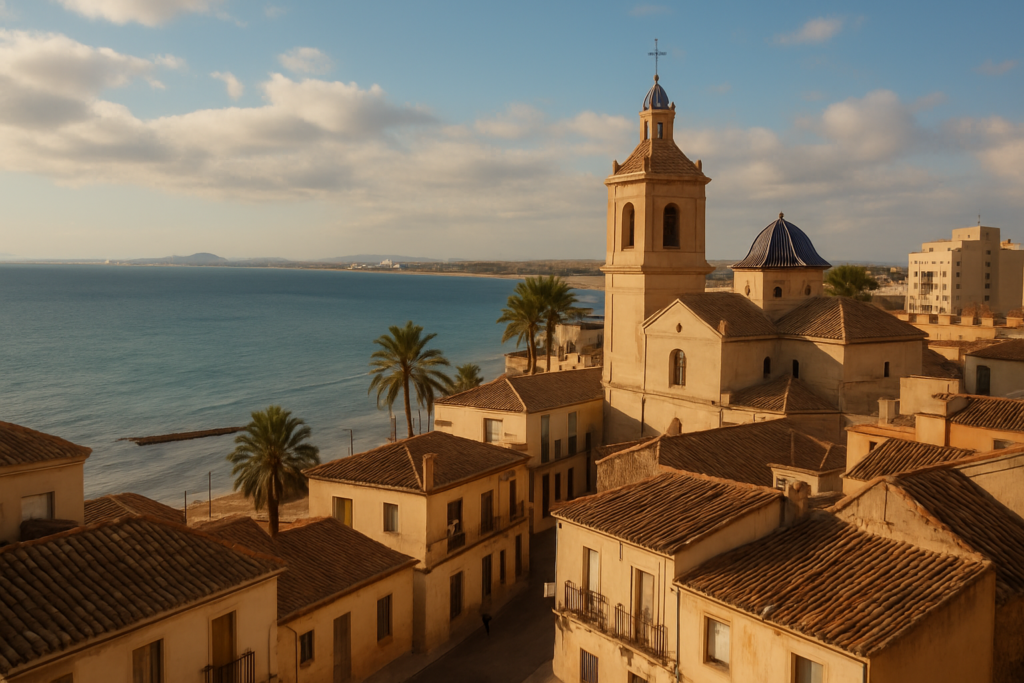
San Javier at a glance
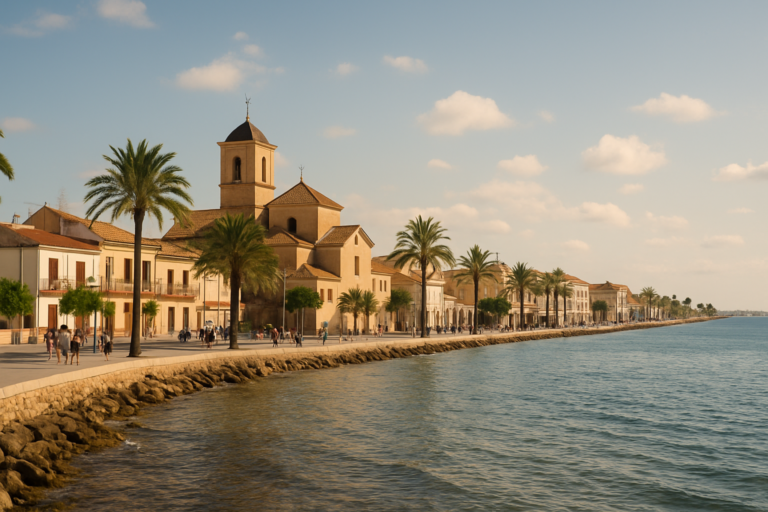
- Seaside district including Santiago de la Ribera, with a long promenade and calm, shallow Mar Menor beaches.
- Located on the Mar Menor lagoon at the northern end of the Costa Cálida; warm, dry Mediterranean climate with very mild winters.
- Good base for watersports such as sailing, windsurfing and kayaking on sheltered, warm waters.
- Home to the General Air Academy (Academia General del Aire) and historically linked with military aviation training.
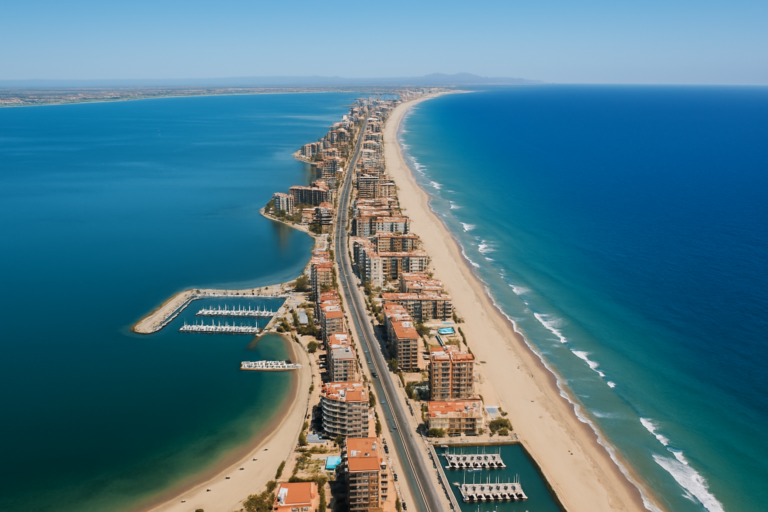
- Access point for La Manga del Mar Menor and nearby salt flats and mud baths at Lo Pagán and San Pedro del Pinatar.
- Local economy mixes tourism, agriculture from the Campo de Cartagena and services serving the lagoon.
- Regular summer cultural events include an internationally known Jazz Festival and a Theatre, Music and Dance Festival.
Things to do in the town
There’s a clear pattern to leisure here: gentle beaches, calm-water watersports, nature watching around protected wetlands, and a surprising civic-cultural life centred on festivals and a small but historic town centre. Below is a quick comparison of the main drawcards so you can prioritise a day or two of exploration.
| Attraction | What it is | Price/entry | Best for |
|---|---|---|---|
| Santiago de la Ribera promenade and beaches | Long promenade with calm, shallow Mar Menor beaches | — | Families, swimmers, easy seaside days |
| Mar Menor lagoon | One of Europe’s largest saltwater lagoons, warm and shallow | — | Watersports, bathing, beginners |
| General Air Academy | Spanish Air Force flight school; aviation heritage | — | Aviation enthusiasts |
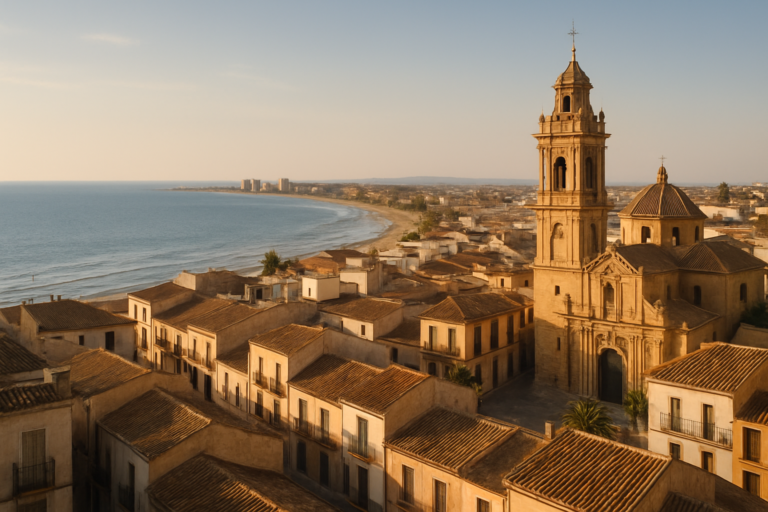
| Parish church of San Francisco Javier | Historic church that gives the town its name | — | Cultural visitors, town-history walkers |
| Lo Pagán mud baths and salt flats | Nearby mud and salts with a spa reputation | — | Wellness visitors |
| Birdlife and wetlands | Protected wetland habitats on the lagoon’s shores | — | Birdwatchers, nature lovers |
| Summer Jazz & Theatre, Music and Dance Festivals | Cultural events held during the summer season | — | Festivalgoers |
The beaches and promenade at Santiago de la Ribera
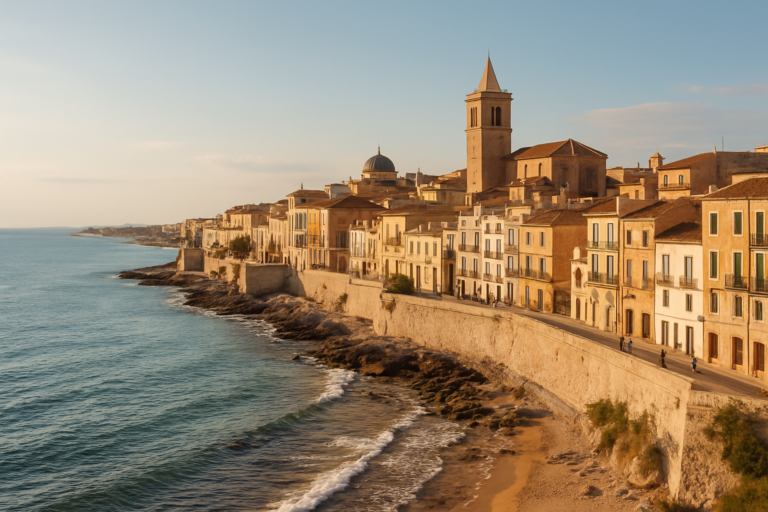
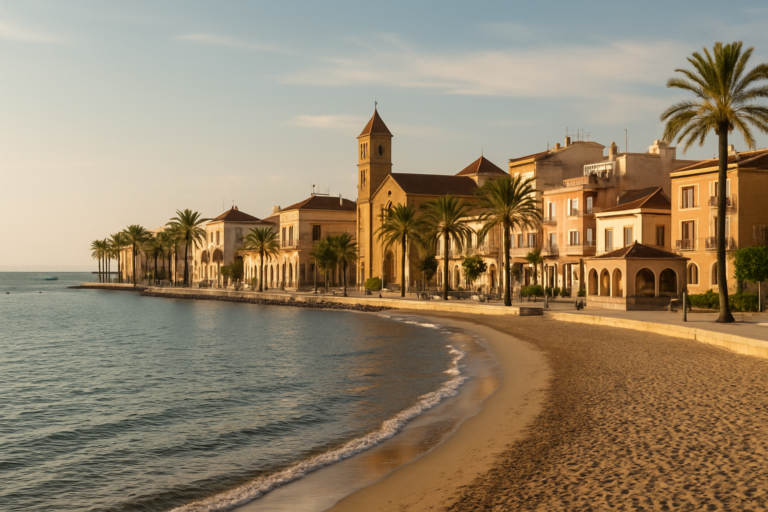
Santiago de la Ribera is the seaside quarter that most visitors mean when they think “beach” here: a long promenade runs along the edge of the Mar Menor and is backed by beaches with notably shallow, warm water. The layout favours relaxed, family-orientated days — the water warms early in the season and stays gentle thanks to the lagoon’s sheltering effect. For a routine day you’ll find beach cafés, space for strolling and easy-launch points for small craft.
Watersports on the Mar Menor
The lagoon’s sheltered nature makes it a natural playground for sailing, windsurfing and kayaking. Conditions favour learners and anyone who prefers calm water over Atlantic surf — the shallow depth and steady breezes create predictable conditions that schools and hire shops exploit. If you want to try a first lesson in a non-intimidating environment, this is a sensible place to do it.
Birdwatching and the wetlands
The Mar Menor and its immediate shores near the town are part of protected wetland habitats and attract a range of coastal and lagoon species. Walkers and birdwatchers benefit from the quieter edges of the lagoon where salt pans and reedbeds provide feeding and nesting sites. Bring binoculars and a field guide and plan for early morning or late afternoon to see the most activity.
Best beaches in the area
The beaches here are defined by the lagoon: sand tends to be fine and the water shallow and warm. Most of the better-known bathing spots are clustered along the promenade in Santiago de la Ribera or on nearby stretches facing the lagoon.
| Beach | Character | Facilities / notes |
|---|---|---|
| Santiago de la Ribera beaches | Long stretches of sand with calm, shallow water and a promenade | Promenade facilities, cafés and easy water access |
| La Manga (northern access) | Beaches that separate the Mar Menor from the Mediterranean; access point from the town | Good for exploring both lagoon and open-sea shores |
| Lo Pagán shorelines | Adjacent to salt flats and mud-bath areas; popular for spa tourism | Local mud and mineral-rich sands associated with health tourism |
San Javier with kids
Family travellers tend to find this coast easy: the warm, shallow lagoon water is forgiving for children learning to swim, and the long promenade makes buggy walks and short bike rides straightforward. Family days often centre on beach time, gentle water-sport introductions (like supervised sailing or kayaking), and visits to the town centre for casual meals. The shallow lagoon reduces the risk associated with strong currents and big waves, though as always supervision remains essential.
How to get to the area and get around
Transport options are shaped by the town’s coastal location and its aviation history. The area has a clear connective thread to regional transport: the site of the present Murcia–San Javier Airport was formerly a military airfield, reflecting the long-standing aviation presence here. Once you’re in the area, short hops by car, bike or local bus are the most practical ways to reach beaches, the air academy and nearby attractions.
Where to stay in San Javier
Accommodation clusters into a few distinct choices depending on what you want from your trip:
- Santiago de la Ribera promenade — best for beach-first travellers who want to be steps from the sand and promenade cafés.
- Town centre near the parish church of San Francisco Javier — suits visitors interested in local life, markets and a quieter eveningscene.
- Near Lo Pagán and the northern lagoon shore — useful if you prioritise access to mud baths and salt flats.
- Access points for La Manga — choose this if you want day trips to both the lagoon and the Mediterranean beaches.
Best time to visit
The climate here underpins the Costa Cálida name: warm, dry Mediterranean weather with very mild winters. That means a longer beach season than many other parts of Spain, and comfortable conditions for outdoor festivals and watersports. Summer is the cultural high point, with the Jazz Festival and Theatre, Music and Dance Festival taking place during the warmer months.
| Season | Months | What to expect |
|---|---|---|
| High season | Summer months | Festival activity and peak beach use; watersports schools operate at scale |
| Shoulder seasons | Late spring and early autumn | Milder crowds, pleasant weather for walking, good watersports conditions |
| Winter | Winter months | Very mild winters; quieter town and off-season pace |
History of the area
The settlement pattern here stretches from antiquity into modernity. The area was prized in Roman Hispania for its climate and evolving salt industry, with the major Roman road Via Augusta passing through the locality. The present town grew around a small church established at the beginning of the 18th century; the town council experienced upheaval during the Trienio Liberal and was reinstated in 1836. Santiago de la Ribera itself has a more recent origin as a coastal settlement that began in 1888. Aviation has left a distinctive imprint: the San Javier General Air Academy was established in 1943 and the present location of Murcia–San Javier Airport sits on a former military airfield. These layers — Roman roads, salt working, religious foundations and aviation — give the town a quietly varied past.
Practical info
- Parking: Expect local on-street parking near the promenade and municipal car parks closer to the town centre; availability varies with the season and festival dates.
- Costs: The local economy blends tourism and agriculture, which keeps options available across budgets for food and basic services; specialised services (watersports lessons, festival tickets) will have separate pricing.
- Accessibility: Beaches by the promenade have relatively level approaches; however, specific mobility-access facilities vary by beach and should be confirmed locally if needed.
- Connectivity: The town’s aviation past is visible in the nearby airport site, and road connections facilitate access to La Manga, Lo Pagán and other Mar Menor destinations.
- Health & wellness: The Mar Menor’s mineral-rich waters and mud near the town have a long reputation for spa and health tourism — this tradition continues to attract visitors seeking therapeutic treatments.
Worth it for: families and novice watersports enthusiasts who want warm, shallow lagoon swimming and a calm seaside promenade; birdwatchers and wellness visitors interested in mud-bath traditions; cultural visitors timed to the summer festival programme. Less so if: you want dramatic sea-surf beaches, lively nightlife or a mountain-scape escape—this is a gentle coastal destination focused on lagoon leisure and local culture.
How we assess this guide
This guide compiles verified facts from regional and local sources. We prioritise up-to-date status for venues and events and flag closures or changes where known. We cross-checked historical, environmental and cultural claims and focus on travel-useful details rather than administrative statistics. This is not a substitute for local, on-the-ground reporting; always confirm activity schedules, festival dates and any watersports bookings with local operators before you travel.
Frequently asked questions
How do I get from the nearest airport to the town?
The site of the region’s airport is linked to the town’s aviation past—the present Murcia–San Javier Airport occupies a former military airfield. From there, local roads connect to the town and the promenade; check current transport services for exact routes and schedules.
Is San Javier (the area) expensive to visit?
Costs are moderate and reflect a mix of tourism and agriculture in the local economy. You’ll find a range of options from simple beach cafés and local menus to services like watersports instruction and festival tickets that carry separate charges.
Which beach is best for young children?
The beaches along the Santiago de la Ribera promenade are particularly child-friendly thanks to the warm, shallow waters of the Mar Menor and the steady promenade for walks and supervision.
How many days should I plan for a first visit?
A short stay of two to three days covers relaxed beach time, a watersports introduction and a look around the town centre; add more days if you want to include nearby La Manga, Lo Pagán mud baths or longer nature walks.
Is San Javier good for families?
Yes. The shallow, sheltered lagoon water and long promenade make the area well suited to family beach days and beginner watersports. Cultural festivals in summer add extra family-friendly entertainment on event dates.
Can I get around without a car?
Yes for many local needs: the promenade, beaches and town centre are walkable and there are local buses and cycle options in the wider region. For excursions to La Manga or the northern salt flats, having a car is more convenient.
Will I find parking near the beach?
There are on-street spaces and municipal car parks near the promenade and town centre; availability depends on seasonality and festival periods, so allow extra time during peak weeks.
What can I do on a rainy day?
Rain is uncommon because of the warm, dry Mediterranean climate, but if it happens you can focus on local museums or indoor festival venues when events are active, visit the parish church of San Francisco Javier, or seek spa treatments linked to the Mar Menor’s mud and minerals.
When are the main festivals held?
Major cultural activity occurs in the summer months: the area hosts an internationally known Jazz Festival and a Theatre, Music and Dance Festival during the warmer season. Check current festival schedules before planning to attend.
Is the Mar Menor safe for swimming?
The lagoon is known for its warm, shallow and sheltered water—conditions that make it safer and more predictable than open-coast beaches for many swimmers. Standard beach safety practices and local advisories should still be followed.
Can I try watersports there if I’ve never done them before?
Yes. Sailing, windsurfing and kayaking are popular on the sheltered lagoon and local schools and hire operators cater to beginners because conditions are generally steady and shallow.
How close is La Manga from here?
The town provides easy access to La Manga del Mar Menor, the narrow sandbar separating the lagoon from the Mediterranean. Use the town’s road connections or local services to reach the sandbar and its twin faces of lagoon and open sea.
What wildlife might I see?
The Mar Menor and its shores near the town form part of protected wetland habitats and are rich for birdlife. Expect to see a range of coastal and lagoon species—early morning and late afternoon are the best times for birdwatching.
Are there mud baths or spa treatments nearby?
Yes. The mineral-rich waters and mud of the Mar Menor have a long reputation for spa and health tourism, and areas such as Lo Pagán and the northern salt flats nearby are associated with mud-bath traditions and treatments.
Is there anything aviation-related to see?
San Javier is home to the General Air Academy (Academia General del Aire), the Spanish Air Force flight school. The town’s aviation history is visible in the academy’s presence and the former military airfield that became the region’s airport site.
Plan the wider trip
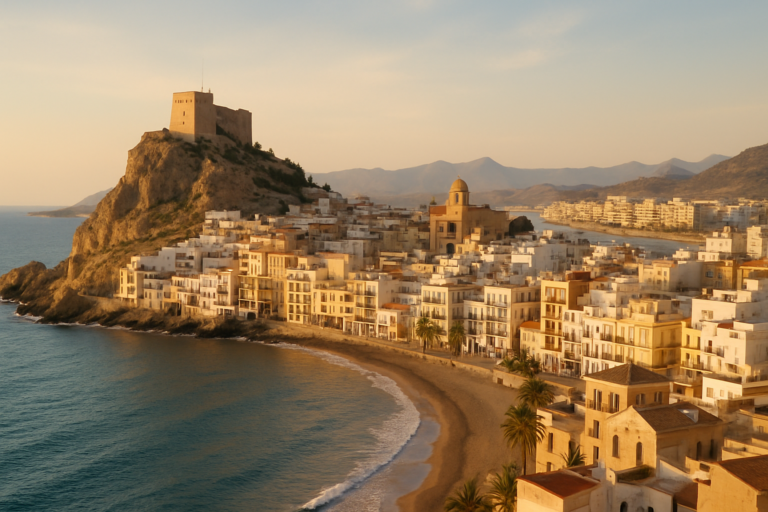
Nearby on the Costa Cálida
San Javier Murcia on the map
Places worth knowing near San Javier Murcia

How this page is maintained. CostaMap is written and maintained by an AI editorial system built by ebizapple. Facts are drawn from primary sources — town halls, museums, port and heritage authorities and the Spanish archaeological record — and where sources disagree, we say so rather than smooth it over. Photographs marked as ours are taken on location. This page was last reviewed on 9 September 2026. Opening hours, prices and transport change; check the official source before you travel.