
Expect a small inland Murcian town that matters chiefly as a gateway: practical, low-key and shaped by pottery, agriculture and the forested mountains that rise behind it. This guide emphasises what to expect so you don’t turn up hoping for a Mediterranean resort — the appeal here is rural culture, Bronze Age archaeology and hiking in Sierra Espuña rather than cafés on a promenade. Read on for what to prioritise, what to skip, and the honest trade-offs of visiting.
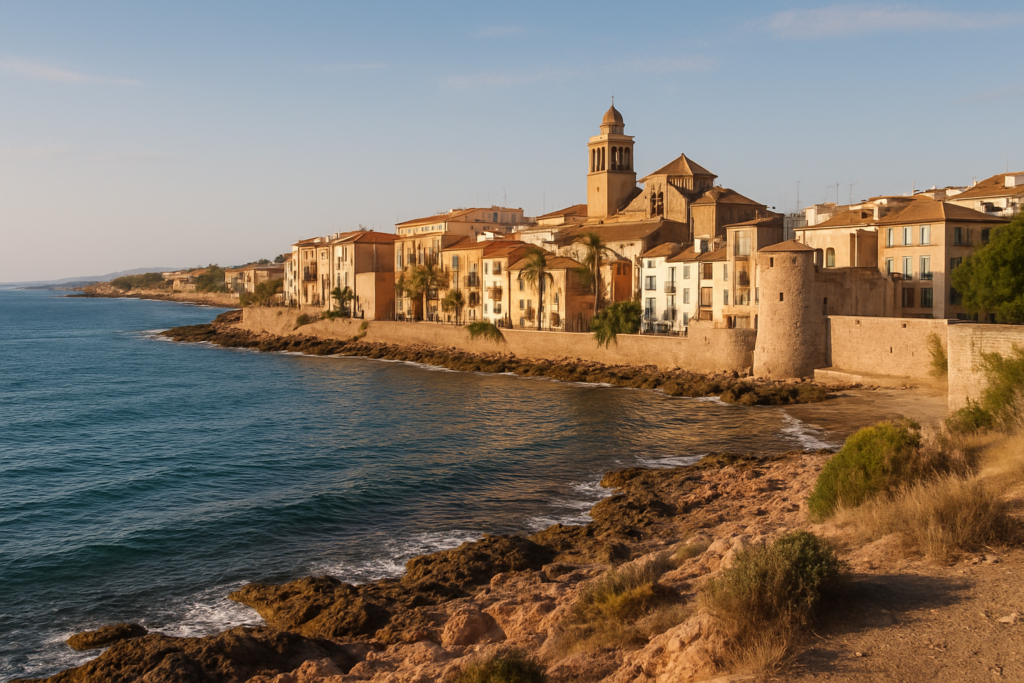
Totana at a glance
- At the foot of Sierra Espuña — great access to forested mountain hiking and cycling.
- Known for traditional pottery and ceramics, especially the La Era Alta potters’ quarter.
- Important Bronze Age archaeology at La Bastida, one of Europe’s key Argaric sites.
- Local high point for religious pilgrimage: the Santuario de Santa Eulalia in the nearby hills.
- Renaissance main church, Santiago el Mayor, anchors the town centre.
- Sits in the Guadalentín valley — an agricultural hinterland of citrus, vegetables and growing wine.
- Connected to Murcia and Lorca via the A-7 Mediterranean motorway.
Things to do in the town
There are two main reasons visitors come: outdoor access to Sierra Espuña and the town’s cultural threads — pottery, pilgrimage and archaeology. If you want busy tourist infrastructure, this is not the place; if you want to combine hikes with quiet streets, local ceramics and a major Bronze Age site, you’ll find enough to fill a couple of days.
| Attraction | What it is | Price / entry | Best for |
|---|---|---|---|
| Sierra Espuña Regional Park | Forested mountain range with trails and historic snow wells (pozos de la nieve) | – | Hiking, cycling, nature |
| La Bastida archaeological site | One of the most important Bronze Age (Argaric culture) settlements in Europe | – | History and archaeology |
| Santuario de Santa Eulalia | Pilgrimage shrine in the mountains above the town, with historic frescoes | – | Religious heritage, scenic visit |
| La Era Alta potters’ quarter | Traditional pottery and ceramics workshops and ateliers | – | Crafts, shopping, artisans |
| Santiago el Mayor (main church) | Renaissance-era church in the town centre | – | Architecture, local history |
Sierra Espuña Regional Park
Sierra Espuña is the headline outdoor attraction. The park is a forested mountain range with an established network of hiking and cycling routes radiating from the lower trails close to the town to higher ridges. Historic snow wells (pozos de la nieve) sit in the landscape: stone structures once used to store snow and produce ice. The range includes the Ricardo Codorníu forest, a reforestation project from the late 19th century that stands out as a conservation success and provides shade and contrasting cool air compared with the warm, dry lowlands. Expect cooler temperatures and pine-scented trails higher up; the mountains are what make the hinterland attractive in summer.
La Bastida and archaeological significance
La Bastida is not a museum re-creation but a major Bronze Age site: one of the most important Argaric settlements in Europe. Even if you are not an archaeology buff, the scale and importance of the ruins give a different perspective on the long human occupation of this valley. Interpretative resources and signage around the site are aimed at helping visitors understand the social and urban complexity of the settlement.
Pilgrimage and the Santuario de Santa Eulalia
The Santuario de Santa Eulalia sits in the hills above the town and draws local pilgrims: it is an important shrine with historic frescoes. The local festival tied to the shrine — the Santa Eulalia pilgrimage — revolves around the descent and ascent of the patron image and is the town’s biggest festival, celebrated across December and January. Visiting outside festival dates provides a quieter experience but you’ll still see the site’s religious art and panoramic setting.
Pottery: La Era Alta quarter
Pottery is woven into the town’s identity. The La Era Alta potters’ quarter concentrates traditional craft workshops and studios where ceramics remain a living trade rather than just a tourist product. You can explore streets where local potters work, see the techniques and take home handcrafted items made in local styles.
Town centre and Santiago el Mayor
Santiago el Mayor, the Renaissance-era main church, anchors the historic centre. Walking the narrow streets nearby reveals small squares and the quieter daily life of a Murcian inland town. The church is a focal point for local religious observance and gives an architectural counterpoint to the town’s rural character.
Totana with kids
The town and surroundings are a family-friendly outing rather than a theme-park destination. Children who enjoy outdoorsy activities will appreciate exploring forest trails in Sierra Espuña and the sense of discovery at La Bastida. Pottery workshops can be engaging for older children who like crafts; some ateliers will offer demonstrations, although hands-on classes are not guaranteed everywhere. The pilgrimage shrine and the main church are compact visits that work well between longer outdoor excursions.
How to get to Totana and get around
Road access is the clearest advantage: the A-7 Mediterranean motorway links the town with Murcia city and Lorca, making the area straightforward to reach by car. Once here, a car is the most flexible way to access dispersed sights — mountain trailheads, the sanctuary in the hills and archaeological sites sit outside the compact town centre. The town itself is walkable for exploring pottery quarters and the church area; expect to park on-street or in small municipal lots when visiting the town centre.
Where to stay in Totana
Accommodation tends to be modest and local rather than resort-style. Choose where to base yourself depending on priorities:
- Town centre — best for pottery, restaurants and walking to the Renaissance church and shops.
- Lower slopes/entrances to Sierra Espuña — practical for early starts on the trails and quieter nights surrounded by pines.
- Nearby hilltop villages such as Aledo — good if you prefer a more historic, scenic base with castle walls and watchtower views over the Guadalentín valley.
Best time to visit Totana
The climate is warm and dry typical of the Costa Cálida; the surrounding mountains bring cooler air in summer, which can be an important factor when planning outdoor activity. If your main interest is hiking, late spring and early autumn generally give more comfortable temperatures, while winter hosts the notable Santa Eulalia pilgrimage and festival activities.
| Season | Months | What to expect |
|---|---|---|
| Spring | – | Mild weather for walking; wildflowers in lower valley; good for pottery visits and archaeology. |
| Summer | – | Hot in the Guadalentín valley; Sierra Espuña offers cooler conditions higher up. |
| Autumn | – | Comfortable hiking; harvest season activity in the agricultural valley. |
| Winter | – | Cooler weather; the Santa Eulalia pilgrimage and its December–January ritual events take place. |
History of Totana
The town sits in a landscape layered with human activity. The presence of La Bastida demonstrates Bronze Age urban complexity in the Argárico period, showing the valley has been a significant settlement area for millennia. In the modern era, the late 19th-century reforestation of Sierra Espuña — including the Ricardo Codorníu forest — marked a turning point in conservation and landscape recovery, transforming parts of the slopes into a managed woodland that today is a defining feature visible from the town. The town’s Renaissance church testifies to the continuity of settlement and local institutional life through the early modern period, while the pottery quarter preserves craft traditions that have been central to local identity.
Practical info
- Driving and parking: The A-7 motorway is the main high-capacity road access linking the town with nearby cities. Once in town, parking is generally local-street or small municipal lots rather than large parking complexes; bring change for meters where required.
- Weather and clothing: Expect a warm, dry climate in the lowlands; bring layers for mountain walks where temperatures drop and conditions are cooler.
- Accessibility: The town centre’s narrow historic streets and some rural paths in the mountains are uneven underfoot. Access to archaeological sites and pilgrimage shrines may involve steps or uneven surfaces.
- Services and shops: Local shops and craft workshops in the potters’ quarter serve visitors and locals; for wider services and specialised shopping, Murcia city is the regional hub connected via the motorway.
Worth it for: hikers and mountain-lovers who want accessible forested trails and cooler air in Sierra Espuña; people interested in traditional ceramics and living craft culture; visitors curious about significant Bronze Age archaeology. Less so if: you want beach resorts, lively nightlife or a packed tourist infrastructure — this is a quiet, inland town focused on nature and local heritage.
How we assess this guide
We cross-checked historical and cultural claims against local heritage sources and regional guides and verified park and archaeological significance through reliable regional records. We flag the dates and rhythms of the town’s main festival and note conservation landmarks such as the Ricardo Codorníu reforestation. This guide synthesises published information rather than first‑hand field reporting; closures or event schedules can change, so check local sources when planning precise dates of travel.
Frequently asked questions
How do I reach the town from the main motorways?
The town is connected by the A-7 Mediterranean motorway, which links it with Murcia city and Lorca; the road is the most direct and flexible way to reach the area.
Is it expensive to visit?
Expect typical regional inland Spain pricing: modest local shops, craft ateliers in the pottery quarter and affordable everyday services. The town is not a premium resort market.
Which is the best place to see pottery being made?
La Era Alta is the potters’ quarter where traditional ceramics and workshops are concentrated; it’s the place to explore living pottery craft rather than museum displays.
How many days should I spend here?
Two to three days lets you see the principal sights: a morning in the potters’ quarter and town centre, a half- or full-day at La Bastida, and a day hiking in Sierra Espuña or visiting the Santuario de Santa Eulalia.
Is the area good for families with children?
Yes for outdoorsy families: forest trails and the archaeological site provide engaging outings. Indoor entertainment and theme-park style attractions are limited locally.
Can I visit without a car?
Visiting the town centre and pottery quarter on foot is easy, but many highlights — forest trailheads, the sanctuary and the archaeological site — are outside the compact town and are most easily reached by car.
Is there parking in the town centre?
Parking is primarily on-street and in small municipal areas. Expect typical small-town parking conditions rather than large purpose-built car parks.
What are good rainy-day options?
Indoor options are limited compared with big cities; focus on pottery workshops (which may offer covered demonstrations) and the town’s main church for a shorter indoor visit. For more extensive museum or gallery time, plan a trip to Murcia city.
When is the Santa Eulalia festival?
The Santa Eulalia pilgrimage and its ritual descent and ascent of the patron image are the town’s biggest festival, taking place in the December–January period. If your trip coincides with it you’ll see the town at its most socially intense.
Are there guided tours of La Bastida?
Interpretative resources exist around the archaeological site. For guided tours or specialist visits check locally or with regional archaeological services; availability can vary.
What’s the climate like?
The town enjoys the warm, dry Costa Cálida climate. The surrounding mountains offer cooler air in summer, which is useful for planning hikes and outdoor activities.
Is the Santuario de Santa Eulalia open to visitors?
The shrine is an important local pilgrimage site with historic frescoes and can be visited; peak activity occurs during the Santa Eulalia festival season in winter.
Can I combine a visit here with coastal days?
Yes. The town is inland but part of the Costa Cálida region; you can base in the area and drive to Mediterranean beaches, combining mountain and coastal experiences in a single trip.
What else is there to see nearby?
The nearby hilltop town of Aledo, with its watchtower and remaining walls overlooking the Guadalentín valley, is a natural short excursion for anyone exploring the hinterland’s historic settlements.
Is the Ricardo Codorníu forest accessible?
Yes. It’s a landmark reforestation in Sierra Espuña, notable for its late 19th-century conservation project and now part of the park’s accessible woodland areas.
Plan the wider trip
Nearby on the Costa Cálida
Totana on the map
Places worth knowing near Totana
How this page is maintained. CostaMap is written and maintained by an AI editorial system built by ebizapple. Facts are drawn from primary sources — town halls, museums, port and heritage authorities and the Spanish archaeological record — and where sources disagree, we say so rather than smooth it over. Photographs marked as ours are taken on location. This page was last reviewed on 27 July 2026. Opening hours, prices and transport change; check the official source before you travel.