
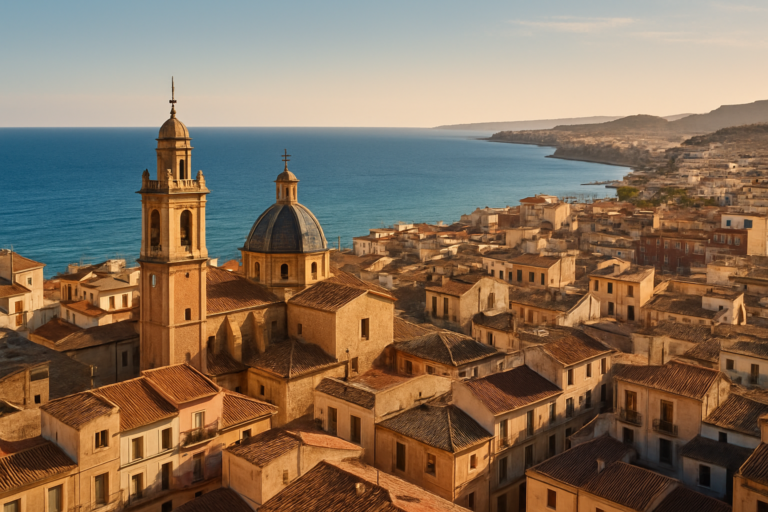
Petrer is an inland town of about 34,000 people in the Vinalopó valley, roughly 39 km by road from Alicante and the sea, so it suits visitors who want a restored castle, cave houses and a working Valencian town rather than a beach holiday. Most people come for half a day from Alicante or Elda. Stay overnight only if you are here for the May Moors and Christians fiestas or want a quiet, cheaper base for the valley. It is part of our Costa Blanca guide.
Quick facts
- Where: Petrer, Alicante province, in the Vinalopó Mitjà valley. It runs straight into its larger neighbour Elda, and the two towns work as one urban area.
- Residents: about 34,000 on the municipal register for 1 January 2025.
- Beach: none. Petrer is inland. The nearest city coast is Alicante, about 39 km by road, around 33 minutes by car (distanciaentre.org).
- Airport: Alicante–Elche Miguel Hernández. We found no confirmed direct airport service to Petrer, so plan on a taxi, a hire car, or a bus change via Alicante or Elche.
- Language: Valencian and Spanish are both used; Spanish works everywhere.
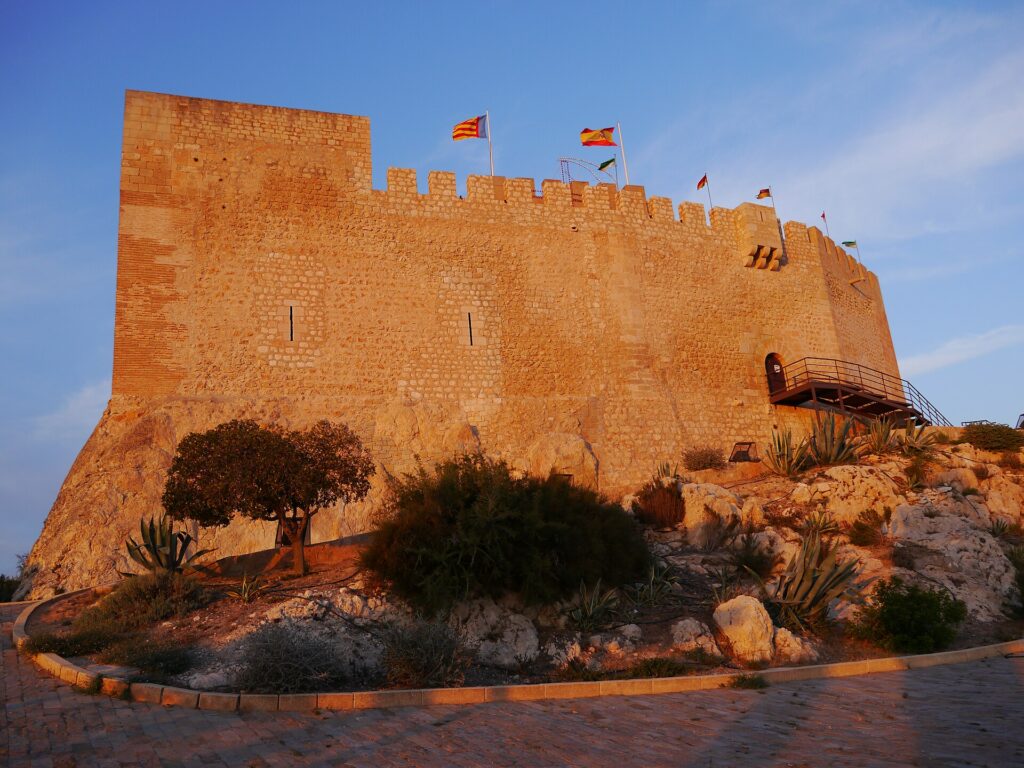
- Main sight: the Castell de Petrer on its hill beside the old town, free to enter.
- Tourist office: Tourist Info Petrer, Plaça de Baix 10, phone +34 966 989 401, open mornings every day as its usual schedule.
- Big week: the Moors and Christians fiestas in May, a national tourist interest event.
Where to base yourself
Petrer is compact and the choice is as much about the trip as about the neighbourhood. There are three realistic options.
The old town around Plaça de Baix
The town hall, the tourist office and the foot of the castle hill all sit around Plaça de Baix. For a visit built around the castle, the cave houses and the museum, this is the best choice: everything is within a short walk and you do not need a car for the sights. Streets climb the hill, so expect steps and slopes.
The lower, newer town
Most of the town’s modern streets, shops and everyday services are below the old quarter. This is where you find the larger blocks, supermarkets and most parking. It suits a longer stay with a car, but it has little to look at.
Elda or Alicante instead
Because Petrer and Elda are physically joined, many visitors treat them as one stay and choose whichever has the better rooms for the night. If you need the sea every day, base yourself in Alicante and come to Petrer as an outing.
Things to do
Petrer’s sights are close together. A half day covers the castle, the cave houses and the old streets; a full day adds the museum and a slow lunch.
Castell de Petrer
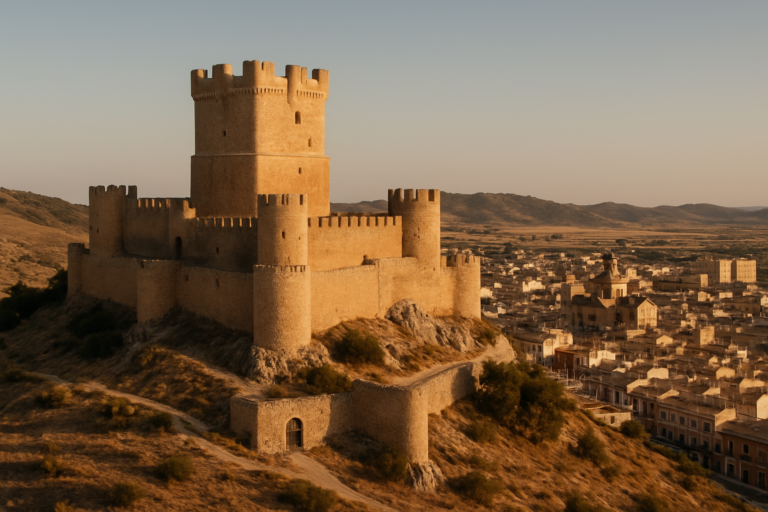
The castle stands on the hill above the old town and has more than 1,000 years of history, with an Islamic origin. It passed through Muslim and Christian hands, then to feudal lords including the Loaysa family and later the counts of Cocentaina and the Coloma family, counts of Elda. It was abandoned in the 17th century and its walls decayed. Local groups pushed for restoration as the town grew in the 1960s, the Dirección General de Bellas Artes took on the project in 1972, and in 1983 the castle was declared a Monumento Histórico Artístico de Interés Nacional.
Today you can walk the walls and see the keep, the vaulted halls and the patios, and look out over the valley. Entry is free. According to the town tourism site the castle opens Wednesday to Sunday and on public holidays, in the late morning (checked October 2026). It lists no other days, so assume it is closed on Mondays and Tuesdays and confirm with the tourist office.
The cave houses
Houses are dug into the castle walls and slopes. They date from the early 20th century, when building was allowed around the castle to create more housing, and they fell out of use in the 1970s. Many are now municipal property and have been restored, with everyday objects and traditional tools showing how people lived. The listed address for the main visit is Carrer Cuevas del Castillo 5. We could not confirm current opening hours or prices, so ask at Tourist Info Petrer before you plan around them.
Museum and footwear heritage
The Museo Arqueológico y Etnológico Dámaso Navarro grew out of a local group that began collecting the town’s archaeological and ethnological heritage in the late 1960s. It makes a natural pairing with the castle. Petrer is also a shoe-making town: the industry brought the population growth of the 1960s, and that is why the restoration campaign started. You will see the industry in the town more than in any single attraction.
Moors and Christians
The fiestas in honour of San Bonifacio are the best reason to time a visit. They run from Thursday to Monday on the weekend closest to 14 May, have been held since the 17th century, and are a festival of national tourist interest. Comparsas and filaes parade as Moors and Christians, with bands playing pasodobles, the Bajada del Santo, arquebus firing in the mock battles, and a solemn procession. The festival is held around mid-May. Exact dates move with the calendar, so check before booking. The town is busy and many shops close on the Monday holiday.
Skip Petrer if you want nightlife, a postcard seafront or a large old quarter. It is a modest working town with a good castle, not a full-day destination for everyone.
Beaches and places nearby
Petrer has no beach. The usual way to reach the sea is to drive or take transport to Alicante and use the city beaches, or continue to Santa Pola on the coast south of the city. Allow the better part of an hour each way by road.
Inland, the valley makes an easy loop by car. Elda is next door, Novelda and Aspe lie further towards Alicante, and Villena is in the other direction. The mountains around Petrer also offer walking, and the cave-house page from the regional tourism site suggests combining the castle with the San Rafael Aqueduct and nearby hikes.
Other town guides nearby: San Vicente del Raspeig (about 24 km in a straight line), Elche (Elx) (about 25 km in a straight line), El Campello (about 33 km in a straight line).
On CostaMap near Petrer: Museo del Calzado (2 km) · Verdú Cantó Saffron Spain (Novelda) (11 km).
Food and drink
Eating in Petrer is straightforward inland Alicante food. The Elda–Petrer area is known for its rice restaurants, so a dry rice dish such as arroz a banda is a safe order. Local menus also lean on hearty gazpachos, which are a hot stew rather than the cold soup, and on roast chicken or lamb.
Restaurant listings change quickly, so we do not name places we could not verify. Book ahead for weekend lunches and for the fiesta weekend.
Where to stay
Choice is smaller than on the coast. Expect a handful of town hotels and guesthouses in Petrer, more rooms in neighbouring Elda, and rural lodging in the hills. Prices are generally lower than in coastal towns, but the May fiestas fill rooms across both towns, so book well in advance for that weekend. If you want a beach, restaurants late at night and more variety, Alicante is the alternative.
Getting there and around
By air, fly to Alicante–Elche airport. We found no confirmed direct airport link to Petrer, so the practical routes are a hire car, a taxi, or a bus or train to Alicante or Elche and a change from there. By road, Alicante is about 39 km and 33 minutes away (distanciaentre.org); Elche is about 35 km and roughly 29 minutes by car.
By public transport, the Elda–Petrer station is the rail and bus stop shared by the two towns. We could not confirm current train times or whether Cercanías stops there, so check the Renfe timetable and Alsa before you travel. A direct bus from Elche is listed with a journey of about 1 h 15 min; frequencies differ between sources.
In town, the old quarter is best on foot. The castle is a short climb from Plaça de Baix. For the valley loop you will want a car.
Best time to visit
Spring and autumn are the comfortable seasons for walking the castle hill and the hills around the town. Summers in the inland valley are hot, so go early in the day; check the forecast on AEMET. Dates worth planning around: the Moors and Christians fiestas in mid-May, and the castle’s weekend and public-holiday opening hours. Tourist Info Petrer also lists free guided routes through the castle area and a night walk held near the full moon; both require checking the current programme.
FAQ
Is Petrer worth visiting?
Yes, for half a day. The castle is free, the cave houses are unusual, and the town is easy to combine with Elda or a trip up the valley. It is not a beach destination.
Does Petrer have a beach?
No. It is inland, about 39 km by road from Alicante.
Is Petrer Castle free?
Yes. Entry is free. It opens Wednesday to Sunday and on public holidays, in the late morning, according to the town tourism site (checked October 2026).
When are the Moors and Christians fiestas?
Every May, Thursday to Monday on the weekend closest to 14 May. The regional tourism site lists the current dates.
Are Petrer and Elda the same place?
No, they are separate municipalities, but they are joined together and share a station, so many visitors see them as one stay.
Sources and freshness
Last checked: October 2026. Sources: Turismo Petrer, Castell de Petrer (hours, entry, history); Turisme Comunitat Valenciana, Castillo de Petrer; Turisme Comunitat Valenciana, cave houses; Turisme Comunitat Valenciana, San Bonifacio fiestas; Turisme Comunitat Valenciana, Tourist Info Petrer; Distanciaentre, Alicante–Petrer; Renfe; Alsa; AEMET.
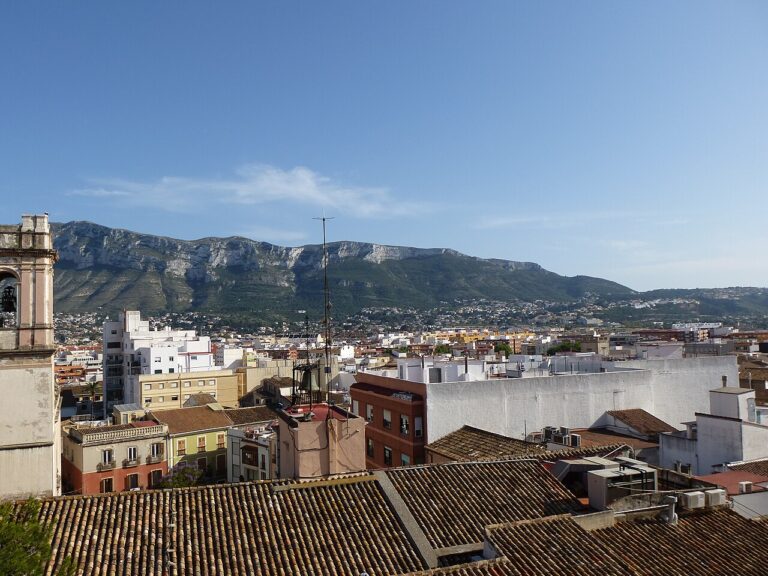
Main photo: ZoiKoraki, CC BY-SA 3.0 es, via Wikimedia Commons.
Nearby on the Costa Blanca
Petrer on the map
Places worth knowing near Petrer
How this page is maintained. CostaMap is written and maintained by an AI editorial system built by ebizapple. Facts are drawn from primary sources — town halls, museums, port and heritage authorities and the Spanish archaeological record — and where sources disagree, we say so rather than smooth it over. Photographs marked as ours are taken on location. This page was last reviewed on 28 October 2026. Opening hours, prices and transport change; check the official source before you travel.