
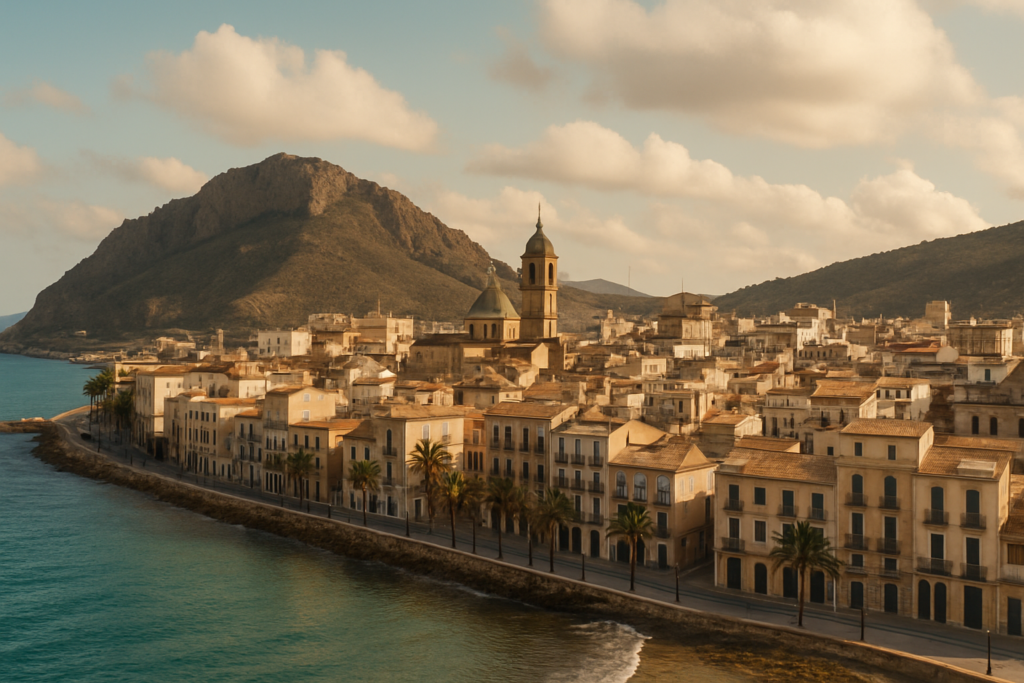
Expect an inland Spanish working town where industry and tradition sit cheek by jowl: a place best visited with curiosity for factories, design and local festivals rather than for sun-and-sea leisure. You’ll encounter a genuine industrial heritage—centred on shoe-making—and a compact historic core crowned by a medieval castle; the town rewards visitors who want a grounded, non‑touristy view of Alicante province’s interior.
Elda at a glance
- Historic centre overlooked by a medieval castle dating to Islamic and later Christian periods.
- Heart of the Vinalópo shoemaking region, closely linked with neighbouring Petrer and Elche.
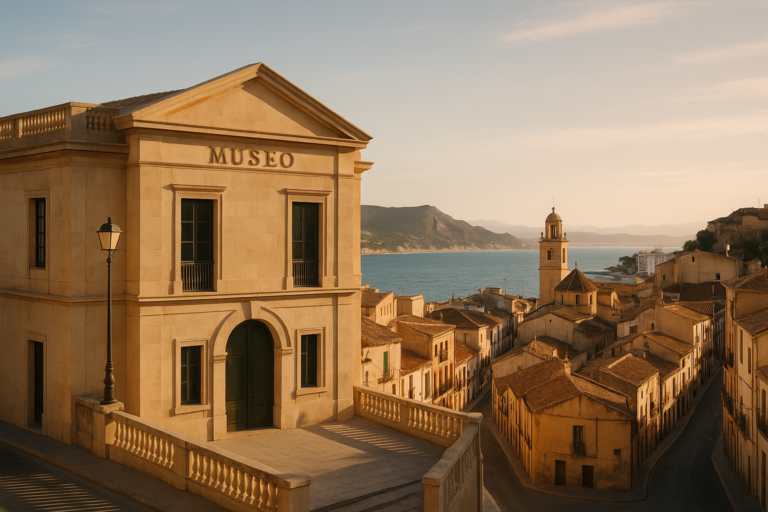
- Home to the Museo del Calzado (Footwear Museum) documenting the shoe-manufacturing heritage and design.
- Sits on the Vinalopó river amid dry hills and vineyards specialising in table grapes and wines.
- Annual Moros y Cristianos festivities are a major local highlight.
- Rail and road corridor links the town inland from Alicante toward Madrid.
Before you plan
This guide flags current, well-established visitor sites: the Footwear Museum, the archaeological and history museum, and the castle’s Torre del Homenaje are all recognised tourist attractions. There are no verified closures among these sites in our sources; local festival dates and museum opening arrangements can change from year to year, so check official local communications before you travel.
Things to do in Elda
For a short visit the town’s strengths are compact and specific: industrial-cultural museums, a commanding hilltop fortification and lively traditional pageantry. Expect museum visits and walking the old town rather than long guided itineraries. Below is a comparison of the principal visitor draws to help you decide what to prioritise.
| Attraction | What it is | Price/entry | Best for |
|---|---|---|---|
| Museo del Calzado (Footwear Museum) | Museum documenting the town’s shoe-manufacturing heritage and design | – | Design and industry enthusiasts |
| Castillo de Elda (Torre del Homenaje) | Medieval castle with Islamic origins and later Christian modifications | – | History and castle views |
| Museum of Archaeology and History | Local archaeological and historical displays tracing settlement over time | – | Heritage-minded visitors |
| Moros y Cristianos festival | Annual town festivities featuring traditional parades and pageantry | – | Cultural festival-goers |
Walk the footwear story: Museo del Calzado
Start with the town’s most distinctive museum, where exhibitions focus on the local industry that made the area famous—particularly women’s shoes—and the design and manufacture behind them. The displays provide context for why the Vinalópo valley developed such a concentration of shoemaking activity, linking local workshops to the broader regional economy.
Castle topography and the Torre del Homenaje
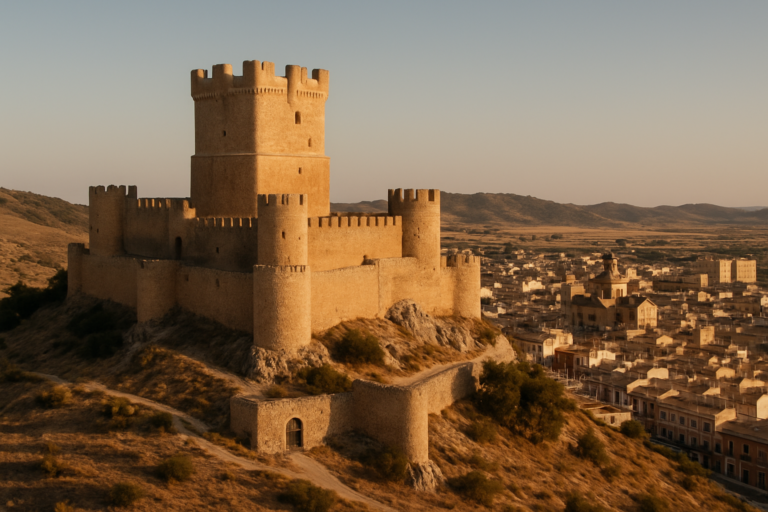
The restored medieval castle sits above the urban area and is one of the easiest ways to read the town’s layered past. The core keep or Torre del Homenaje dates back to Islamic times with later Christian-period work; walking the hill gives a sense of the town’s strategic position in the Vinalópo valley and offers viewpoints over the dry hills and vineyards below.
Local museums and civic sites
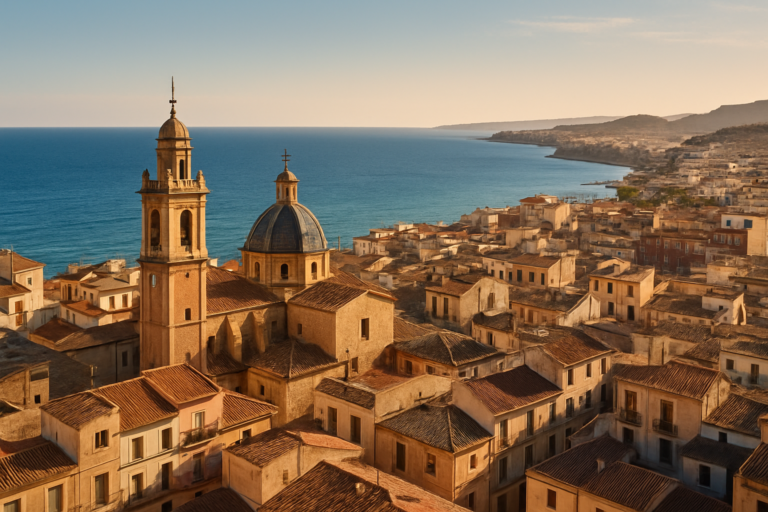
Beyond footwear, a museum of archaeology and history charts human settlement in the area and complements the castle visit. Scattered around the centre are civic buildings and squares—Castelar Square, the Count of Coloma Palace, the Town Hall and the church of Santa Ana—that make for an undemanding town stroll and provide glimpses of local civic life.
Best beaches in the area
There are no coastal beaches in the town itself: it is inland, set on the Vinalopó river and surrounded by dry hills and vineyards. If you want Costa Blanca sand and sea you will need to travel from here toward Alicante’s coastal resorts.
Elda with kids
The town can work for family visits if you plan for short outings and hands-on displays. Children interested in how things are made will find the footwear museum engaging; the castle hill provides safe, contained exploration space (supervise children on steep paths). The compactness of the centre makes it straightforward to combine a museum visit with a relaxed lunch and a stroll.
How to get to Elda and get around
Getting here is straightforward from Alicante and the interior: the town lies inland from the Costa Blanca on the rail and road corridor toward Madrid, making it accessible by regional trains and by car from surrounding cities. Once in the urban area, most visitor highlights are walkable thanks to the compact old town and the proximity of civic museums.
Where to stay in Elda
Accommodation choices are primarily urban and practical rather than resort-style. Use these areas as a guide when picking a base:
- Centre around the historic core — best for walking to museums, squares and restaurants.
- Area at the foot of the castle hill — convenient for early visits to the Torre del Homenaje and for views.
- Adjoining Petrer — suitable if you want more options for lodging while still being within easy reach of the town’s attractions.
Best time to visit Elda
The town is year-round accessible, but timing your visit to coincide with local celebrations will give you the best cultural experience. The annual Moros y Cristianos festivities are the main seasonal draw; otherwise the town’s museums and castle can be enjoyed at any time, with fewer crowds outside festival periods.
| Season | Months | What to expect |
|---|---|---|
| Festival season | – | Moros y Cristianos festivities provide lively parades and local pageantry |
| Off-peak | – | Quieter museums and easier access to the castle and town walks |
History of the town
The settlement has a layered past visible in stone and industry. The medieval Castillo de Elda has Islamic origins and was subsequently modified during Christian rule, reflecting the strategic importance of the Vinalópo valley. Industrial development in more recent centuries transformed the local economy: the town became a historic capital of Spain’s footwear industry, combining shoemaking with inland agriculture and wine production in the surrounding vineyards. That dual heritage—castle and factory—defines the town’s character today.
Practical info
- Language: Spanish is the area’s main language; local services and signage will generally be in Spanish.
- Conurbation: the town and adjoining Petrer form a continuous urban area at the foot of the same castle hill; together with Petrer the conurbation approaches nearly 100,000 inhabitants.
- Transport corridor: the town lies on the rail and road corridor inland from Alicante toward Madrid, making it reachable by public transport and car from both the coast and the interior.
- Local economy: expect to see active shoe-making businesses and related commercial activity alongside vineyards producing table grapes and wines.
Worth it for: visitors who want an authentic working-town perspective on Alicante province, especially those interested in industrial design, footwear, local festivals and compact heritage walks.
Less so if: you are after beaches, resort nightlife or an ornate tourist circuit—this is an inland industrial and historic stop, not a coastal destination.
How we assess this guide
This guide pulls together verified claims from regional, cultural and heritage sources. We prioritise up-to-date site statuses and flag closures or major changes when present. We have not conducted first‑hand field reporting for every claim; instead, we cross-checked museum, festival and historic-site information against authoritative records and local cultural sources to ensure accuracy.
Nearby on the Costa Blanca
Towns near Elda
- Petrer — 2 km east, a Moorish hilltop castle, whitewashed old-town lanes
- Novelda — 11 km south, a Modernista sanctuary echoing Gaudí
- Aspe — 15 km south, The marble town of the Vinalopó valley: quarries that supply
- Villena — 18 km north, an inland Costa Blanca town with the Atalaya castle
- Ibi — 25 km north-east, Spain's toy industry grew up here
- San Vicente del Raspeig — 25 km east, a lively University of Alicante town on the Costa Blanca
Places to visit within reach
- Museo del Calzado — 0 km, The Museo del Calzado in Elda tells the story of Spain’s
- Verdú Cantó Saffron Spain (Novelda) — 11 km, Verdú Cantó Saffron Spain is a family saffron house in Novelda
- Atalaya Castle (Villena) — 18 km, A dramatic medieval fortress crowning a hill above the inland town
- Palmeral of Elche (El Palmeral) — 25 km, Europe’s largest palm grove
For the wider picture, see the Costa Blanca guide, which lists every town on this coast.
Frequently asked questions
How do I get to Elda from Alicante city?
The town lies inland from Alicante on the rail and road corridor toward Madrid, so you can reach it by regional train or by car along the main inland routes. Exact timetables and service frequencies should be checked with regional transport operators.
Is the town expensive to visit?
Visitor sources characterise the area as a working town with practical services; it is primarily oriented toward local commerce and industry rather than high-end tourism. Costs will reflect that local, non-resort profile.
Which is the best single sight to see here?
The Footwear Museum is the signature cultural attraction for which the town is best known; it explains the local shoe-making heritage that shaped the area’s economy and identity.
How many days should I spend here?
A day trip will cover the main sights—the footwear museum, the archaeology and history museum, a walk around the old town and a visit up to the castle. Two days allow a more relaxed pace, time to attend a museum in depth and to explore neighbouring Petrer.
Is the town good for families with children?
Yes, for short stays. The footwear museum and the castle hill provide accessible, compact attractions that work well with younger visitors. Supervision is advised on steeper castle paths.
Can I get around without a car?
Yes. The town itself is compact and walkable; regional rail and road links connect it to Alicante and the interior. Within the urban area most visitor sites are reachable on foot.
Is parking available?
As a working urban area, parking is available in and around the centre and in adjacent neighbourhoods, but arrangements vary; plan accordingly if travelling by car and check local signage on arrival.
What are rainy-day options?
Museums—the Footwear Museum and the archaeology and history museum—are the primary indoor attractions for inclement weather, offering cultural immersion that is not weather-dependent.
When are the Moros y Cristianos celebrations held?
The town celebrates lively Moros y Cristianos festivities each year; exact dates vary by locality and year. If attending for the festival, check current local notices for the specific annual schedule.
Are there wine or food experiences in the area?
The surrounding Vinalópo valley is known for vineyards, table grapes and local winemaking traditions, and local gastronomy features Vinalópo grapes, olive oil and inland Alicante specialities. Look for local producers and eateries that highlight these products.
What other towns make a good combined visit?
Petrer is effectively joined to the town to form a single conurbation and shares many local features; Elche and Novelda are nearby inland towns with their own heritage—Novelda offers Modernista architecture and marble-industry history—making them natural detours on a regional itinerary.
Is there notable modern architecture nearby?
Novelda, in the same Vinalópo valley, is known for Modernista architecture, including a sanctuary whose forms recall Antoni Gaudí; it is an easy heritage detour if you are interested in early‑20th‑century architecture.
Who are some notable people from the town?
Among those born here are the singer and actress Alba Rico (1989), the writer Elia Barceló (1957) and the economist Manuel Arellano (1957).
What sporting teams are based here?
The town is home to CD Eldense, the local sports team representing the area in regional competitions.
Which museum most clearly explains the town’s industrial history?
The Museo del Calzado (Footwear Museum) presents the clearest narrative of the local industrial story—how shoe manufacturing and associated trades shaped the economy and culture.
Plan the wider trip
- Costa Blanca guide
- Cala Granadella (Javea)
- Cocentaina: castle town in Alicante's Comtat valley
- Denia Castle
- Villena
- Petrer
Elda on the map
Places worth knowing near Elda
How this page is maintained. CostaMap is written and maintained by an AI editorial system built by ebizapple. Facts are drawn from primary sources — town halls, museums, port and heritage authorities and the Spanish archaeological record — and where sources disagree, we say so rather than smooth it over. Photographs marked as ours are taken on location. This page was last reviewed on 15 August 2026. Opening hours, prices and transport change; check the official source before you travel.