
Expect a working Andalusian town that doubles as a surprisingly good nature gateway rather than a polished resort. If you arrive expecting long golden beaches or a glossy tourist promenade you’ll be disappointed — but if you want cork-oak wilderness, estuary birdlife and easy access to the Strait of Gibraltar, this place is an excellent low-key base. Read on for what to plan, what to skip and how to align expectations so your trip feels like a discovery rather than a let-down.
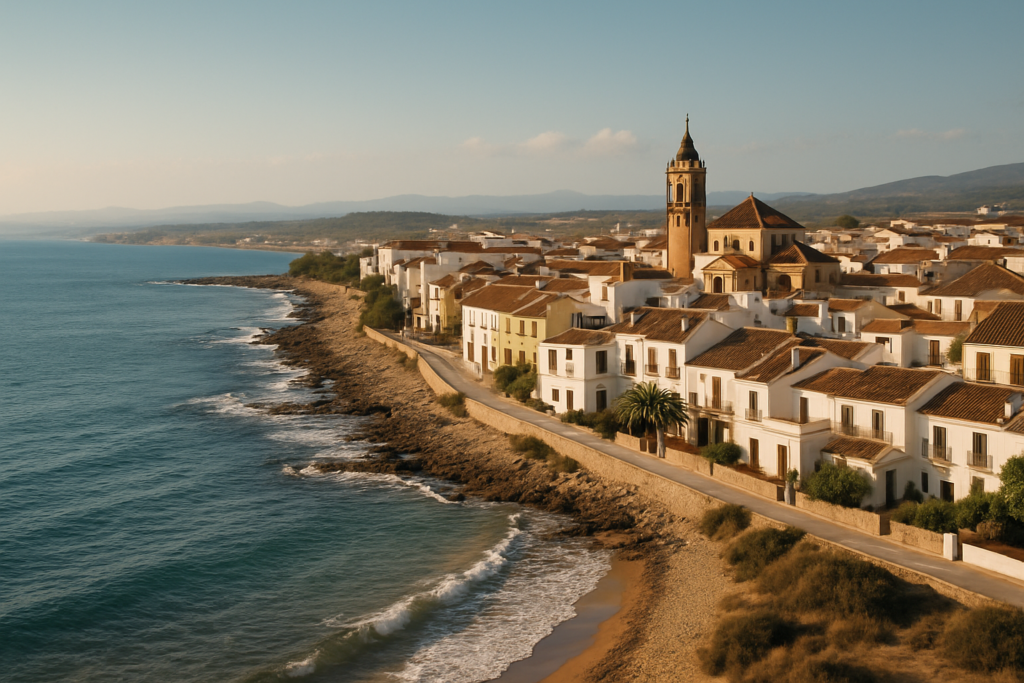
Los Barrios at a glance
- Gateway town for Parque Natural de Los Alcornocales, one of Europe’s largest cork-oak forests.
- Close to the Bay of Algeciras, the Strait of Gibraltar and ports such as Algeciras and Tarifa.
- Key natural attractions: Río Palmones estuary (Marismas del Río Palmones), Ojén valley and the park’s rugged canutos.
- Local cuisine leans on retinto beef, game and hearty country dishes from dehesa pastures.
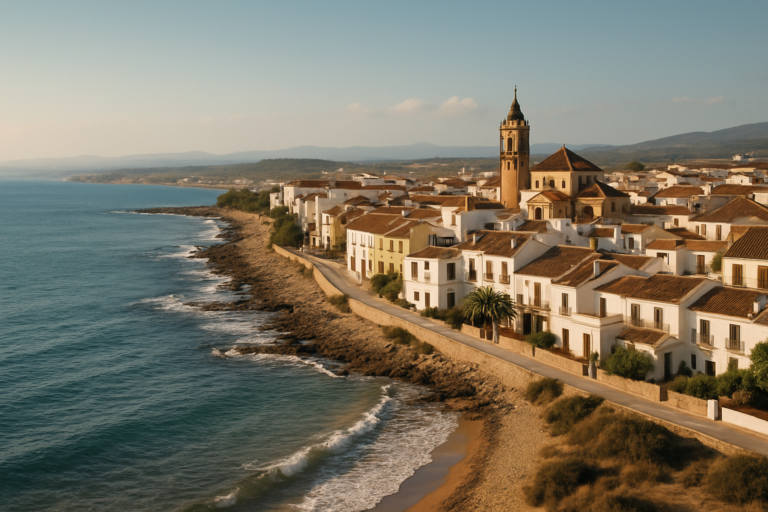
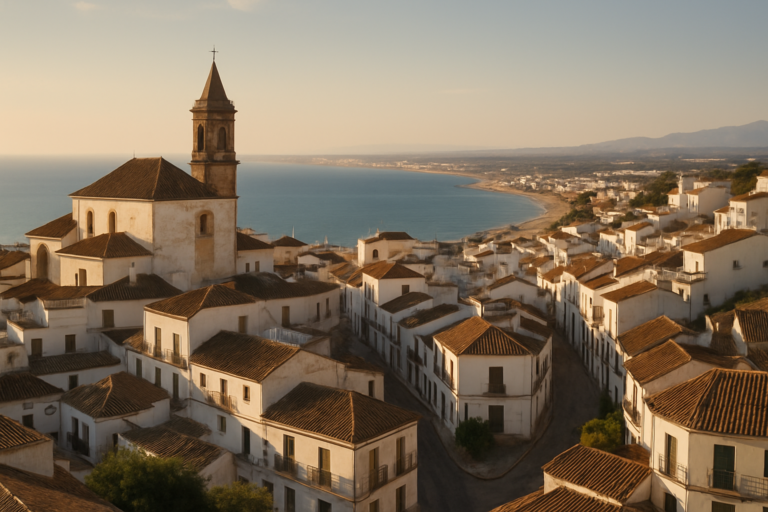
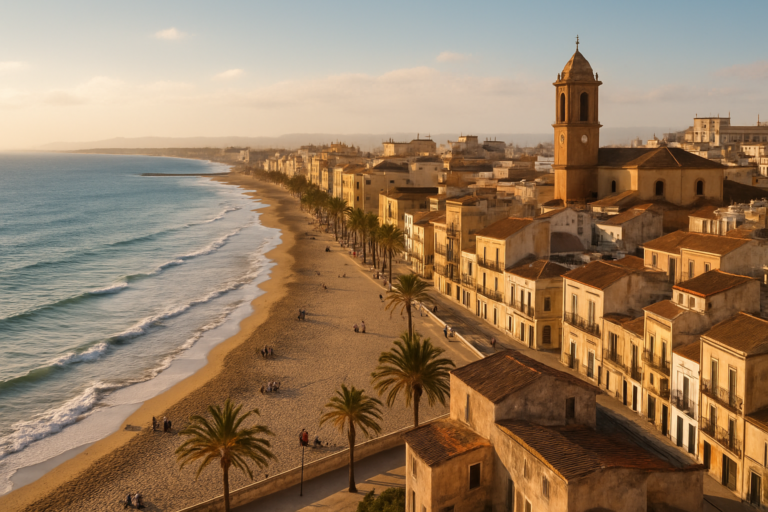
- Whitewashed Andalusian historic centre with an 18th‑century parish church — compact and walkable.
- Strong birdwatching potential: herons, flamingos and migrating waterbirds show up on the estuary mudflats.
Things to do in Los Barrios
Most visitors come for nature rather than nightlife. Use the town as a base for hiking, birdwatching and short drives to the Strait; combine a morning in cork-oak forest with an afternoon watching estuary birds or exploring the whitewashed streets. Below is a quick comparison of the top outdoor and cultural draws so you can pick the right mix for your stay.
| Attraction | What it is | Price/entry | Best for |
|---|---|---|---|
| Parque Natural de Los Alcornocales | Extensive cork-oak forest with deep wooded ravines (canutos) | – | Hiking, forest ecology, quiet nature |
| Paraje Natural Marismas del Río Palmones | Estuary and marshland important for waders and waterbirds | – | Birdwatching, short walks, photography |
| Ojén valley | Valley with trails, river pools and woodland | – | Hiking, river dip, family outings |
| Town centre and 18th‑century parish church | Whitewashed streets and a compact historic core | – | Strolling, local tapas, cultural context |
Los Alcornocales — cork forest trails and canutos
The neighbouring park is the single biggest natural reason to stay. Its cork-oak pastures give a distinctive landscape: low, gnarled trees, scattered livestock on dehesa land and a patchwork of woodland. The park’s deep ravines — locally called canutos — shelter rare relict laurel-forest plants. Expect shaded tracks, sudden drops into wooded gullies and a very different microclimate compared with the surrounding plains. Trails range from gentle walks to more demanding routes into remote valleys; choose based on fitness and daylight.
Estuary birding at Río Palmones
The Río Palmones estuary forms the Paraje Natural Marismas del Río Palmones, an important wetland where mudflats and marshes attract herons, flamingos and migrating waterbirds. Bring binoculars: tides and seasons influence what you see, and a pair of field guides or an app helps identify the diversity that gathers along the mud and reed beds. Short hides and quiet tracks make half-day visits rewarding without a long trek.
Ojén valley and river pools
The Ojén valley offers pleasant, often shady trails with the bonus of river pools on warmer days. These are good options for a family-friendly outing or a cooling stop after a morning of walking. The valley’s mix of woodland and water contrasts with the open cork pastures and complements the estuary birding if you want a varied nature-focused itinerary.
Best beaches in the area
Los Barrios is not a beach resort itself; however, its position close to the Bay of Algeciras and the Strait gives access to nearby coastal strips and headlands. If your trip combines forest and shore, plan day trips to neighbouring coastal towns rather than expecting long beaches inside the town boundaries.
Los Barrios with kids
This is a family-friendly region if your family enjoys outdoor adventure more than amusement-park attractions. Short, easy trails in the Ojén valley and estuary boardwalks work well with children; river pools provide natural paddling spots where conditions are safe. The town centre is compact enough for a relaxed walk between meals. Keep itineraries flexible — kids respond better to a mix of short nature sessions and downtime rather than long drives.
How to get to Los Barrios and get around
Arrive by road: the town’s strategic location near Algeciras and Tarifa makes it convenient for combining trips to the Strait of Gibraltar and the Campo de Gibraltar coastline. Once here, a car makes accessing dispersed natural sites far more practical; public transport options exist regionally but are less flexible for reaching forest trails and estuaries. Walking covers the whitewashed centre easily; plan drives for park entrances, estuary hides and coastal excursions.
Where to stay in the town
Accommodation clusters are modest but varied. Choose based on how you want to split your time:
- Historic centre — best for short stays, evening tapas and walking to the parish church; compact and convenient.
- Outskirts near the park — suits hikers and those wanting early starts for Los Alcornocales; expect quieter lodging and closer access to trails.
- Near the Bay side — practical if you want quick drives to coastal towns and boat/whale-watching departures; convenient for combining beach and nature days.
Best time to visit
The natural highlights — bird migration on the estuary and comfortable hiking in the cork forests — influence the ideal seasons for visiting. Spring and autumn offer strong bird movement and mild conditions for walking; high summer can be hot for lengthy inland hikes, so early starts and shaded routes are advisable. A winter visit still provides access to the park and estuary, though birding patterns and weather are different than in migration seasons.
| Season | Months | What to expect |
|---|---|---|
| Spring | March–May | Peak for migrating waterbirds and comfortable hiking weather |
| Summer | June–August | Hotter inland; best for morning hikes and evening strolls in town |
| Autumn | September–November | Another strong period for bird migration and pleasant walking conditions |
History of the town
The town has a traditional Andalusian core of whitewashed streets centred around an 18th‑century parish church. This historic nucleus gives context to the surrounding agricultural landscape of dehesa pastures where retinto cattle graze — a link between local gastronomy and the land. The town’s history is interwoven with rural livelihoods and its strategic coastal position near the Strait, shaping its role as a regional connector rather than a standalone resort.
Practical info
- Parking: Expect street parking in the historic centre and easier parking on the town fringes; use peripheral lots or hotel parking if available when staying overnight.
- Costs: Dining tends toward hearty local dishes based on retinto beef, game and rural produce; no blanket pricing levels are provided here, but local taverns focus on regional fare rather than tourist-priced dining.
- Accessibility: The historic centre is walkable but may have uneven pavements typical of older Andalusian towns; forest tracks vary in difficulty and surface — check trail descriptions before choosing routes for mobility-impaired visitors.
- Connectivity: The town is a practical base for the Campo de Gibraltar and for boat departures in the Bay/Strait area; expect to drive or use regional transport to reach coastal departure points and park trailheads.
Worth it for: visitors who prioritise cork-forest hiking, birdwatching on estuary mudflats and a quiet Andalusian town base with easy access to the Strait of Gibraltar. Less so if: you want a classic sun-and-sand resort vibe or concentrated seaside nightlife inside the town itself.
How we assess this guide
This guide compiles verified local and natural-history claims: the town’s role as a gateway to Los Alcornocales, the significance of the Río Palmones estuary for waterbirds, and local agricultural ties such as retinto cattle on dehesa. We cross-checked those claims against regional sources and flagged any notable closures or changes when present. We do not rely on a single anecdote and avoid first-hand assertions that we cannot verify; sources are regional and ecological records rather than personal reporting.
Nearby on the Costa de la Luz
Towns near Los Barrios
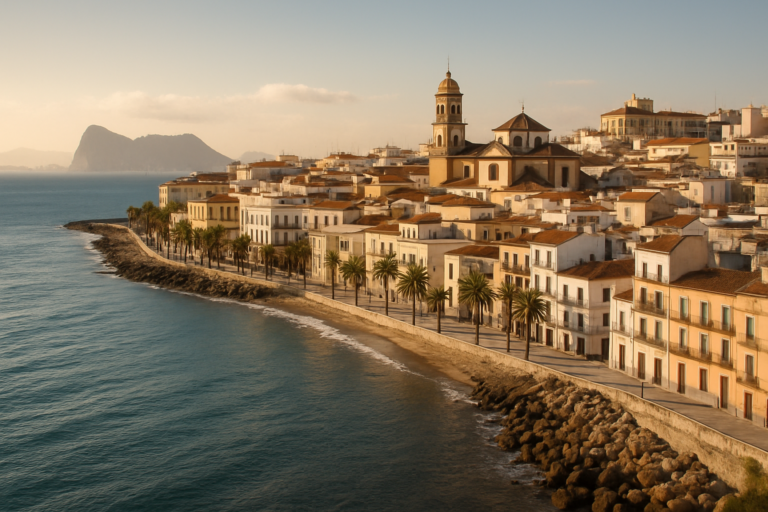
- Algeciras — 7 km south-east, the historic Plaza Alta, Getares beach, Strait of Gibraltar views
- San Roque — 10 km east, a Campo de Gibraltar town founded by Gibraltar exiles
- Manilva — 31 km north-east, a western Costa del Sol town with the Puerto de
- Casares — 35 km north-east
- Barbate — 38 km west, an Atlantic tuna port
- Estepona — 41 km north-east
For the wider picture, see the Costa de la Luz guide, which lists every town on this coast.
Frequently asked questions
How far is the town from the nearest big port or ferry?
The town lies close to the Bay of Algeciras and regional ports such as Algeciras; its proximity makes the town a convenient base for accessing port services and crossings across the Strait.
Is Los Barrios expensive to visit?
Overall, it leans toward modest regional pricing typical of inland Andalusian towns, with local taverns serving retinto beef and country dishes rather than high-end tourist menus. Costs will depend on accommodation choices and excursions to coastal activities or guided wildlife tours.
Which place nearby has the best beach options?
The town itself is not a beach resort but sits close to the Bay of Algeciras and the Strait, so nearby coastal towns and headlands provide beach access. Plan short drives to the coast for a traditional beach day.
How many days should I spend here?
Two to four days is a practical minimum: one full day for Los Alcornocales and its trails, half a day for estuary birding, plus time to explore the town and a coastal excursion. Add days if you plan multi-day hikes or extended wildlife watching.
Is it a good destination for families?
Yes, for families interested in outdoor activities. The Ojén valley river pools and short estuary walks are suitable for children, while the town centre provides relaxed evening options. Families that expect theme parks or concentrated beach entertainment may prefer a different base.
Can I get around without a car?
Walking covers the historic centre. However, to reach remote trailheads, estuary hides and coastal departure points you’ll find a car much more practical. Regional buses and transport links exist but are less flexible for dispersed natural sites.
Is parking difficult in the town?
Parking is generally easier on the outskirts; the historic core has limited street parking typical of older towns. Choose accommodation with parking if you plan to drive daily to nature sites.
What are rainy-day options?
On wet days the town’s compact centre and local taverns offer indoor options; otherwise, schedule more time for museum or cultural visits in nearby larger towns on rainy afternoons. Many outdoor trails become less pleasant in persistent rain, so plan alternative sheltered activities.
When is the best time for birdwatching?
Spring and autumn are strong seasons for migrating waterbirds on the estuary; the mudflats and marshes regularly attract herons, flamingos and a variety of waders during migration windows.
Are there guided nature walks or birdwatching tours?
The region’s natural significance — cork-forest and estuary wetlands — supports guided options, particularly around the park and marshes. If you want expert-led outings, look for local naturalist groups and regional tour operators in the Campo de Gibraltar area.
What local dishes should I try?
Focus on retinto beef and country-style game dishes, reflecting the dehesa pastures and rural culinary traditions of the surrounding countryside.
Is it easy to combine this area with Tarifa and Cádiz?
Yes. The town’s position near Tarifa and Algeciras makes it a convenient stop when exploring the broader Campo de Gibraltar and the Costa de la Luz, allowing day trips to coastal highlights and the Strait.
Are there protected natural sites I should be aware of?
Yes: Parque Natural de Los Alcornocales and the Paraje Natural Marismas del Río Palmones are protected areas. Respect marked trails and birdwatching hides, and follow local guidance to minimise disturbance to wildlife.
Can I expect to see flamingos at the estuary?
Flamingos are among the waterbird species recorded on the estuary’s mudflats and marshes; sightings depend on season and tidal conditions, but they are part of the area’s regular birdlife.
Is the cork-oak landscape accessible for casual walks?
Yes — many trails and forest tracks offer easy to moderate walking options through cork-oak pastures. Some routes enter more rugged canutos that require better footing, so choose trails to match your comfort level.
Plan the wider trip
- Costa de la Luz guide
- Bollullos Par del Condado: Wine Capital of the Condado de Huelva
- La Línea de la Concepción
- Olvera: White Village and Sierra Greenway
- Tarifa
- Cádiz
Los Barrios on the map
Places worth knowing near Los Barrios
How this page is maintained. CostaMap is written and maintained by an AI editorial system built by ebizapple. Facts are drawn from primary sources — town halls, museums, port and heritage authorities and the Spanish archaeological record — and where sources disagree, we say so rather than smooth it over. Photographs marked as ours are taken on location. This page was last reviewed on 15 August 2026. Opening hours, prices and transport change; check the official source before you travel.