
Expect a sunny, seaside Spanish town whose main draws are straightforward: long beaches, a modern marina, a lively port filled with restaurants and a market, and a surprising historical depth that stretches back to prehistoric times. This guide focuses on what most visitors actually experience — the reliable climate, the coastal layout, and the parts of town that matter for eating, swimming and short stays — so you won’t set unreasonable expectations.
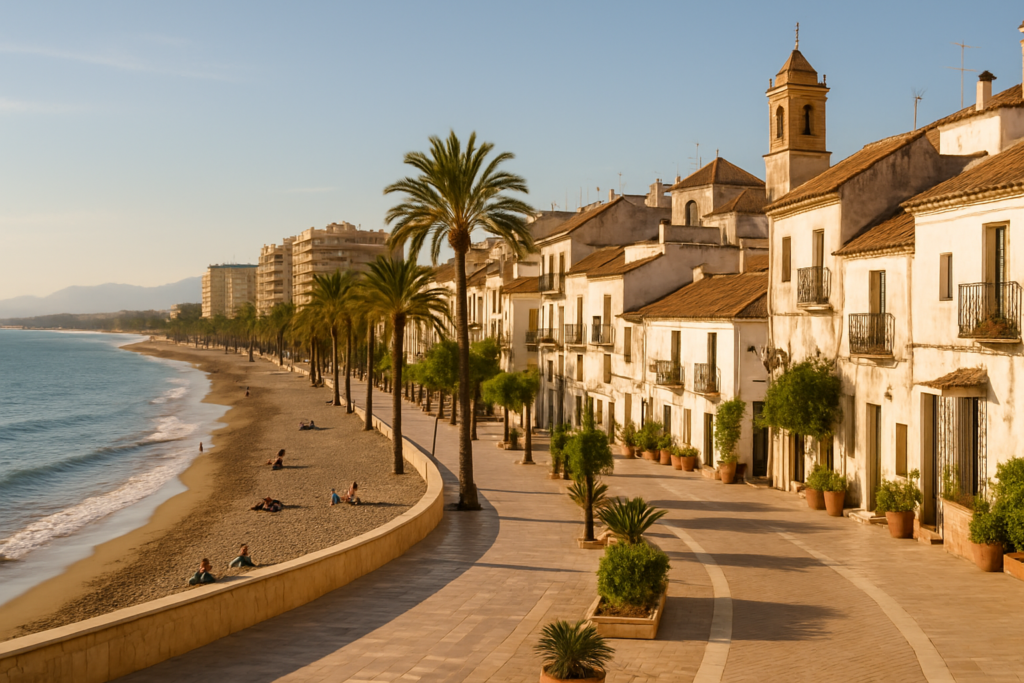
Estepona at a glance
- Coastal town on the Costa del Sol in Málaga province, Andalusia.
- Approximately 21 km of beaches along the municipality’s coastline.
- Two EC Blue Flag beaches and a modern sports marina (Estepona Port and Marina).
- Nearest international airport: Gibraltar Airport, 45 km away.
- Micro-climate with over 325 days of sunshine per year.
- Longstanding property market noted for stability and high values, attracting international buyers.
- Rich history from prehistoric finds through medieval battles and royal charters.
Things to do in the town
The draws are compact and easy to plan: beach time along many kilometres of sand, eating and drinking around the marina and port, and low-key historical sightseeing. If you prioritise outdoor sun and good food with some local history on the side, you’ll be satisfied.
| Attraction | What it is | Price/entry | Best for |
|---|---|---|---|
| Estepona Port and Marina | Modern sports marina with many restaurants and bars; hosts a popular street market | – | Eating out, evening strolls, market browsing |
| Beaches | Some 21 km of coastline with two EC Blue Flag beaches among them | – | Sunbathing, family swims |
| Prehistoric sites and archaeology | Area with stone‑age tools, dolmens and Roman-era remains affected by a historic seaquake | – | History buffs, archaeology interest |
The marina and port
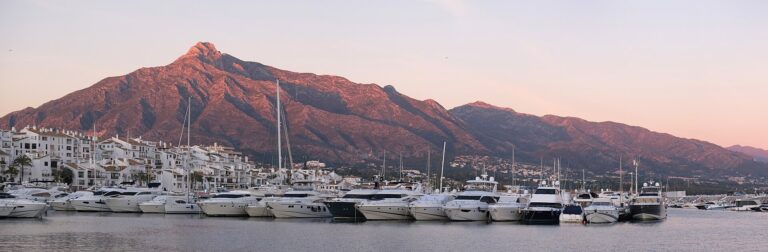
The modern sports marina is a focal point for dining and evening life. Around the port you’ll find many restaurants and bars and a street market that regularly draws locals and visitors. The marina area is useful for easy meals and for evenings when you want a lively waterfront atmosphere without long walks.
Beaches: long coastline, two Blue Flags
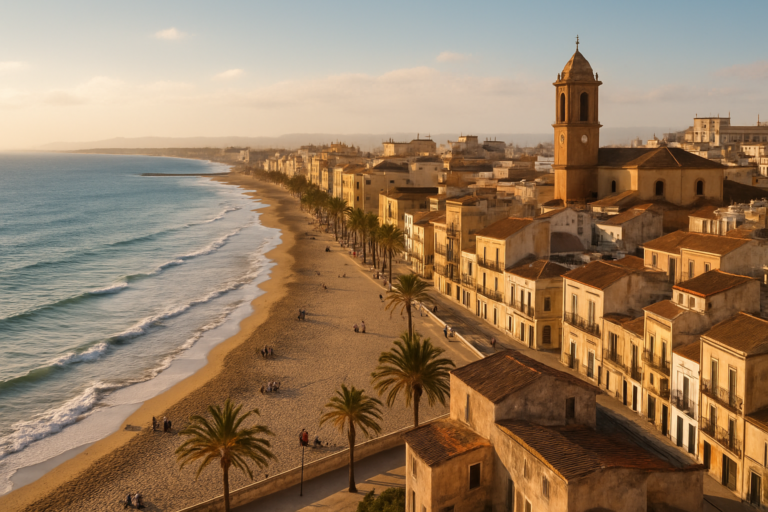
The municipality’s coastline stretches roughly 21 kilometres, giving space to both busy and quieter stretches. Two beaches carry EC Blue Flag status, signalling higher environmental and facility standards at those specific sites; other stretches remain simpler but still sun-friendly thanks to the local micro-climate.
History in brief
The area has been occupied since prehistoric times — archaeologists have found stone‑age tools and dolmens. A Roman settlement near the coast was reportedly damaged by a seaquake in the 4th century. Medieval history is also notable: the Battle of Estepona took place in the Bay in 1342, and Henry IV of Castile captured the town from the Moors in 1457. In the 18th century Philip V granted the town its own charter in 1729. In a modern twist, the Walt Disney Company considered this area as the site for Eurodisney in the early 1990s.
Best beaches in the area
The shoreline here is long rather than concentrated into a single standout bay. Expect a mix of urban and semi-urban beaches with a couple of formally recognised Blue Flag stretches among them.
| Beach | Character | Facilities / Blue Flag |
|---|---|---|
| Town beaches (general) | Urban and accessible stretches along the resort front | Various facilities at main beaches; two beaches hold EC Blue Flag status |
| Coastal stretches | Longer, continuous coastline that includes quieter pockets | – |
Estepona with kids
Families will find the basics covered: sunny weather for most of the year, broad beaches for paddling, and an easy evening scene around the marina with many casual dining options. The marina’s market and the relaxed waterfront are low‑stress places for children to wander with supervision. If you want quieter time, head further along the coastline where crowds thin out.
How to get to the resort and get around
The nearest international airport identified in regional sources is Gibraltar Airport, 45 km from the town. Most visitors arrive by car from nearby airports or as part of road journeys along the Costa del Sol; driving gives the most flexibility for reaching beaches and mountain viewpoints nearby.
| From | By | Approx time |
|---|---|---|
| Gibraltar Airport | By car | – (45 km distance) |
Where to stay
Accommodation clusters are straightforward: choose proximity to what matters for your trip.
- Marina and port area — best for evening dining, market access and a lively waterfront setting.
- Coastal front — suits beach-focused travellers who want quick access to the sand and sea.
- Near the old town or town centre — handy for strolling through streets and accessing restaurants and local shops.
Best time to visit
The local micro-climate offers an exceptional number of sunny days — sources cite over 325 days of sunshine per year — so the town works well outside the narrow high-season windows that worry travellers elsewhere on the coast. If you prefer reliable sun and fewer rain interruptions, the area’s climate is a strong point.
History of the town
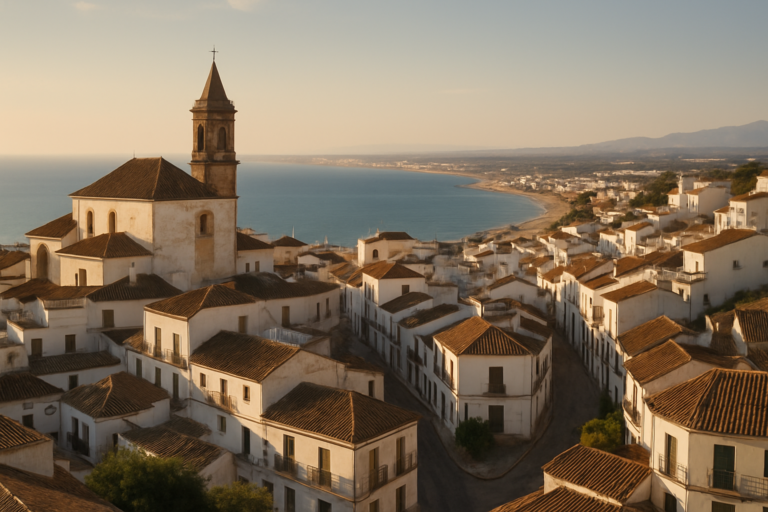
The area’s human story is long: stone‑age tools and dolmens indicate prehistoric settlement, and a Roman-era coastal presence was dramatically affected by a seaquake in the 4th century. The medieval era brought naval and land conflict — notably the Battle of Estepona in 1342 in the Bay — and in 1457 Henry IV of Castile seized the settlement from Moorish rule. The town later received a formal charter from Philip V in 1729, and centuries later it even attracted multinational attention when the Walt Disney Company considered the location for Eurodisney in the early 1990s. The place name likely derives from the Moorish Astabbuna or Al-extebunna, reflecting that layered past.
Practical info
- Beaches and marina: expect mixtures of urban facilities and simpler stretches; two beaches have EC Blue Flag status indicating a higher level of services and environmental standards at those sites.
- Sun and climate: the micro-climate yields very high sunshine — over 325 days per year — which reduces weather-related travel risk for most months.
- Property and costs: the local property market is notable for stability and high values and attracts international buyers; this is relevant if you’re comparing accommodation or housing costs with neighbouring towns.
- Access: Gibraltar Airport is cited as the nearest international airport at 45 km; driving is commonly used to move along the coast and to nearby mountain areas.
Worth it for: travellers who want long, sunny beaches, an easy waterfront dining scene with a market, and a town with layered history and low‑key appeal. Less so if: you need a single spectacular landmark or a dense cultural programme — the appeal here is coastal ambience rather than concentrated, headline attractions.
How we assess this guide
This guide collates verified historical, geographic and travel-related facts from regional sources. We cross-checked items such as beach status, marina descriptions, climate claims and historic events. We also flag clearly when a site is closed or has materially changed; no such closures are reported in the source material used here. This is not field reporting — it’s a synthesis of verified claims intended to set accurate visitor expectations.
Nearby on the Costa del Sol
Towns near Estepona
- Manilva — 10 km south-west, a western Costa del Sol town with the Puerto de
- Casares — 11 km west
- Marbella — 26 km east, Marbella on the Costa del Sol pairs a pretty old
- San Roque — 32 km south-west, a Campo de Gibraltar town founded by Gibraltar exiles
- Ubrique — 39 km north-west, the leather-making pueblo blanco of the Sierra de Cádiz between
- Los Barrios — 41 km south-west, gateway to the Los Alcornocales cork forest and Palmones estuary
Places to visit within reach
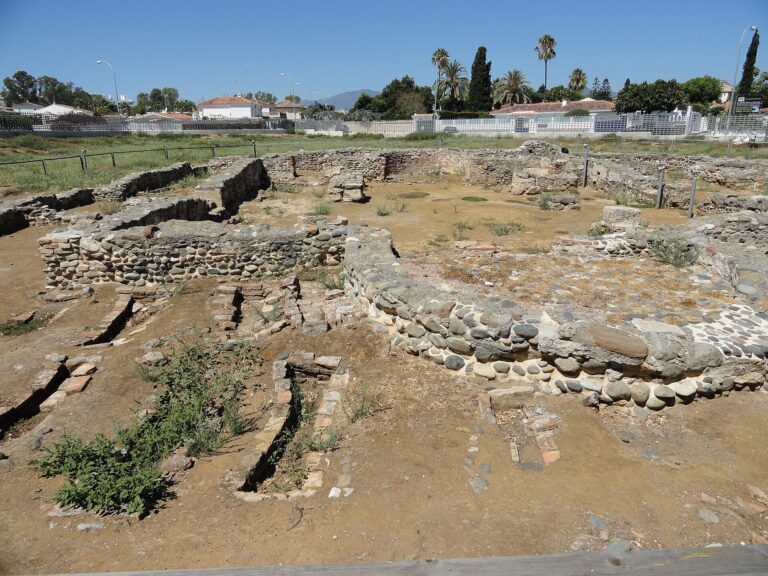
- Basílica de Vega del Mar — 15 km, Specialists still disagree on whether this basilica had one apse
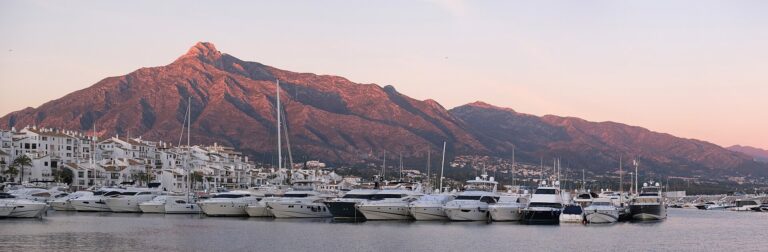
- Puerto Banús — 19 km, Puerto Banús was meant to be high-rise blocks
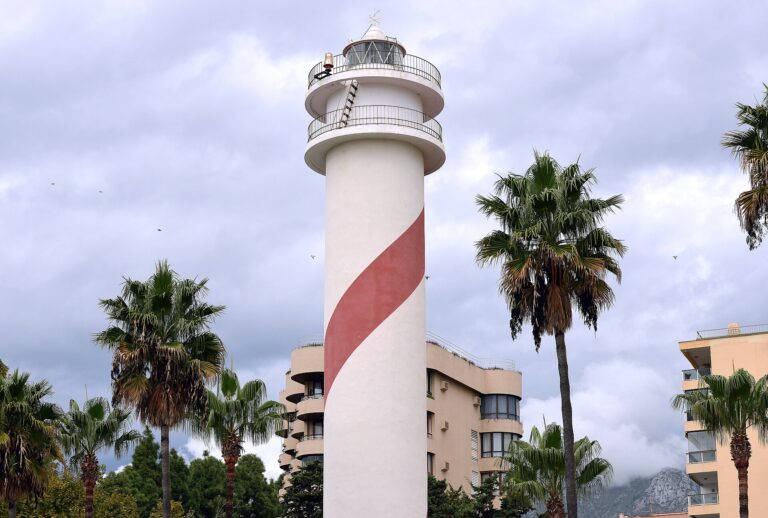
- Marbella Lighthouse — 25 km, A light has burned at Marbella since
- Sierra Blanca — 27 km, La Concha shields Marbella and creates its microclimate
For the wider picture, see the Costa del Sol guide, which lists every town on this coast.
Frequently asked questions
How do I get to the nearest international airport?
The nearest international airport identified in regional sources is Gibraltar Airport; it is 45 km from the town. Travellers typically reach the area by car from nearby airports or by road connections along the Costa del Sol.
Is it expensive to stay and eat here?
The local property market is recognised for being stable and high-value, attracting international buyers; that can translate into comparatively higher accommodation costs in sought-after parts of town, though dining around the marina and port includes a range of options.
Which beach is the best?
There isn’t a single definitive “best” beach: the coastline stretches roughly 21 km and includes both urban, easily accessed beaches and quieter coastal stretches. Two beaches carry EC Blue Flag status, which marks them out for better facilities and standards.
How many days should I spend here?
Because the main attractions are beaches, the marina and the historic ambience, many visitors find a long weekend or a few days enough to relax, eat well and see key sites without rushing.
Is the town good for families with children?
Yes. The long beaches and the calm waterfront around the marina make it family-friendly. The market and casual restaurants provide low‑stress options for meals and short outings with children.
Can I get around without a car?
Yes for local exploring: the marina, port and town centre are walkable. For exploring the longer coastline or nearby mountain areas, a car provides the most flexibility.
Is parking a problem?
Parking availability varies by location; the marina and central beach stretches are busy at peak times, so plan accordingly if you travel by car.
What are good rainy-day options?
On cooler or rainy days, the town’s restaurants, tapas bars and indoor market stalls around the port provide places to shelter and sample local food; there is also a small but layered local history to explore in town.
When is the best time of year to visit?
The micro-climate gives over 325 days of sunshine per year, so the town is a good option for much of the year if you prioritise sunny weather and outdoor time.
Are there any notable historical events to know about?
Yes. The Battle of Estepona occurred in 1342 in the bay; Henry IV captured the town from the Moors in 1457; and Philip V granted it a town charter in 1729. Excavations and finds show prehistoric occupation and a Roman settlement impacted by a seaquake in the 4th century.
Is the marina worth visiting in the evening?
Yes. The marina and port host many restaurants and bars and a popular street market, making the waterfront a pleasant spot for evening walks and meals.
Was the town really considered for Eurodisney?
Regional records indicate that in the early 1990s the Walt Disney Company considered the area as a potential site for Eurodisney, which is an interesting footnote in its modern history.
What does the name mean?
The town’s name likely derives from the Moorish Astabbuna or Al-extebunna, reflecting the area’s Arabic-influenced past.
How long is the coastline?
The municipality’s coastline runs for approximately 21 km, offering a variety of beach and coastal experiences rather than a single compact bay.
Are there Blue Flag beaches?
Yes — two beaches in the municipality hold EC Blue Flag status, indicating higher environmental, safety and facility standards at those sites.
Plan the wider trip
Estepona on the map
Places worth knowing near Estepona
How this page is maintained. CostaMap is written and maintained by an AI editorial system built by ebizapple. Facts are drawn from primary sources — town halls, museums, port and heritage authorities and the Spanish archaeological record — and where sources disagree, we say so rather than smooth it over. Photographs marked as ours are taken on location. This page was last reviewed on 11 August 2026. Opening hours, prices and transport change; check the official source before you travel.