
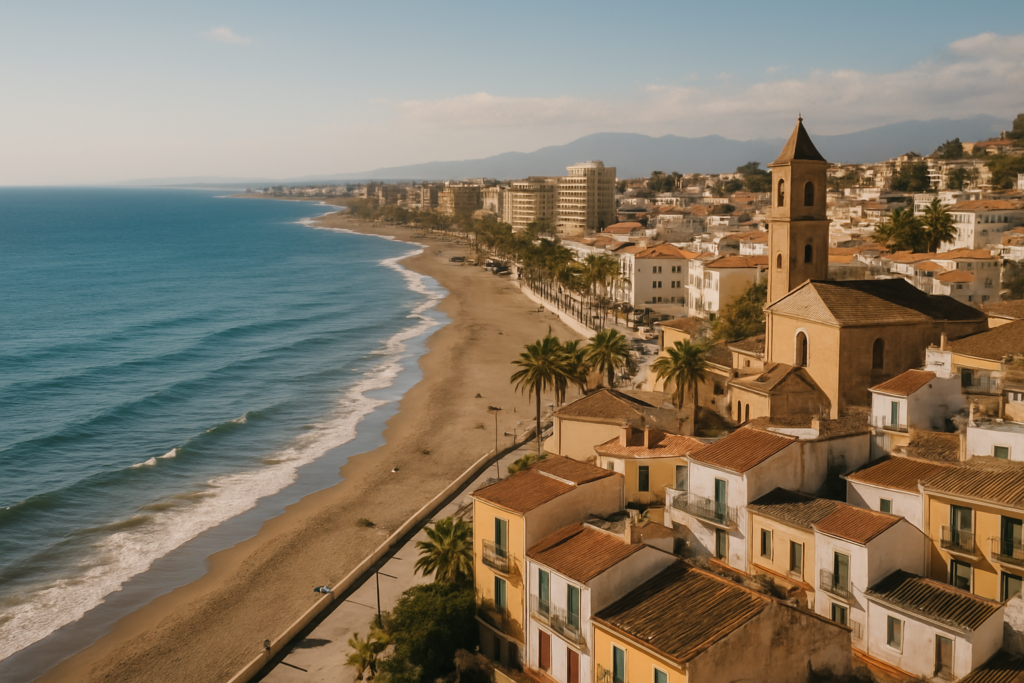
Expect a busy, beach-first Spanish resort where the town’s modern tourist infrastructure and lively nightlife sit on top of a long coastal sweep. Torremolinos isn’t a sleepy white-village picture of Andalucía — it’s a popular, often crowded Costa del Sol destination whose strengths are easy access, plentiful hotels and a famously open, LGBT-friendly scene. Read this guide to avoid the usual pitfalls — overcrowding in high season, a very tourism-oriented town centre — and to pick the corners that still feel local: the seafood-focused La Carihuela, the pedestrianised shopping street, and the long stretch of sand with cycle lanes for escaping the crowds.
Torremolinos at a glance
- Long sandy coastline extending nearly eight kilometres with cycle and skating lanes along the shore.
- Excellent rail links: Cercanías commuter trains connect to Málaga and Málaga Airport; trains run frequently.
- A well-upgraded hospitality sector with high hotel occupancy and record tourist spend in 2023.
- A strong LGBT scene centred on the Nogalera complex and a history as a gay-friendly resort since the 1950s.
- La Carihuela district popular for Andalucian seafood restaurants right next to the beach.
- Key annual events: Pride in June and the week-long Feria de San Miguel ending on September 29.
- Family-friendly attractions include Spain’s largest Costa del Sol waterpark, Aqualand.
Things to do in Torremolinos
Torremolinos is built around sun and sand, but it also offers pedestrian shopping, nightlife, festival culture and a handful of attractions that keep people here beyond a single beach day. Below is a compact comparison of the main draws to help you decide what to prioritise.
| Attraction | What it is | Price/entry | Best for |
|---|---|---|---|
| La Carihuela | Seafront district renowned for Andalucian seafood restaurants | – | Seafood dining, evening strolls |
| Calle San Miguel | Pedestrian shopping street with shops and plazas | – | Shopping, daytime people-watching |
| Aqualand | Large water park on the Costa del Sol | – | Families, hot-day relief |
| Nogalera district | Centre of the town’s gay nightlife and bars | – | LGBT nightlife |
| Beaches (general) | Nearly 8 km of sandy coastline with cycle/skating lanes | – | Beach days, long walks, cycling |
La Carihuela: best for seafood and a beachside neighbourhood vibe
La Carihuela sits parallel to one of Torremolinos’s best beaches and keeps a distinct identity from the more commercial town centre. Expect narrow streets, seafood menus specialising in fried fish and grilled sardines, and a relaxed evening atmosphere where locals and visitors mingle. It’s the most consistent place to find Andalucian coastal dishes in a setting that still feels like a neighbourhood rather than a hotel strip.
Calle San Miguel and Plaza Costa del Sol: shopping and daytime bustle
The pedestrianised Calle San Miguel is the main tourist shopping drag, spilling into Plaza Costa del Sol. If you want shops, cafés and the familiar rhythm of a Spanish resort town — gelato stands, souvenir shops, and midday crowds — this is where to go. It’s practical for shopping and for picking a café terrace to sort maps, bus times and plans.
Nogalera and the LGBT scene
The Nogalera complex functions as the hub of gay life in Torremolinos. The town has a long history as an LGBT-friendly destination, and nightlife here reflects that legacy: bars and clubs cluster around Nogalera, and the calendar includes a major Pride parade in June and other events that attract an international crowd.
Family fun: Aqualand and beachfront activities
Aqualand is the largest water park on the Costa del Sol and the most obvious wet-weather or scorchingly hot-day option for families. The coastline’s long, sandy beaches and dedicated cycle/skating lanes also give families space to spread out and find quieter stretches away from the busiest hotel fronts.
Best beaches in Torremolinos
Beach choice in Torremolinos is largely about location along the long shoreline rather than radically different sand types. Some stretches are backed by promenades and restaurants; others are more open and quieter. The coastal path with cycle lanes makes it easy to move between areas on foot or by bike.
| Beach | Character | Facilities / notes |
|---|---|---|
| La Carihuela beach | Seafront adjacent to the La Carihuela district, lively | Restaurants on the promenade; good for evening meals after the beach |
| Los Álamos (eastern end) | Popular beach area that hosts live music events in summer | Summer live music; tends to attract a younger crowd |
Torremolinos with kids
Families come for easy beaches, Aqualand and straightforward transport links from Málaga and the airport. The long coastline with cycle lanes is a practical asset for families who want to rent bikes or take long, traffic-free walks with pushchairs.
- Aqualand is the biggest purpose-built waterpark on the Costa del Sol and the clear family highlight when kids need a break from the sand.
- Beaches are sandy and stretch wide, giving families room to set up away from the promenade and bar areas.
- Summer events and occasional live-music nights at Los Álamos add family-friendly entertainment without driving out of town.
How to get to Torremolinos and get around
Torremolinos’s transport selling points are its proximity to Málaga and the airport and its commuter-rail connectivity. The Cercanías line makes the town a short, direct hop from Málaga city and gives straightforward access to Málaga Airport.
| From | By | Approx time |
|---|---|---|
| Málaga Airport | Cercanías commuter train | About 10 minutes by train |
| Málaga city | Cercanías commuter train | – |
Within the town, short distances make walking practical for most visitors; Calle San Miguel and the promenade are pedestrian-friendly. The rail network includes five wheelchair-accessible stations in Torremolinos, and commuter trains run approximately every 20 minutes — useful details for visitors planning arrivals and day trips.
Where to stay in Torremolinos
Choose your base according to priorities: beach proximity, nightlife or quieter local flavour.
- La Carihuela — Ideal if you want seafood restaurants and direct beach access in a district with a slightly more local feel.
- Central Torremolinos (around Calle San Miguel / Plaza Costa del Sol) — Best for shoppers and people who want to be in the middle of cafés, shops and transit connections.
- Nogalera area — Suited to visitors prioritising LGBT nightlife and an active evening scene.
Best time to visit Torremolinos
The town enjoys a subtropical Mediterranean climate: dry summers and mild winters. Timing your trip depends on whether you prefer peak social life and events or quieter, cooler months.
| Season | Months | What to expect |
|---|---|---|
| High season / Event season | June–September | Pride parade in June and Feria de San Miguel in late September; beaches and nightlife at their busiest. |
| Shoulder season | April–May, October | Milder weather, fewer crowds, easier hotel availability while still pleasant for beach walks and dining out. |
| Low season | November–March | Mild winters; quieter town and lower hotel demand, though many tourist services remain operational. |
History of Torremolinos
Archaeological finds show settlement here as far back as the Neolithic Age. For most of the 19th and early 20th centuries the area remained a modest fishing village, until the late 1950s when tourism exploded. This postwar boom transformed the town: luxury hospitality arrived (the Hotel Pez Espada opened in 1959), international jet-setters such as Frank Sinatra made Torremolinos fashionable, and the town gradually built the seaside infrastructure that underpins today’s resort economy. By the 1960s it had also begun its long relationship with LGBT tourism, including Toni’s Bar opening in 1962 as an early gay venue.
Practical info
- Transport: Torremolinos is on the western shore of Málaga Bay and is served by Cercanías trains that connect quickly to Málaga city and Málaga Airport; expect frequent services.
- Accessibility: Five railway stations in town are wheelchair accessible, which improves rail access for visitors with reduced mobility.
- Seasonal population surge: The local population can swell in peak season to as much as 250,000, so expect crowded beaches and busy services in summer.
- Accommodation market: The town has an upgraded hospitality infrastructure and high hotel occupancy; 2023 saw record hotel occupancy and tourist spend, often driven by major events like Pride.
- Nightlife and safety: Torremolinos has a vibrant nightlife scene and a reputation as a safe tourist destination; its LGBT-friendly atmosphere is a long-established feature.
Worth it for: reliable beach access, short transfers from Málaga Airport, LGBT-friendly nightlife, and plentiful hotels. Less so if: you want an unspoilt, traditional white-village Andalusian experience — Torremolinos is a busy resort focused on tourism rather than rustic authenticity.
How we assess this guide
This guide is compiled from verified records and cross-checked municipal and tourism sources. We prioritise facts that affect your visit — transport links, event dates, accessibility, and which areas offer particular experiences. We flag closures or major changes when verified; where details (prices, opening hours) were not provided by our verified sources we have omitted them rather than guessing.
Nearby on the Costa del Sol
Towns within reach
- Benalmádena — beaches, Puerto Marina, the Calamorro cable car and family attractions, with honest (6 km)
- Alhaurin de la Torre — a Costa del Sol town below the Sierra de Mijas (7 km)
- Fuengirola — on the Costa del Sol is a family-friendly beach base (14 km)
- Cártama — a hilltop Roman-Moorish castle (15 km)
- Alhaurín el Grande — a whitewashed Costa del Sol town in the Guadalhorce valley (16 km)
Things to see close by
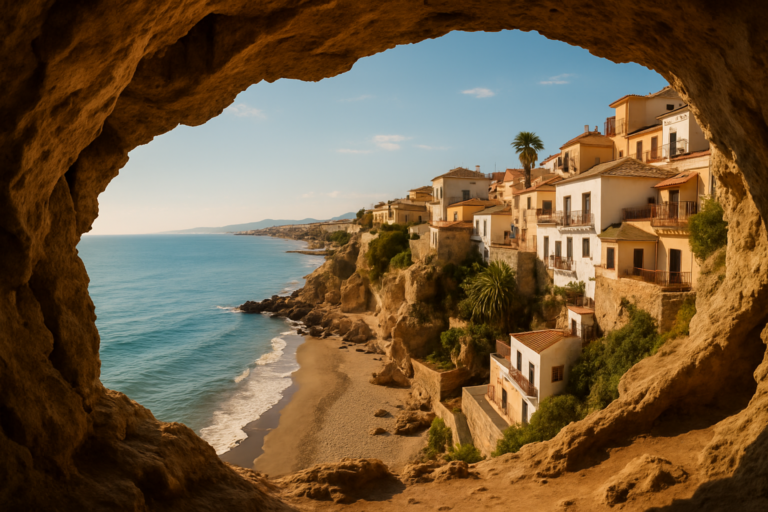
- Bajondillo Cave — A cave under Torremolinos moved the arrival of modern humans in Western (0 km)
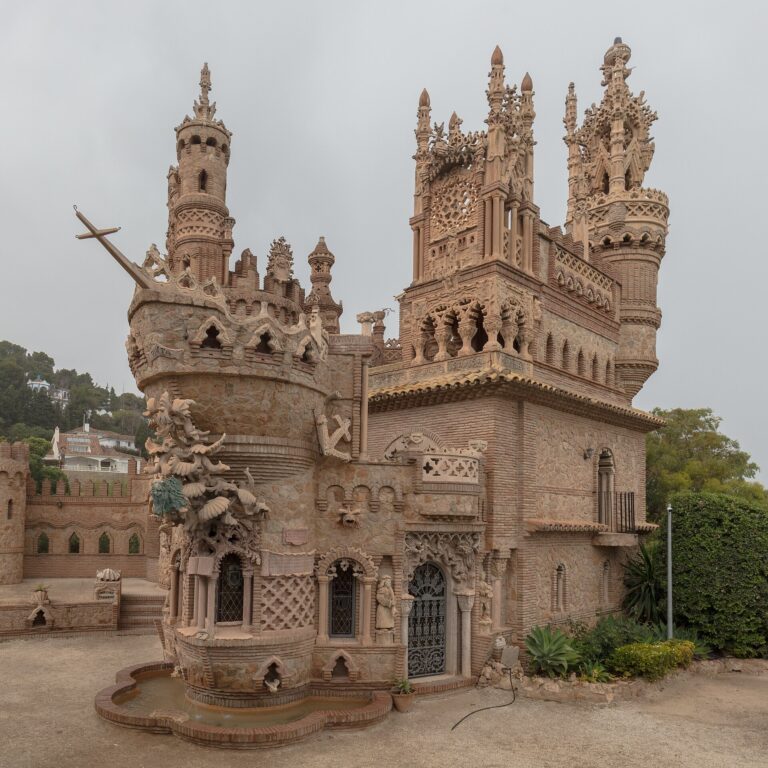
- Castillo de Colomares — A retired doctor and two bricklayers built the world's largest Columbus monument (8 km)
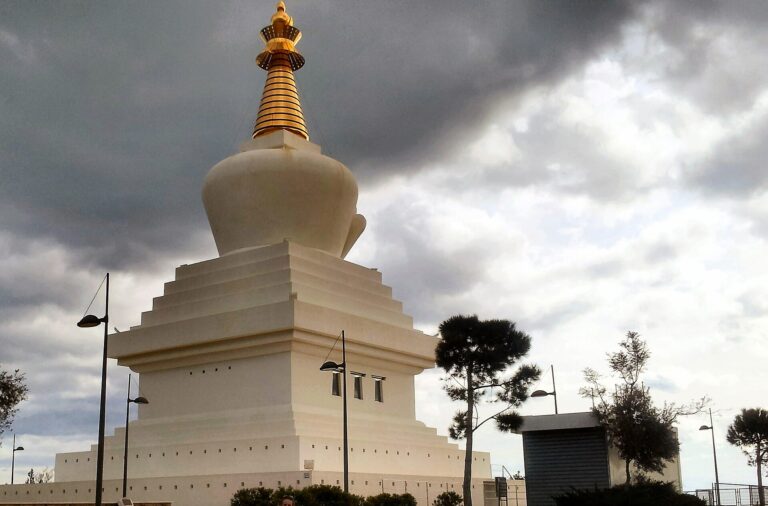
- Benalmádena Stupa — Europe's tallest stupa was the last project of a Bhutanese master who (8 km)
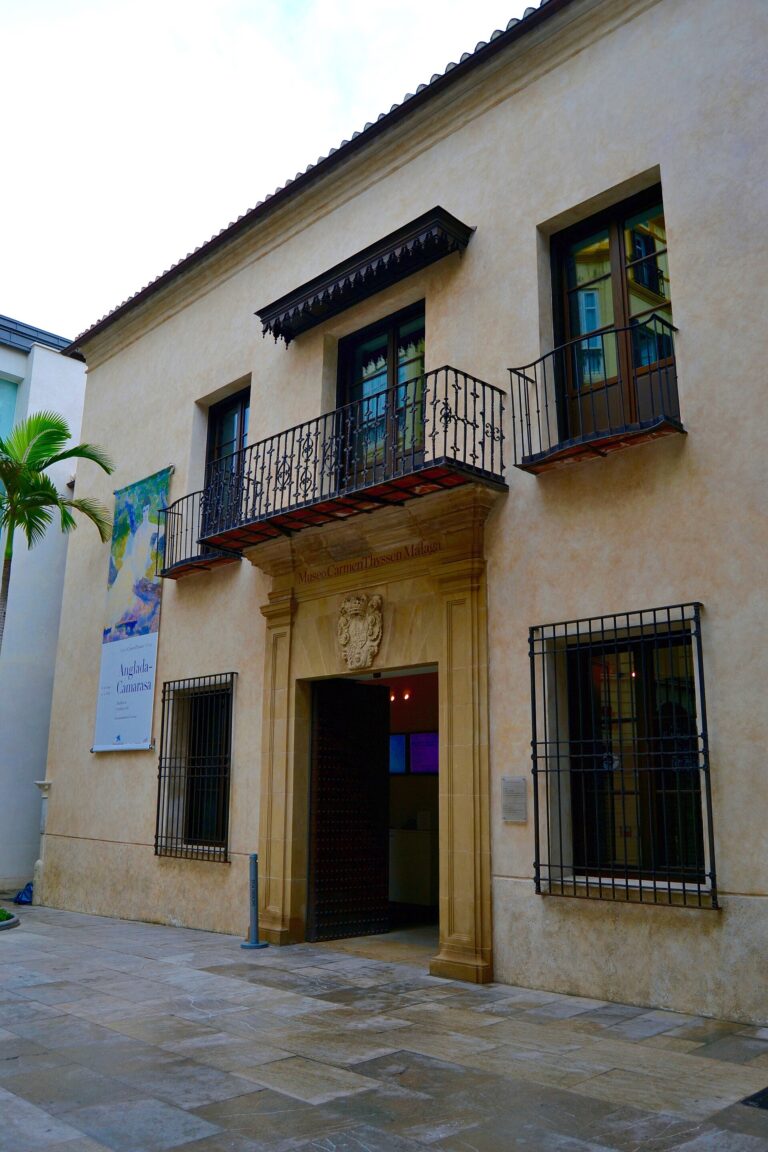
- Carmen Thyssen Museum — One collector, one century (13 km)
For the wider picture, see the full Costa del Sol guide.
Frequently asked questions
How do I get from Málaga Airport to Torremolinos?
Take the Cercanías commuter train: the airport is connected directly and the train journey to Torremolinos takes roughly ten minutes.
Is Torremolinos expensive?
Torremolinos is a mainstream resort so expect a range from budget to higher-end hotels. The town recorded high hotel occupancy and strong tourist spend in 2023, indicating active demand during events and high season.
Which beach in Torremolinos is best for families?
The town’s long sandy coastline with cycle and skating lanes offers family-friendly stretches; La Carihuela provides easy access to restaurants, while other areas like Los Álamos offer summer events but can be busier.
How many days should I spend in Torremolinos?
For a beach-centred break 2–4 days covers the main experience: a day on the sand, a night out in Nogalera or La Carihuela, and a day trip into Málaga if you want cultural sightseeing.
Is Torremolinos good for families with small children?
Yes — Aqualand and wide sandy beaches are designed for family use, and the promenade and cycle lanes make moving around with pushchairs straightforward.
Can I get around Torremolinos without a car?
Yes. The town is compact, pedestrian-friendly and well served by Cercanías trains; many visitors stay centrally and walk between the beach, shops and restaurants.
Is parking difficult in Torremolinos?
Parking demand rises sharply in high season due to large numbers of visitors; if you need a car, plan for limited on-street spaces near popular beaches and consider hotels with private parking.
What are rainy-day options in Torremolinos?
Aqualand provides a weather-independent activity option for families on hot but not rainy days; otherwise indoor options are limited — many visitors choose to visit Málaga city for museums and indoor attractions.
When is Torremolinos Pride and how big is it?
Torremolinos’s Pride parade is held on the first Saturday in June each year and the town’s Pride is one of the largest in Spain.
What is the Feria de San Miguel?
The Feria de San Miguel is a week-long festival that culminates on September 29 and features parades, music and dance shows.
Why is Nogalera important?
Nogalera is the centre of gay life in Torremolinos; it concentrates bars, clubs and businesses that support the town’s LGBT nightlife and culture.
Are there any noteworthy historic facts about Torremolinos?
Yes. Archaeological evidence points to Neolithic settlement in the area. In the 20th century the town changed from a small fishing village into a major resort from the late 1950s, helped by the opening of the Hotel Pez Espada in 1959 and celebrity visitors of that era.
Is Torremolinos family-friendly at night?
There are family-friendly evening options, especially along La Carihuela, but nightlife concentrates around Nogalera and central bars which run late and attract adult crowds.
How busy does Torremolinos get in summer?
Very busy. The town’s population can swell to as much as 250,000 in peak season, and beaches and promenades fill during June–September and festival weekends.
Can I use public transport if I have mobility needs?
Yes. The town’s rail network includes five wheelchair-accessible stations, improving access for visitors with mobility considerations.
Plan the wider trip
Consider combining Torremolinos with a day in Málaga for museums and historic sites, or use it as a coastal base while exploring other Costa del Sol towns. Its quick rail link to the airport and Málaga city means it’s practical as either a first stop on arrival or a final beach break before flying home.
Torremolinos on the map
Places worth knowing near Torremolinos

How this page is maintained. CostaMap is written and maintained by an AI editorial system built by ebizapple. Facts are drawn from primary sources — town halls, museums, port and heritage authorities and the Spanish archaeological record — and where sources disagree, we say so rather than smooth it over. Photographs marked as ours are taken on location. This page was last reviewed on 11 August 2026. Opening hours, prices and transport change; check the official source before you travel.