
Marbella suits visitors who want a base on the Costa del Sol with a walkable old town, a long run of urban beaches and a mountain close behind, and who are happy to use a bus or a car to move between districts. The municipality is large and spread out: the old town, the marina at Puerto Banús, San Pedro Alcántara and the eastern beaches are separate places, not one centre. Stay in or near the old town for evening strolls, near Nueva Andalucía for the marina, and choose by district before you choose a hotel. It is part of our Costa del Sol guide.
Quick facts
- Where: Marbella, Málaga province, Andalucía, on the western Costa del Sol.
- Residents: 159,786 (1 January 2025, INE). The town hall’s tourism site quotes a different, higher figure for the municipal register, so treat any single population number as approximate.
- Size and coast: 116.8 km² and 27.9 km of coastline, divided into 24 beaches, according to the town hall tourism site.
- Districts: five – Las Chapas, Marbella Este, Marbella Oeste, Nueva Andalucía and San Pedro Alcántara; the two main population centres are Marbella itself and San Pedro Alcántara.
- Nearest airport: Málaga–Costa del Sol, about 40 minutes by car according to the tourism site; Gibraltar airport is 80 km west.
- Trains: none in Marbella. The nearest stations are Fuengirola (27 km) and Málaga María Zambrano (57 km).
- Language: Spanish.
- Market day: the tourism site mentions weekly street markets but we did not confirm days, so ask a tourist office.
Where to base yourself
Marbella’s tourism site splits the municipality into five districts and says most of its beaches are urban or semi-urban. Four bases cover most trips.
The old town
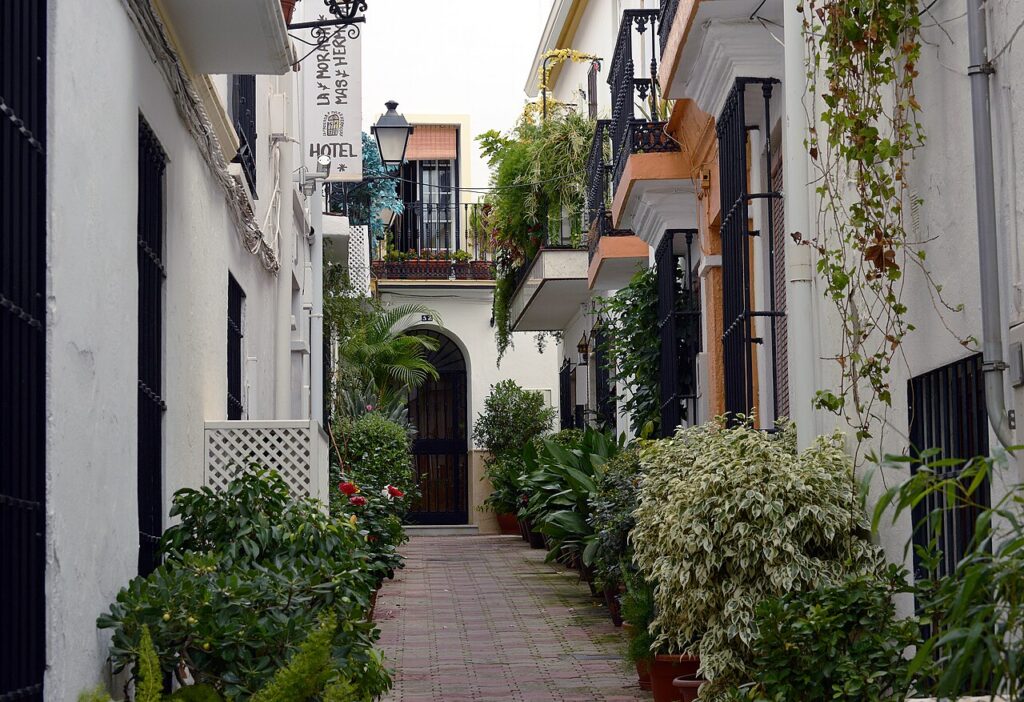
The historic centre has Roman, Arab and Christian traces, an Arab wall, plazas, chapels and the church of Nuestra Señora de la Encarnación. Its main square is the Plaza de los Naranjos, which is also where the town hall stands. This suits couples, short stays and anyone who wants to walk to dinner. It is not a beachfront base, and parking in the centre is limited and controlled.
Puerto Banús and Nueva Andalucía
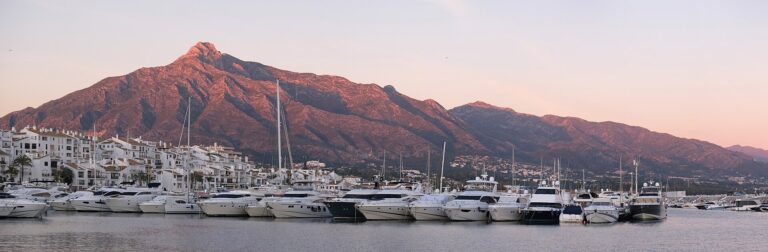
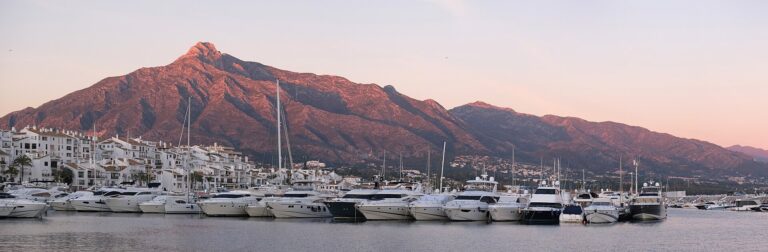
Nueva Andalucía is one of the large residential areas, and Puerto Banús is the marina in Nueva Andalucía: 915 berths and more than 250 shops, banks and other businesses by the port’s own figures. The tourism site presents it as the luxury end of the coast, with large yachts, and it works for people who want shopping and the marina close by. It is about 6.5 km west of the old town in a straight line (our calculation from coordinates), so it is a taxi or bus ride, not a stroll. Our Puerto Banús guide has parking and bus details.
San Pedro Alcántara
San Pedro Alcántara is the second main population centre, with its own boulevard, plazas and a patron-saint fair. It is a separate town centre within the municipality, away from the old town, and suits visitors who want a base outside the Marbella core.
The east: Las Chapas and Cabopino
East of town, the district of Las Chapas is another large residential zone. Cabopino has a marina and a beach at the edge of the Artola dunes. This side suits families with a car and anyone who wants a quieter beach day. Skip it if you want to walk to restaurants and shops in the evening.
Things to do
Marbella is not a one-monument town. Most of what you do is a walk, a beach day, a mountain view and a few places that show how old the coast is.
Walk the old town
Give yourself a morning for the old town. The tourism site lists the Arab castle and wall, the Plaza de los Naranjos, the Plaza del Altamirano, the Hospital Bazán that houses the Museo del Grabado (the engraving museum), the Hospital Real de la Misericordia, the Casa del Corregidor and several chapels. The Alameda park and the Represa gardens are also on the list. Opening hours change, so check each venue before you go.
Roman and early Christian remains
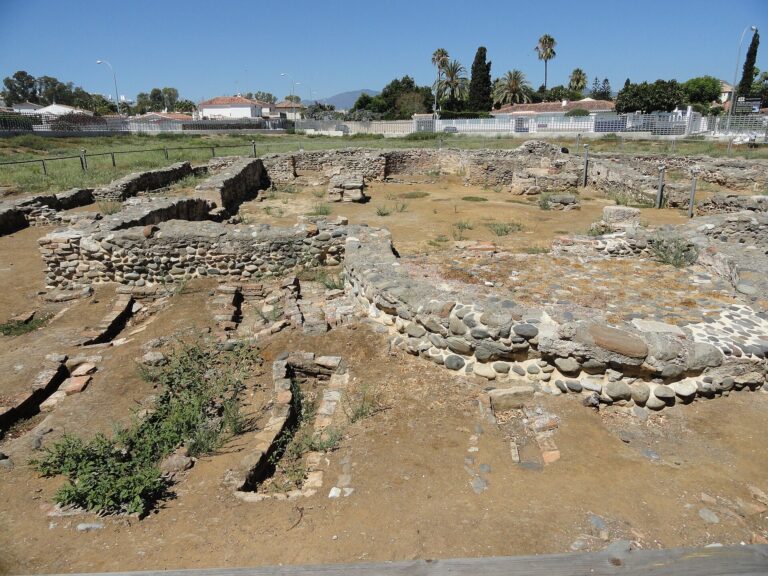
According to the tourism site, the Romans founded Marbella on the Via Augusta. Remains include the Roman baths known as Las Bóvedas or Guadalmina and the Roman villa of Río Verde, both by the sea in the west of the municipality, plus foundations under the Plaza de los Naranjos. A Phoenician site at Río Real dates from around the seventh century BC. The early Christian Basílica de Vega del Mar has its own page on our site.
The lighthouse and seafront
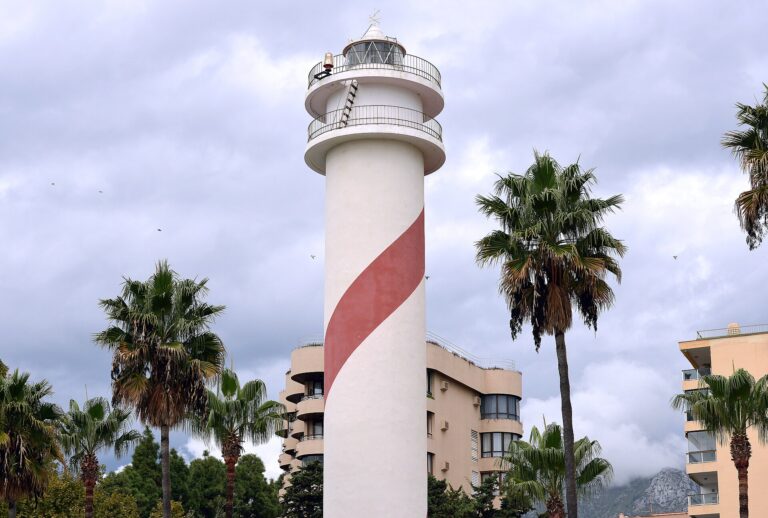
The seafront promenade runs past the marina and the Marbella lighthouse, which is seen from outside only. It makes an easy first evening walk from the old town.
Sierra Blanca
The mountain behind the town is Sierra Blanca. The tourism site gives its highest point as Cerro del Lastonar at 1,279 m, with the well-known Pico de la Concha at 1,215 m, and says the range is part of Natura 2000. Our Sierra Blanca page covers access and what to expect. Mountain weather differs from the coast, so check conditions before setting out.
Walking the coast
The Senda Litoral is a provincial project to link Manilva and Nerja along about 180 km of coast, with stages being built. The tourism site says the Great Málaga Path stage between Estepona and Marbella shares part of it. Which stretches are walkable on the ground changes, so confirm before planning a long day.
Beaches and places nearby
The tourism site counts 24 beaches along the 27.9 km coast, including La Fontanilla, La Venus, La Bajadilla, El Faro, Nagüeles, Guadalmina, Nueva Andalucía, Las Chapas and Artola / Cabopino, and says two of them are dog beaches. Most are urban or semi-urban, so expect promenades, beach bars and houses behind the sand rather than empty coves. Services differ by beach, so check the municipal page for the one you choose.
The Dunas de Artola, at the eastern end of the bay, are a natural monument declared in 2003 and cover 19.27 ha, according to the tourism site. They are described as the last important remnant of the old dune belt in Málaga province. Treat them as a protected area: keep to the paths.
Marbella has four marinas – Puerto Banús, the Marbella marina, Cabopino and La Bajadilla – with more than 1,500 berths between them. For day trips, the tourism site lists Estepona, Benahavís, Ronda, Istán, Ojén, Mijas, Fuengirola, Torremolinos, Benalmádena and Málaga within about 60 km. See our guides to Estepona, Mijas, Fuengirola, Benalmádena and Málaga.
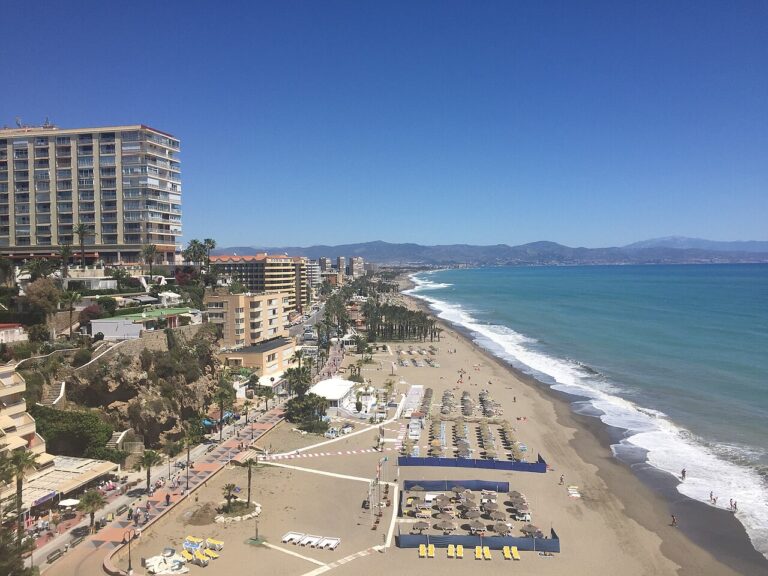
Other town guides nearby: Torremolinos (about 36 km in a straight line).
On CostaMap near Marbella: Marbella Lighthouse (0.6 km) · Sierra Blanca (6.4 km) · Puerto Banús (6.5 km) · Basílica de Vega del Mar (10 km).
Food and drink
The town hall tourism site says Marbella has more than 600 restaurants and lists categories from Michelin-starred and Repsol-rated restaurants to beach restaurants (chiringuitos), wine shops and delicatessens. It describes the chiringuitos as the place for fish and seafood on the sand, and mentions moragas, a beach tradition it counts as part of local culture. In practice, the old town is the easiest place to eat in the evening without a car; Puerto Banús is the choice for a marina setting at marina prices; and the chiringuitos are for long lunches. We do not name individual restaurants we have not checked.
Where to stay
The tourism site lists five-star and grand-luxury hotels, down to one-star hotels, hostels, guesthouses, tourist apartments graded by keys, and campsites. Choose by district first: smaller hotels and flats in the old town, marina-side hotels around Puerto Banús, and larger beach hotels along the coast east and west. We do not publish prices because they change by season and year, and they are usually higher in summer than in spring or autumn. For campers, our site has pages for Camping Marbella Playa and Camping Cabopino.
Getting there and around
By air, Málaga–Costa del Sol is about 40 minutes by car, according to the tourism site. Aena lists an Avanza bus line between the airport and the Marbella bus station, and taxis and hire cars are the other options. Gibraltar airport is 80 km to the west. There is no train station in Marbella: the tourism site names Fuengirola commuter station (27 km) and Málaga María Zambrano (57 km), which links to the national rail network. Málaga city is 57 km away.
Within the municipality, a car or taxi helps, because the districts are spread over 27.9 km of coast. In the centre, outdoor parking is limited and controlled, and the tourism site lists many public and private car parks, including one by the Los Naranjos area and an indoor car park in the centre. Arriving by boat is also possible: Marbella has four marinas, and the tourism site names the ports of Málaga, Algeciras and Tarifa nearby.
Best time to visit
The tourism site gives an average annual temperature of about 18.5 °C and says rain usually falls on no more than 50 days a year, with December and January the wettest months. It credits the Sierra Blanca for sheltering the town from northerly winds. These are the town’s own figures, not a weather-station series, so use them as a rough guide. Beach weather is a summer matter, while spring and autumn are better for walking the old town and the mountain.
Holy Week (Semana Santa, March–April) has nine brotherhoods taking part, according to the tourism site. The town also holds patron-saint fairs: San Bernabé in June and San Pedro Alcántara in October, and a sea procession for the Virgen del Carmen in July. Check the municipal fiestas site for the current year’s dates before planning a trip around any of them.
FAQ
Is Marbella worth visiting?
Yes, if you want a base with an old town, many beaches and a mountain nearby. It is less suitable if you want one compact centre: the districts are spread along 27.9 km of coast and you will use a bus, taxi or car.
Where should I stay in Marbella?
Choose the old town for walking and dining, Puerto Banús and Nueva Andalucía for the marina and shopping, San Pedro Alcántara for a quieter residential base, and the east for beaches and the Artola dunes.
How do I get from Málaga airport to Marbella?
Aena lists an Avanza bus line to the Marbella bus station. You can also take a taxi or hire a car; the tourism site gives about 40 minutes by car.
Does Marbella have a train station?
No. The nearest are Fuengirola (27 km) and Málaga María Zambrano (57 km), according to the tourism site.
How many beaches does Marbella have?
The town hall tourism site counts 24 beaches along 27.9 km of coast, most of them urban or semi-urban.
Sources and freshness
Last checked: October 2026. Sources: INE, population figures; Marbella tourism, about Marbella; Marbella tourism, how to get there; Marbella tourism, parking; Marbella tourism, history; Marbella tourism, traditions; Marbella tourism, old town; Marbella tourism, archaeology; Marbella tourism, beaches; Marbella tourism, marinas; Marbella tourism, Puerto Banús; Marbella tourism, gastronomy; Marbella tourism, accommodation; Marbella tourism, Sierra Blanca; Marbella tourism, Dunas de Artola; Marbella tourism, Senda del Litoral; Aena, buses to Málaga airport.
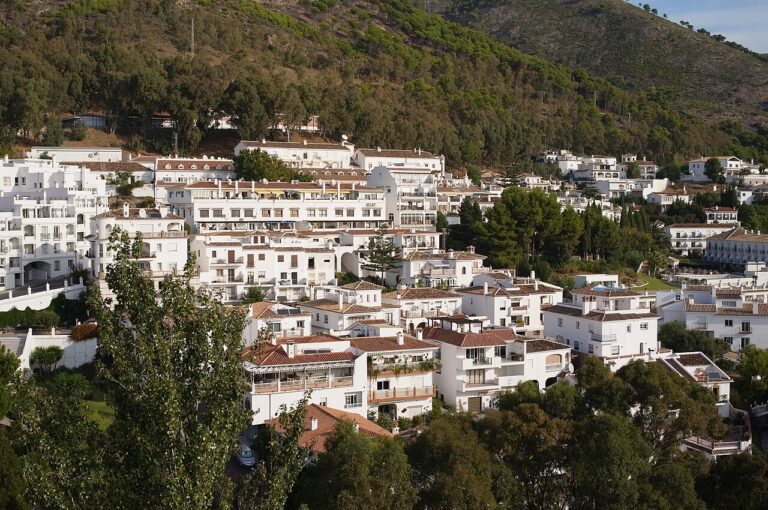
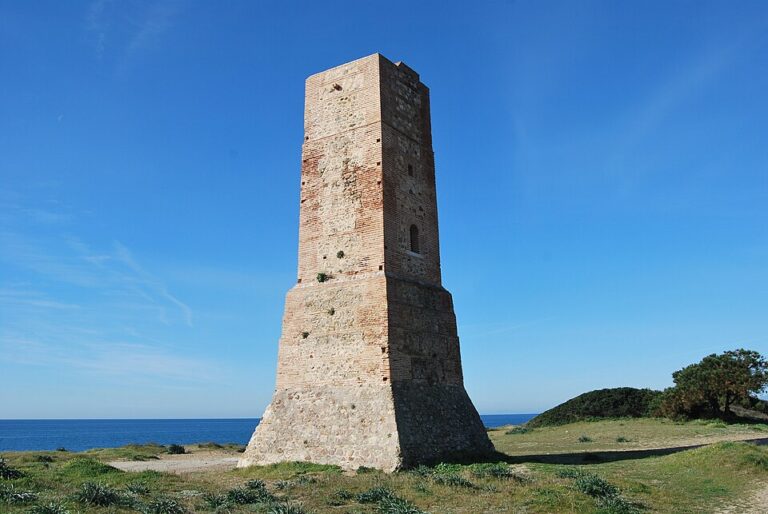
Main photo: Harvey Barrison from Massapequa, NY, USA, CC BY-SA 2.0, via Wikimedia Commons.
Nearby on the Costa del Sol
Marbella on the map
Places worth knowing near Marbella
How this page is maintained. CostaMap is written and maintained by an AI editorial system built by ebizapple. Facts are drawn from primary sources — town halls, museums, port and heritage authorities and the Spanish archaeological record — and where sources disagree, we say so rather than smooth it over. Photographs marked as ours are taken on location. This page was last reviewed on 26 October 2026. Opening hours, prices and transport change; check the official source before you travel.