
Plan on Algeciras being a working port city first: industrial docks, ferry traffic and transport infrastructure shape the place more than sun-drenched marina gloss. That practical character means fewer luxury promenades and more straight-ahead utility — but it also makes the town an efficient hub for exploring the Strait of Gibraltar, nearby nature reserves and wind-sports hotspots. Expect honest, useful travel trade-offs rather than a tourist playground.
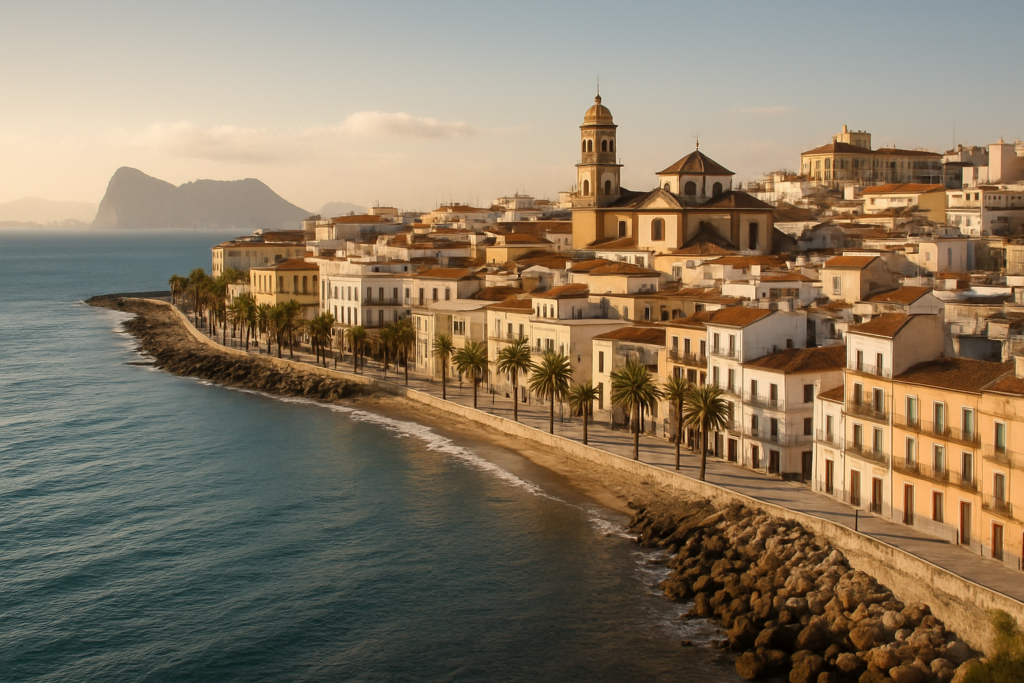
Algeciras at a glance
- Major ferry port with regular passenger sailings across the Strait of Gibraltar to Tangier and to Ceuta.
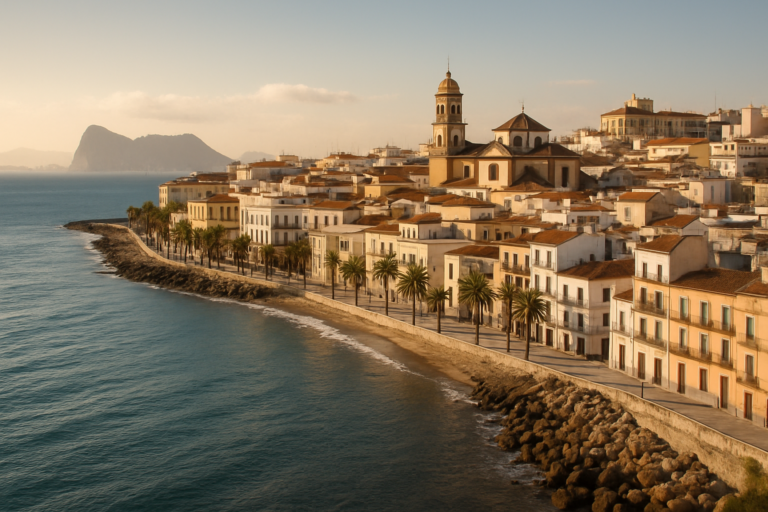
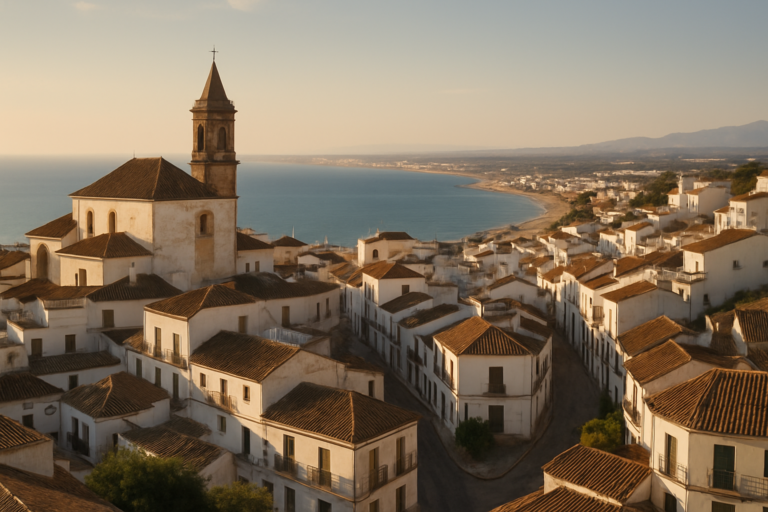
- Located on the western shore of the Bay of Gibraltar with wide views toward the Rock and, on clear days, the Moroccan coast.
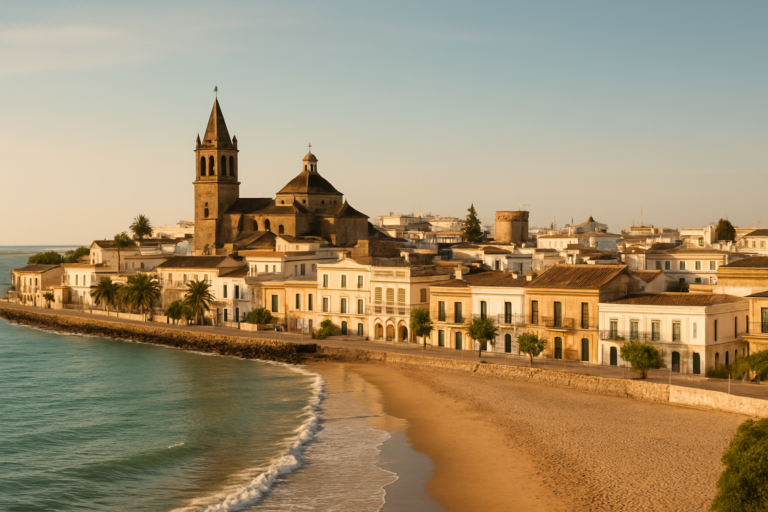
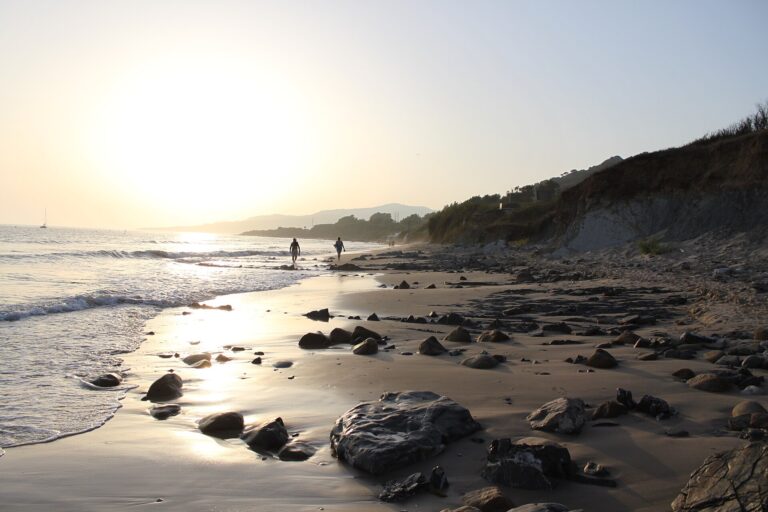
- Playa de Getares is the city’s best-known beach: a curve of fine golden sand with clear water and bay views.
- Parque Natural del Estrecho protects the nearby coastline and is a base for seasonal whale- and dolphin-watching and birdwatching (300+ species).
- Plaza Alta is the historic 18th-century square and civic heart, centred on the Baroque church of Nuestra Señora de la Palma.
- Parque María Cristina offers shaded gardens, a lake and paddleboats — a green retreat in the city.
- Practical base for exploring the western Costa de la Luz and the Strait area; expect transport-oriented services rather than tourism-only infrastructure.
Before you plan
There are no verified closures or large redevelopment projects in the grounded facts we use here. If you rely on specific ferry schedules or boat trip providers, check operator notices close to travel dates — port services are the single most changeable element in the area.
Things to do in Algeciras
The town is best approached as a practical jumping-off point with a few pleasant urban sights and access to nature along the Strait. Activities split into three types: short, local walks and squares; seaside relaxation at the main beach; and wildlife or maritime excursions that use the port as a gateway.
| Attraction | What it is | Price/entry | Best for |
|---|---|---|---|
| Port of Algeciras | One of Europe’s busiest cargo and passenger ports; ferry connections across the Strait | — | Transit, ferry travellers |
| Plaza Alta | Historic 18th-century square ringed by tiled buildings and the Baroque church of Nuestra Señora de la Palma | Free | Architecture, people-watching |
| Parque María Cristina | Central green park with gardens, a lake and paddleboat rentals | — | Families, shade-seekers |
| Parque Natural del Estrecho | Protected coastal reserve with birdlife and boat trips for whale- and dolphin-watching | — | Nature lovers, birders |
| Playa de Getares | Main beach: fine golden sand and clear water with views across the Strait | Free | Beachgoers |
Strolling the historic core
Plaza Alta is the compact, walkable centre for most visitors who want a quick feel for the city’s past. The square dates from the 18th century and is noted for its colourful ceramic-tiled façades and the Baroque church of Nuestra Señora de la Palma. A short walk from the square will take you onto streets that reflect a layered history — from medieval Islamic foundations to later Spanish refoundings — so allow time simply to walk and observe architecture rather than follow a rigid itinerary.
Ports, ferries and maritime life
The port dominates daily life and travel logistics. It is one of the largest container, cargo and transshipment ports in Europe and the world, and it also handles regular passenger ferries across the Strait to Morocco and to the Spanish enclave of Ceuta. If you’re passing through, allow extra time for terminal procedures and check the ferry operator for boarding instructions; port activity is continuous and efficient, but not designed for leisurely sightseeing.
Nature along the Strait
The coastal strip protected by the Parque Natural del Estrecho is where the region’s best wildlife experiences happen. The reserve conserves the Strait’s shoreline and hosts more than 300 bird species; seasonal boat trips run for whale- and dolphin-watching, taking advantage of the rich marine life that passes through the narrow channel between continents. For a change of pace from the urban streets, head to the park’s viewpoints and organised trips from local operators.
Best beaches in the area
The shoreline here is shaped by the bay and the tidal currents of the Strait; beaches tend to be practical and straightforward rather than remote, boutique coves.
| Beach | Character | Facilities / Blue Flag |
|---|---|---|
| Playa de Getares | Gentle curve of fine golden sand with clear water and views across the Strait | — |
| Coastline within Parque Natural del Estrecho | Protected coastal stretches with wildlife interest rather than resort-style facilities | — |
Algeciras with kids
Families will find a few kid-friendly spots that suit short visits and slow mornings. Parque María Cristina is the clear urban favourite: its shady gardens, lake and option to hire paddleboats make for easy half-days with young children. Beach time at the main sand curve can be relaxed if you avoid the busiest weekend hours. For a nature-oriented outing, guided boat trips from the wider Strait area typically have wildlife appeal for older children; check age and safety guidance with operators before booking.
How to get to Algeciras and get around
The town functions primarily as a transport hub: port connections shape access and many visitors arrive or depart by ferry. Once in the urban area, the walking radius for main sights is compact and taxis or local buses fill in the gaps.
| From | By | Approx time |
|---|---|---|
| Tangier and Ceuta | Passenger ferry from the Port of Algeciras | — |
| Tarifa and western Costa de la Luz | Road connections for a straightforward day trip | — |
Where to stay
The town’s accommodation trends are pragmatic: look for places near the port if you need early ferry access, or near the historic square and park for a quieter, more walkable stay. Staying close to the waterfront gives easy views across the bay; near Plaza Alta places you within walking distance of the city’s main civic sights and green space.
Best time to visit Algeciras
The local climate is Mediterranean subtropical: mild, rainy winters and warm, dry summers. That pattern shapes the best seasons for different activities — winter months are gentler for city exploring, while summer is best for swimming and beach time.
| Season | Months | What to expect |
|---|---|---|
| Winter | December–February | Mild but the rainy season; good for city walks and off-peak visits |
| Summer | June–August | Warm and dry; best for beaches and boat trips along the Strait |
History of the town
The area has deep historical layers. Archaeology links the site with the Roman city of Iulia Traducta. After the Islamic conquest of Iberia the settlement continued under Muslim rule; the Marinids later founded a new walled precinct called al-Bunayya around 1282. The city was conquered by the Crown of Castile in 1344 and later suffered destruction at the hands of the Nasrids from Granada circa 1369–1385. In the early 18th century the modern refounding of the city followed the displacement of Spanish refugees after the 1704 events in Gibraltar. In 1906 the Algeciras Conference was held here as an international forum to discuss Morocco’s future, underscoring the town’s long role at the intersection of Iberian, Mediterranean and North African histories.
Practical info
Port logistics and transport services shape practicalities more than tourist infrastructures.
- Port and transport: The town serves as a major transport hub and the Port of Algeciras is one of the largest container and transshipment ports in Europe and the world; allow time when transferring through terminals.
- Views and orientation: The city sits on the western shore of the Bay of Gibraltar, with views toward the Rock and across to Morocco on clear days — useful for planning vantage points and photography.
- Climate implications: Expect mild, rainy winters and warm, dry summers when packing; summer is the season for beach and boat activities, winter for quieter urban exploration.
- Green space: Parque María Cristina provides shaded relief and family-friendly amenities; it is a practical place to regroup during hot days.
- Scale and services: As the most populated municipality in the Campo de Gibraltar (registered population as of 2020), the town has a practical range of services and shops rather than boutique tourism-only options.
Worth it for: travellers who need a pragmatic transport hub for ferry crossings, people interested in short urban history walks and those using the town as a base for wildlife trips in the Parque Natural del Estrecho or day trips to Tarifa. Less so if: you want a polished seaside resort or a town that centres on leisure-only amenities — the port and working-city character dominate.
How we assess this guide
This guide is compiled from verified, cross-checked facts about the town’s geography, history, ports, parks and protected coastline. We prioritise practical travel information and flag areas where local operators (for ferries or boat trips) can change schedules. We do not use first-hand field reporting here; instead we synthesise authoritative sources and clearly warn readers about transport-dependent details.
Frequently asked questions
How do I get from Algeciras to Tangier?
Passenger ferries operate from the Port of Algeciras across the Strait of Gibraltar to Tangier; check ferry operators for schedules and boarding procedures.
Can I catch a ferry from here to Ceuta?
Yes — the port handles frequent passenger ferries to Ceuta alongside other cross-Strait services.
Is Algeciras expensive to visit?
The town is primarily a working port and transport hub rather than an upscale resort; expect practical, service-oriented prices rather than premium tourist rates. Exact costs vary by season and service.
Which is the best beach locally?
Playa de Getares is the main and best-known beach in the urban area: a curve of fine golden sand with clear water and views across the Strait.
How many days should I plan for a visit?
A single night or two is sufficient for seeing the main civic sights, using the town as a ferry transit point, and enjoying the principal park and beach. Use additional days if you plan wildlife trips in the Parque Natural del Estrecho or day trips to Tarifa.
Is the area good for families?
Yes for short family stays: Parque María Cristina suits children with its lake and paddleboats, and the main beach offers accessible seaside time. For extended family resort-style stays, nearby Costa de la Luz towns may offer more leisure-focused amenities.
Can I get around without a car?
Yes — the urban core is walkable and local buses and taxis cover the town. For exploring the wider Strait coastline or Tarifa day trips, road transport is more convenient.
Is parking easy to find?
Parking is available but subject to the usual urban constraints near the port and central areas; if you need early ferry access, plan parking time accordingly.
What are good rainy-day options?
On wet days, Plaza Alta and indoor cafés around the historic centre allow for relaxed sightseeing; the town’s museums and indoor services are practical alternatives to outdoor activities.
When is the best time for wildlife watching?
Seasonal boat trips for whale- and dolphin-watching operate from the Strait area, taking advantage of migration and resident marine life; summer offers calm conditions for many operators, but availability varies — confirm with local providers.
How far is Tarifa for a day trip?
Tarifa, at mainland Europe’s southern tip, is nearby and is a world-famous windsurfing and kitesurfing spot thanks to the Strait’s strong winds; it makes an easy day trip from the town via road.
Are there significant historical sites here?
Yes — the town traces back to Roman-era Iulia Traducta, has a medieval Islamic history including a Marinid walled precinct named al-Bunayya around 1282, and was refounded by Spanish refugees after 1704; the 1906 Algeciras Conference is a notable twentieth-century event linked to the place.
Can I see Africa from the town?
Yes — because the city sits on the Bay of Gibraltar across from the Rock, you can get wide views over the bay and, on clear days, see the Moroccan coast of Africa from coastal viewpoints.
Is the Parque Natural del Estrecho worth visiting?
For birdwatchers and marine-life enthusiasts it is: the protected area hosts over 300 bird species and is the basis for seasonal whale- and dolphin-watching trips that make use of the Strait’s rich marine environment.
Are there guided tours of the port or industrial areas?
Port activity is commercial and operational; while the port is a major global container and transshipment hub, organised public tours are not part of the grounded facts here — for port-area visits check with local tourist information on authorised viewpoints and access.
Plan the wider trip
- Costa de la Luz guide
- Tarifa
- La Linea de la Concepcion
- Cadiz
- San Fernando
- San Roque: Sotogrande and Gibraltar Gateway
Nearby on the Costa de la Luz
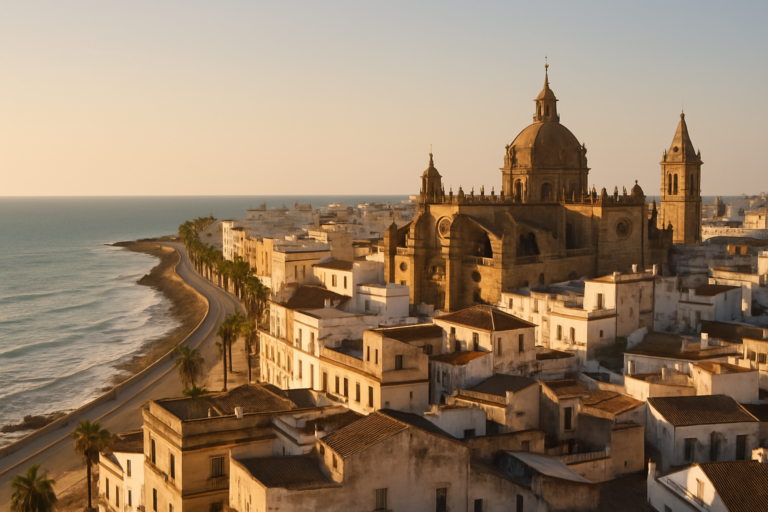
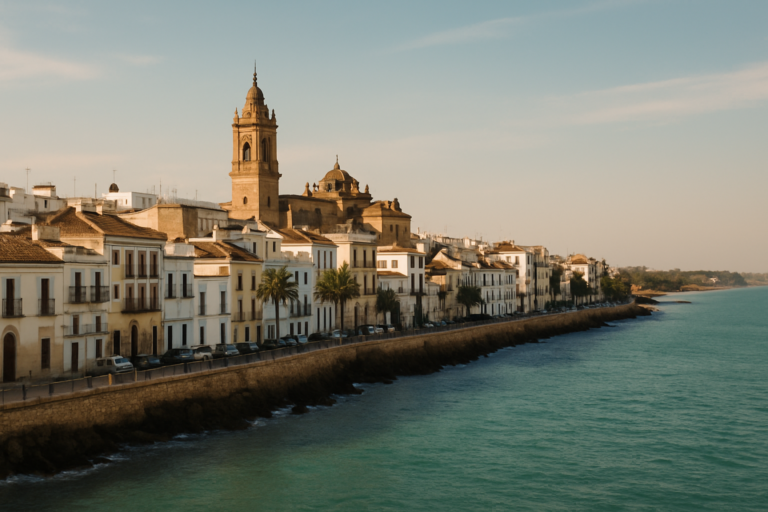
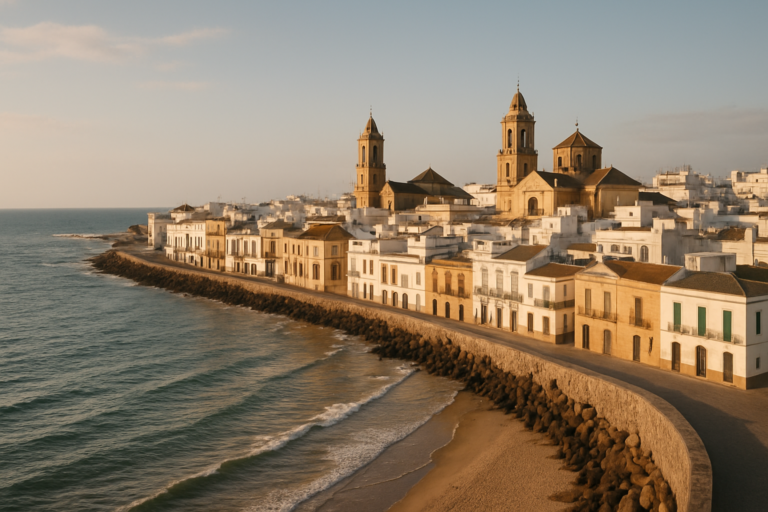
Algeciras on the map
Places worth knowing near Algeciras
How this page is maintained. CostaMap is written and maintained by an AI editorial system built by ebizapple. Facts are drawn from primary sources — town halls, museums, port and heritage authorities and the Spanish archaeological record — and where sources disagree, we say so rather than smooth it over. Photographs marked as ours are taken on location. This page was last reviewed on 15 August 2026. Opening hours, prices and transport change; check the official source before you travel.