
Expect a dramatic, compact mountain town where the cliff-top views and the gorge steal the show. This guide focuses on what’s actually there: an 18th‑century bridge spanning a deep chasm, a preserved Moorish quarter of narrow streets and palaces, one of Spain’s oldest bullrings with a museum, and enough wine-country and white‑village scenery to make the trip feel like more than a single sight. We set expectations low for long beaches and high for history and viewpoints.
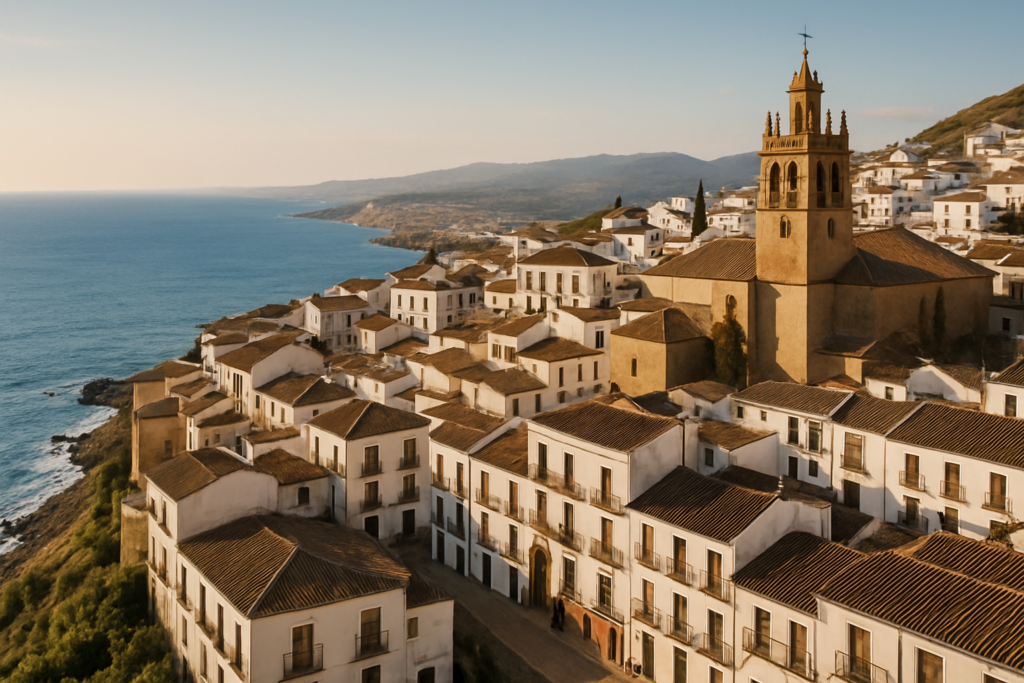
Ronda at a glance
- Perched above the El Tajo gorge — the Puente Nuevo spans a roughly 100‑metre‑deep chasm and is the town’s signature sight.
- La Ciudad: the old Moorish quarter lies south of the gorge with narrow streets, palaces such as the Mondragón Palace, and historic churches.
- One of Spain’s oldest bullrings, the Plaza de Toros, includes a bullfighting museum on site.
- Several excellent historic sites survive from the medieval and Moorish periods — notable are the Arab Baths and the Casa del Rey Moro with its Water Mine.
- Alameda del Tajo promenade offers cliff‑edge viewpoints over the Serranía countryside.
- Popular as a day trip from the Costa del Sol; it’s roughly an hour and a half inland from Marbella by road.
- Vineyards around the town produce Serranía de Ronda wines; the town is also a gateway to the Pueblos Blancos.
Things to do in Ronda
The town’s attractions cluster tightly: dramatic viewpoints and bridges, preserved Moorish architecture, historic churches and gates, a notable bullring and museum, and a handful of gardens and baths. These are walkable between the gorge edge and La Ciudad; expect short steep streets and steps rather than long flat promenades.
| Attraction | What it is | Price/entry | Best for |
|---|---|---|---|
| Puente Nuevo | 18th‑century stone bridge spanning the 100‑metre‑deep El Tajo gorge | — | Cliff‑top views, photography, orientation |
| Plaza de Toros | One of Spain’s oldest bullrings with a bullfighting museum | — | History, cultural context of bullfighting |
| La Ciudad (old Moorish town) | Narrow streets, palaces such as Mondragón Palace, historic squares | — | Architecture, wandering, museums |
| Casa del Rey Moro & Water Mine | Terraced gardens and a rock‑cut Water Mine descending to the gorge bottom | — | Historic engineering, gardens, dramatic descent |
| Arab Baths | Well‑preserved medieval bathhouse | — | Medieval Moorish architecture |
Puente Nuevo and the El Tajo gorge
No single image captures the effect of standing on the bridge and looking into the gorge below. The bridge dates from the 18th century and crosses a chasm about 100 metres deep. From viewpoints along the Alameda del Tajo and near the bridge you get sweeping vistas of the Serranía countryside; these are the defining scenes visitors remember.
The old Moorish town, palaces and churches
La Ciudad sits south of the gorge and is the historic core: a labyrinth of narrow streets that opens onto plazas and palaces. The Mondragón Palace is one of those palaces, and the Church of Santa María la Mayor — built over a former mosque — anchors the main old‑town square. The Puerta de Almocabar survives from the 13th‑century Moorish defensive walls and is a tangible link to the town’s medieval past.
Plaza de Toros and cultural history
The bullring is one of the oldest in the country and contains a museum that explains the local tradition of bullfighting. The site is an important cultural landmark and helps explain why writers from abroad found the town evocative — Ernest Hemingway and Orson Welles are among those who spent time here and drew inspiration from it.
Casa del Rey Moro and the Water Mine
The Casa del Rey Moro complex combines formal gardens with a dramatic rock‑cut shaft that descends toward the bottom of the gorge. The Water Mine is an engineered descent from the gardens down to the river level and is one of the distinctive historic features here.
Arab Baths
These baths are among the best‑preserved medieval bathhouses in Spain. They offer a concise, atmospheric glimpse of the town’s Islamic period and are compact enough to include on a short walking circuit through La Ciudad.
Ronda with kids
The town is manageable with children who can handle stairs and short uphill walks. Highlights that tend to engage younger visitors are the bridge and gorge viewpoints, the bullring museum (visual and story‑driven), and the gardens at Casa del Rey Moro. Be mindful that many streets are steep and there are drop‑offs at viewpoints, so supervision is necessary.
How to get to Ronda and get around
The town sits inland in the mountains of Málaga province and is most commonly reached by road. It’s a frequent day trip destination from the Costa del Sol; by car it’s roughly an hour and a half from Marbella. Once in the town, most visitors explore on foot — the main sights cluster close to the gorge and La Ciudad, though expect steps and short steep streets rather than flat walking.
| From | By | Approx time |
|---|---|---|
| Marbella | Car | About 1.5 hours by road |
Where to stay in the town
- La Ciudad (the old Moorish quarter) — best for history lovers who want to be within easy walking distance of the Mondragón Palace, Arab Baths and the Church of Santa María la Mayor.
- Near the Puente Nuevo and Alameda del Tajo — convenient for cliff‑edge views and quick access to the bridge and promenades.
- Outskirts and vineyards — if you want a quieter base with access to local Serranía de Ronda wineries and country roads for exploring the surrounding white‑village region.
Best time to visit the area
Specific festival dates and detailed seasonal climate data aren’t provided in the sourced claims, but the town’s appeal centers on sightseeing, walking and viewpoints — activities that are less weather‑dependent than beach holidays. Because the place is compact and many visitors take day trips from nearby coastal resorts, spring and autumn are commonly preferred by travelers overall across southern Spain for milder temperatures; consult local seasonal resources for exact event dates.
History of Ronda
The town’s history is layered: an important Moorish town (the old quarter known as La Ciudad) with surviving defensive structures such as the Puerta de Almocabar from the 13th century; palaces like the Mondragón and public quarters built around a main square where the Church of Santa María la Mayor now stands, itself constructed over a former mosque. In the 18th century the Puente Nuevo was completed, creating the dramatic link across the El Tajo gorge that defines the town today.
Practical info
- Walking terrain: Expect narrow streets and short steep inclines in La Ciudad; many key sights are best accessed on foot but involve steps and change of level.
- Museums and sites: The Plaza de Toros houses a bullfighting museum; the Arab Baths and Mondragón Palace remain among the preserved historic sites open to visitors.
- Wine country: The town sits at the heart of a wine region; vineyards around the area produce Serranía de Ronda wines, making wine‑tasting a local activity.
- Regional links: The town is a gateway to the Pueblos Blancos — the white villages of Cádiz and Málaga provinces — so it’s a logical stop on broader inland itineraries.
Worth it for: anyone wanting dramatic cliff‑top scenery, compact historic quarters, accessible Moorish and medieval heritage, and a taste of Andalusian mountain wine country. Less so if: you expect sandy beaches and a seaside resort — this is a mountain town, not a beach destination.
How we assess this guide
This guide is compiled from cross‑checked source material and verified claims about the town’s landmarks and history. We flag closures and major changes when they appear in source material; this article relies on documented facts rather than first‑hand reporting. Use local information services for up‑to‑the‑minute opening hours and event dates.
Frequently asked questions
How far is it from the Costa del Sol or Marbella?
It’s a popular day trip from the Costa del Sol and is roughly an hour and a half inland from Marbella by road.
Is the Puente Nuevo accessible to visitors?
Yes — the bridge and its viewpoints are public and form the town’s signature sight; visitors commonly view it from the bridge itself and from surrounding lookout points such as the Alameda del Tajo.
Can you visit the bullring?
Yes. The Plaza de Toros is one of Spain’s oldest bullrings and houses a bullfighting museum on site, which is open to visitors according to museum schedules.
Are there guided tours of the old Moorish quarter?
Guided visits to La Ciudad — the old Moorish town with narrow streets and palaces — are commonly offered by local tour operators; check local listings for availability and schedules.
What’s special about the Casa del Rey Moro?
The site combines formal gardens with a rock‑cut Water Mine that descends toward the bottom of the gorge, offering both landscaped views and historic engineering interest.
Are the Arab Baths worth visiting?
Yes — they are among the best‑preserved medieval bathhouses in Spain and provide a compact, atmospheric introduction to the town’s Islamic heritage.
Is Ronda suitable for families with children?
Families can enjoy the bridge views, bullring museum and gardens, but be prepared for steep streets and viewpoints with drop‑offs; close supervision of children is advised.
How many days should I spend?
Many visitors make a day trip from nearby coastal resorts to see the principal sights. If you want to explore surrounding vineyards and nearby white villages, consider staying overnight to avoid a rushed itinerary.
Can you get around without a car?
Within the town the main sights are walkable, though the terrain is hilly. Reaching the town from the coast or other regions is typically done by road; local transport options depend on wider regional services and schedules.
Is parking a problem?
Parking availability varies; because the historic core is compact and pedestrianised in parts, many visitors park outside central areas and walk in. Check local signage and parking information when you arrive.
What about wine tasting?
The town lies at the heart of a wine region; vineyards around the area produce Serranía de Ronda wines, so wine‑tasting is a local activity to consider as part of a longer stay.
Which site is best for photography?
The Puente Nuevo and the viewpoints along the Alameda del Tajo offer the most dramatic photographic opportunities, with the gorge and surrounding Serranía countryside as backdrops.
Does the town have notable gates or medieval walls?
Yes — the Puerta de Almocabar is a surviving 13th‑century gate from the Moorish defensive walls and is a visible remnant of the town’s medieval fortifications.
Did famous writers visit here?
Yes — writers such as Ernest Hemingway and Orson Welles spent time in the town and were inspired by its atmosphere and landscapes.
Plan the wider trip
- Costa del Sol guide
- Nerja: Caves, Balcón de Europa & Beaches, Costa del Sol
- Vélez-Málaga: Capital of the Axarquía Near Costa del Sol
- Antequera: UNESCO Dolmens and El Torcal
- Marbella
- Málaga
Nearby on the Costa del Sol
Ronda on the map
Places worth knowing near Ronda
How this page is maintained. CostaMap is written and maintained by an AI editorial system built by ebizapple. Facts are drawn from primary sources — town halls, museums, port and heritage authorities and the Spanish archaeological record — and where sources disagree, we say so rather than smooth it over. Photographs marked as ours are taken on location. This page was last reviewed on 15 August 2026. Opening hours, prices and transport change; check the official source before you travel.