
Expect a compact, layered destination where prehistory, Moorish fortifications and Baroque churches sit within a working agricultural plain and dramatic limestone landscapes. If you come expecting a single “must‑see” attraction you’ll miss the point: this is best taken as a base for exploring very different eras and terrains within short drives. Plan for walking through old stone streets, short hikes amid surreal rock formations and a close‑up look at some of Europe’s oldest megaliths.
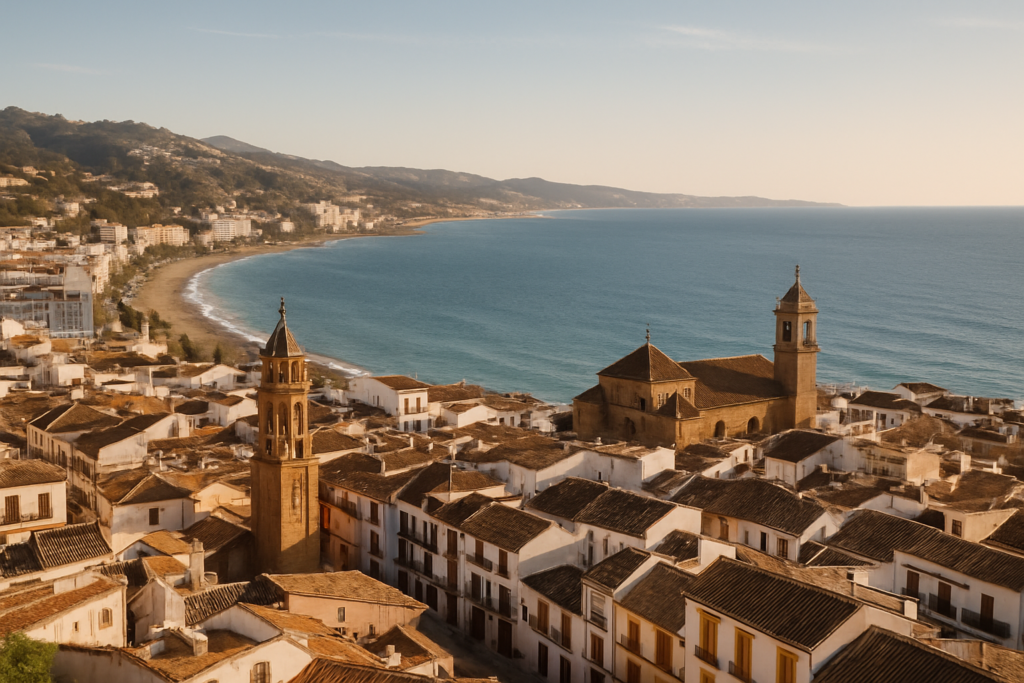
Antequera at a glance
- Compact inland Andalusian town, about 45 km north of Málaga city and well connected by motorway and AVE high‑speed rail (Antequera‑Santa Ana).
- Outstanding prehistoric monuments: the Antequera Dolmens Site (Menga, Viera and El Romeral) is a UNESCO World Heritage Site.
- A medieval Moorish Alcazaba crowns the old town beside the Renaissance Royal Collegiate Church of Santa María la Mayor.
- Immediate access to dramatic karst scenery at El Torcal de Antequera, a nature reserve famed for limestone formations and walking trails.
- Close to the Caminito del Rey and El Chorro gorge, which are within easy reach for day trips.
- Set on a fertile plain (La Vega) traditionally producing olive oil and cereals; the town is known as a city of churches with many Baroque religious buildings.
- The Pena de los Enamorados (Lovers’ Rock) is a nearby landmark with an associated local legend and a distinctive profile over the plain.
Things to do in Antequera
There are three distinct strands to a visit here: the prehistoric monuments that place humans on this plain thousands of years ago; the compact historic centre—Moorish fort, Renaissance church and an exceptional density of Baroque ecclesiastical architecture; and the wild limestone landscapes you can reach in 20–40 minutes by car. Most visitors stitch these into a two‑to‑three day stay or a day trip out from the Costa del Sol.
| Attraction | What it is | Price/entry | Best for |
|---|---|---|---|
| Antequera Dolmens Site (Menga, Viera, El Romeral) | UNESCO World Heritage prehistoric megaliths | — | History and archaeology buffs |
| El Torcal de Antequera | Nature reserve with karst limestone formations and trails; stargazing area | — | Hikers, photographers, nature lovers |
| Alcazaba | Moorish fortress overlooking the town and plain | — | History and viewpoints |
| Royal Collegiate Church of Santa María la Mayor | Renaissance church beside the Alcazaba | — | Architecture and religious art |
| Caminito del Rey / El Chorro gorge (nearby) | Cliffside walkway in an impressive gorge; reachable from the town | — | Adventurous walkers and day‑trippers |
Antequera Dolmens Site: prehistory made visible
The Dolmens Site is the single archaeological highlight that reliably surprises visitors: three monumental tombs—the Dolmen de Menga, Viera and El Romeral—form a coherent prehistoric landscape inscribed by UNESCO. The Dolmen de Menga is particularly notable for its size and construction method; it stands among the largest megalithic structures in Europe and was built using enormous stone slabs around 3,700 BC. Walking among these stone chambers adds a tangible sense of human continuity on this plain; allow time to absorb the scale and the setting rather than rushing through.
El Torcal de Antequera: surreal limestone terrain
A short drive from town puts you on a high plateau of weathered limestone where natural erosion has sculpted an extraordinary array of towers, hollows and balancing stones. The reserve is well known for its walking trails that thread through these formations; many routes are short circuits suitable for moderate fitness, while the evening and night skies are exceptionally clear here, making the area a designated spot for stargazing. Photography is a big part of the attraction: the shifting light across the sculpted rocks creates dramatic scenes at dawn and dusk.
The Alcazaba and the Royal Collegiate Church
The Moorish fortress that overlooks the town provides both history and one of the best viewpoints over La Vega. Beside it stands the Royal Collegiate Church of Santa María la Mayor, a Renaissance building whose setting beside the alcazaba gives a neat visual summary of Antequera’s layered past—Islamic military architecture and Christian Renaissance ecclesiastical art standing side by side. Roaming between the fortress, the church and the adjacent old‑town streets reveals why the place is often described as a city of churches: Baroque façades and convents cluster through the historic core.
Best beaches in the area
Antequera is inland, so there are no beaches within the town itself. If you want to combine a visit with a beach day, Málaga’s coastline and the Costa del Sol are about 45 km to the south and accessible by car or rail.
Antequera with kids
The town can work very well for families, provided you plan activities that match children’s energy levels. The dolmens are compact and impressive even to younger visitors; El Torcal offers short, engaging walks where kids can clamber and explore rock formations (supervise on uneven terrain). The Alcazaba gives a safe, elevated space to run and to look out over the surrounding plain. The key is mixing short cultural visits with outdoor time so the day isn’t dominated by museum‑style stops.
How to get to Antequera and get around
Antequera lies about 45 km north of Málaga city and combines road and rail connectivity with local driving as the most practical way to reach sites outside the town. The town has an AVE high‑speed rail station (Antequera‑Santa Ana), and it’s also well served by the motorway network, which makes day trips to nearby natural attractions straightforward if you have a car. Within the town center most sights are walkable; for El Torcal, the dolmens and the Caminito del Rey a car or organized transport simplifies timing and reaching trailheads.
| From | By | Approx time |
|---|---|---|
| Málaga city | Car or AVE rail to Antequera‑Santa Ana (then local transport) | about 45 km / connected by high‑speed rail |
| El Chorro / Caminito del Rey | Car or regional links from the town | within easy reach |
Where to stay
Accommodation clusters in two practical areas: the compact historic center, which keeps you within walking distance of the Alcazaba, the Royal Collegiate Church and the main museums; and locations slightly outside town that provide quicker access to El Torcal and parking for day trips. Choosing the old town suits visitors who want to soak up architecture and restaurants on foot; staying outside is better if your priority is early starts for hikes and drives to the natural sights.
Best time to visit
There is no single “perfect” time because the attractions appeal across seasons: archaeological sites and town streets are comfortable in mild weather; El Torcal’s dramatic rock formations and its starry skies are available year‑round. If your priority is hiking or stargazing, choose dates with clearer skies and cooler temperatures for walking. The Caminito del Rey is an all‑season day trip as well, but individual trail access and conditions change with management and weather—check current opening arrangements before you go.
| Season | Months | What to expect |
|---|---|---|
| Spring / Autumn | — | Milder conditions for walking, comfortable for combining town visits and nature. |
| Winter | — | Quieter town, clear skies at El Torcal can make for excellent stargazing; cooler temperatures for hiking. |
| Summer | — | Warmer days in the plain; morning and evening are best for outdoor exploration. |
History of the town
The location has deep roots: the Antequera Dolmens Site attests to a human presence dating back into the 4th millennium BC. Medieval history is evident in the Moorish Alcazaba that commands the town, a physical reminder of Andalusia’s Islamic period. After the Christian reconquest, Renaissance and Baroque churches proliferated, leading to the present‑day reputation as a city of churches where convents and ornate religious façades form much of the urban fabric. This layering—prehistoric, Moorish, Renaissance and Baroque—gives the town a compact, multi‑period identity.
Practical info
Transport and accessibility: Antequera is served by the Antequera‑Santa Ana AVE station and by several motorways, making it accessible from Málaga and other provincial hubs. Within the town the main sights are walkable across compact streets; however, for El Torcal and to reach trailheads or the Caminito del Rey, a car or a booked transfer is the most straightforward option. Parking is available in and around the town, particularly outside the historic core, which helps when you plan early starts for nature visits.
Food and local economy: the town sits on a fertile plain historically known for olive oil and cereal farming, so local cuisine and markets reflect this agricultural base. Church architecture is prominent—Antequera is known as a city of churches—so expect many religious buildings to form part of the central streetscape.
Worth it for: visitors who want a concentrated encounter with Andalusia’s layered history and dramatic inland landscapes; anyone combining archaeological interest with outdoor hiking and stargazing. Less so if: you’re looking solely for beaches or a coastal resort feel—this is inland, and the appeal is cultural landscapes and karst scenery rather than sand and sea.
How we assess this guide
We compiled this guide from verified source claims about the town’s main sites, transport links and natural features. We cross‑checked details such as the UNESCO listing for the Dolmens Site, the existence of the Antequera‑Santa Ana AVE station and the presence of El Torcal and the Alcazaba. We flag closures and status changes where confirmed; where no current closure information is available we describe the attraction without specific operational details. This is an editorial synthesis, not first‑hand field reporting.
Nearby on the Costa del Sol
Towns near Antequera
- Álora — 25 km south-west, a white town in Málaga's Guadalhorce valley
- Cártama — 35 km south, a hilltop Roman-Moorish castle
- Alhaurin de la Torre — 40 km south, a Costa del Sol town below the Sierra de Mijas
- Loja — 40 km north-east
- Rincón de la Victoria — 42 km south-east
- Coín — 44 km south-west, a green Guadalhorce-valley town of citrus groves
Places to visit within reach
- Montes de Málaga Natural Park — 27 km, The pine forest above Málaga was planted in the 1930s
- Museum Jorge Rando — 35 km, Spain’s only Expressionist museum sits in a working-class Málaga barrio beside
- Carmen Thyssen Museum — 35 km, One collector, one century
- Museo Picasso Málaga — 35 km, Digging the foundations for Málaga’s Picasso museum uncovered a Phoenician wall
For the wider picture, see the Costa del Sol guide, which lists every town on this coast.
Frequently asked questions
How far is Antequera from Málaga airport or Málaga city?
The town lies about 45 km north of Málaga city and is connected by motorway and by AVE high‑speed rail to the wider Málaga area. From the city it is a straightforward drive or rail journey.
Can I visit the Antequera Dolmens in a day trip?
Yes. The Dolmens Site (Menga, Viera and El Romeral) is compact and can be seen within a day, especially when combined with a short walking tour of the old town or a drive to El Torcal. The Dolmen de Menga is one of the most substantial monuments and merits time to appreciate its size and setting.
Is the Dolmen de Menga really that old?
Yes. The Dolmen de Menga dates from around 3,700 BC and is considered one of the largest megalithic structures in Europe, reflecting very early monumental burial practices on this plain.
What is El Torcal and can visitors walk there?
El Torcal is a nature reserve known for dramatic karst limestone rock formations and marked walking trails. Visitors can access short circuits that showcase the sculpted rocks; the area is also known for clear night skies and designated stargazing opportunities.
Is Antequera a good base for visiting the Caminito del Rey?
Yes. The Caminito del Rey and the El Chorro gorge are within easy reach of the town, making it a practical base for combining the canyon walkway with Antequera’s archaeological and historic sites.
What is the Alcazaba and can I visit it?
The Alcazaba is a Moorish fortress that overlooks the town and the surrounding plain. It forms part of the historic core and provides panoramic views; it sits beside the Renaissance Royal Collegiate Church of Santa María la Mayor.
Why is Antequera called a city of churches?
The town has a high concentration of churches and convents, particularly from the Baroque period, giving it a distinctive ecclesiastical character in the old town.
Are there night‑sky viewing opportunities nearby?
El Torcal is known for clear night skies and is a designated area for stargazing, making it a strong choice for anyone interested in astronomy or night photography.
Is Antequera suitable for families with children?
Yes. Families can mix short cultural visits (dolmens, Alcazaba) with outdoor activities (El Torcal walks), which helps keep children engaged. Supervision is advisable on uneven natural trails and rocky areas.
Do I need a car to explore the area?
A car is very useful to reach El Torcal, to position yourself for early starts and to visit the Caminito del Rey and other spread‑out natural sights. Within the historic centre most attractions are walkable.
Are there good viewpoints around the town?
Yes. The Alcazaba provides elevated views over La Vega and the surrounding landscape; the Peña de los Enamorados is also a nearby visual landmark with a prominent silhouette over the plain.
What makes the Antequera Dolmens a UNESCO site?
The Antequera Dolmens Site comprises the Menga, Viera and El Romeral megalithic monuments and was inscribed by UNESCO for its exceptional prehistoric architecture and the integrity of the megalithic landscape.
How many days should I plan to see the highlights?
Two to three days lets you see the core attractions: one day for the dolmens and the town’s churches and Alcazaba, another for El Torcal and stargazing or a combined day trip to Caminito del Rey. Shorter visits are possible if you prioritize one site.
Is there any local legend connected to the landscape?
Yes. The Peña de los Enamorados (Lovers’ Rock) rises near the town and is tied to a local legend; the mountain’s reclining‑face profile is a distinct feature of the surrounding skyline.
Can I combine Antequera with a beach holiday?
Yes, but remember Antequera itself is inland. Málaga’s coastline and the broader Costa del Sol are roughly 45 km to the south and can be combined into a multi‑stop trip that mixes beaches with inland heritage and nature.
Plan the wider trip
- Costa del Sol travel guide
- Vélez-Málaga: Capital of the Axarquía Near Costa del Sol
- Rincón de la Victoria: Málaga's Local Beach Town
- Torrox: Best Climate in Europe, Costa del Sol
- Málaga city guide
- Ronda guide
Antequera on the map
How this page is maintained. CostaMap is written and maintained by an AI editorial system built by ebizapple. Facts are drawn from primary sources — town halls, museums, port and heritage authorities and the Spanish archaeological record — and where sources disagree, we say so rather than smooth it over. Photographs marked as ours are taken on location. This page was last reviewed on 15 August 2026. Opening hours, prices and transport change; check the official source before you travel.