
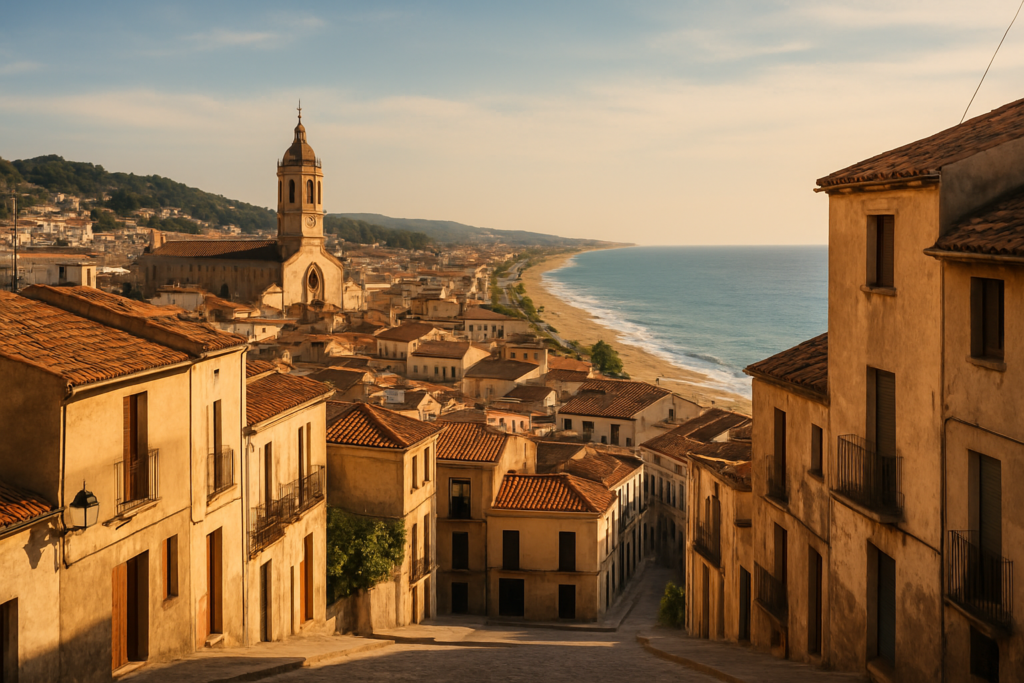
Expect a small working Mediterranean port rather than a theme-park resort. This stretch of the Maresme blends casual seaside life, a still-active fishing industry and an old town with quieter, everyday Catalan rhythms. If you arrive expecting big tourist infrastructure and nonstop nightlife, you’ll likely be disappointed; if you want a compact coastal town with a marina, sandy shore, crafts tradition and a poetic hillside cemetery, this delivers neatly as a day trip or a calm overnight base from Barcelona.
Arenys de Mar at a glance
- Sits on the Maresme coast between Canet de Mar and Caldes d’Estrac.
- About 40 km northeast of Barcelona—served by the R1 commuter rail (Rodalies).
- Home to Port d’Arenys, one of the largest marinas on the Maresme coast.
- Sandy beaches with a promenade running along the seafront beside the marina.
- Strong maritime and fishing tradition—daily fish auction is an active part of port life.
- Museum dedicated to bobbin lace (puntes al coixí), reflecting a long local craft tradition.
- Hillside cemetery that inspired Salvador Espriu’s Sinera, a literary touchstone.
Things to do in Arenys de Mar
Whether you want a short wander through narrow streets, a few hours on sand, or to watch boats and fishermen at work, the town concentrates activities within easy walking distance. Below is a quick comparison of the main attractions to help plan a half-day or full-day visit.
| Attraction | What it is | Price/entry | Best for |
|---|---|---|---|
| Port d’Arenys (the marina) | Large marina and working harbour for sailing and fishing boats | – | Boat-spotting, waterfront strolls |
| Hillside cemetery (Sinera) | Cemetery that inspired Salvador Espriu’s literary Sinera | – | Quiet reflection, literature fans |
| Museu Marès de la Punta | Museum dedicated to bobbin lace and local textile crafts | – | Crafts and cultural history |
| Santa Maria parish church | Parish church with a notable Baroque altarpiece by Pau Costa | – | Architecture and religious art |
| Fish auction at the port | Live auction reflecting the town’s ongoing fishing tradition | – | Food culture, market photography |
| The seafront promenade and beaches | Long sandy shoreline backed by a pedestrian promenade | – | Swimming, sunbathing, family beach days |
The marina and port life
The harbour is one of the largest on this stretch of coast, combining leisure berths with active fishing operations. Stroll the quays to see moored sailing boats and working fishing vessels; the port area is where the local seafood economy is most visible. If you want to get a sense of contemporary maritime life rather than a purely touristic marina, this is the place to linger.
The lace museum and craft traditions
The town has a long history of bobbin lace-making (puntes al coixí). The museum devoted to that craft explains traditional techniques and displays historic examples. It’s the clearest place to learn why the craft became an important local identity and how it continues to be remembered and displayed.
Sinera: the cemetery and literary association
Perched on a hillside overlooking the sea, the cemetery inspired the poet Salvador Espriu, who referred to it as Sinera (Arenys spelled backwards). Visitors interested in Catalan literature and contemplative views will appreciate the setting and the link between place and poetry.
Best beaches in Arenys de Mar
The shoreline here is predominantly sandy and backed by a promenade and the marina rather than a line of high-rise resorts. Beaches get busiest in summer; if you prefer quieter times, aim for shoulder seasons outside June–September.
| Beach | Character | Facilities / Blue Flag |
|---|---|---|
| Main seafront beaches | Sandy stretches directly beside the promenade and marina | Promenade facilities and nearby harbour services |
The town with kids
The town can be a straightforward family outing: shallow sandy beaches for paddling, wide promenades for scooters and strollers, and opportunities to see boats and the fish auction that usually fascinate children. The lace museum offers a quieter indoor activity that can work as a rainy-day option for older kids interested in crafts. Overall, this area suits families who want a calm coastal day rather than theme-park thrills.
How to get to Arenys de Mar and get around
Public transport makes the town an easy coastal excursion from Barcelona, and once you arrive most points of interest are walkable. The seafront, marina, old town and museums sit close together, so a car is unnecessary for a day visit.
| From | By | Approx time |
|---|---|---|
| Barcelona | R1 commuter rail (Rodalies) running along the Maresme coast | – |
Where to stay in the area
Accommodation clusters are small and oriented to relaxed seaside stays rather than large resorts. Consider these general neighbourhood choices depending on your priorities:
- Seafront / marina — best for easy beach access and waterfront views.
- Old town — quiet streets and proximity to the lace museum and Santa Maria church; suits walkers and those seeking local atmosphere.
- Hillside areas — offer elevated views and proximity to the cemetery and surrounding residential calm.
Best time to visit Arenys de Mar
The area has a Mediterranean climate with warm summers, so the busiest time for beaches and the marina runs from June through September. Shoulder seasons are pleasant for walking, visiting museums and avoiding the height of beach crowds.
| Season | Months | What to expect |
|---|---|---|
| Summer | June–September | Warmest weather and busiest beaches and marina |
| Shoulder seasons | Spring and autumn | Milder weather, fewer crowds, good for walking and museums |
History of the town
Maritime activities have long shaped the town’s identity: fishing, shipbuilding and trade historically linked local families to wider Mediterranean and Atlantic routes, including commerce with the Americas. That seafaring past is visible in the harbour and in cultural markers such as the lace-making tradition, which evolved alongside other local industries and social life. Literary history also embeds the place in Catalan culture through Salvador Espriu’s use of the hillside cemetery as Sinera.
Practical info
- Transport links: The R1 commuter line connects the coast to Barcelona and serves the town station, making it easy to visit without a car.
- Walking: The seafront, marina and old-town streets are compact and walkable; most attractions are close to each other.
- Local produce: The Maresme hinterland is known for market gardening and strawberries—look for local produce markets when available.
- Fishing culture: The port runs a live fish auction that underlines the area’s continuing fishing economy; the waterfront remains an active working harbour rather than a purely recreational marina.
Worth it for: visitors after a compact coastal town with a real harbour, sandy beaches, craft heritage and a literary landmark. Great as a calm day trip from Barcelona. Less so if: you want high-energy nightlife, large-scale tourist attractions or resort-style entertainment.
How we assess this guide
We compiled this guide from verified regional and cultural sources and cross-checked transport and heritage claims. We flag known operational matters (such as the active fish auction and the working nature of the port) so you can set expectations accurately; this is not based on live field reporting but on established references and municipal information.
Nearby on the Costa Brava
Towns near Arenys de Mar
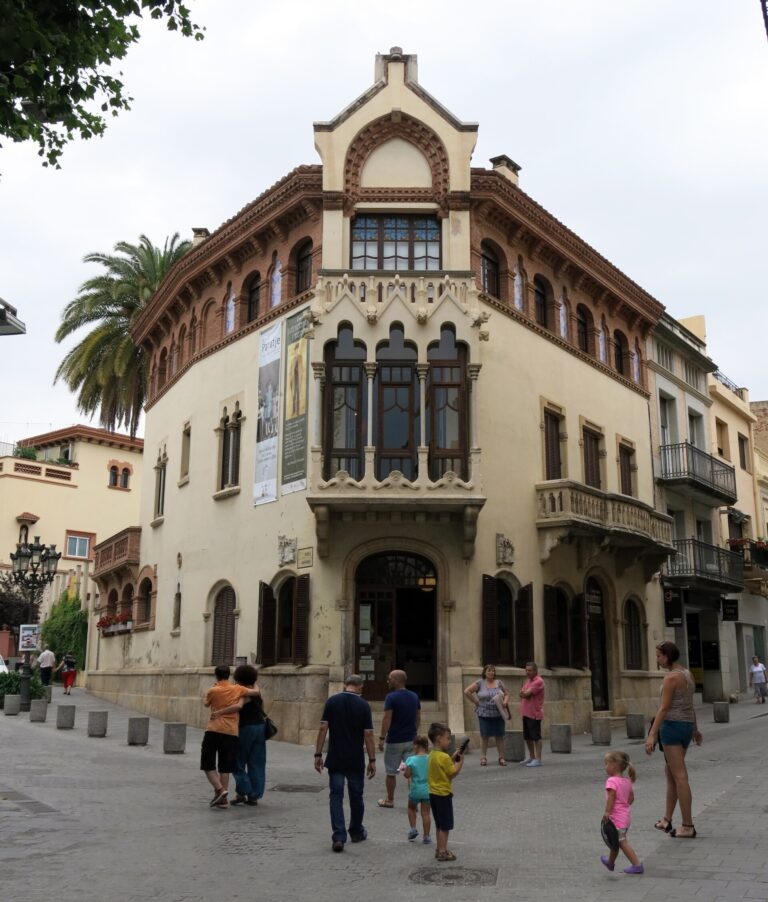
- Canet de Mar — 3 km east, Domènech i Montaner's modernism
- Mataró — 10 km south-west
- Calella — 10 km east
- Pineda de Mar — 13 km north-east, long Maresme beaches
- Sant Celoni — 13 km north-west, Wednesday market and Montseny access
- Malgrat de Mar — 17 km north-east, history, the Cathedral of the Coast and how to visit
Places to visit within reach
- Lluís Domènech i Montaner House-Museum — 3 km, The Palau de la Música and Hospital de Sant Pau were
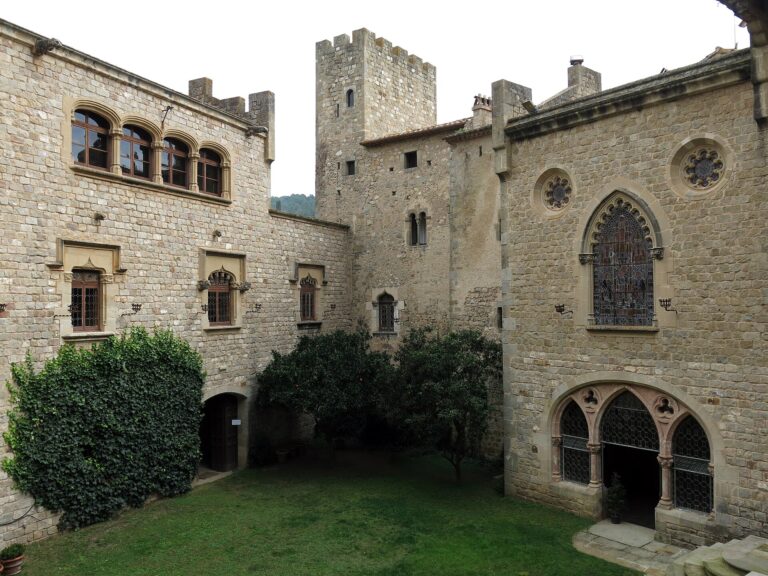
- Castle of Santa Florentina — 3 km, An 11th-century fortified house rebuilt around 1900 by Domènech i Montaner
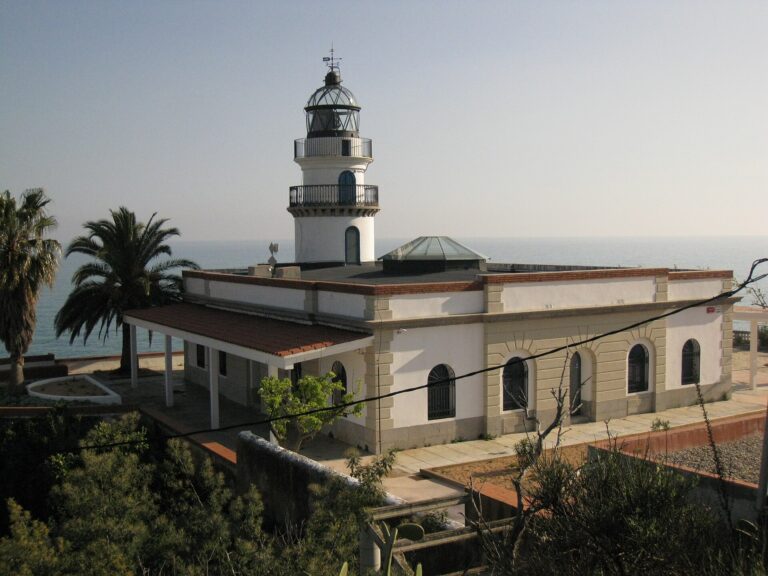
- Calella Lighthouse — 9 km, Calella’s lighthouse replaced a corsair watchtower in 1859 and still turns
- Iluro — 10 km, Roman Iluro was only eight hectares
For the wider picture, see the Costa Brava guide, which lists every town on this coast.
Frequently asked questions
How do I get to Arenys de Mar from Barcelona?
Take the R1 commuter rail (Rodalies) that runs along the Maresme coast; it stops at the town’s station and is the simplest public-transport option.
Is the town expensive to visit?
Costs are typical of small Catalan coastal towns: you’ll find a mix of modest local restaurants and waterfront options. There are no large resort price premiums concentrated here, but harbour-front venues can be pricier than inland eateries.
Which beach is best for swimming?
The main seafront sandy stretches beside the promenade and marina are the most convenient for swimming and family paddling; they are the town’s primary bathing areas.
How many days should I allocate?
Many visitors make this a half-day or day trip from Barcelona to combine beach time, a marina stroll, a museum visit and a walk through the old town. Staying overnight suits those who want quieter evenings and an early-morning harbour atmosphere.
Is it a good destination for families with children?
Yes—wide promenades and sandy beaches make for easy family outings, and the harbour and fish auction tend to interest kids. The lace museum offers an indoor cultural option for older children.
Can I get around without a car?
Yes. The town is compact and walkable; local attractions are within easy walking distance of the station and seafront.
Is parking difficult?
Parking availability varies with season and time of day. In summer, seaside areas are busiest; consider public transport or arrive early to find spaces near the seafront.
What are good rainy-day options?
Visit the lace museum to learn about the town’s bobbin lace tradition, explore the parish church to see the Baroque altarpiece by Pau Costa, or browse covered market areas if they are open that day.
When are the beaches busiest?
Beaches and the marina are busiest in the warmest months—June through September—when locals and visitors head to the coast for swimming and sun.
Are there cultural highlights or festivals to plan around?
The town’s craft and maritime traditions are celebrated locally, and you’ll see evidence of those traditions in museums and the active harbour; consult local cultural calendars for exact festival dates when planning a trip.
Can I watch a fish auction?
Yes—the port holds a live fish auction reflecting the continuing fishing tradition. It’s a good chance to see working harbour activity; check local schedules to time a visit.
Where can I learn about local crafts?
The Museu Marès de la Punta focuses on bobbin lace-making (puntes al coixí) and is the main place to learn about that long-standing local craft.
Is there notable religious art to see?
Santa Maria parish church houses a notable Baroque altarpiece by the sculptor Pau Costa, making it the primary stop for religious art in town.
What nearby towns are worth visiting on the same trip?
The Maresme coast is a chain of coastal towns; neighboring Canet de Mar and Caldes d’Estrac sit close by and can be combined into a broader coastal itinerary.
Is the cemetery accessible and what is its significance?
The hillside cemetery is accessible and is known for inspiring Salvador Espriu’s literary Sinera; it’s a contemplative site with sea views and cultural resonance.
Plan the wider trip
- Costa Brava travel guide
- Anglès: Riverside Textile Town in the Guilleries
- Argentona: Maresme spring-water town near Mataró
- Breda: Pottery and Monastery Village
- Cassà de la Selva: cork-country town near Girona
- El Masnou: Maresme Marina Town Guide
Arenys De Mar on the map
Places worth knowing near Arenys De Mar
How this page is maintained. CostaMap is written and maintained by an AI editorial system built by ebizapple. Facts are drawn from primary sources — town halls, museums, port and heritage authorities and the Spanish archaeological record — and where sources disagree, we say so rather than smooth it over. Photographs marked as ours are taken on location. This page was last reviewed on 15 August 2026. Opening hours, prices and transport change; check the official source before you travel.