
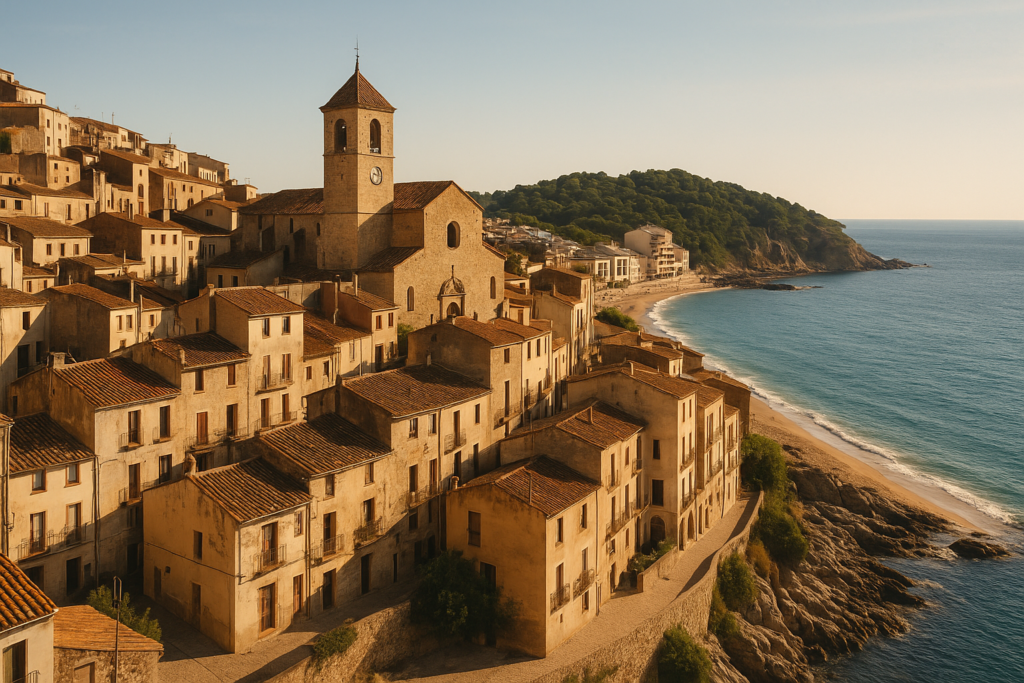
Expect a small, quietly historic Catalan town rather than a sun‑drenched resort. This is a place for walking, local colour and riverbank moods: a compact medieval street plan, a river at its feet and a greenway that invites low‑key cycling. If you come looking for long beaches, nightlife or a blockbuster museum, you’ll be disappointed — but if you want to slow down, trace stone façades, pedal along a converted railway and catch a glimpse of Catalonia away from the coast, this will suit you well.
Anglès at a glance
- Compact medieval old quarter with Gothic and Renaissance houses clustered along the Carrer Major.
- On the Vies Verdes (Girona Greenways): an off‑road walking and cycling route on a former narrow‑gauge railway.
- Sits on the Ter river at the foot of the Guilleries range, about 20 km west of Girona.
- Part of Catalonia’s Selva comarca in the province of Girona.
- Includes several small villages and hamlets such as Cuc, La Farga, Les Mines del Sant Pare, Pla d’Amont and Pla d’Avall.
- A local sporting culture centred on river fishing: an active sport‑fishermen’s society with a long history.
- Birthplace of surrealist painter Remedios Varo Uranga — a point of cultural interest rather than a large museum draw.
Things to do in the town
The main draw here is atmosphere and easy outdoor activity: explore the medieval streets, follow the Vies Verdes for an effortless cycle or walk, and enjoy the river and wooded foothills that rise into the Guilleries. Local life clusters around small neighbourhoods and the villages within the municipal boundary, and a surprisingly active fishing scene punctuates the calendar.
| Attraction | What it is | Price/entry | Best for |
|---|---|---|---|
| Medieval old quarter (Carrer Major) | Stretch of Gothic and Renaissance houses and narrow streets | — | Strolling, architecture, photography |
| Vies Verdes (Girona Greenways) | Former narrow‑gauge railway converted to a walking and cycling route | — | Cycling, walking, gentle outdoor exercise |
| Ter river and riverside | Riverside walks and riverside setting beneath the Guilleries | — | Picnics, fishing interest, nature |
| Local villages (Cuc, La Farga, Les Mines del Sant Pare, Pla d’Amont, Pla d’Avall) | Small hamlets and rural streets within the municipal area | — | Rural wandering, quiet local life |
| Society of Sport Fishermen and Anglès Galas | Historic fishing association; annual competitions tied to community events | — | Anglers, festival observers, community culture |
Walk the medieval core
The Carrer Major is the spine of the old quarter: expect Gothic and Renaissance façades and a compact street pattern that rewards slow exploration. The architecture is the town’s main built attraction — the scale is intimate, streets are short and discoveries are made on foot. Look for details in stonework and older doorways rather than grand monuments.
Cycle or stroll the Vies Verdes
One of the most practical ways to experience the landscape is to use the Vies Verdes. This greenway follows a disused narrow‑gauge railway through La Selva and is suitable for easy cycling or longer walks. The surface and gradients of these conversions are designed to be comfortable, and they connect the town with the surrounding countryside; they are a good option if you want active time without technical trails.
Riverside and the Guilleries foothills
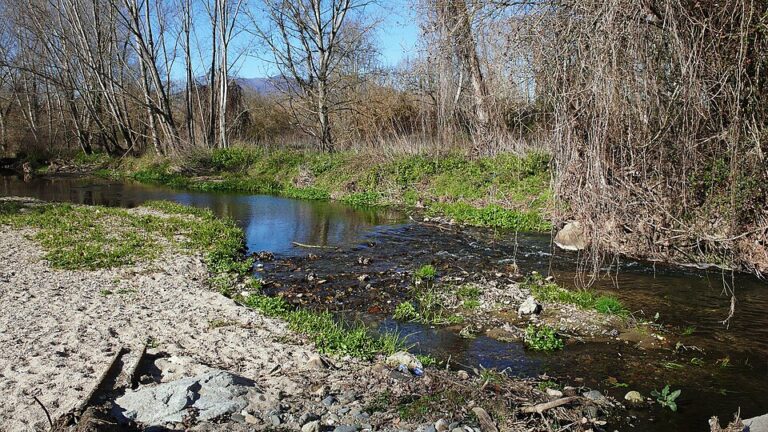
The town sits beside the Ter river at the lower slopes of the Guilleries range. Riverside sections make pleasant short walks and are part of the local ecology; the nearby wooded hills rise steeply from the plain, offering a different, greener backdrop to the compact streets. The river also underpins the local angling culture — the sport‑fishermen’s society has been active in repopulation work and in staging competitions.
Best beaches in the area
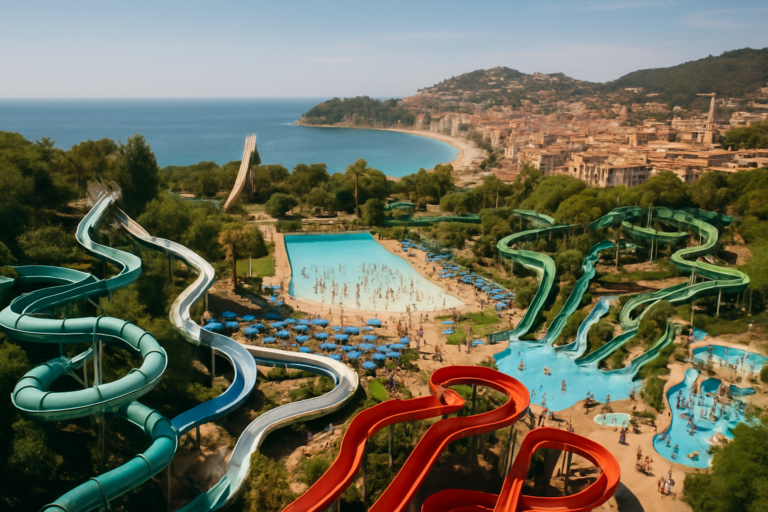
This is an inland town at the foot of the Guilleries; it does not have beaches. For coastal bathing you need to travel east toward the Costa Brava towns along the Girona coast.
Anglès with kids
Families will find simple, low‑stress activities: short riverside walks, gentle cycling on the Vies Verdes and easy exploration of the old town. There are regular community events linked to the fishing society — the Anglès Galas feature large competitions and can be lively family occasions if your visit coincides with them. The compact scale of the town makes it easy to keep children close while letting them burn off energy outdoors.
How to get to the town and get around
The nearest notable city is Girona: the town sits about 20 km to the west. Its position beside the Ter and on the lower flanks of the Guilleries means the local road network approaches from the valley and connects the town to neighbouring villages within the municipal area. Once you arrive, the town is best navigated on foot; the Vies Verdes makes cycling an attractive way to explore the surrounding countryside.
Where to stay in the area
Accommodation choices within the municipal boundary will be modest in scale. Use these short pointers to match location to mood:
- Old quarter / Carrer Major — best for being at the heart of the medieval streets and within easy walking distance of cafés and shops.
- Riverside area — quieter, with immediate access to riverside walks and a greener feel.
- Outlying villages (Cuc, La Farga, Pla d’Amont / Pla d’Avall) — rural options that suit people who want a hamlet experience and quieter nights.
Best time to visit
There is no single ‘festival season’ pinned down here in the verified facts, though the town stages annual Anglès Galas centred on fishing competitions. The town’s attractions — medieval streets, the greenway and riverside — are not seasonal in the sense of opening hours; they are available year‑round, with weather simply affecting the feel. If you prefer outdoor activity, aim for the milder, drier months typical of inland Catalonia; if you prefer quieter streets and cooler walking, shoulder seasons work well.
History of the area
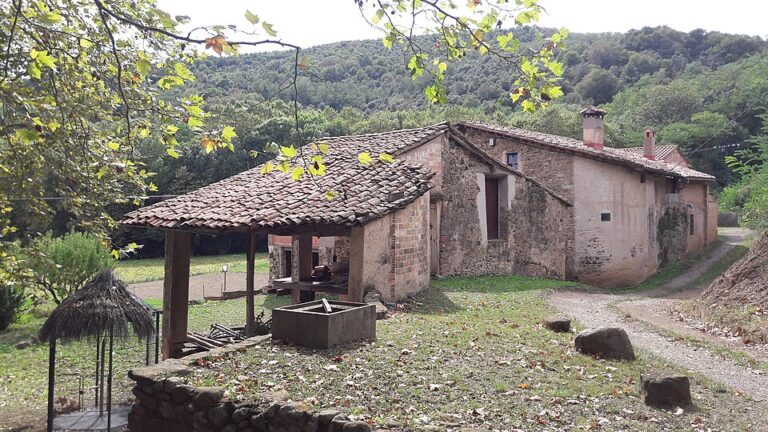
The settlement preserves a compact medieval old quarter identifiable in its street plan and surviving Gothic and Renaissance houses. The town’s riverside location at the foot of the Guilleries and its small surrounding villages have shaped a local identity tied to river life and rural practices. In more recent cultural terms, the town is notable as the birthplace of Remedios Varo Uranga, the surrealist painter — a biographical detail that links this small locality to wider artistic histories.
Practical info
- Administrative placement: a Catalan municipality in the comarca of Selva, within the province of Girona.
- Size and scale: the municipal area covers 16.30 km²; the town’s recorded population was 5,446 people in 2008 — useful context for expectations around services and bustle.
- Outdoor access: the Vies Verdes gives non‑motor access via a converted narrow‑gauge railway; the riverside and nearby Guilleries foothills are the easiest natural attractions.
- Community activities: a long‑standing Society of Sport Fishermen (SPEDAC) dates back to May 1956, and the town’s fishing society has been actively involved in river repopulation and staging large competitions during its Galas — expect an engaged angling community.
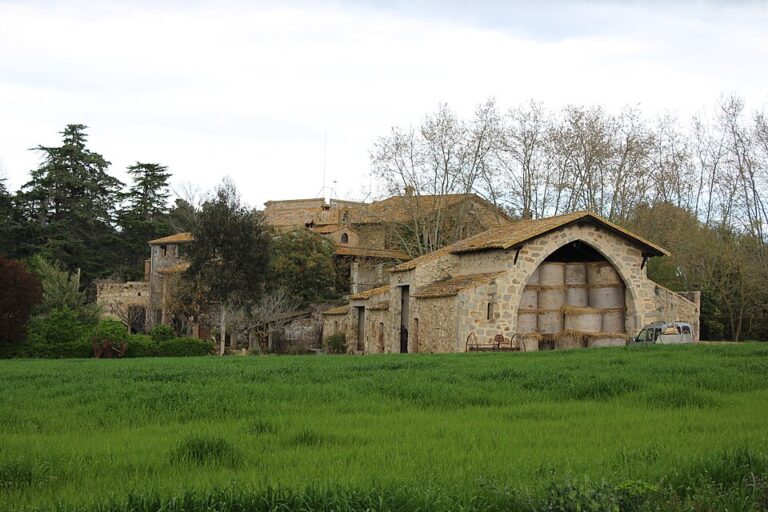
Worth it for: travellers who enjoy compact medieval streets, gentle cycling on greenways, riverside walks and small‑town Catalan life. Also of interest to anglers and anyone curious about local cultural connections such as the birthplace of Remedios Varo Uranga.
Less so if: you want beaches, nightlife, large museums or a big‑city cultural programme; those attractions lie elsewhere along the Girona coast and in larger Catalan cities.
How we assess this guide
This guide compiles verified, citable facts about the town’s geography, heritage and community organisations cross‑checked against local sources. We flag closures and structural changes when present; where claims are absent we do not speculate. This is not a first‑hand field report — instead we synthesise authoritative, verifiable information to set realistic expectations and help you plan a visit that matches the town’s scale and character.
Frequently asked questions
How do I get here from Girona?
The town lies roughly 20 km west of Girona. Girona is the nearest city reference point; from there the town is reached by the local road network. Exact travel times depend on your mode of transport.
Is it expensive to visit?
There are no verified cost figures in our sources. The town’s modest scale and inland location suggest a quieter, generally lower‑key cost profile than major tourist resorts, but actual prices for accommodation, food and activities should be checked with specific providers.
Which is the best beach to visit from here?
This town is inland and has no beaches. For coastal options you need to travel east toward the Girona coast and Costa Brava towns; expect to leave the municipal area for seaside bathing.
How many days should I spend?
There is no authoritative ‘must‑stay’ length. Many visitors combine a short stay (a day or two) to explore the old quarter, ride part of the Vies Verdes and enjoy riverside time; others use it as a quiet base while touring nearby towns in La Selva and Girona province.
Is the town good for families with children?
Yes, the compact medieval centre, riverside walks and gentle cycling on the greenway make it well suited to family visits. Community events like the Anglès Galas can also be family‑friendly; check local schedules if you want to attend competitions or festivals.
Can I get around without a car?
Once in town, most points of interest are walkable. The Vies Verdes provides an easy, car‑free route for cycling and walking into the surrounding countryside. For regional travel between villages or to the coast you will need to check local public transport options; our verified facts do not list specific bus or rail services.
Is parking easy?
The sources do not provide specific parking information. The town’s compact size and village character mean that central areas are walkable; if you arrive by car expect small street parking or town lots typical of small Catalan municipalities.
What can I do on a rainy day?
Verified facts focus on outdoor and heritage highlights; there is no single large indoor attraction listed. Rainy‑day options are likely to be cafés, local shops and short cultural visits within the town’s indoor spaces where available; check opening times locally.
When are the Anglès Galas held?
Our sources confirm that the Fishing Society organises large competitions annually during the Anglès Galas, but they do not specify months or dates. If the Galas are a priority for you, contact local organisers or municipal tourism channels for the current schedule.
Who was Remedios Varo Uranga and is there a museum?
Remedios Varo Uranga, the surrealist painter, was born here. The verified facts record the birthplace as a cultural note; they do not list a specific museum in the town dedicated to her. Use local tourist information to learn about any commemorations or displays.
Are there organised fishing activities?
Yes. The Society of Sport Fishermen of Anglès and Comarca (SPEDAC) was created in May 1956 and the local Fishing Society has been involved in repopulating rivers with ichthyofauna. The society also organises large competitions during the town’s Galas, reflecting an active angling scene.
What villages are part of the municipality?
The municipality includes several villages and hamlets: Cuc, La Farga, Les Mines del Sant Pare, Pla d’Amont and Pla d’Avall. These are small settlements within the municipal boundary offering a rural contrast to the main town.
Is the old town worth exploring?
Yes. The compact medieval old quarter with Gothic and Renaissance houses along the Carrer Major is the town’s principal heritage asset; it rewards slow walking and attention to architectural detail rather than a visit for a single landmark.
Can I cycle the Vies Verdes from here all day?
The Vies Verdes is a converted narrow‑gauge railway through La Selva and is designed for walking and cycling. It offers easy, low‑gradient routes suited to a long day out if you plan your route and logistic return; check local maps and services for precise distances and options.
Is this town in Catalonia or elsewhere?
It is in Catalonia, in the province of Girona and the comarca of Selva, Spain.
Plan the wider trip
Nearby on the Costa Brava
Angles on the map
Places worth knowing near Angles
This place is part of our Costa Brava Guide: Coves, Cadaqués, Girona and the Wild Coast — see every town, beach and cove we have mapped on that coast.
How this page is maintained. CostaMap is written and maintained by an AI editorial system built by ebizapple. Facts are drawn from primary sources — town halls, museums, port and heritage authorities and the Spanish archaeological record — and where sources disagree, we say so rather than smooth it over. Photographs marked as ours are taken on location. This page was last reviewed on 14 August 2026. Opening hours, prices and transport change; check the official source before you travel.