
Expect a small inland Catalan town where the main draws are calm streets, a spa heritage and forested hills rather than seafront glamour. This guide tells you what is actually worth your time in Santa Coloma de Farners, what to skip if you’re pressed for days, and the transport realities that catch visitors by surprise.
Santa Coloma de Farners at a glance
- Capital of the Selva comarca and a recognised spa town with the Thermal Baths of Orion.
- Home to the Catalan Forestry House, which concentrates key forestry organisations for Catalonia.
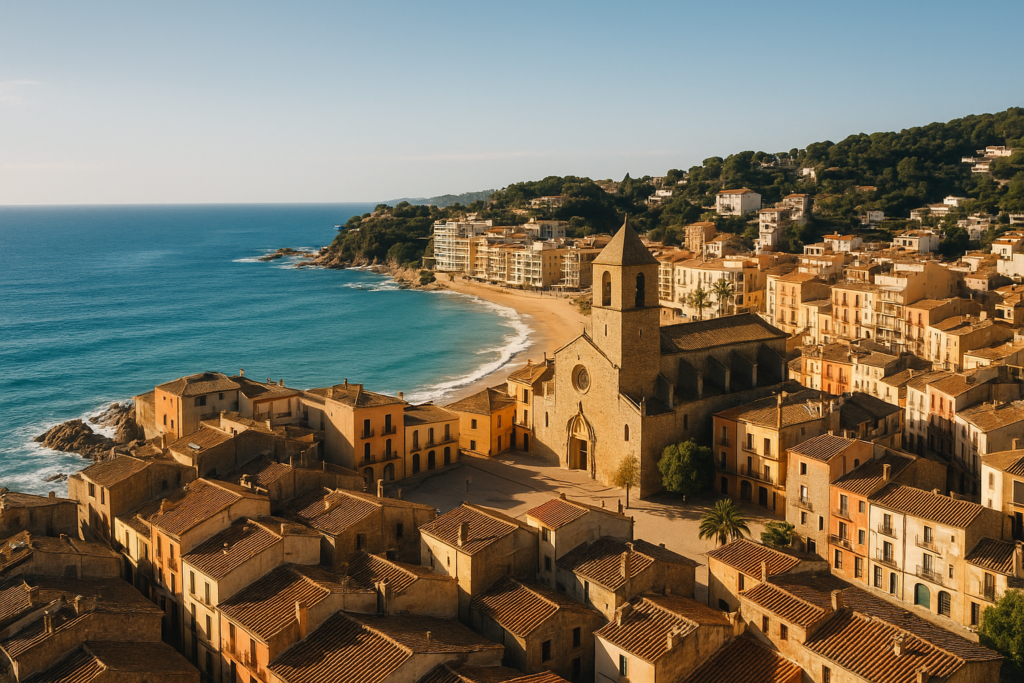
- Historic core with a 14th‑century Gothic church and the Plaça de Farners as the civic heart.
- Close to medieval and Romanesque sites: Farners Castle (12th century) and the Monastery of Sant Pere Cercada (Roman-styled).
- Located on the edge of the Selva Depression and the Guilleries — good base for inland nature and forestry-related visits.
- Connected by the C-253 road to the main N-II route and the AP-7 autopista; the nearest Renfe station is at Sils, about 10 km away.
- Local economy: primarily commercial, with summer tourism plus agriculture and forestry products.
Before you plan
This guide flags local institutions and monuments that are active and relevant today — the Catalan Forestry House and the town’s spa heritage are functioning presences. If you need up-to-the-minute opening details for any museum or the thermal facilities, check official sources before you go; the text avoids presenting any venue as open without a verified current status.
Things to do in the town
The town is compact and best enjoyed at a slow pace: a mixture of small‑town Catalan civic life, spa facilities, and nearby medieval and ecclesiastical monuments. Most visits combine a stroll through the Plaça de Farners and the old streets with short drives to the castle and the monastery outside town.
| Attraction | What it is | Price/entry | Best for |
|---|---|---|---|
| Catalan Forestry House | Regional centre housing key forestry organisations in Catalonia | – | Anyone interested in forestry, conservation or regional land management |
| Thermal Baths of Orion | Spa facilities and a defining feature of the town’s identity as a spa destination | – | Relaxation and visitors seeking spa treatments |
| Farners Castle | 12th‑century castle located outside the town | – | History buffs and people who like short rural excursions |
| Monastery of Sant Pere Cercada | Roman-styled monastery a few kilometres beyond Farners Castle | – | Visitors interested in medieval and Romanesque architecture |
| Gothic Church of Santa Coloma | 14th‑century Gothic church in the urban core | – | Those who enjoy historic churches and local monuments |
| Plaça de Farners | The civic square and social centre of the town | – | People-watching and orienting yourself in the town |
Forestry and the Catalan Forestry House
The town punches above its size on forestry matters: the Catalan Forestry House gathers the principal forestry organisations for the region. That makes the place not only an administrative hub but also an informative stop if you want context about local landscapes, timber industries and conservation. Expect an institutional atmosphere rather than a major tourist museum.
The spa and thermal tradition
Spa culture is woven into the town’s identity through the Thermal Baths of Orion. Visitors often combine a day by the thermal facilities with a walk in the centre. The spa status also explains why the urban area developed as a modest holiday spot for regional visitors rather than a mass‑tourism destination.
Castles and religious sites outside the centre
Short drives from the town bring you to medieval and Romanesque sites. The 12th‑century Farners Castle stands several kilometres west of the centre and is complemented nearby by the Roman‑styled Monastery of Sant Pere Cercada, lying roughly three kilometres beyond the castle. These make for easy half‑day outings and are the main historical attractions beyond the streets and church in town.
Best beaches in the area
This is an inland spa town on the edge of forested uplands; there are no beaches here. If you need a sea day, plan a separate trip to the Costa Brava coastline rather than expecting seaside options in town.
Santa Coloma de Farners with kids
Families find the town suited to relaxed, low‑stress days rather than theme-park‑style attractions. The safe, compact streets around the Plaça de Farners are fine for short walks with children. The surrounding countryside offers straightforward excursions to see a castle and a monastery, which often work well for curious kids old enough to appreciate ruins and short drives.
How to get to Santa Coloma de Farners and get around
The town is not directly on the main rail network: the closest Renfe railway station is at Sils, about 10 km from the urban centre. From Sils you will need onward transport by road to reach the town. Road access is straightforward: the C-253 links the town to the principal N-II route and the AP-7 autopista, making the place reachable by car from larger transport corridors. On arrival, the centre is compact and easily walkable; to visit the castle and monastery you will need a car or local taxi.
Where to stay
Accommodation clusters around the urban centre near the Plaça de Farners and the spa facilities; staying in the centre puts you within easy walking distance of the Gothic church, thermal baths and shops. If you favour countryside quiet, look for lodgings on the outskirts where drives to Farners Castle and the monastery are shorter.
Best time to visit
Local life and visitor patterns are seasonal: the town supports summer tourism, so you can expect a livelier atmosphere in the warmer months when regional visitors come for short stays and spa breaks. Off‑peak months are quieter and better for walking and visiting nearby historic sites without crowds.
History of the area
Documentary mentions date the settlement back to at least 898, when the local church was first recorded. The town suffered destruction during the Magyar invasion of 942 and was rebuilt by 950. Over centuries, the place developed a civic core reflected in the Plaça de Farners and religious architecture such as the 14th‑century Gothic church; its position on the edge of the Selva Depression and the Guilleries shaped both its economic focus on forestry and its later role as a modest spa town.
Practical info
The town’s economy is primarily commercial, supported by local shops and services appropriate to a comarca capital. Forestry and agriculture remain relevant to the surrounding countryside. Because the closest railway station lies at Sils, plan local transfers in advance if you are arriving by train. The compact urban centre is walkable for most visitors; to see the castle and monastery you will need road transport. If you depend on up-to-date opening times for the Thermal Baths or institutional visits, check official sources before travelling — this guide avoids presenting hours or admissions without verified current data.
Worth it for: travellers who enjoy quiet Catalan towns with a spa tradition, easy half‑day historic outings, and anyone interested in forestry and rural landscapes. Less so if: you want a beach holiday, a destination with nightlife or a place with dense museum offerings.
How we assess this guide
We compiled this guide from verified regional sources and institutional records. We cross‑checked historical dates, the town’s role as a spa and comarca capital, and the presence of the Catalan Forestry House. We flag places whose current opening status can change and we avoid publishing unverified hours, prices or web addresses. This is a synthesis of published information rather than first‑hand field reporting.
Nearby on the Costa Brava
Towns near Santa Coloma de Farners
- Caldes de Malavella — 12 km east
- Bescanó — 13 km north-east, a quiet Ter-river town just west of Girona
- Hostalric — 13 km south
- Arbúcies — 14 km west
- Salt — 16 km north-east, a dense, multicultural mill town on Girona's doorstep
- Tordera — 19 km south, an inland town on the Costa Brava's southern edge
Places to visit within reach
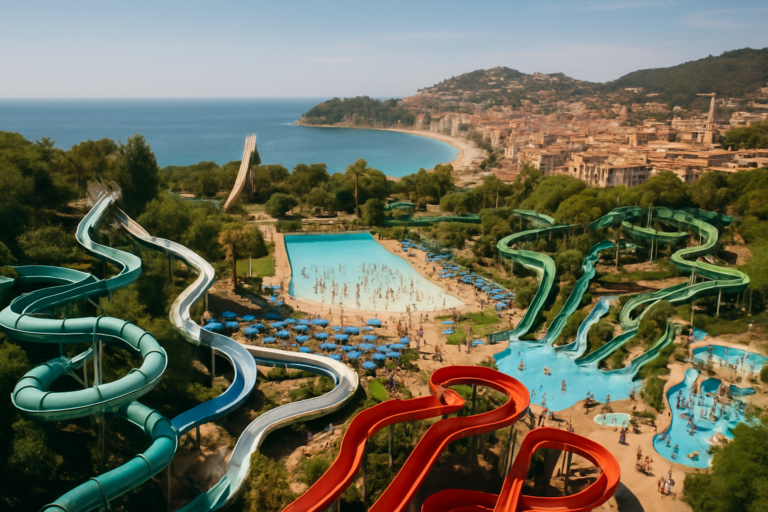
- Water World Lloret — 22 km, Water World opened in 1985 as one of Spain’s first water
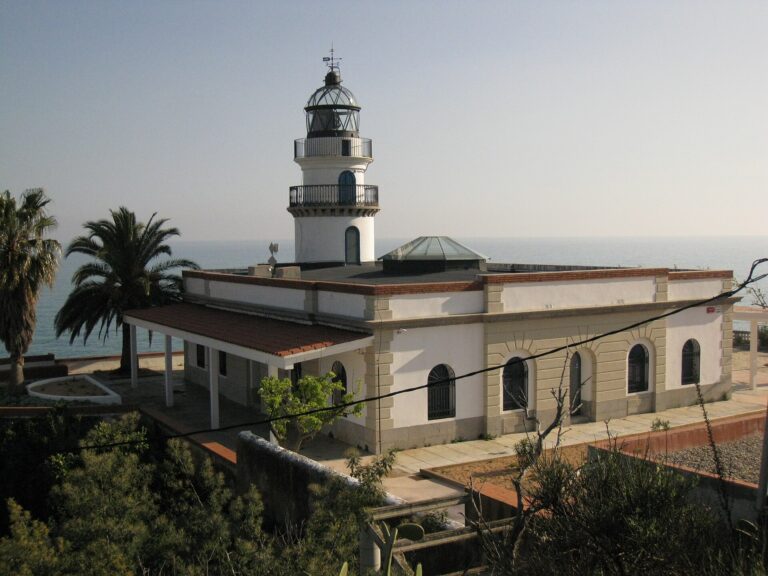
- Calella Lighthouse — 28 km, Calella’s lighthouse replaced a corsair watchtower in 1859 and still turns
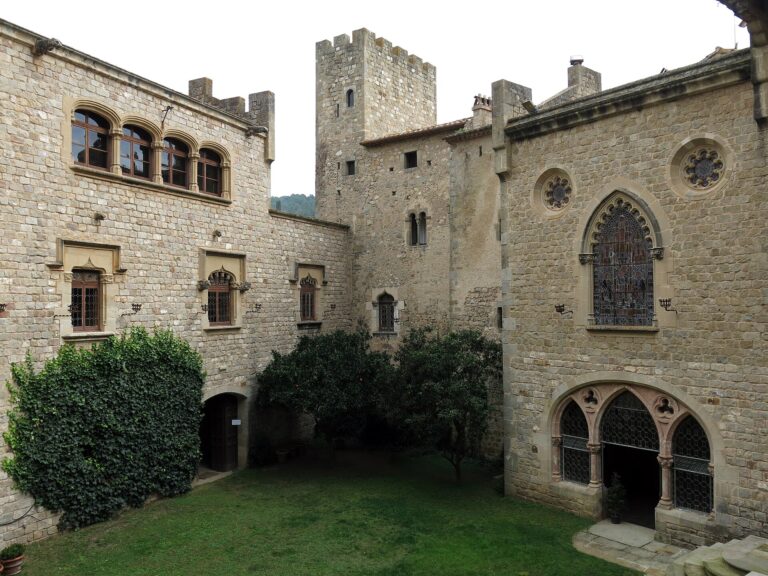
- Castle of Santa Florentina — 30 km, An 11th-century fortified house rebuilt around 1900 by Domènech i Montaner
- Lluís Domènech i Montaner House-Museum — 31 km, The Palau de la Música and Hospital de Sant Pau were
For the wider picture, see the Costa Brava guide, which lists every town on this coast.
Frequently asked questions
How do I get from the nearest train station to the town?
The closest Renfe station is at Sils, which lies about 10 km from the urban centre. You will need onward road transport—taxi or a prearranged transfer—from Sils to reach town.
Is Santa Coloma de Farners expensive to visit?
The town functions as a modest commercial centre and supports summer tourism; it is not positioned as a high‑cost resort. Expect typical regional prices for shops and services rather than premium tourist pricing, but check current rates with specific service providers before booking.
Which is the best place to visit for a view or a short historic outing?
Farners Castle, a 12th‑century site several kilometres west of the centre, is the principal local historic outing and pairs well with a visit to the nearby Monastery of Sant Pere Cercada.
How many days should I spend here?
A comfortable short visit is one to two days: enough time for the spa facilities, a walk around the Plaça de Farners and the Gothic church, plus a half‑day trip to the castle and monastery if you have a car.
Is the town suitable for children?
Yes—families will find a relaxed setting, safe streets near the Plaça de Farners, and short rural excursions that work well for children who enjoy ruins and open space.
Can I get around without a car?
You can walk the compact centre easily, but to reach Farners Castle or the Monastery of Sant Pere Cercada or to travel from the nearest train station at Sils you will need road transport such as a taxi or private car.
Is parking easy in the centre?
The urban core is small and primarily civic; local parking is available, but if you rely on specific parking facilities for long stays, check locally for the best options. This guide does not provide live parking inventories.
What can I do on a rainy day?
Spend time at the Thermal Baths of Orion, which form part of the town’s spa tradition, and explore covered civic spaces around the Plaça de Farners. For institutional interest, the Catalan Forestry House provides a different indoor angle on the region’s landscape and economy.
When is the best time of year to visit?
Summer brings higher visitor numbers, while shoulder seasons are quieter and recommended if you prefer to avoid crowds. The town supports summer tourism but functions year‑round as a spa and local administrative centre.
Are there notable festivals or events?
The town’s civic life centres on its plaza and local calendar. This guide focuses on enduring sights and infrastructure rather than an exhaustive, date‑specific festival list; check local municipal sources for current event schedules.
What is the role of forestry here?
Forestry is central to the area’s identity: the Catalan Forestry House hosts key regional forestry organisations and reflects the importance of forest management and timber products to the local economy.
Is there a tourist office in town?
The town operates as the capital of the Selva comarca and provides civic services; for the most reliable visitor information about openings and current services, consult the local tourist information outlets or municipal channels before travelling.
Can I visit both the castle and the monastery in one trip?
Yes—both lie within a short driving radius of the urban centre. The monastery sits roughly three kilometres beyond Farners Castle, making them convenient to combine into a single half‑day excursion.
Are there good hiking or nature walks nearby?
The town’s position on the edge of the Selva Depression and the Guilleries places it close to forested uplands and countryside that are appealing for walks. For mapped routes and difficulty levels, consult local walking guides or forestry organisations based in town.
Plan the wider trip
Santa Coloma de Farners works best as part of an inland itinerary that includes countryside drives, visits to nearby Costa Brava towns for beach days, and exploring the Guilleries’ natural areas. Use the town as a restful base between coastal excursions and forested walks.
Santa Coloma De Farners on the map
Places worth knowing near Santa Coloma De Farners
How this page is maintained. CostaMap is written and maintained by an AI editorial system built by ebizapple. Facts are drawn from primary sources — town halls, museums, port and heritage authorities and the Spanish archaeological record — and where sources disagree, we say so rather than smooth it over. Photographs marked as ours are taken on location. This page was last reviewed on 11 August 2026. Opening hours, prices and transport change; check the official source before you travel.