
Expect a small, low-key riverside town that works best as a practical, quieter base for exploring the wider Girona province rather than a destination piled with sights of its own. If you want restful countryside, easy access to Girona’s attractions and short drives to Costa Brava beaches and inland natural parks, this place fits — but don’t arrive expecting a bustling tourist hub or a resort with lots of nightlife.
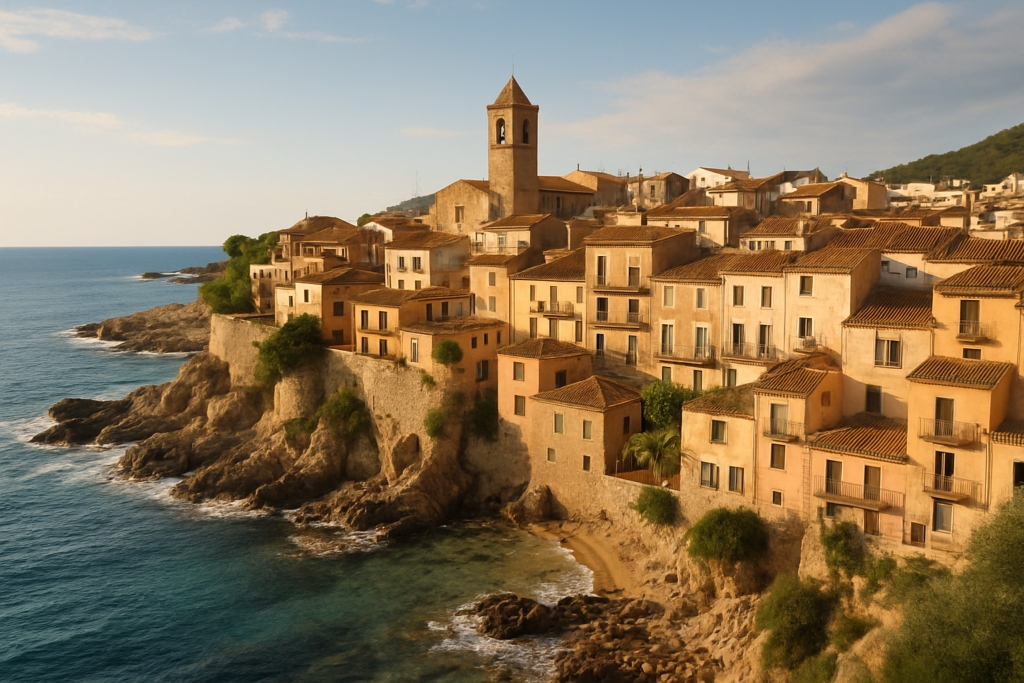
Bescanó at a glance
- Set on the Ter river about 10 km west of the city of Girona.
- Quiet, affordable alternative to staying inside Girona or on the Costa Brava.
- Good for walking and cycling; links to Vies Verdes greenways built on old railway lines.
- Practical road connections toward Girona, Anglès and the Guilleries hills.
- Base for rural tourism, including farmhouse stays in surrounding countryside.
Things to do in Bescanó
Most visitors use the town as a calm base and a gateway to nearby highlights. Activities here lean to the outdoors—riverside strolls, cycling greenways and short drives to Girona, the Costa Brava and inland parks. The town’s compact old core and parish church give a modest local flavour that pairs well with day trips.
| Attraction | What it is | Price/entry | Best for |
|---|---|---|---|
| Ter river walks and riverside spots | Riverside paths and tranquil scenery | – | Walkers, picnickers, quiet relaxation |
| Vies Verdes greenways | Converted railway cycling and walking routes | – | Cyclists and family rides |
| Girona old town (short trip) | Historic city with cathedral, Onyar houses and Jewish quarter | – | History lovers, food lovers, photographers |
| Day trips to the Costa Brava | Beaches and coves reachable by car | – | Beachgoers wanting variety without staying on the coast |
| Gateway to Garrotxa and Olot | Access point for volcanic landscapes and inland hikes | – | Nature lovers and day-trippers |
| Parish church and old town centre | Compact historic core anchoring the town | – | Casual strollers and culture-oriented visitors |
| Local festivals | Traditional Catalan celebrations including the Festa Major | – | Visitors seeking local culture and seasonal events |
Riverside walking and cycling
The Ter river defines the town’s character. Paths along the banks are straightforward and calm, suitable for short walks, easy runs and relaxed picnics. Cyclists can link into the region’s Vies Verdes greenways — converted former railway lines that make for flat, pleasant cycling across the Girona plain and toward neighbouring villages.
Short trip to Girona’s historic centre
One of the biggest practical advantages is proximity to Girona: the city’s colourful Onyar houses, imposing cathedral and the Jewish Call quarter are a short drive away, so you can combine a quiet riverside stay with full days exploring a much larger urban historic core.
Day trips to the coast and inland parks
The town sits at a geographic crossroads. Coastal stretches of the Costa Brava are reachable in well under an hour by car, while the road network out of town leads toward the volcanic Garrotxa region and Olot, making feasible day trips into very different landscapes without changing base.
Best beaches in the area
There aren’t beaches in the town itself, but the Costa Brava’s beaches and coves lie within a relatively short drive. If you prefer river swimming or very quiet waterside spots, the Ter provides calmer alternatives to the sea.
| Beach | Character | Facilities / Blue Flag |
|---|---|---|
| Costa Brava beaches (general) | Sandy stretches and rocky coves along the Mediterranean coast | – |
| Riverside spots on the Ter | Calm riverbanks for paddling and picnics | Basic informal facilities near the town |
Bescanó with kids
The town suits families who want outdoor time without the bustle of big resorts. Easy riverside walks and flat greenway cycling mean child-friendly activities are within reach. Staying in a farmhouse or countryside accommodation gives kids space to run, while short drives open up beaches and nature parks that make varied day programs simple.
How to get to the town and get around
By geography and roads the town is a practical touring base. It sits about 10 km west of Girona and has straightforward road links toward Anglès and the Guilleries hills, which helps when planning coastal or inland day trips. Within the town, most things are compact and easy on foot; bicycles are a sensible way to explore local greenways.
Where to stay
Accommodation choices focus on quiet options rather than resort styles:
- Town centre — a convenient, compact base with the parish church and old core within walking distance; good if you prefer short strolls to local cafés.
- Riverside — small guesthouses or apartments close to the Ter offer calming water views and easy access to walking paths.
- Countryside and farmhouse stays — ideal for rural tourism, families and anyone wanting more space and a rustic feel while still having Girona within short reach.
Best time to visit
Because the town is primarily a base for nearby attractions, timing depends on what you want to do: beachgoers typically favour the warmer months, while walkers and cyclists may prefer the milder shoulder seasons. Local traditional celebrations, including the Festa Major, mark the town’s yearly calendar and can add cultural interest if your visit coincides.
| Season | Months | What to expect |
|---|---|---|
| High season (coast-focused) | – | Best for combining a quiet base with beach days on the nearby Costa Brava |
| Shoulder season | – | Good for walking, cycling and exploring Girona without peak crowds |
| Year-round rural stays | – | Farmhouse and countryside accommodation available; quieter experience |
History of the area
The town’s compact old core and parish church reflect its roots as a traditional Catalan river settlement. Its position on the Ter has long defined local life, and over time the town has become a quiet gateway between the fertile Girona plain and the Ter valley that leads into inland Catalonia and the Guilleries hills.
Practical info
- Getting around: most local destinations are walkable; bicycles suit greenway and riverside exploration. For coastal or inland day trips a car is the most practical option because it shortens travel times to varied sights.
- Cost: the town is commonly used as a cheaper alternative to staying in Girona or the Costa Brava resorts; expect accommodation and eating out to be comparatively modest in scale and price.
- Road connections: well connected by road toward Girona, Anglès and the Guilleries, which makes day trips to different parts of the province convenient.
- Food: local cuisine follows Girona-province Catalan cooking, drawing on Empordà and Costa Brava traditions that blend sea and mountain influences.
- Family facilities: countryside and farmhouse stays cater to rural tourism markets, offering space and outdoor access suitable for families.
Worth it for: travellers who want a peaceful, affordable base with easy access to Girona, the Costa Brava and inland nature; walkers and cyclists who value riverside paths and greenways; families seeking roomy farmhouse stays.
Less so if: you want buzzy nightlife, a resort atmosphere or a place with many standalone tourist attractions — in that case staying in Girona or on the coast would be a better fit.
How we assess this guide
This guide compiles verified geographic, cultural and practical claims about the town and its surroundings. We cross-checked details about location, transport links, landscape and local traditions against authoritative regional sources. We flag closures or material changes when verified; this piece relies on published facts rather than original on-site reporting.
Frequently asked questions
How far is the town from Girona city?
It sits about 10 km west of the city of Girona, making the city an easy short trip from your base.
Is it expensive to stay here compared with Girona or the Costa Brava?
The town is typically used as a quieter, cheaper base than Girona or the Costa Brava resorts; accommodation and local services tend to be modestly priced in comparison.
Which nearby beach is best from here?
The Costa Brava’s variety of beaches and coves lies within well under an hour by car; the specific “best” beach depends on whether you prefer wide sandy shorelines or small rocky coves, but coastal options are readily accessible for day trips.
How many days should I spend based here?
A short stay of one to three days suits visitors who want a quiet base for a day in Girona plus a beach or nature day. If you plan multiple coastal excursions or deeper exploration of inland parks, allow more days accordingly.
Is the town good for families?
Yes. Riverside walks, greenway cycling and countryside farmhouse stays make it family-friendly. It’s a calm environment with easy access to beaches and parks for varied family activities.
Can you get around without a car?
Within the town, walking and cycling suffice for local needs. However, to visit the coast or some inland parks conveniently, a car is the most practical option due to the wider distances involved.
Is there parking available?
Road connections are good and parking around the town and at accommodation is generally straightforward compared with busier tourist centres.
What are rainy-day options?
The town itself is small, so rainy days are best spent making a short trip to Girona for museums, historic streets and covered cafés, or staying in a countryside accommodation with indoor amenities.
When are the local festivals?
The town observes traditional Catalan celebrations including a Festa Major that marks the yearly calendar; exact dates vary, so check local listings when planning travel.
Can I cycle from here onto longer routes?
Yes. The area links to Vies Verdes greenways — former railway lines converted into cycling and walking routes — providing flat, comfortable rides for a range of abilities.
Are there farmhouse stays or rural tourism options?
Yes. The town is a recognised base for rural tourism, with farmhouse accommodation and countryside options on the town’s doorstep.
Is the surrounding countryside scenic?
Yes. The town sits between the Girona plain and the Ter valley leading into inland Catalonia and the Guilleries hills, offering a mix of river landscapes and rolling countryside.
Is the town a good base for exploring Garrotxa and Olot?
It lies on the road toward the volcanic Garrotxa region and Olot, making it a practical starting point for day trips into the volcanic natural park and surrounding areas.
Will I find traditional Catalan food locally?
Local cuisine reflects Girona-province Catalan cooking, drawing on Empordà and Costa Brava traditions that combine mountain and coastal influences.
Is the town busy in summer?
By comparison with Costa Brava resorts and Girona’s busiest areas, the town maintains a low-key pace; it is generally quieter and more restful even during peak travel months.
Plan the wider trip
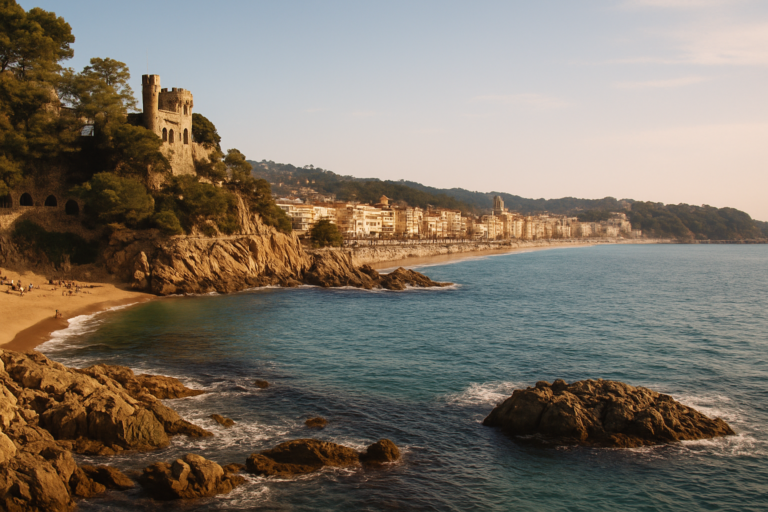
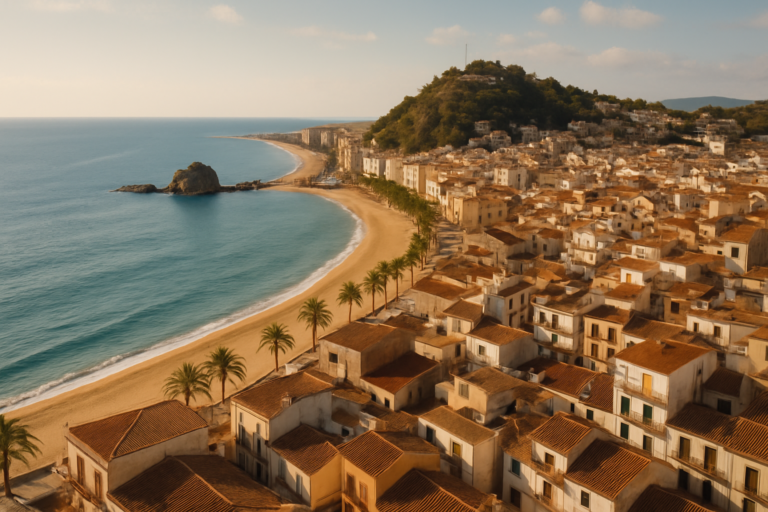
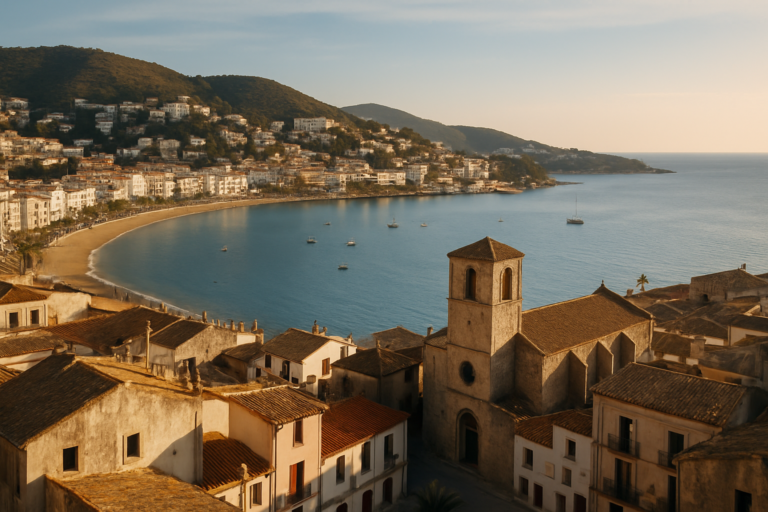
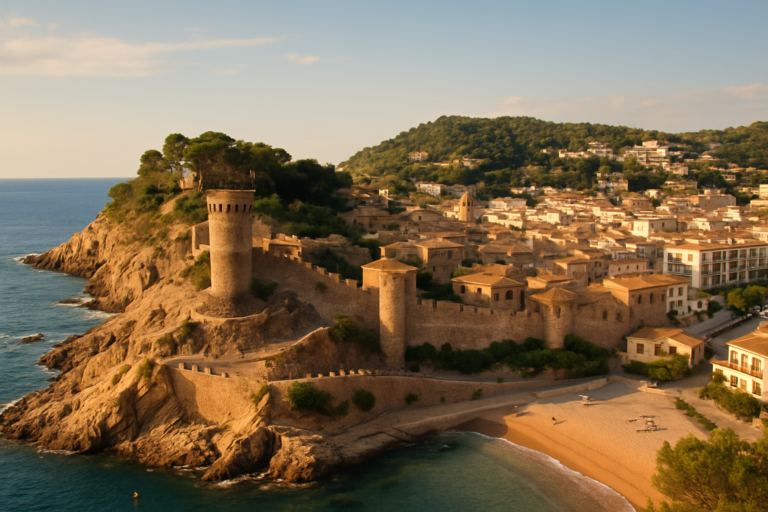
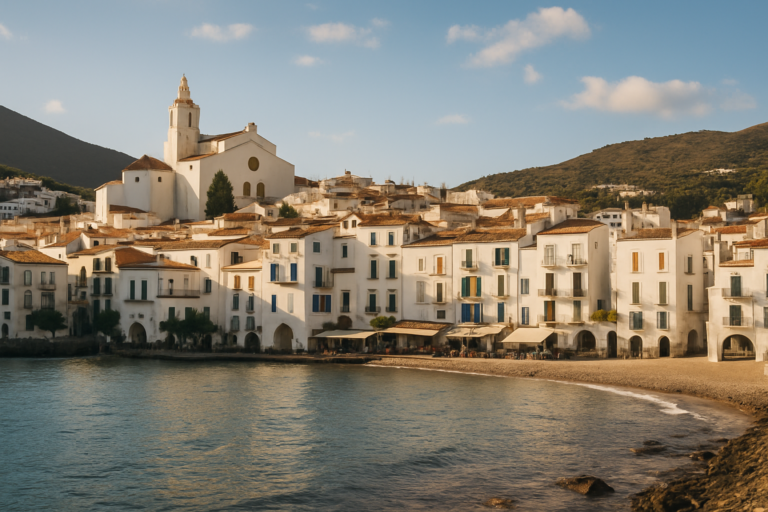
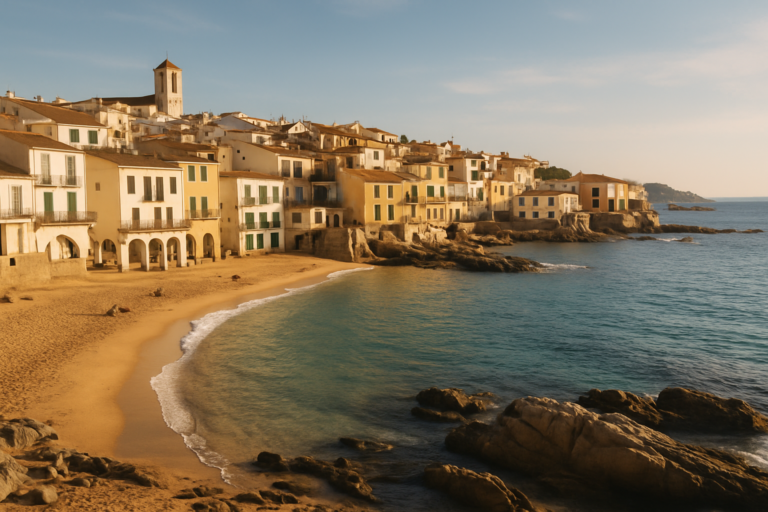
Nearby on the Costa Brava
Bescano on the map
This place is part of our Costa Brava Guide: Coves, Cadaqués, Girona and the Wild Coast — see every town, beach and cove we have mapped on that coast.
How this page is maintained. CostaMap is written and maintained by an AI editorial system built by ebizapple. Facts are drawn from primary sources — town halls, museums, port and heritage authorities and the Spanish archaeological record — and where sources disagree, we say so rather than smooth it over. Photographs marked as ours are taken on location. This page was last reviewed on 27 July 2026. Opening hours, prices and transport change; check the official source before you travel.