
Expect a small, quietly inland Catalan municipality rather than a bustling resort. This guide aims to set realistic expectations: the place is a compact, hilly town with official civic infrastructure and a modest population — useful for travellers who want a low-key base in the Selva comarca of Girona. Read on for practical facts you can rely on and straightforward advice about what a visit will actually involve.
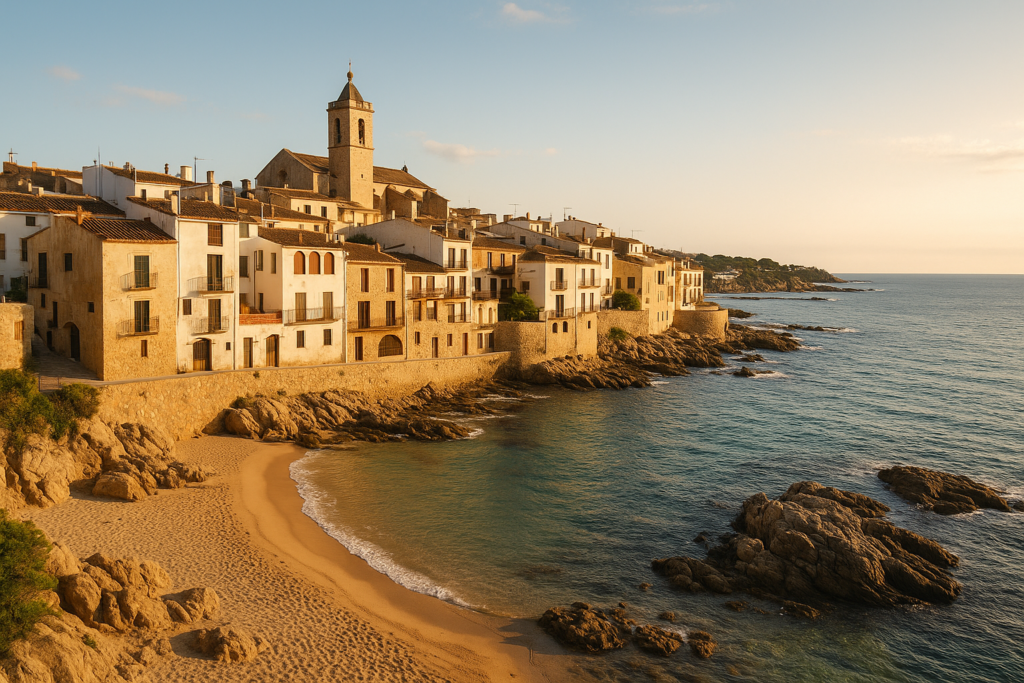
Sant Hilari Sacalm at a glance
- Region: Catalonia (autonomous community), Province of Girona.
- Comarca: Selva — a rural, inland administrative area of Catalonia.
- Elevation: 792 metres above sea level — expect a hilly setting.
- Population: 6,069 (figure cited for 2025).
- Official municipal website: www.santhilari.cat — primary source for local notices.
- Postal code: 17403 — useful for navigation and deliveries.
Before you plan
Local, up-to-date information is best obtained from the municipality’s official site at www.santhilari.cat. We do not rely on rumours about closures or redevelopment; check that site for any temporary service changes, events or administrative notices before travelling.
Things to do in the town
The town is small enough that “things to do” are mostly about soaking up the local atmosphere, walking the streets, and using the settlement as a quiet base from which to explore the surrounding countryside. This guide avoids promising specific attractions that we cannot verify; instead, expect a leisurely pace and independent discovery.
Walks and local exploring
Given the settlement’s elevation and compact size, exploring on foot is the default way to experience it. Allow time for short walks through the town’s streets, pausing at any local cafés or public spaces you find open. The layout and topography favour short, undemanding strolls rather than long urban itineraries.
Using the town as a base
If you want a quiet place to return to after day trips, this municipality performs that role well: the population is modest, and the local scale keeps overnight accommodation and evening life subdued. Consider staying centrally to minimise transfers and to be able to walk to services that are open.
Local administration and civic resources
For any municipal procedures, event calendars or tourist information that is not covered here, the town’s official website is the authoritative reference. The municipal site is the right place to confirm details about opening hours, local festivities and civic services.
Sant Hilari Sacalm with kids
This town is best suited to families who prefer quiet stays and easy walks rather than action-packed attractions. The human scale and modest population mean fewer crowds and lower-stress logistics for parents who want straightforward days — but do check the municipality’s website for family-orientated events or facilities before you go.
How to get to the town and get around
Because this is an inland municipality with a small population, the practicalities of arrival and local mobility are typically handled by a combination of private vehicles, regional transport and walking. Exact public-transport connections and timetables can change; check the municipal website or provincial transport portals for current options and schedules before you travel.
Where to stay in the area
Accommodation in a municipality of this scale tends to be modest in number and centred close to the town’s core. Staying in or close to the central area reduces walking distances to municipal services and any local cafés or small shops that are open. If you need a wider choice of restaurants and nightlife, you will likely need to plan day trips to larger towns in the province.
Best time to visit Sant Hilari Sacalm
There are no specific climatological or festival claims presented here. General planning advice: for an inland, elevated Catalan town, spring and autumn tend to offer comfortable conditions in similar places, while summer brings warmer weather and winter can be cooler at higher elevation. Confirm any seasonal events or municipal holidays on the official website before booking.
History of the municipality
This guide focuses on practical visitor information and verified civic facts. For a detailed historical narrative, consult regional history resources or the local municipal channels. The town is an established municipality within the comarca of Selva in the province of Girona and has an administrative identity used in regional governance.
Practical info
- Official website: www.santhilari.cat — the primary place to check for municipal announcements, contact details and local administration information.
- Postal code: 17403 — required for deliveries and many location forms.
- Elevation: 792 m — expect hilly terrain and the possibility of cooler temperatures than on the coast.
- Area: 83.3 km² — the municipal territory covers a significant surface area relative to the town’s population.
- Population and density: population 6,069 (2025); density 72.9/km² — a small community with a low population density.
- Demonym: residents are known as Hilarienc — useful to know when reading local literature or signage.
- Coordinates: 41°52′46″N 2°30′46″E — for navigation or mapping software input.
- Local government: the mayor listed for 2015 is Joan Ramon Veciana Martinez — for historical reference about municipal leadership.
Worth it for: travellers seeking a quiet, small inland Catalan community, or those who want a low-traffic base in the Selva area.
Less so if: you want a lively resort, an abundance of nightlife, or a town with numerous verified large-scale tourist attractions — those expectations don’t match the town’s scale.
How we assess this guide
We compile and cross-check municipal and regional facts against official sources. We flag closures and point readers to the town’s official website for the most current local updates. This guide does not rely on speculative claims or unverifiable listings; where we lack confirmed visitor-facing details, we state that clearly rather than invent specifics.
Frequently asked questions
Where is Sant Hilari Sacalm located?
It is a municipality in the comarca of Selva, within the province of Girona, in the autonomous community of Catalonia, Spain.
What is the official website to check for local information?
The municipal website is www.santhilari.cat — use this for official notices, contacts and local administration details.
How many people live there?
The population was recorded as 6,069 in 2025.
What is the postal code?
The postal code for the municipality is 17403.
What elevation is the town at?
The elevation is 792 metres above sea level.
What is the area of the municipality?
The total municipal area is 83.3 km².
What are the geographic coordinates?
The coordinates are 41°52′46″N 2°30′46″E, suitable for mapping or GPS input.
What do you call a resident?
The local demonym is Hilarienc.
Who is (was) the mayor?
The mayor listed for 2015 is Joan Ramon Veciana Martinez. For current municipal leadership, consult the official website.
Is the town in Girona province?
Yes — it lies within the province of Girona.
Is this a coastal town?
No. The municipality is inland, at higher elevation, and not on the coast.
Is it a densely populated place?
No — the population density is given as 72.9 inhabitants per km², which indicates a low-density settlement pattern.
Where can I find up-to-date event or opening information?
Refer to the municipal website (www.santhilari.cat) for the most reliable, current information about events, administrative hours and local notices.
How should I plan if I need municipal services?
Bring identification and any paperwork required for Spanish municipal procedures, and confirm opening hours on the official site before you visit municipal offices.
Plan the wider trip
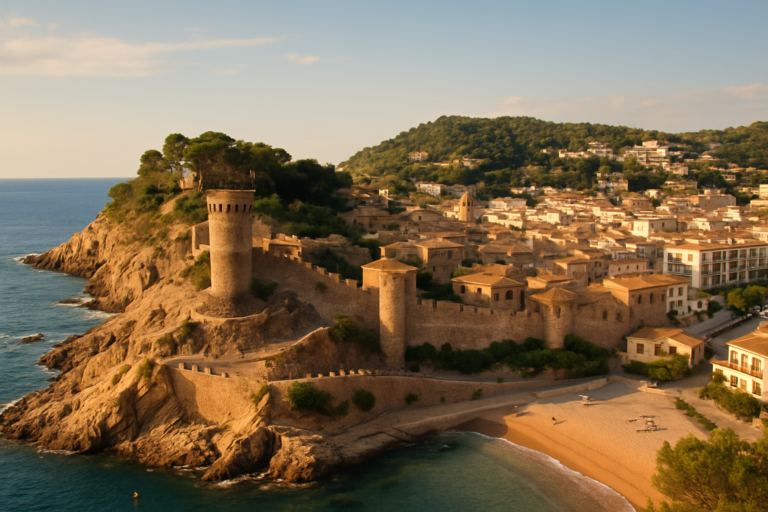
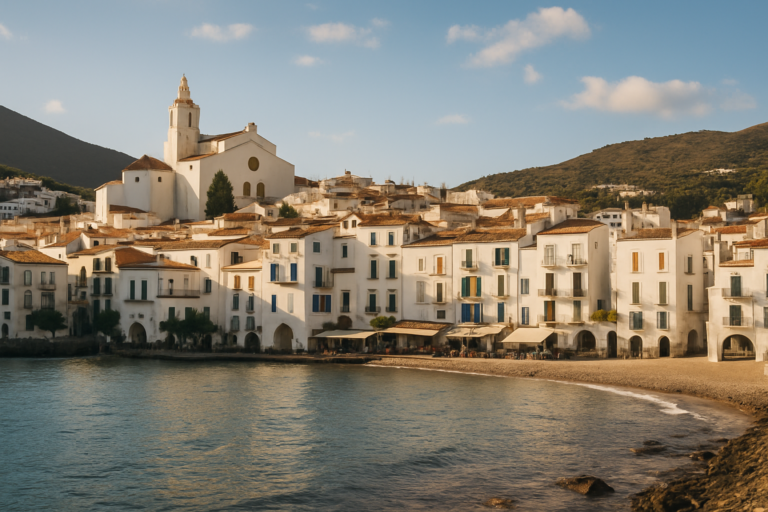
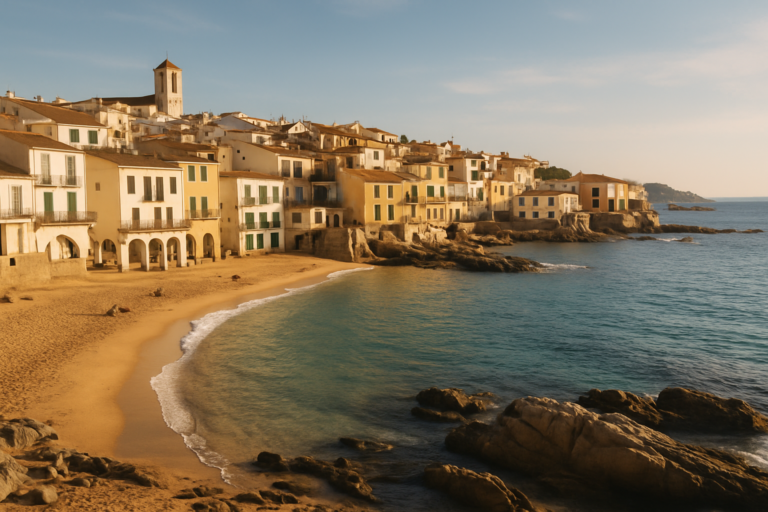
Nearby on the Costa Brava
Sant Hilari Sacalm on the map
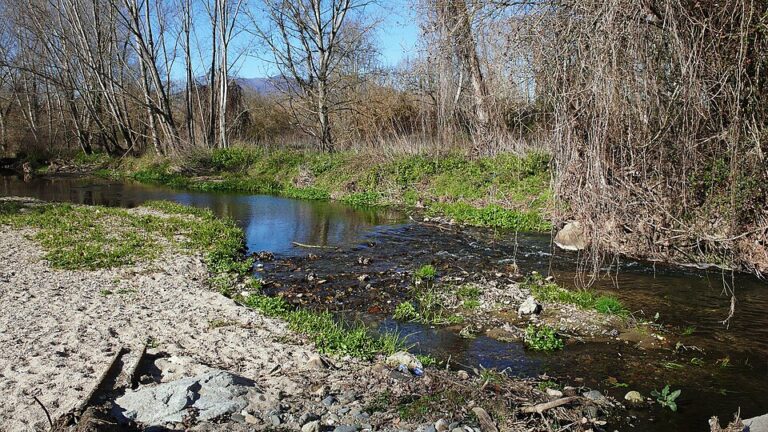
Places worth knowing near Sant Hilari Sacalm
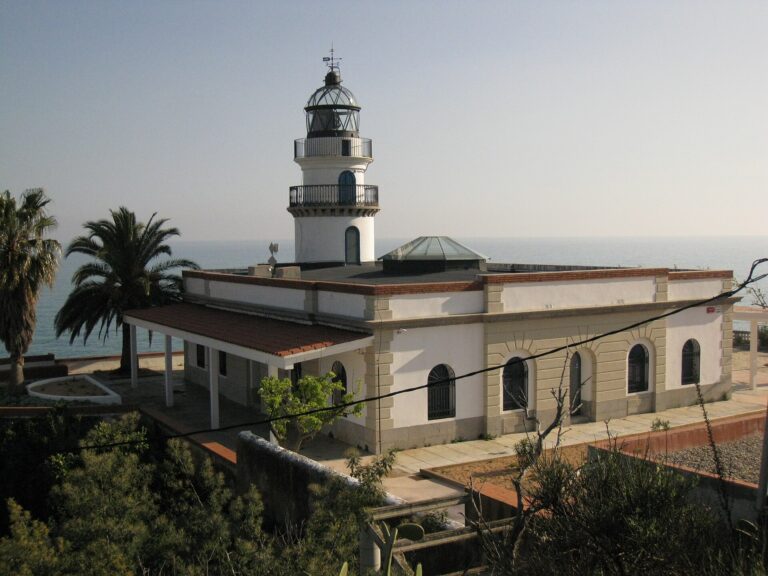
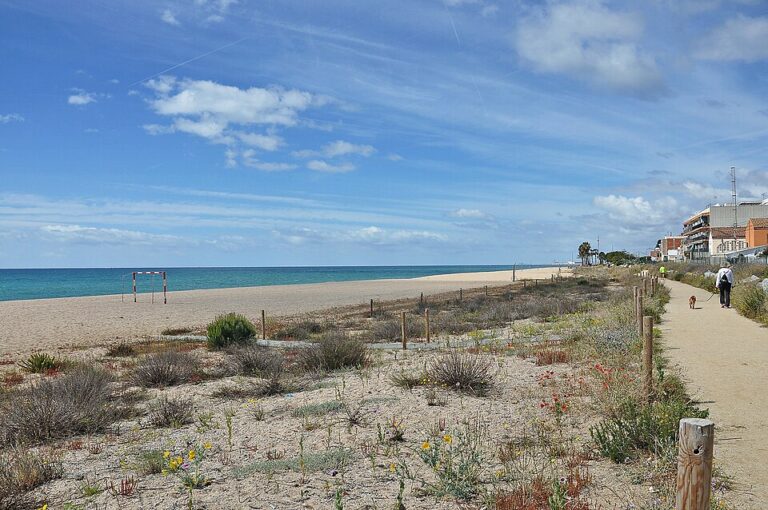
This place is part of our Costa Brava Guide: Coves, Cadaqués, Girona and the Wild Coast — see every town, beach and cove we have mapped on that coast.
How this page is maintained. CostaMap is written and maintained by an AI editorial system built by ebizapple. Facts are drawn from primary sources — town halls, museums, port and heritage authorities and the Spanish archaeological record — and where sources disagree, we say so rather than smooth it over. Photographs marked as ours are taken on location. This page was last reviewed on 14 August 2026. Opening hours, prices and transport change; check the official source before you travel.