
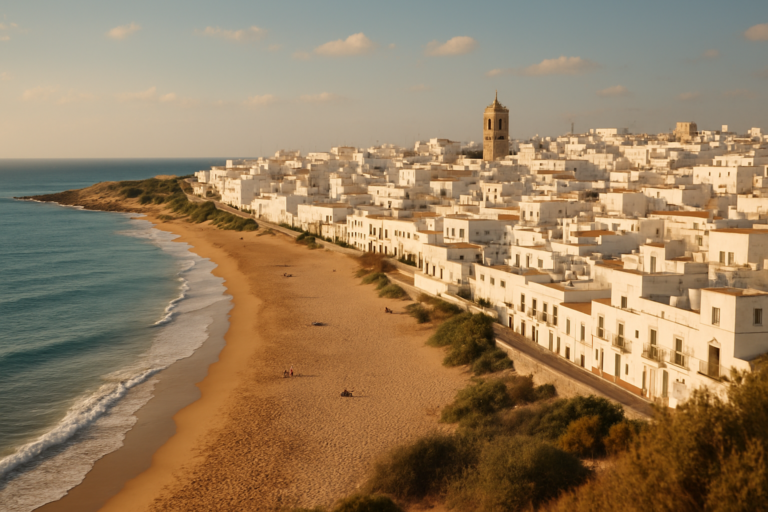
Expect a low-key Atlantic fishing town where big beaches, pine-clad cliffs and an old tuna fleet define the pace. This guide focuses on practical realities — what you can reasonably see and do in a single visit, where disappointment commonly comes from (overcrowded summer weekends, limited public-transport links) and the authentic local highlights that repay a little planning.
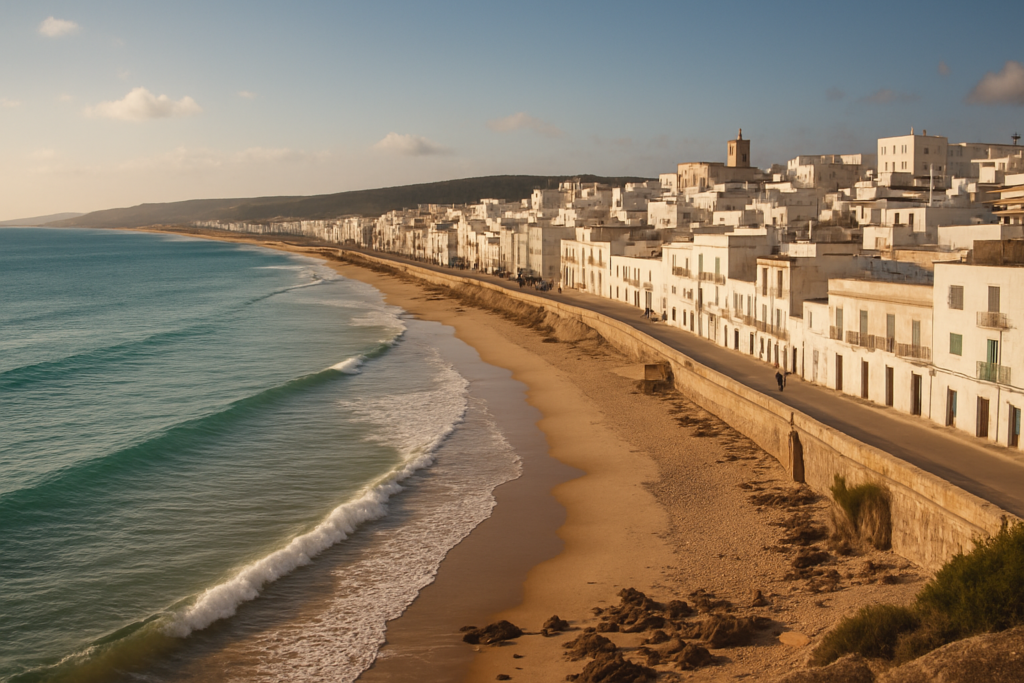
Barbate at a glance
- Coastal fishing town and port on Andalusia’s Costa de la Luz.
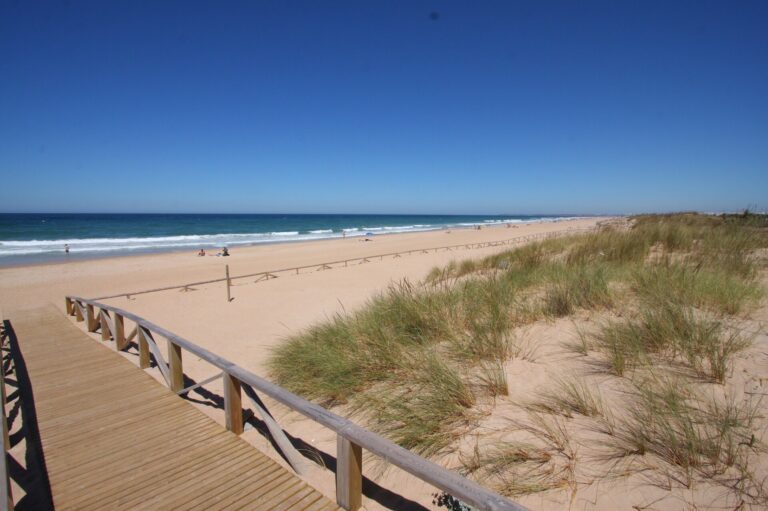
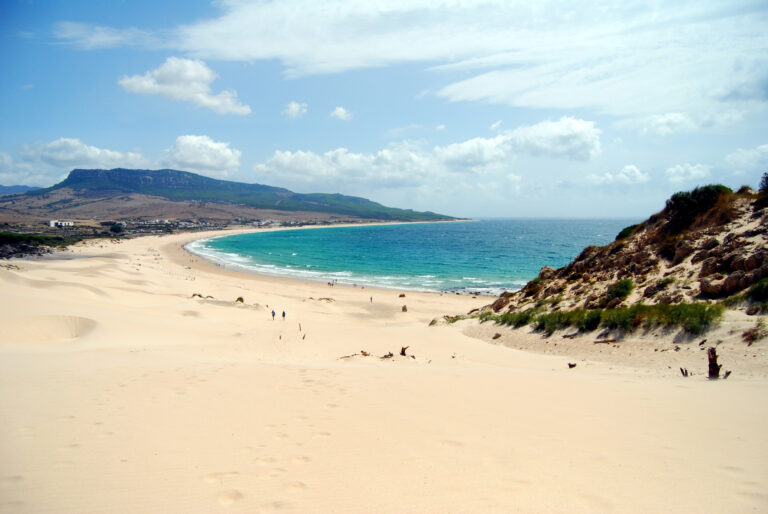
- Long Atlantic beaches of fine golden sand with generally clean water.
- Located within La Breña y Marismas del Barbate natural park: cliffs, pine forest and marshland.
- Working tuna fleet; spring tuna gastronomy season centred on the traditional ronqueo.
- Clifftop walking trail on the La Breña cliffs with views toward Cape Trafalgar.
- Marshes near the river mouth attract migrating birds — a draw for birdwatchers.
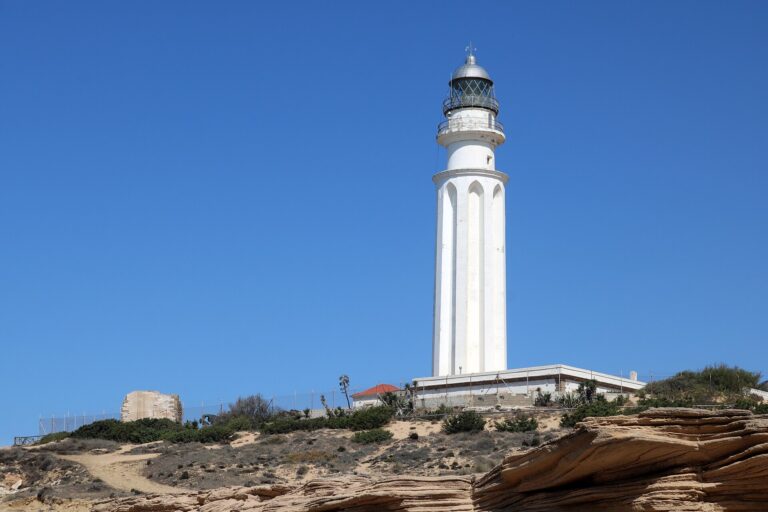
- Neighbouring Zahara de los Atunes and Los Caños de Meca (with the lighthouse at Cape Trafalgar) are minutes away and popular with beachgoers and surfers respectively.
Things to do
The town’s appeal comes from a handful of strong, tangible experiences: long Atlantic beaches for strolling and sun, scenic clifftop walks through protected pine forest, and a working fishing port where the tuna fleet and seasonal gastronomy remain central to local life. Plan visits so you don’t waste time chasing attractions that are essentially stretches of coastline or natural scenery — they reward slow exploration rather than ticking boxes.
| Attraction | What it is | Price/entry | Best for |
|---|---|---|---|
| La Breña cliffs and walking trail | Clifftop path through pine forest with Atlantic views toward Cape Trafalgar | – | Hikers, photographers |
| Marismas del Barbate wetlands | Estuarine marshes near the river mouth attracting migrating birds | – | Birdwatchers, nature lovers |
| Barbate port and tuna fleet | Working fishing harbour; centre of local tuna gastronomy and fisheries | – | Food lovers, cultural interest |
| Paseo marítimo (promenade) | Seafront promenade running along the central beach | – | Families, easy strolls |
| Neighbouring Los Caños de Meca & Cape Trafalgar | Surfing spot and lighthouse area just north of town | – | Surfers, day-trippers |
| Zahara de los Atunes | Well-known nearby beach village a few kilometres south | – | Beachgoers, restaurants |
Walk the La Breña clifftop trail
The protected coastal strip known as La Breña y Marismas del Barbate contains a clifftop footpath that winds through pine woods and offers long views west toward Cape Trafalgar. It’s an easy way to experience the Atlantic scale and the rugged coastline; bring windproof layers, because Atlantic weather can change fast.
Watch birds at the marshes
The marshes by the river mouth are an ecological counterpoint to the beaches. Migrating birds use this wetland habitat, so time your visit to coincide with migration windows if birdwatching is a priority. Binoculars and a field guide will make short visits more rewarding.
Experience the tuna culture
The port remains a working centre for almadraba bluefin tuna fishing, an ancient trap-net method that dates back to Phoenician and Roman times. The town’s seasonal focus on tuna culminates in a gastronomy season around the ronqueo (the traditional butchering of bluefin) — a cultural and culinary highlight if your visit matches the timing.
Best beaches in the area
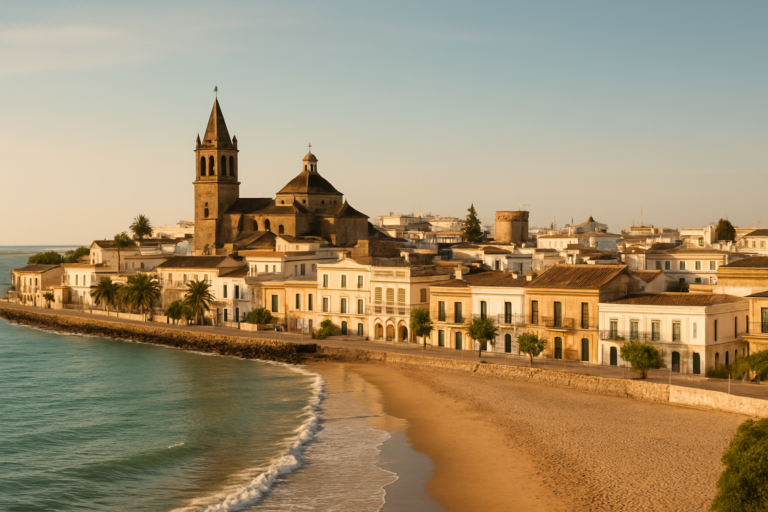
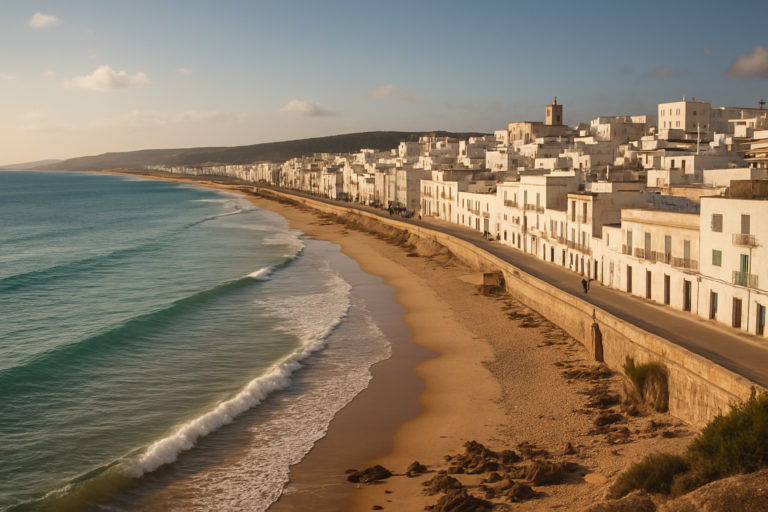
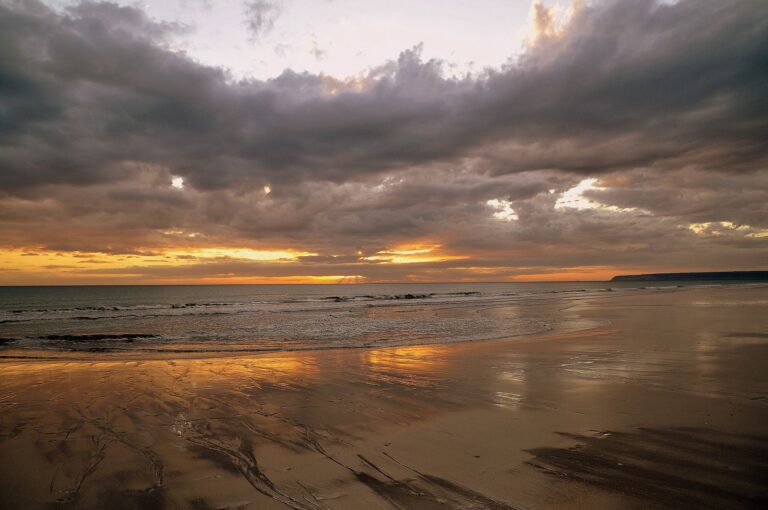
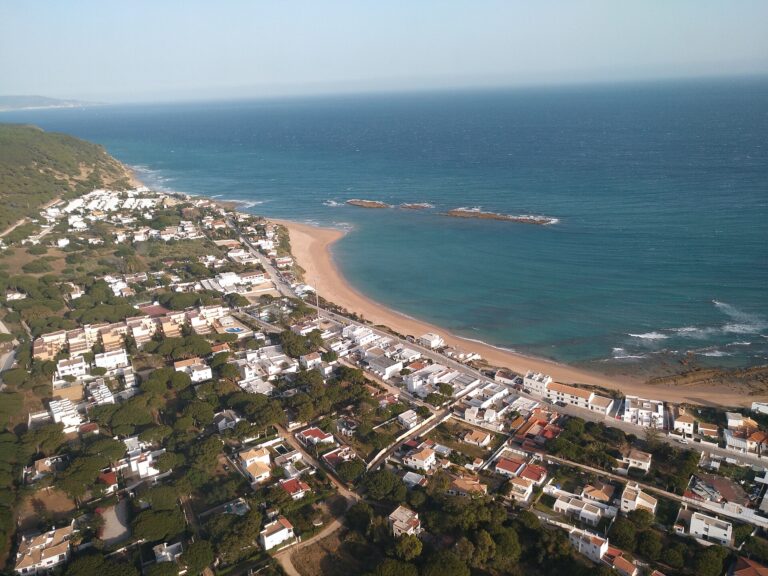
Sand here is typically fine and golden with long, open stretches along the Atlantic. Beaches are the easy, primary draw: for walks, swimming in calm weather and straightforward sunbathing. Expect more crowds in the central beach area because of the promenade; quieter stretches lie a short way along the coast or in neighbouring villages.
| Beach | Character | Facilities/Blue Flag |
|---|---|---|
| Central beach and paseo marítimo | Long, sandy beach fronted by a seafront promenade for easy walking | – |
| Beaches south toward Zahara de los Atunes | Extended sandy shoreline, popular beach village atmosphere a few kilometres away | – |
| Beaches north toward Los Caños de Meca | Coastal stretches that attract surfers and a more bohemian crowd near the lighthouse | – |
With kids
Families will find a handful of reliable features: a safe, long central beach with a flat promenade for strollers, and short nature walks in La Breña that work well with children who can handle basic trails. The working port and tuna markets can be fascinating for older kids interested in real-world food production, but keep expectations realistic — these are working facilities, not theme attractions.
How to get to Barbate and get around
Located on the Costa de la Luz, the town sits roughly 60 km south of Cádiz along the A-2233/A-48 corridor. That road access makes it straightforward by car from nearby towns; public-transport options exist but are less frequent than in larger cities, so factor that into itineraries. Once here, the seafront is compact: the paseo marítimo connects the central beach, the port and much of the town, and short drives link to neighbouring coastal villages.
Where to stay
Accommodation tends to cluster around a few practical zones — choose the area that best matches how you want to spend your time rather than hunting for a single “best” street.
- Town centre and paseo marítimo — suits those who want immediate beach access, restaurants and short walks.
- Edges of La Breña natural park — for people who prioritise nature, walking and quieter surroundings.
- Zahara de los Atunes (a few kilometres south) — ideal if you want a livelier beach-village feel while remaining close to the port and cliffs.
- Los Caños de Meca area to the north — choose this if surfing or proximity to Cape Trafalgar’s lighthouse is important.
Best time to visit Barbate
Timing depends heavily on priorities. For beach weather and a lively seaside atmosphere, the warmer months are the obvious choice; for food and culture tied to the tuna industry, spring — when the local tuna gastronomy season and ronqueo take place — is significant. Off-peak months give quieter access to natural areas and make clifftop walks more pleasant without summer heat.
| Season | Months | What to expect |
|---|---|---|
| Spring | – | Tuna gastronomy season and ronqueo; good time for food-focused visits |
| Summer | – | Busy beach season; promenade and central beach are lively |
| Shoulder & off-peak | – | Quieter beaches and better conditions for clifftop walks and birdwatching |
History
The town’s identity is tightly bound to a long fishing tradition. Almadraba bluefin tuna fishing — a trap-net technique with roots in Phoenician and Roman times — has shaped the local economy, gastronomy and calendar for centuries. That continuity between past and present is visible in the working port and in the seasonal celebrations around tuna, which remain important markers of local culture.
Practical info
- Port & fishing activity: The harbour remains a working tuna fleet; expect real fishing operations rather than tourist façades.
- Walking & access: The paseo marítimo links the main beach areas and is suitable for easy walks and wheelable transport along the seafront.
- Protected nature: Parts of the coastline and hinterland fall within La Breña y Marismas del Barbate natural park, so follow established paths and respect protected zones.
- Neighbouring spots: Los Caños de Meca and Zahara de los Atunes are the closest distinct coastal settlements often combined with a visit to the town.
Worth it for: beachgoers who enjoy long Atlantic sand, nature lovers looking for clifftop walks and birdwatching, and food travellers interested in authentic tuna gastronomy linked to traditional almadraba fishing. Less so if: you expect a polished resort with large-scale nightlife or extensive tourist infrastructure — the town’s strengths are its working-port character and natural coastline rather than theme-park amenities.
How we assess this guide
Facts in this guide are drawn from cross-checked sources about the town’s geography, natural park, fishing traditions and neighbouring villages. We flag seasonal or operational changes where verified; this is an editorial synthesis rather than first‑hand field reporting. For any time-sensitive planning (events, festival dates, public-transport timetables), consult local sources before travel.
Frequently asked questions
How far is the town from Cádiz?
It lies about 60 km to the south along the A-2233/A-48 corridor, making it an easy day trip by road from the city.
Is Barbate expensive?
Costs tend to reflect a working coastal town rather than a luxury resort; prices for food and services vary seasonally, with higher demand in the main beach months and during the tuna gastronomy season.
Which beach is best for walking and long sand stretches?
The long Atlantic beaches that run along the town and beyond are known for fine golden sand and clean water, offering extended stretches ideal for long walks.
How many days should I spend?
A focused 1–2 night stay covers the main beach areas, a clifftop walk in La Breña and a short visit to the port. Add more time if you want relaxed birdwatching in the marshes or day trips to neighbouring villages.
Is it a good place for families with children?
Yes. The central beach with its paseo marítimo offers easy access and gentle walks suitable for families; the natural park also provides short, manageable trails for children who enjoy exploring outdoors.
Can I get around without a car?
The seafront and central town are compact and walkable. However, reaching nearby villages and exploring wider sections of La Breña and the marshes is easiest with private transport; public-transport services are less frequent than in larger urban centres.
Is there parking near the beach and town centre?
Street and local parking exist around the central beach and town, but availability varies with season and peak summer demand; expect busier conditions during main beach months.
What are good rainy-day options?
Indoor attractions are limited because the town’s character is exterior — port activity, restaurants and local markets are the usual fallback. If weather spoils beach plans, focus on sampling local cuisine and visiting the harbour area to observe fishing operations from vantage points.
When is the tuna season and why does it matter?
The town hosts a tuna gastronomy season centred on the traditional ronqueo in spring. This is when local restaurants and markets focus on bluefin tuna prepared in regional styles, making it a cultural and culinary draw.
Are there good surfing spots nearby?
Yes. The coastline north toward Los Caños de Meca and the lighthouse at Cape Trafalgar is popular with surfers and tends to have a distinct surf-oriented scene.
Which nearby village is best for a livelier beach vibe?
Zahara de los Atunes, a few kilometres south, is a well-known beach village with a livelier seaside atmosphere that many visitors combine with the town.
Is the town part of a natural park?
Yes. The coastline and surrounding area include La Breña y Marismas del Barbate natural park, which protects cliffs, pine woodlands and marshland.
Can I see traditional fishing practices?
The harbour hosts a working tuna fleet and the town’s seasonal focus on almadraba fishing remains part of local life. Observing the port and seasonal activities offers insight into traditional fisheries rather than staged demonstrations.
Are there birdwatching opportunities?
Yes. The marshes near the river mouth attract migrating birds and are a local draw for birdwatchers interested in wetland species and migration patterns.
How accessible are the clifftop trails?
The clifftop walking trail through the La Breña pine forest provides accessible routes with scenic viewpoints toward Cape Trafalgar; choose routes to match your fitness and mobility levels.
Plan the wider trip
- Costa de la Luz guide
- Tarifa
- Vejer de la Frontera
- Cadiz
- Chiclana de la Frontera
- Jerez de la Frontera
Nearby on the Costa de la Luz
Barbate on the map
Places worth knowing near Barbate
How this page is maintained. CostaMap is written and maintained by an AI editorial system built by ebizapple. Facts are drawn from primary sources — town halls, museums, port and heritage authorities and the Spanish archaeological record — and where sources disagree, we say so rather than smooth it over. Photographs marked as ours are taken on location. This page was last reviewed on 27 July 2026. Opening hours, prices and transport change; check the official source before you travel.