
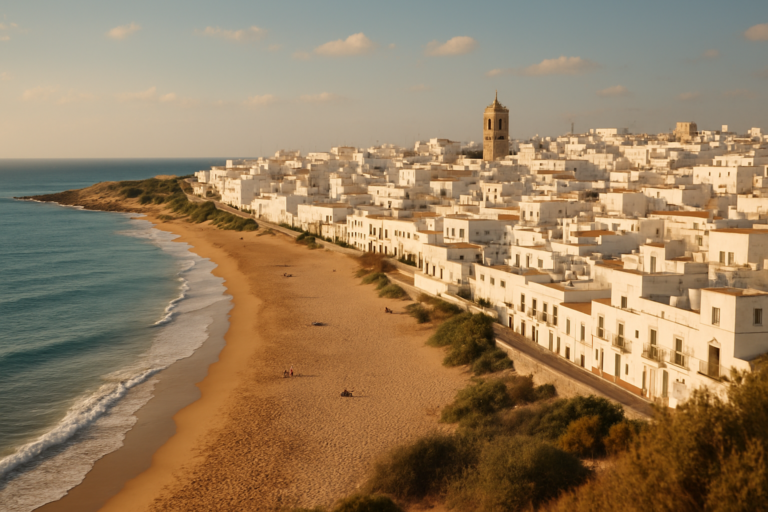
Expect long Atlantic beaches, a whitewashed old town with narrow streets, and seafood that remembers an ancient fishing method. This is a working coastal place: summers are lively with Spanish holidaymakers, the wind can shape your plans, and much of the appeal is low-key — beach days, small coves, and evenings in tapas bars rather than glossy resorts. Read on to avoid the common let‑downs (crowds in July/August, blustery days for sunbathing) and to find the calm coves, right‑time windows and real local flavours that make a visit rewarding.
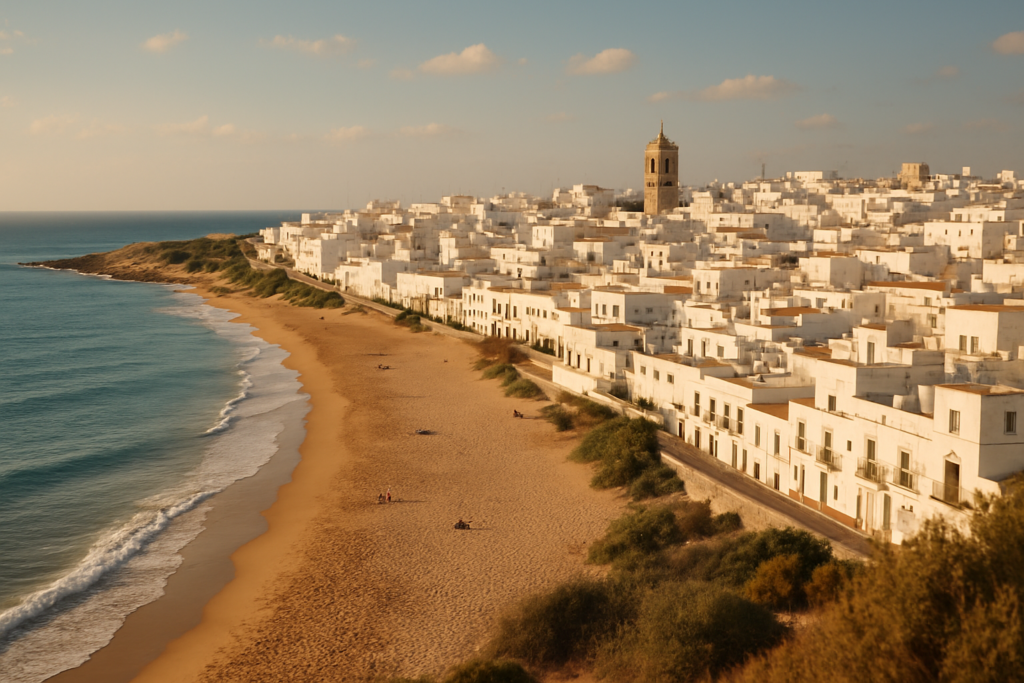
Conil de la Frontera at a glance
- Whitewashed fishing town on the Costa de la Luz in Cádiz province, southwestern Andalusia.
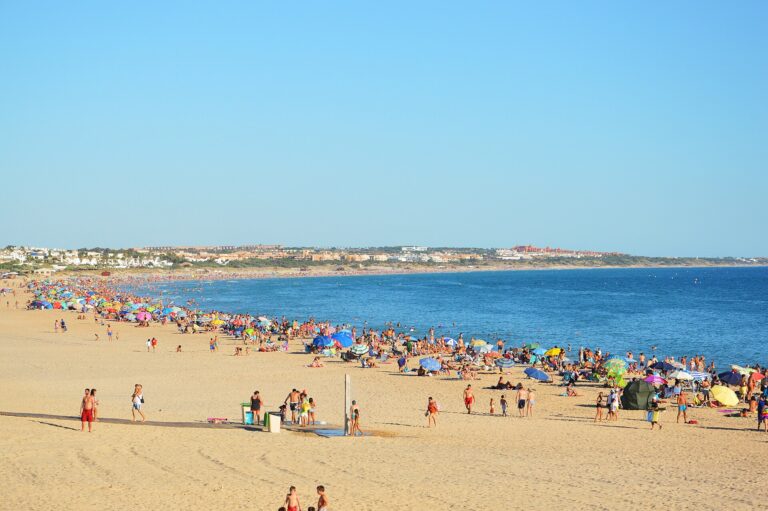
- Long Atlantic beaches: Playa de los Bateles (central) and Playa de la Fontanilla (wilder, to the west).
- Small cliff-backed coves called the Calas de Roche north of town, reached by tracks off the coast road.
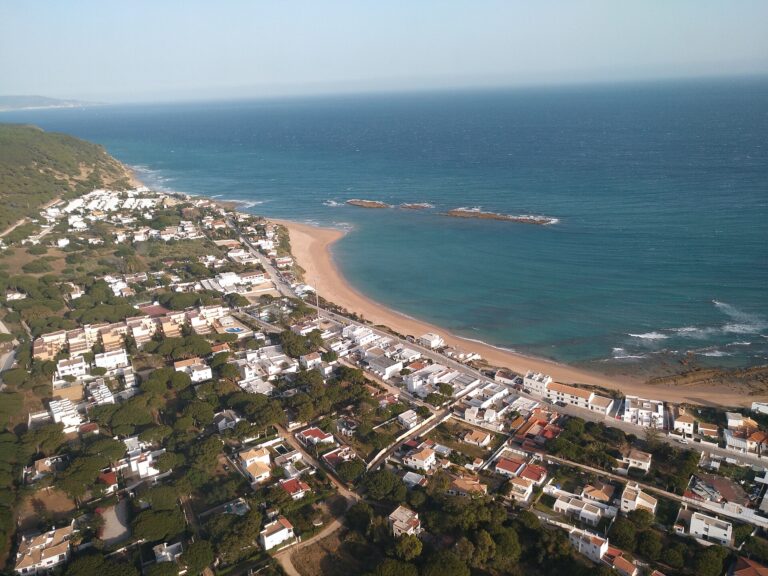
- Cala del Aceite — a sheltered cove just south of town, good for calmer swimming and snorkelling.
- Strong levante and poniente winds make the coastline popular for windsurfing and kitesurfing.
- Heritage of almadraba tuna fishing; Atlantic bluefin tuna appears on local menus.
- Reached via the A-48 road; roughly 40 km southeast of Cádiz city.
Things to do in Conil de la Frontera
Most visitors split their time between beaches, short coastal walks to coves, and pottering through the whitewashed old quarter. The town’s maritime traditions and lookout architecture show up in small museums and monuments; eating and pacing around the Plaza de España are as much part of the day as a swim. Below is a quick comparison of the main sights and coast options so you can prioritise.
| Attraction | What it is | Price/entry | Best for |
|---|---|---|---|
| Old Quarter & Plaza de España | Narrow white streets clustered around the town church. | — | Strolling, tapas, photography |
| Torre de Guzmán | 15th‑century watchtower restored and set in the town centre. | — | History, viewpoints |
| Calas de Roche | Series of small cliff-backed coves north of town, accessed via tracks off the coast road. | — | Quiet swims, rocky scenery |
| Cala del Aceite | Sheltered cove just south of the town, calmer waters for snorkelling. | — | Snorkelling, families |
| Cape Trafalgar | Nearby headland with a lighthouse; lends its name to the 1805 naval battle. | — | Scenic drives, lighthouse photos |
Strolling the old quarter and Plaza de España
The heart of the town is a pleasant tangle of white streets centered on Plaza de España and the church of Santa Catalina. The lanes are full of small tapas bars and shops; part of the town’s charm is how ordinary life — fishermen, local markets, families — still happens here rather than being staged for tourists. Allow time for a late‑afternoon wander when the light softens and many bars fill with neighbours rather than package visitors.
Torre de Guzmán and coastal watch sites
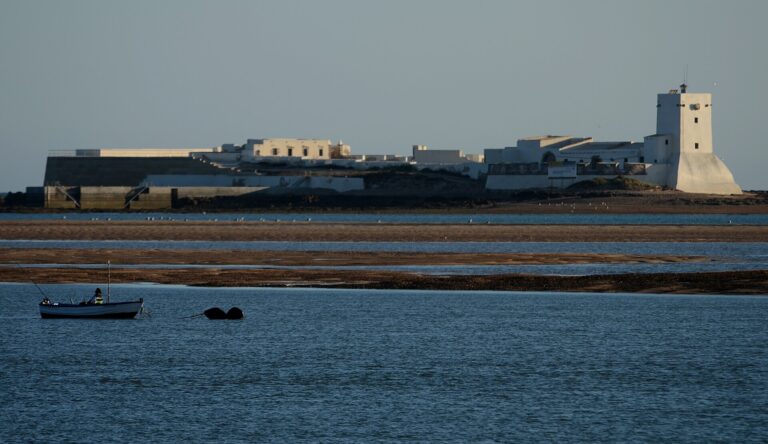
The restored 15th‑century Torre de Guzmán stands in the town centre and is a reminder of the coast’s strategic past. It’s an obvious photo stop and a short walk from the central beaches and plazas. Walk out along the coast road in either direction and you’ll encounter more modern reminders of a coastline that required observation posts and watchtowers.
Small coves and the rugged coast
The Calas de Roche are a string of little cliff‑backed coves to the north reached via tracks off the coast road. These are rocky, less sandy than the central beaches, and best if you like snorkelling and quieter water. South of the town, Cala del Aceite is sheltered and favoured for calmer swimming — good to seek out if wind is strong elsewhere.
Best beaches in Conil de la Frontera
The town’s coastline alternates wide sandy beaches and smaller rocky coves. If you want guaranteed sand and a lively promenade, head to the central stretches; if you prefer lowering the volume and finding sheltered water, try the coves or Cala del Aceite.
| Beach | Character | Facilities / Notes |
|---|---|---|
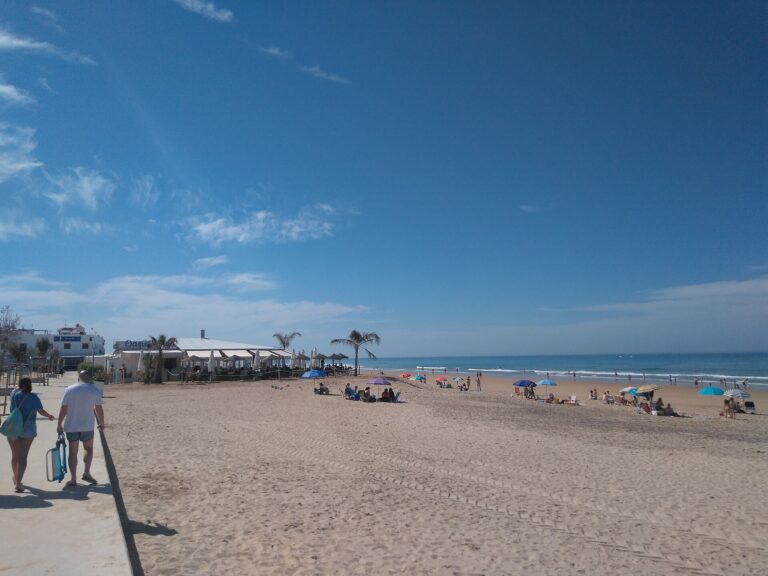
| Playa de los Bateles | Long, central sandy beach with promenade. | Good for swimming and evening walks |
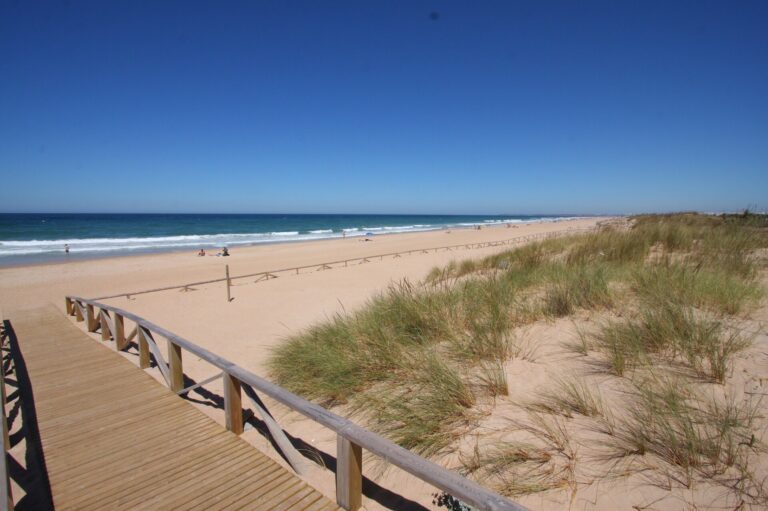
| Playa de la Fontanilla | Wilder stretch to the west; more space and natural feel. | Less built-up than the central beach |
| Calas de Roche | Small cliff-backed coves north of town; rocky and scenic. | Access via tracks off the coast road; quieter |
| Cala del Aceite | Sheltered cove south of town, calm water for snorkelling. | Best to escape strong winds for calmer swimming |
Here with kids
Families can have straightforward beach days here provided you pick the right stretch and time of year. The central Playa de los Bateles is the most practical: easy access, space for running, and nearby cafés and ice‑cream spots. For calmer water with younger swimmers, try Cala del Aceite, which is known locally for being sheltered. The old quarter’s narrow lanes are fun to explore but aren’t ideal for strollers during peak times when they can be crowded.
How to get to Conil de la Frontera and get around
By road the town is reached along the A-48, the main route that runs the coastal axis between Cádiz and points east. The compact centre is best experienced on foot; the beaches and nearby coves are usually accessed by short drives or coastal footpaths. If you plan day trips to the headlands or the Calas, a car gives flexibility — public buses connect the town with regional hubs but schedules can thin out outside season.
| From | By | Approx distance / time |
|---|---|---|
| Cádiz (provincial capital) | Car via A-48 | Roughly 40 km |
Where to stay in Conil de la Frontera
Accommodation concentrates in a few practical zones: the old town, the beachfront near Playa de los Bateles, and smaller clusters near the western beaches. Your choice should match how you want to spend most of your time.
- Old Quarter — Best for evenings, tapas and atmospheric streets; not always convenient for parking but ideal for exploring on foot.
- Playa de los Bateles / beachfront — Practical for families and beach‑focused stays; close to promenades and services.
- Western beaches / Fontanilla area — Suits people who want a quieter, more natural beach experience with easy access to wilder sand.
Best time to visit Conil de la Frontera
Seasonality here is straightforward: summer brings hot weather and a busy Spanish holiday atmosphere; spring and autumn are the most comfortable months for fewer crowds and mild Atlantic conditions. Windy days are common in either season because of levante and poniente winds, so check forecasts if you need calm sea conditions for swimming or snorkelling.
| Season | Months | What to expect |
|---|---|---|
| High summer | July–August | Hot and busy with Spanish holidaymakers; beaches crowded |
| Shoulder seasons | Spring and autumn | Quieter beaches and milder Atlantic weather |
| Winter | Winter months | Much quieter; wind can be strong; fewer services open |
History of Conil de la Frontera
The town’s whitewashed appearance and narrow streets reflect its identity as a historic fishing community on the Atlantic edge of Andalusia. The Torre de Guzmán — a 15th‑century coastal watchtower — points to the strategic importance of this stretch of coast in earlier centuries. Maritime traditions remain visible: almadraba tuna fishing, an ancient net‑maze method, is part of local heritage and influences menus and seasonal food culture.
Practical info
- Parking: The compact old centre has limited parking; beachfront and peripheral streets are easier for car access. If you stay in the town centre expect to walk from your parking spot.
- Costs: The town’s mix of local bars and tourist-facing cafés gives a range of price options; seafood dishes, especially those featuring bluefin tuna from the almadraba tradition, are a core local speciality.
- Accessibility: The old quarter’s narrow lanes and occasional steps make some streets less suitable for wheelchairs or strollers; beaches accessible from main promenades are easier to reach.
- Connectivity: The A-48 road is the main approach; regional buses link the town with Cádiz and neighbouring settlements, though services reduce outside peak season.
- Weather and wind: Strong levante and poniente winds are a defining feature — welcome for windsurfers and kitesurfers, inconvenient for sunbathers seeking still water.
Worth it for: beach days along long Atlantic sands, low‑key whitewashed town atmosphere, seafood enthusiasts interested in almadraba tuna, and wind‑sport seekers.
Less so if: you want a polished resort experience with guaranteed calm sea every day, or if crowds in high summer irritate you — consider spring or autumn instead.
How we assess this guide
We compile local facts and features from verified sources and regional references. Where a site is closed or materially altered we flag it; where specific prices or hours aren’t consistently reported we avoid inventing them. This is an editorial synthesis, not a first‑hand field report, and it aims to set realistic expectations and reduce disappointment for travellers.
Frequently asked questions
How do I get from Cádiz to Conil de la Frontera?
Drive along the coastal route via the A-48; the town sits roughly 40 km southeast of the provincial capital. Public buses also run between Cádiz and coastal towns, though frequencies vary outside the summer season.
Is Conil expensive?
It offers a mix: local tapas bars and markets give affordable options, while seafood dishes, particularly those featuring bluefin tuna from the almadraba tradition, can be pricier. Overall, costs are comparable to other Andalusian coastal towns with tourist infrastructure.
Which beach is best for families?
Playa de los Bateles — the central long sandy beach — is the most practical for families because of its space and proximity to services. For calmer water with younger swimmers, seek out Cala del Aceite south of the town.
How many days should I spend here?
A long weekend (2–3 days) covers the basics: a beach day, a wander in the old quarter, and a short coastal excursion to a cove or Cape Trafalgar. A week lets you explore quieter coves north and make day trips along the Costa de la Luz.
Is Conil suitable for families with children?
Yes — with planning. Choose beaches suited to children, such as the central stretches for easy access or Cala del Aceite for calmer water. Narrow town lanes are picturesque but can be crowded in high season.
Can I get around without a car?
Yes for the town itself and the main beaches — they’re walkable. For visiting the Calas de Roche, Cape Trafalgar and more remote coves, a car gives greater flexibility; public transport options are present but less frequent outside peak months.
Is parking difficult?
Parking in the immediate old quarter is limited; beachfront and peripheral streets offer easier parking. If staying in the centre, expect to walk a short distance from your parking spot.
What are good rainy-day options?
Rainy weather reduces the outdoor focus: use mornings for relaxed café time in the old quarter and explore local shops. Historical points such as the Torre de Guzmán are outdoor, so check opening status; eating local seafood and trying traditional dishes is a practical indoor option.
When is the best time for calmer sea conditions?
Spring and autumn generally provide milder weather and fewer crowds. However, levante and poniente winds can still produce choppy seas; for calm conditions, watch local wind forecasts and seek sheltered coves such as Cala del Aceite.
Are there opportunities for watersports?
Yes — the strong Atlantic winds make the coast popular for windsurfing and kitesurfing. Beaches with wide open space and consistent wind are favoured by enthusiasts.
Is the almadraba tuna tradition visible to visitors?
The heritage of almadraba tuna fishing is part of the town’s identity and seasonal menus; bluefin tuna from this method appears on local menus, reflecting the region’s fishing history.
How close is Cape Trafalgar and is it worth visiting?
Cape Trafalgar lies a short drive to the south and is notable for its lighthouse and its historical association with the 1805 naval battle. It makes a compact scenic side trip from the town.
Which part of town is best for nightlife?
The old quarter around Plaza de España has the highest concentration of tapas bars and evening spots; the atmosphere is authentic and local-focused rather than high-energy clubland.
Are the Calas de Roche easy to reach on foot?
They are reached by tracks off the coast road north of the town. Foot access involves paths and some uneven terrain; they’re ideal if you want quieter rocky coves and are prepared for a short walk from parking or the main road.
Is there a tourist office or local information point?
Local tourist information services are provided in town; check opening details locally, especially outside the high season when hours can be reduced.
Plan the wider trip
- Costa de la Luz guide
- Cadiz
- Chiclana de la Frontera
- Vejer de la Frontera
- Tarifa
- Jerez de la Frontera
Nearby on the Costa de la Luz

Conil De La Frontera on the map
Places worth knowing near Conil De La Frontera

How this page is maintained. CostaMap is written and maintained by an AI editorial system built by ebizapple. Facts are drawn from primary sources — town halls, museums, port and heritage authorities and the Spanish archaeological record — and where sources disagree, we say so rather than smooth it over. Photographs marked as ours are taken on location. This page was last reviewed on 27 July 2026. Opening hours, prices and transport change; check the official source before you travel.