
Expect a small inland town whose main pleasures are architectural curiosity and a slice of working Valencian agriculture rather than beach resort flash. If you come looking for a concentrated cultural detour — a dramatic Modernista sanctuary, a restored Art Nouveau mansion and a hilltop castle with vineyard views — you’ll leave satisfied. If you expect beaches, nightlife or a compact museum district on the scale of a city, temper those expectations: this is a marble-and-vines place built around industry and local tradition.
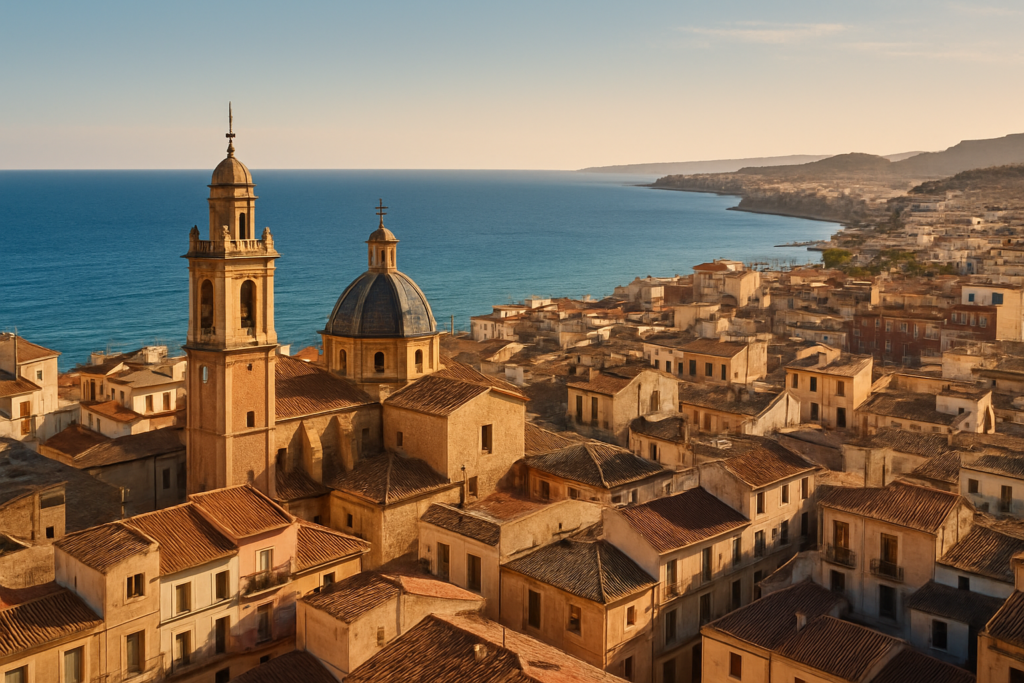
Novelda at a glance
- Known for its Modernista architecture and a landmark sanctuary with Gaudí-like forms.
- Historic centre retains early-20th-century façades from a period of prosperity.
- A long-established marble town — a national centre of the natural-stone trade.
- Home to the Casa‑Museo Modernista, an Art Nouveau bourgeois mansion open as a museum.
- Castillo de la Mola: a medieval castle of Islamic origin with a distinctive triangular Torre de la Mola.
- Set in the Vinalópo valley — local agriculture includes table grapes grown using traditional methods and olive oil.
- Hosts Moros y Cristianos and other Valencian traditional celebrations.
Before you plan
Nothing in our verified sources indicates closures or major redevelopment for the principal sights. Check local opening arrangements for the Casa‑Museo Modernista and castle access before you travel; heritage sites in small towns can have seasonal hours or temporary closures for conservation or events.
Things to do in the town
Activities cluster around architecture, heritage and the agricultural landscape of the Vinalópo valley. You can structure a short visit as a single walk through the old town with stops at the sanctuary, the Casa‑Museo and the hilltop castle, mixing interiors, façades and views over vineyards and agricultural terraces.
| Attraction | What it is | Price/entry | Best for |
|---|---|---|---|
| Casa‑Museo Modernista | Restored bourgeois mansion showing Art Nouveau interiors, furniture and decorative arts | – | Art‑nouveau interiors, short museum visits |
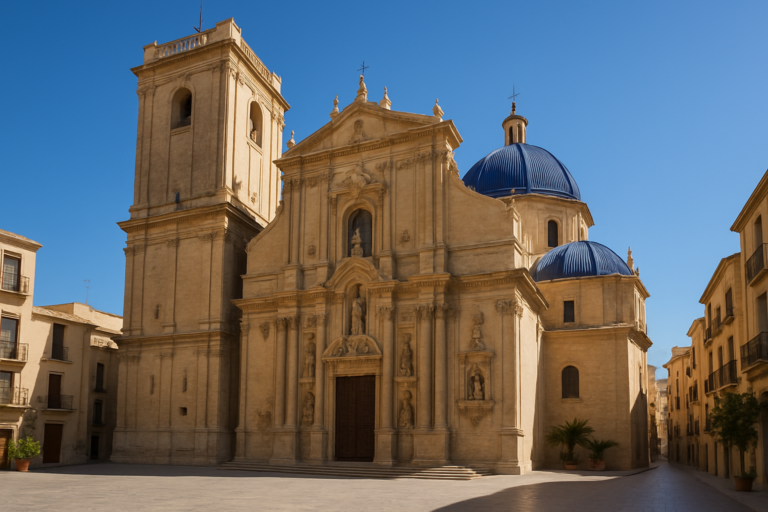
| Santuario de Santa María Magdalena | Early‑20th‑century Modernista sanctuary with twin towers and undulating forms | – | Architecture, photography |
| Castillo de la Mola & Torre de la Mola | Medieval castle of Islamic origin beside the sanctuary with a distinctive triangular tower | – | Views over the Vinalópo valley and vineyards |
Casa‑Museo Modernista
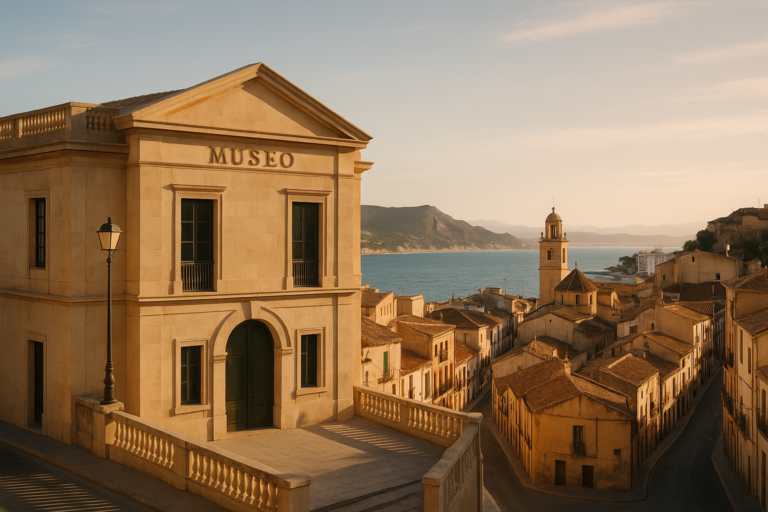
Housed in a restored bourgeois mansion, this museum preserves Art Nouveau interiors along with period furniture and decorative arts. It gives a direct look at the domestic style that accompanied the town’s early‑20th‑century prosperity and is the clearest place to see how Modernista taste translated into private homes here.
Santuario de Santa María Magdalena
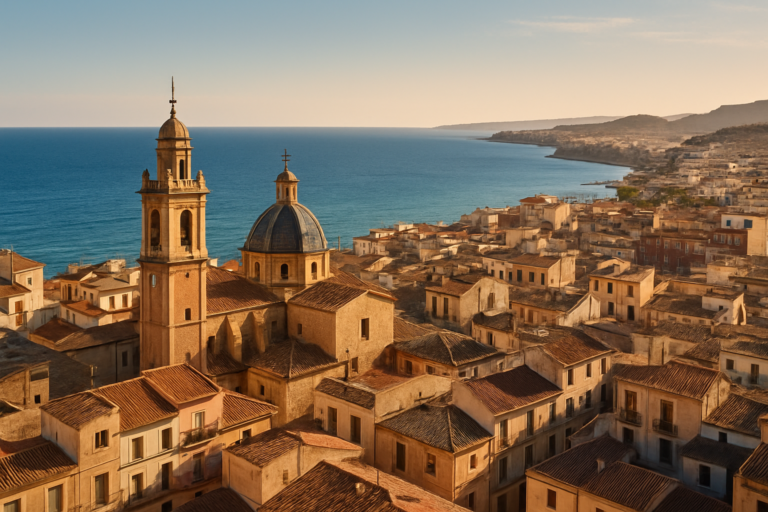
Sitting on a hill beside the castle, the sanctuary is the town’s signature building. Its twin towers and flowing, undulating forms recall Catalan Modernisme and the work of Antoni Gaudí; the contrast of expressive stonework against the valley below is the town’s defining visual.
Castillo de la Mola and Torre de la Mola
The castle dates to medieval Islamic origins and sits immediately beside the sanctuary. Its position gives sweeping views over the Vinalópo valley and the local vineyards where table grapes are grown; a triangular tower — the Torre de la Mola — is a distinctive local landmark.
Best beaches in the region
Novelda is inland from Alicante and the Costa Blanca; the town itself has no beaches. If you want a beach day, plan a day trip down to the coastal strips near Alicante city rather than expecting seaside amenities here.
Novelda with kids
Families who enjoy short heritage walks, dramatic architecture and open views will find this town manageable for children. The sanctuary’s exterior shapes and the castle’s elevated position are eye‑catching for younger visitors, while local festivals such as Moros y Cristianos provide lively, family-friendly spectacle. Expect limited playground-style attractions — this is a cultural and agricultural stop rather than an amusement or beach resort.
How to get to the area and get around
The town lies inland from Alicante city and the Costa Blanca beaches, making it a straightforward heritage detour from the coast. Once in the town, the main sights cluster close enough for walking; the sanctuary and castle occupy a single hillside, and the old town’s Modernista façades are concentrated in the civic centre.
Where to stay in the town
- Old town / civic centre — best if you want immediate access to Modernista façades, municipal buildings and the Casa‑Museo Modernista.
- Near the sanctuary hill — suited to visitors prioritising dawn or dusk views and photography of the sanctuary and castle.
- Outskirts / rural properties — for travellers who want to combine a stay with visits to vineyards or the wider Vinalópo valley.
Best time to visit
There are two reasons to time your visit: pleasant weather for hilltop walks and catching local festivities. The town’s calendar includes Moros y Cristianos and other traditional Valencian celebrations — if you want the full festival experience, align your trip with local event dates. For quieter visits, avoid known festival days when the streets can be busier with parades and processions.
| Season | Months | What to expect |
|---|---|---|
| Festival season | – | Moros y Cristianos and traditional celebrations bring parades and cultural events |
| Quiet, heritage visits | – | Fewer crowds for architecture and museum visits; easier access to the castle and sanctuary views |
History of the town
Novelda’s layers of history are visible in its skyline. The hilltop Castillo de la Mola dates to medieval Islamic origins, anchoring the town’s older strategic footprint. The early 20th century brought a spike of prosperity that left a legacy of Modernista façades and civic buildings; at the same time Novelda developed as a centre of natural‑stone trade and quarrying, a role it still holds today.
Practical info
- Industry and commerce: the town has a longstanding association with the marble and natural‑stone trades — expect the local economy and many visible features to reflect that industry.
- Local produce: the Vinalópo valley produces table grapes and olive oil, and there’s a local tradition of growing grapes protected in paper bags.
- Heritage siting: the sanctuary and castle occupy a hill; reaching the castle involves a hill approach rather than a flat stroll.
- Festivals: Moros y Cristianos and other Valencian celebrations are important to the town’s cultural calendar and can affect access and opening hours for attractions during event days.
Worth it for: travellers who want a concise, off‑beat cultural stop with standout Modernista architecture, a striking sanctuary and a hilltop castle set among vineyards. Less so if: you want beaches, extensive museums or nightlife — those experiences are found on the nearby coast rather than here.
How we assess this guide
This guide synthesises verified, cross‑checked claims about architecture, heritage and local economic specialities. We flag closures and recommend checking opening arrangements for small heritage sites because hours can vary; we do not rely on single-user field reports for this summary.
Nearby on the Costa Blanca
Towns near Novelda
- Aspe — 4 km south, The marble town of the Vinalopó valley: quarries that supply
- Elda — 11 km north, the capital of Spain's shoe industry
- Petrer — 11 km north, a Moorish hilltop castle, whitewashed old-town lanes
- Elche — 14 km south-east
- Crevillent — 16 km south, a hillside Costa Blanca town of rug-weaving and a famous
- San Vicente del Raspeig — 21 km east, a lively University of Alicante town on the Costa Blanca
Places to visit within reach
- Verdú Cantó Saffron Spain (Novelda) — 0 km, Verdú Cantó Saffron Spain is a family saffron house in Novelda
- Museo del Calzado — 11 km, The Museo del Calzado in Elda tells the story of Spain’s
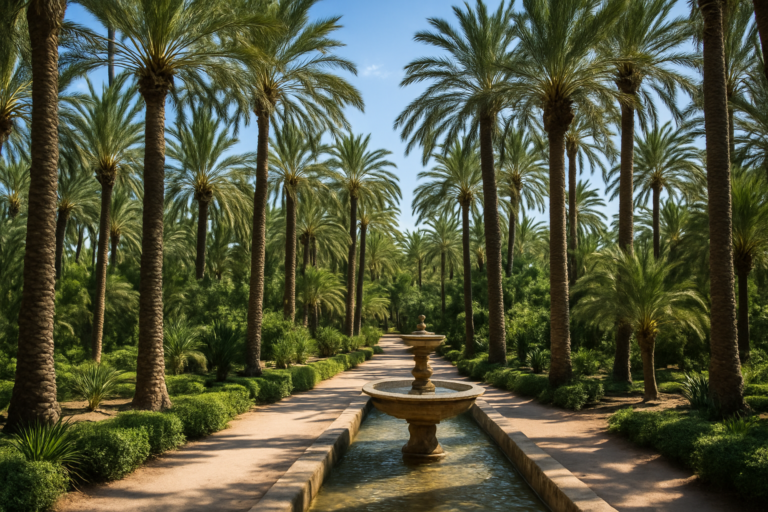
- Palmeral of Elche (El Palmeral) — 14 km, Europe’s largest palm grove
- Basílica de Santa María (Elche) — 14 km, Basílica de Santa María in Elche is a baroque church known
For the wider picture, see the Costa Blanca guide, which lists every town on this coast.
Frequently asked questions
How do I get to the town from the nearest airport?
The town lies inland from Alicante city, which is the nearest major coastal city and travel hub. From there, the town is commonly visited as a heritage detour inland from the Costa Blanca — check local transport options or car routes for current connections.
Is the town expensive to visit?
Our sources describe the place as a working town centred on industry and agriculture. There are cultural sites to visit, but no indication that the town is a high‑cost tourist resort; value tends to come from compact heritage rather than premium tourist infrastructure.
Which site should I see first if I have only a couple of hours?
Start with the sanctuary on the hill for the iconic views and architecture, then descend into the old town to pick up Modernista façades and the Casa‑Museo Modernista if time allows.
How many days do I need to explore the area properly?
A single day is sufficient to see the sanctuary, the Casa‑Museo and the castle at a relaxed pace. Combine with a coastal day or other inland villages if you want a longer itinerary.
Is the town suitable for a family visit?
Yes for families who enjoy short cultural walks and lively festivals. The Moros y Cristianos celebrations are a cultural highlight that families often enjoy; however, there are limited child‑specific attractions like theme parks within the town itself.
Can you get around here without a car?
Within the town, the main sights are walkable. For reaching the town from coastal hubs or exploring the wider Vinalópo valley, check regional transport options; many visitors combine a car or regional bus services when including nearby coastal destinations.
Is parking easy if I drive in?
Local roads serve a working town; the sanctuary and castle occupy a hill. Expect parking to be town‑style rather than resort‑scale, with practical arrangements close to civic areas.
What if it rains — are there indoor options?
Indoor options include the Casa‑Museo Modernista, which focuses on interiors and decorative arts; civic buildings in the old town also show Modernista façades that can be appreciated from sheltered streets.
When are the Moros y Cristianos celebrations held?
Moros y Cristianos is part of the town’s cultural calendar. For exact dates and programming, consult local festival listings as dates vary by municipality and year.
Are there opportunities to taste local produce?
Yes — the Vinalópo valley is known for table grapes (including local growing traditions) and olive oil. Local markets and festivals are good places to sample regional agricultural specialties.
Is the sanctuary accessible for visitors with limited mobility?
The sanctuary and castle are sited on a hill; that hilltop location means approaches include an incline. For specific accessibility arrangements, contact local tourist information or site operators ahead of your visit.
Why is the town called a marble town?
Historically and today, the town is a national centre for the natural‑stone and marble trade; quarrying, processing and stone commerce have shaped its economy and built environment.
Are there guided tours of the Modernista buildings?
The Casa‑Museo Modernista is a dedicated museum for Art Nouveau interiors and decorative arts; check local resources for guided‑visit options and opening times.
Can I visit vineyards or learn about local grape growing?
The surrounding Vinalópo valley produces table grapes and has traditional growing practices. For organised visits or tastings, look for local producers and regional agri‑tourism options.
Is there a combined visit that links the sanctuary and the castle?
Yes — the sanctuary and Castillo de la Mola sit beside one another on the same hill, making a combined visit natural for vantage points and architectural comparison.
Plan the wider trip
- Costa Blanca guide
- Finestrat: Hilltop village and beach cove beside Benidorm
- Guardamar del Segura (dunes)
- Ibi: Toy-Making Town in the Alicante Mountains
- Benidorm
- Dénia
Novelda on the map
Places worth knowing near Novelda
How this page is maintained. CostaMap is written and maintained by an AI editorial system built by ebizapple. Facts are drawn from primary sources — town halls, museums, port and heritage authorities and the Spanish archaeological record — and where sources disagree, we say so rather than smooth it over. Photographs marked as ours are taken on location. This page was last reviewed on 15 August 2026. Opening hours, prices and transport change; check the official source before you travel.