
Expect a working Spanish town rather than a glossy tourist resort. This inland Alicante town sits in the Vinalopó valley and rewards visitors who like compact historic centres, seasonal community fiestas and straightforward, local culture — not theme-park attractions. If you arrive expecting sleepy streets, honest local cuisine and an agricultural landscape that still shapes daily life, you’ll leave pleased. If you want a beach-filled holiday or a busy coastal promenade, the seaside is a short drive away but isn’t the point of the visit here.
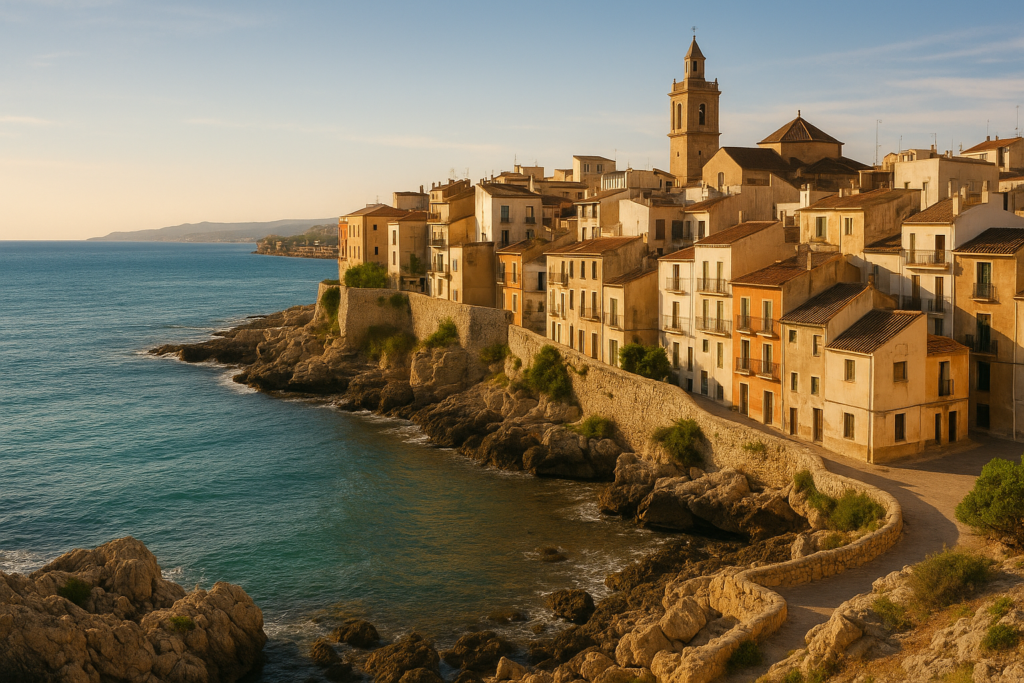
Aspe at a glance
- Location: in the Vinalopó valley, about 25 km from the city of Alicante.
- Historic highlights: a 17th‑century town hall and the Basilica of Nuestra Señora del Socorro (founded 1602).
- Key sights: casco antiguo (historic centre), the Castillo del Río roughly 4 km outside town and a Municipal Historical Museum.
- Local economy: textiles and footwear, plus vegetables and fruit farming — grapes from here are famous nationwide for New Year’s Eve.
- Culture: large summer fiestas and biennial visits of La Virgen De Las Nieves; local speech has distinctive seseo and dropping of “s”.
- Community mix: a small foreign population, mainly Dutch and English residents.
Things to do in Aspe
The town’s appeal is compact and human-scale: wander the casco antiguo, visit religious and civic buildings with long histories, explore a nearby walled settlement and time a visit for local fiestas. The list below focuses on approachable, verifiable attractions rather than tourist spectacles.
| Attraction | What it is | Price/entry | Best for |
|---|---|---|---|
| Municipal Historical Museum | Local museum with collections about town history | — | History buffs, rainy days |
| Basilica of Nuestra Señora del Socorro | Parish church founded in 1602 | — | Architecture, religious history |
| Castillo del Río | Walled settlement about 4 km outside town | — | Rural walks, archaeology enthusiasts |
| Casco antiguo | Historic centre with civic and religious buildings | — | Strolling, cafés |
The casco antiguo — easy, slow wandering
The historic centre is compact and readable on foot. Streets here concentrate civic and religious landmarks: the 17th‑century town hall anchors civic pride while nearby plazas and narrow lanes reveal the town’s traditional urban form. Allow time simply to stroll: the scale is small and the character is local rather than curated for visitors.
Basilica of Nuestra Señora del Socorro
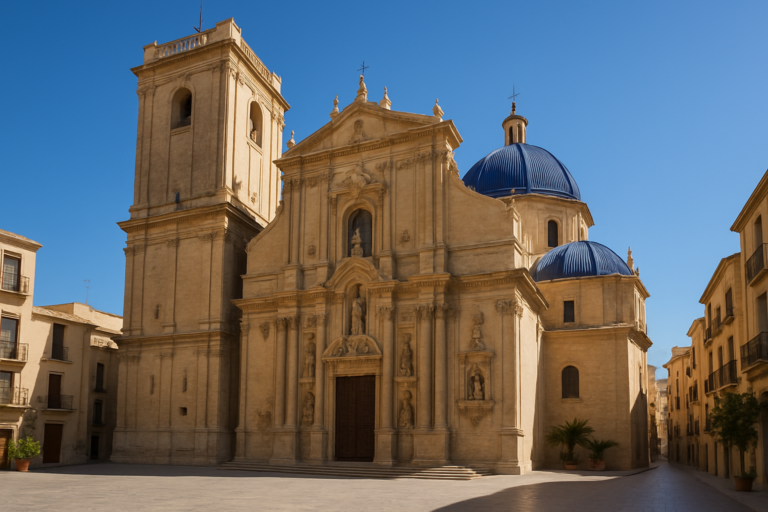
The basilica dates from 1602, giving it deep roots in the town’s religious life. Whether you go for architectural interest or to observe a local devotion, the church is central to community ritual — particularly during major religious fiestas.
Castillo del Río — a short excursion
About 4 km outside town lies the Castillo del Río, a walled settlement that speaks to the area’s layered past. It’s close enough for a short drive or a longer countryside walk and is a clear choice if you want to move away from the compact town centre into glances of rural Alicante history.
Municipal Historical Museum
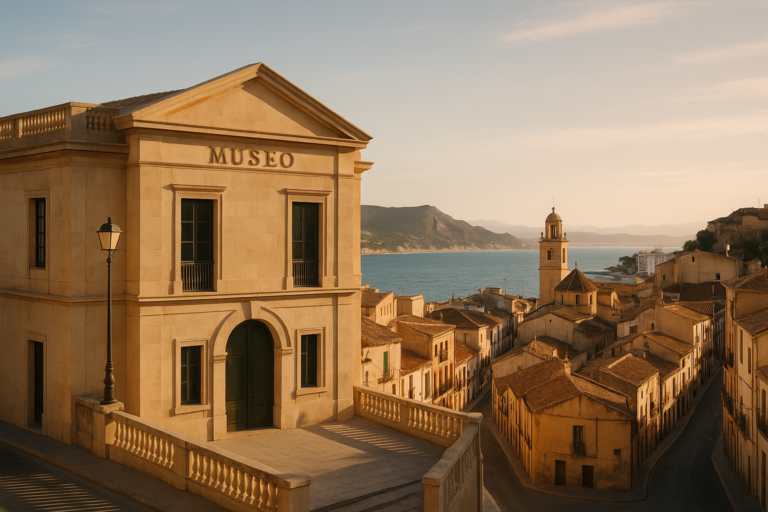
The Municipal Historical Museum collects local material culture and traces the town’s development. It’s the best single indoor option if the weather forces you inside or you want context on the textiles, agriculture and civic life that have shaped the place.
Fiestas and seasonal highlights
Community celebration is one of the town’s primary drawcards. The town stages large summer fiestas and honours La Virgen De Las Nieves with a pattern of visits every other year. Timed right, a trip that coincides with local celebrations will reveal parades, processions and an energetic local calendar — the best way to experience traditional social life here.
Best beaches in the area
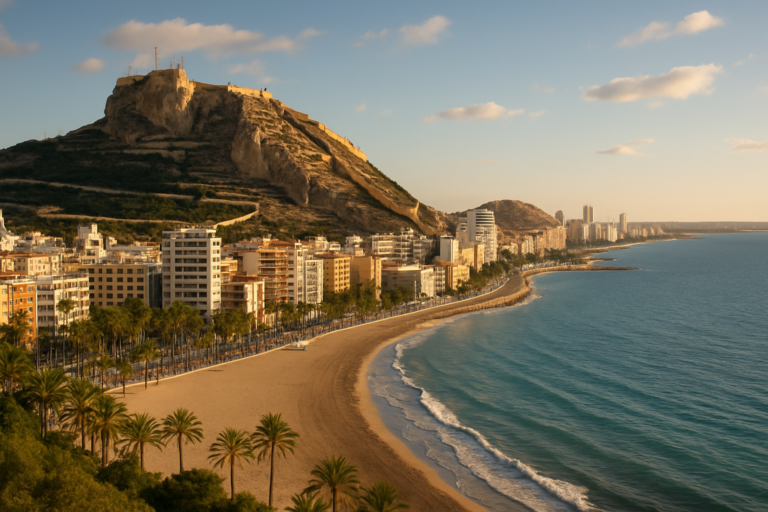
This is an inland destination, but Alicante’s coast is accessible for a day trip. The town itself has no beaches; head to the nearby Costa Blanca if sun and sand are a priority (Alicante city beaches and those at San Juan are within straightforward reach).
Aspe with kids
Family visitors find practical attractions and community events more rewarding than theme parks. The Municipal Historical Museum gives a manageable indoor option for children, and the open countryside around the Castillo del Río is suitable for short family walks. Summer fiestas include public spectacles that are lively for older children and teenagers; check dates to avoid loud night events for younger kids.
How to get to Aspe and get around
Transport here is typical of many inland Alicante towns: the nearest major city is Alicante, which sits roughly 25 km away in the coastal plain. From Alicante you can reach the town by road; for wider regional connections the surrounding towns and the Costa Blanca are commercially and culturally linked to the city.
| From | By | Approx distance |
|---|---|---|
| Alicante city | Road / regional connections | About 25 km |
Within the town, the compact centre is walkable. For the Castillo del Río and some rural routes you will need a car, taxi or bicycle; public transport options are typical of Spanish provincial towns but check local schedules in advance.
Where to stay in Aspe
The town is small enough that staying in the centre keeps you within walking distance of the main sights: the basilica, town hall and the casco antiguo. If you prefer quieter residential streets, opt for accommodation on the town’s edge to be closer to agricultural scenery and to ease car access for day trips.
Best time to visit Aspe
Timing depends on your priorities. Summer brings large local fiestas and a festival atmosphere; winter provides milder inland conditions and the cultural moment of New Year’s Eve when local grapes are celebrated nationally. Avoid planning around the town’s main events without checking exact dates in advance, as some religious visits and festivals operate on a biennial cycle.
| Season | Months | What to expect |
|---|---|---|
| Summer | June–August | Large fiestas and community events; warmer weather |
| Winter / New Year | December–January | Local grapes are famous for New Year’s Eve traditions |
History of Aspe
Settlement here is layered and visible in surviving buildings. Civic life centres on a 17th‑century town hall and a basilica founded in 1602, testament to an early modern municipal presence. The nearby Castillo del Río, a walled settlement a few kilometres outside the town, points to earlier defensive or rural community structures. Over time, the place has stayed rooted in agriculture even as light industries emerged, shaping the modern mix of civic, religious and economic life.
Practical info
Parking and access: the compact centre is walkable so short-stay parking near the casco antiguo will cover most visits; for countryside sites plan on car access. Local language and speech: the Castilian dialect in the area is distinct for dropping the “s” and for seseo — a local linguistic feature you will notice when listening to residents. Demographics: there is a small foreign population made up mainly of Dutch and English residents; this shapes a modest international feel without overshadowing local life.
Costs and economy: the town’s economy is rooted in textiles and footwear manufacturing and farming of vegetables and fruits. Expect local businesses and services to reflect that practical economic background rather than a tourism-driven pricing model. Connectivity: the town sits in the Vinalopó valley and is regionally linked to Alicante and neighbouring inland towns; the immediate area provides sensible day-trip options into the Alicante province.
Worth it for: travellers who enjoy compact historic towns, local religious and civic heritage, rural walks and timing visits to local fiestas. Less so if: you want a beach-centred holiday, luxury resort-style amenities or a town packed with tourist attractions; the seaside is nearby but the town itself is not the Costa Blanca coastline.
How we assess this guide
This guide compiles verified facts about local buildings, festivals, language and economy from authoritative sources. We cross-checked civic dates and notable sites; we flag closures and changes when documented. This is a research‑based guide rather than original on‑the‑ground reporting: it synthesises published data to set accurate expectations for visitors.
Frequently asked questions
How do I get from Alicante to the town?
The town lies about 25 km from the city of Alicante. Road journeys and regional transport links connect the two; check regional schedules for public options or arrange a car transfer for direct access.
Is it expensive to visit?
Local life is shaped by agriculture and light industry rather than high-end tourism, so prices reflect an everyday Spanish provincial economy rather than resort mark-ups.
Which local building is a must-see?
The Basilica of Nuestra Señora del Socorro is a primary historic and religious landmark dating from 1602; it helps explain the town’s devotional traditions and is central during fiestas.
How many days should I spend here?
A one‑ to two‑day visit covers the historic centre, the municipal museum and a short trip to Castillo del Río; longer stays work if you want a slow base to explore neighbouring inland towns and the Alicante coast.
Is the town good for families?
Yes for families who enjoy small museums, outdoor walks and cultural events. Summer fiestas offer spectacle for older children, while quieter months suit family strolls and short excursions to nearby attractions.
Can I get around without a car?
Within the town centre walking covers most sights. For the countryside and the Castillo del Río you will find a car, taxi or bicycle necessary for convenience.
Is parking easy?
The compact casco antiguo is walkable and generally straightforward for short-stay parking; rural sites require parking on the outskirts or at trailheads when you drive out of town.
Are there rainy-day options?
Indoor options include the Municipal Historical Museum and visits to the basilica. Plan to spend more time indoors if weather is poor and check opening times in advance.
When are the main festivals?
The town hosts significant summer fiestas each year and honours La Virgen De Las Nieves with visits on a biennial (every other year) pattern. If you want to experience major local celebrations, confirm exact dates before you travel.
What local foods should I try?
The broader Alicante culinary tradition predominates: rice dishes and Mediterranean tapas are local mainstays. The town is also embedded in agricultural production, including the grape variety famous for New Year’s Eve consumption across Spain.
Is there an international community?
There is a small foreign population comprising mainly Dutch and English residents, which brings some international services and a modest bilingual presence without changing the town’s local character.
What industries shape the town?
Textile and footwear industries remain important here, alongside the farming of vegetables and fruits — the local economy is mixed industrial-agricultural rather than tourism-dominated.
Are there day trips nearby?
The town is well placed for inland day trips across the Vinalopó valley and for visits to Alicante city and its coast; neighbouring towns and the wider province offer additional cultural and natural excursions.
Who are some notable people from here?
Notable figures include footballers such as Samu Martínez and Alfredo Juan Mayordomo, actor Antonio Prieto and religious figure Rita Josefa Pujalte Sánchez, who is recognised as a martyr and blessed.
Will I notice anything distinctive about how people speak?
Yes: the local Castilian dialect is notable for dropping the “s” and for seseo, features you can hear in everyday conversation.
Plan the wider trip
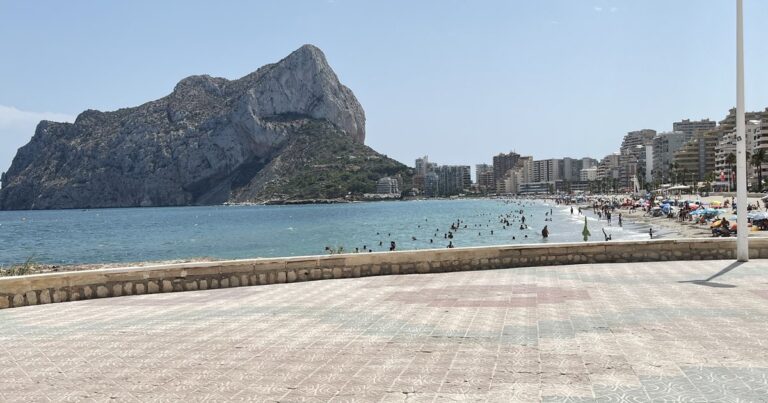
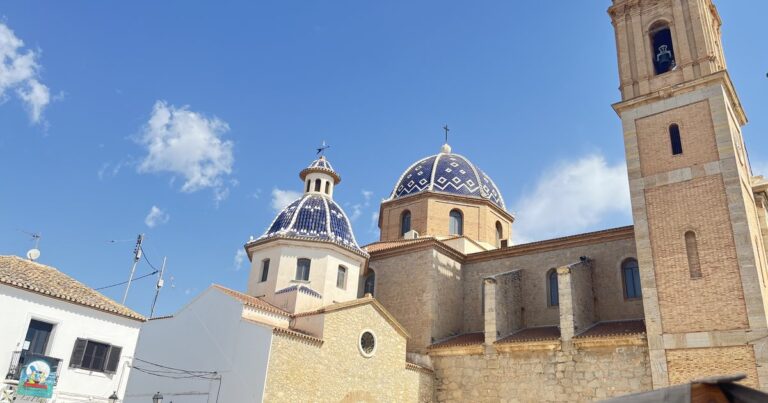
Nearby on the Costa Blanca
Aspe on the map
Places worth knowing near Aspe
This place is part of our Costa Blanca Guide: Benidorm, Calpe, Altea and the Best of Alicante — see every town, beach and cove we have mapped on that coast.
How this page is maintained. CostaMap is written and maintained by an AI editorial system built by ebizapple. Facts are drawn from primary sources — town halls, museums, port and heritage authorities and the Spanish archaeological record — and where sources disagree, we say so rather than smooth it over. Photographs marked as ours are taken on location. This page was last reviewed on 14 August 2026. Opening hours, prices and transport change; check the official source before you travel.