
Don’t expect a glossy resort with theme-park scale entertainment. This is a working Mediterranean town where fishing, archaeology and commuter links shape the visitor experience. If you go knowing that El Campello’s strengths are its long coastline, an evocative archaeological headland and an active marina rather than flashy nightlife or big tourist attractions, you’ll leave satisfied and without surprises.
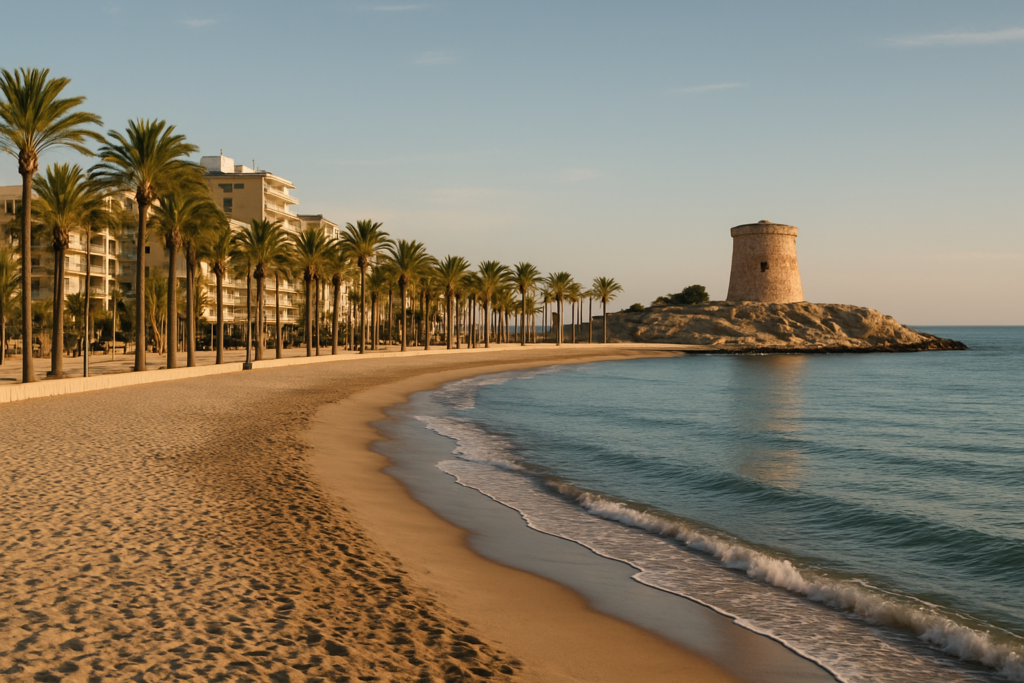
El Campello at a glance
- Coastal town on the Costa Blanca, between Alicante and Benidorm.
- About 23 km of coastline — long stretches of beach, smaller coves and rocky headlands.
- La Illeta dels Banyets: a layered archaeological site with 5,000 years of remains and Roman rock-cut fish farms.
- Active fishing port with an evening weekday Lonja (fish auction) and a large marina.
- On the scenic TRAM line that links Alicante and Benidorm — easy public-transport access along the coast.
- A 16th‑century coastal watchtower (Torre de la Illeta) rises beside the archaeological site.
- Illeta is managed and museumised by Alicante’s MARQ; there is a joint ticket that covers MARQ, Lucentum and the Illeta.
Before you plan
All the sites and activities noted here are currently active and publicly accessible according to available sources: the Illeta archaeological park is managed by MARQ with a joint ticket option; the town retains an active fishing port and marina; the TRAM coastal line serves the area. There are no verified closures or redevelopment notices affecting these venues in the provided sources.
Things to do in El Campello
El Campello’s appeal comes in small, authentic pieces rather than headline-only attractions. The town’s archaeological headland, its maritime economy and the ease of hopping the coastal tram to Alicante or Benidorm provide most of what visitors will do: short cultural visits, beach time and seaside promenades punctuated by a fish auction or a marina stroll.
| Attraction | What it is | Price/entry | Best for |
|---|---|---|---|
| La Illeta dels Banyets | Clifftop archaeological park with Bronze Age → Iberian → Roman → Islamic remains and Roman rock-cut fish pools | – | History buffs, families, short visits |
| Torre de la Illeta | 16th-century cylindrical coastal watchtower built against Berber pirate raids | – | Photographers, history visitors |
| Fishing port & Lonja | Active fishing harbour with an evening weekday fish auction and a large marina | – | Food lovers, market-watchers |
| TRAM line | Coastal tram route linking the area to Alicante and Benidorm | – | Day-trippers, coastal travellers |
La Illeta dels Banyets — the town’s defining site
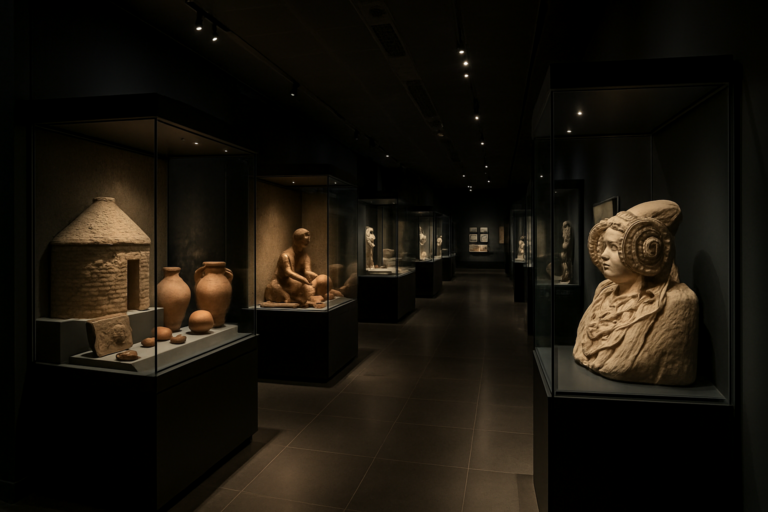
The Illeta is what most visitors mean when they talk about this stretch of coast. It’s a small peninsula museumised by Alicante’s MARQ and notable for layered archaeological remains spanning roughly 5,000 years — Bronze Age, Iberian, Roman and Islamic periods have all left traces here. The Roman rock-cut fish-farming pools (the els Banyets or Banos de la Reina) are among the most evocative features: they are ancient fish basins carved into the rock and connected to the sea. Popular local lore calls them a Moorish queen’s baths, but that is a misnomer; they are Roman-era fish farms. MARQ manages the site and there is a joint ticket that covers MARQ, the nearby Roman city of Lucentum and the Illeta, which is useful if you plan to visit multiple sites governed by the museum.
The Torre de la Illeta — a compact slice of coastal defence
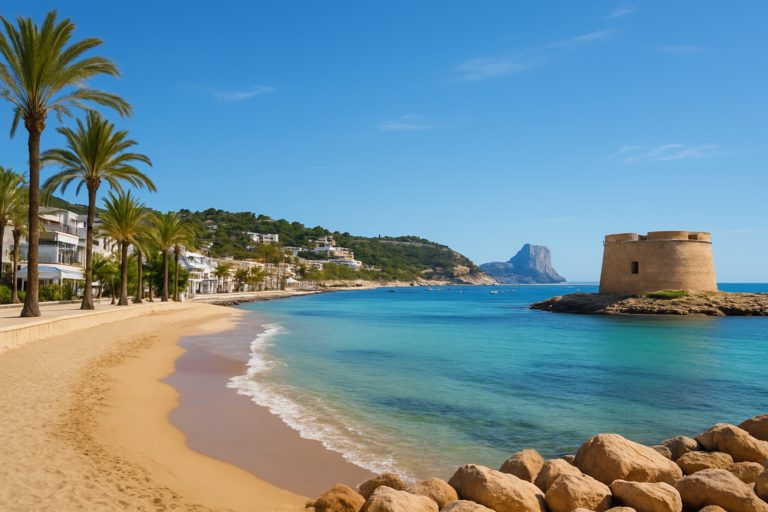
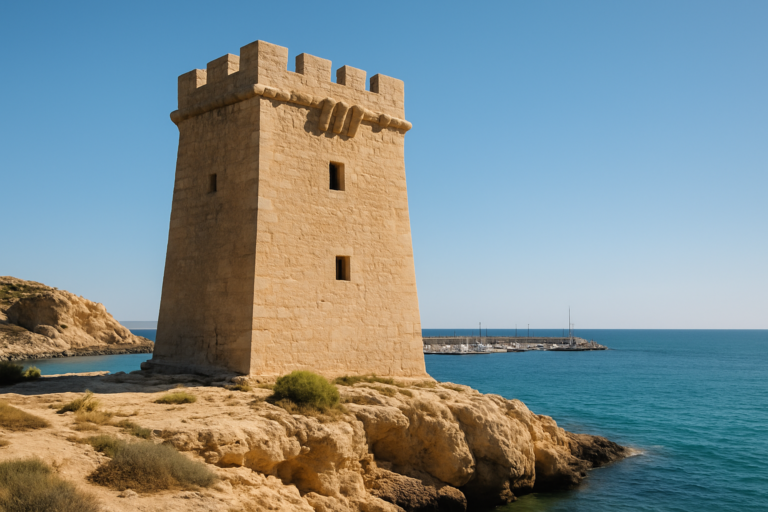
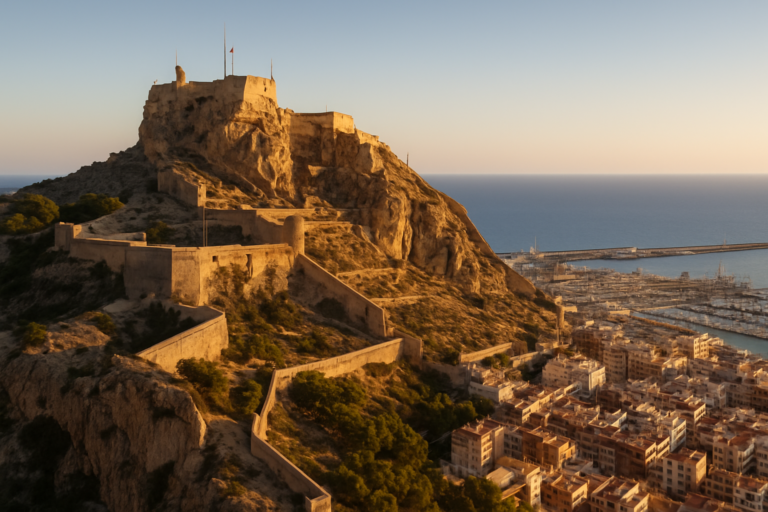
Beside the Illeta rises a cylindrical 16th‑century watchtower built as part of a coastal network to watch for Berber pirate raids. It’s not a big castle; think of it as a clear visual marker of the town’s maritime history and a compact vantage point for photos that tie the archaeological site to the long history of seafaring threats and defences along this coast.
Fishing port, marina and the weekday Lonja
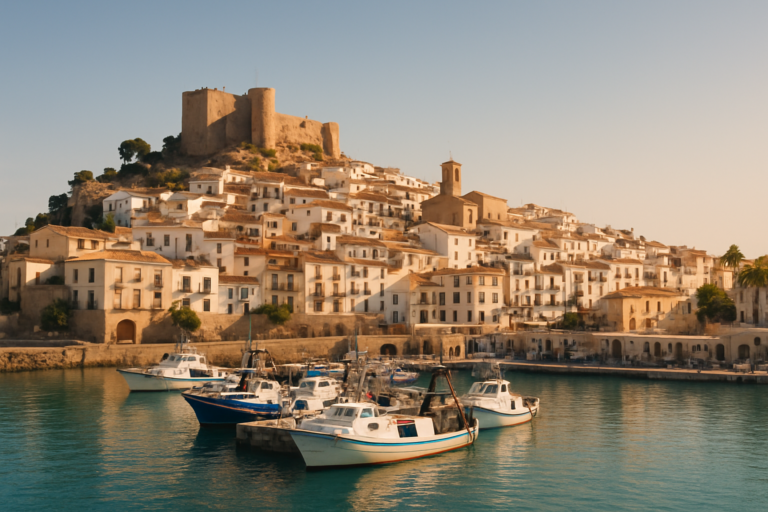
El Campello keeps working harbour life. The port remains active as a fishing harbour and hosts an evening Lonja fish auction on weekdays — a quick way to see commercial fishing logistics and, for those who time it right, buy or observe fresh fish landings. The town also has a large marina; even if you don’t sail, the boats and waterfront scene are part of the local rhythm.
Best beaches in El Campello
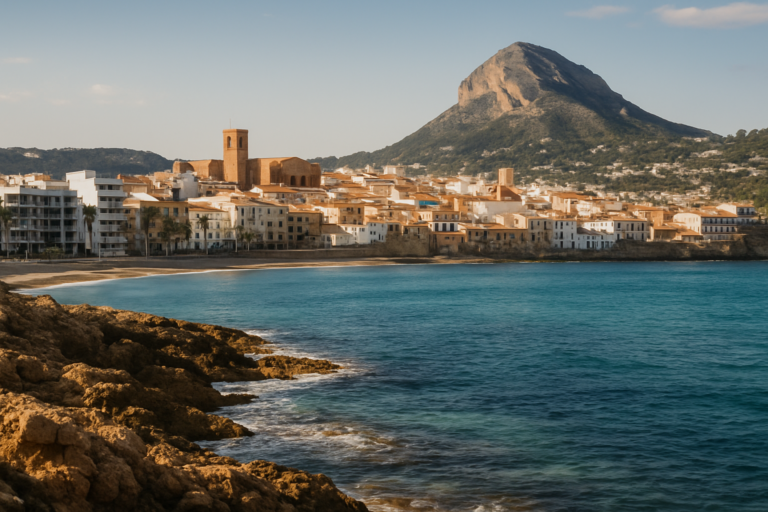
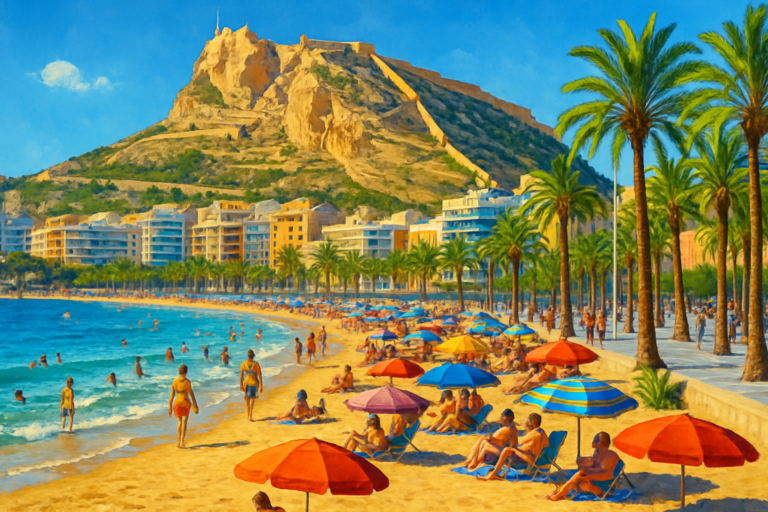
The coastline here stretches long and varied — around 23 kilometres — so you’ll find beaches that read very differently depending on where you walk. Expect expanses of sand suitable for families and promenades close to the town, interspersed with smaller coves and rocky headlands near the Illeta where the archaeology rises from the shoreline. The Illeta itself is a clifftop archaeological park rather than a sunbathing beach.
Facilities vary between the busier urban beaches closer to the marina and quieter, more natural stretches away from the centre; for family-friendly sand and easy services head toward the town promenade, while walkers and snorkellers will like the rockier parts around the headlands.
El Campello with kids
For families the town’s compactness is an advantage: short walks from town to beach, an accessible archaeological site and the spectacle of a working fish auction can make for a varied half- or full-day plan without long transfers. La Illeta’s open-air ruins are friendly to curious children who like exploring visible layers of history, and the museum management by MARQ means signage and curated interpretation are in place. The coastal tram is practical for short day trips to larger urban centres without needing to change vehicles or spend long on the road.
How to get to El Campello and get around
Public transport is a straightforward way to reach and move around the area thanks to the TRAM coastal line. The town sits directly on that route, which provides a scenic, car-free option for linking to Alicante and Benidorm. Once in town, the main attractions — the marina, promenade and the Illeta peninsula — are compact enough to explore on foot; local buses and the TRAM cover longer hops along the coast.
Where to stay
Accommodation choices tend to cluster around a few practical zones: the immediate seafront and promenade for easy beach access and marina views; the area near the TRAM stop for travellers prioritising public transport; and quieter residential stretches a little inland for lower noise and local life. Choose based on whether you want to be steps from the sand, near the tram for day trips, or in a calmer local neighbourhood.
History of the town
The headland at La Illeta demonstrates continuous human presence and use across millennia — Bronze Age, Iberian, Roman and Islamic phases are all visible in the archaeological record. The Roman period left notable maritime infrastructure in the form of rock-cut fish pools. Coastal defence shows later layers of history too: the cylindrical Torre de la Illeta dates to the 16th century, built against Berber pirate raids that threatened the Mediterranean littoral during that era. These overlapping layers are the core of the town’s historical identity.
Practical info
- Transport links: The TRAM line runs along the coast linking the area with Alicante and Benidorm, making it practical for day trips without a car.
- Attractions and ticketing: La Illeta is managed by Alicante’s MARQ; there is a joint ticket covering MARQ, Lucentum and the Illeta — useful if you plan multiple site visits under MARQ’s umbrella.
- Working harbour: The fishing port remains active and hosts a weekday evening Lonja (fish auction).
- Walking: The Illeta is a clifftop site — expect some uneven surfaces and short climbs around the ruins and watchtower; bring sensible footwear for rocky shore sections.
Worth it for: people who like compact coastal towns with real working-maritime life, accessible archaeology and easy coastal tram links to Alicante and Benidorm. Less so if: you want a big-resort nightlife scene or an area built entirely around tourist attractions — this is not a theme‑park destination.
How we assess this guide
This guide synthesises verifiable claims from regional heritage and transport sources. We cross-checked archaeological and museum oversight with MARQ’s documented responsibilities, verified the Illeta’s multi-period remains and the Roman fish-farm feature, and confirmed the town’s active fishing port and weekday Lonja and marina. Transport notes rely on the documented coastal TRAM route linking Alicante and Benidorm. We flag closures or redevelopment when sources indicate them; this guide does not contain independent first-hand reporting.
Frequently asked questions
How do I get from Alicante airport to the town?
Public-transport options include the coastal TRAM line that links Alicante with towns up the coast; the town sits on that route, making the tram a practical option. Check current timetables and connections from the airport into Alicante city and onward on the coastal line.
Is El Campello expensive compared with nearby resorts?
Costs vary by season and by whether you choose seafront hotels or quieter residential rentals. The town’s working-port character and local-market options such as the Lonja auction can make some local food choices straightforward and authentic, but there is no single verified price level to cite.
Which beach is best for families?
The urban beaches along the promenade provide the easiest access and facilities for families. The Illeta headland is an archaeological and rocky area rather than a primary family beach; for sand and services, stay closer to the town promenade and marina area.
How many days should I spend here?
A compact overnight stay or a two‑day visit works well for combining time on the beach with a visit to La Illeta and a tram day‑trip to Alicante or Benidorm. If your interest is broader coastal exploration, factor more time for neighbouring towns.
Is the Illeta suitable for children?
Yes — it’s open, museumised and interpretable thanks to MARQ’s management. Children who enjoy ruins and outdoor exploration will find it engaging; wear sensible shoes for uneven ground.
Can I visit without a car?
Yes — the area’s location on the coastal TRAM line and compact layout mean you can rely on public transport and walking for most visits. The tram is the principal car-free link to Alicante and Benidorm.
When is the Lonja fish auction?
Sources note the town operates an evening Lonja fish auction on weekdays. For exact times, consult local harbour information or the port’s notices when you arrive, as schedules can vary.
Are there guided tours of the Illeta?
The Illeta is managed by MARQ and museumised; MARQ’s involvement typically means there is structured interpretation and, at times, organised visits. Check MARQ’s visitor information for any guided-tour offerings and ticketing that bundles the Illeta with MARQ and Lucentum.
Is the TRAM scenic?
Yes — the coastal TRAM line linking Alicante and Benidorm is well known for following the shoreline in parts and offering practical, coastal views as you travel between towns.
What should I wear to visit the archaeological site?
Comfortable walking shoes are advisable because the Illeta is a clifftop site with uneven surfaces around the ruins and rock-cut pools. Sun protection is wise during the warmer months as much of the site is exposed.
Can I swim near the Illeta?
The Illeta is primarily an archaeological headland and clifftop park; nearby beaches and coves along the town’s long coastline provide swimming options. Expect a mix of sandy stretches and rockier coves depending on where you head along the 23 km of coast.
Are there good restaurants or seafood options?
The town retains a working fishing port and an active marina, and there is an evening weekday Lonja fish auction — these indicate a local seafood supply and harbour-side fish economy. You’ll find seafood-focused restaurants and market-fresh options by following the marina and port areas.
Is the Torre de la Illeta open to enter?
Sources identify the Torre de la Illeta as a 16th‑century coastal watchtower rising beside the archaeological site. Specific visitor access (interior entry vs. exterior viewing) isn’t detailed in the cited claims; expect it to be primarily a visible historic structure in the landscape.
What language will people speak?
Spanish and Valencian are the local languages along this stretch of the Costa Blanca, and you will find English in hospitality and tourist-facing businesses, especially during the main visitor season.
Can I combine a visit with Alicante or Benidorm?
Yes — the coastal TRAM line links the area directly to both Alicante and Benidorm, making day trips straightforward without needing a car.
Plan the wider trip
Nearby on the Costa Blanca
El Campello on the map
Places worth knowing near El Campello

How this page is maintained. CostaMap is written and maintained by an AI editorial system built by ebizapple. Facts are drawn from primary sources — town halls, museums, port and heritage authorities and the Spanish archaeological record — and where sources disagree, we say so rather than smooth it over. Photographs marked as ours are taken on location. This page was last reviewed on 14 August 2026. Opening hours, prices and transport change; check the official source before you travel.