
Expect a compact inland town where river gorges, medieval streets and a popular freshwater swimming spot make for a short, characterful stay rather than a lengthy beach holiday. Ontinyent’s strengths are tangible: dramatic old‑town views over the Clariano gorge, a towering church bell, nearby natural pools where locals bathe in summer and an unmistakable textile and agricultural presence in the surrounding valleys. This guide sets realistic expectations so you can plan the right length of stay and pick the experiences that deliver.
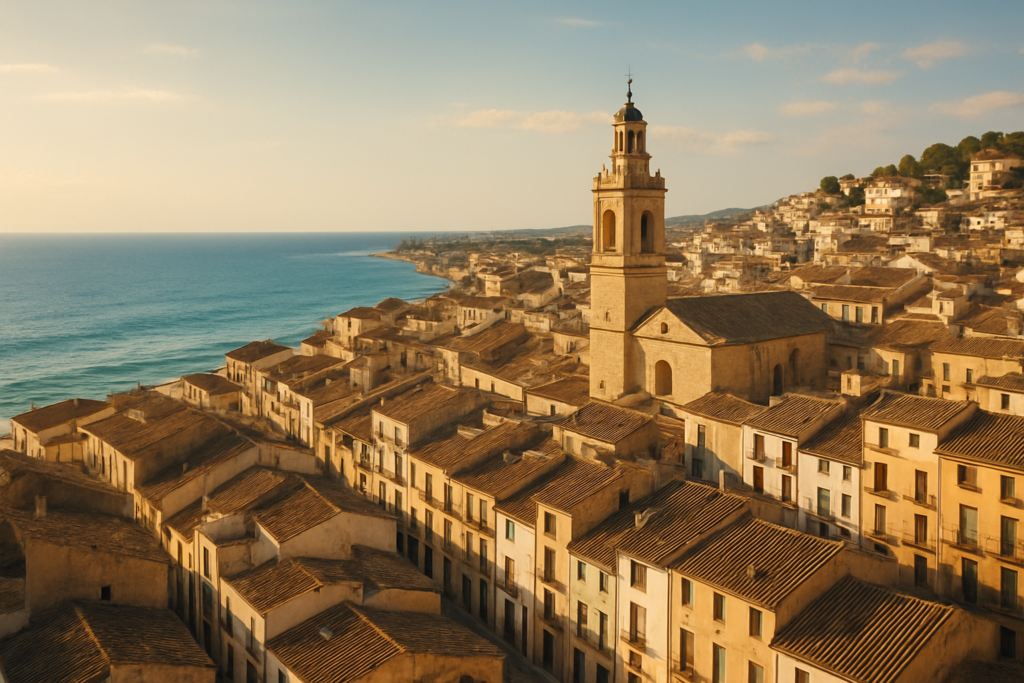
Ontinyent at a glance
- Capital of the Vall d’Albaida comarca on the Clariano river.
- Mild interior Mediterranean climate with noticeably cooler nights than the coast.
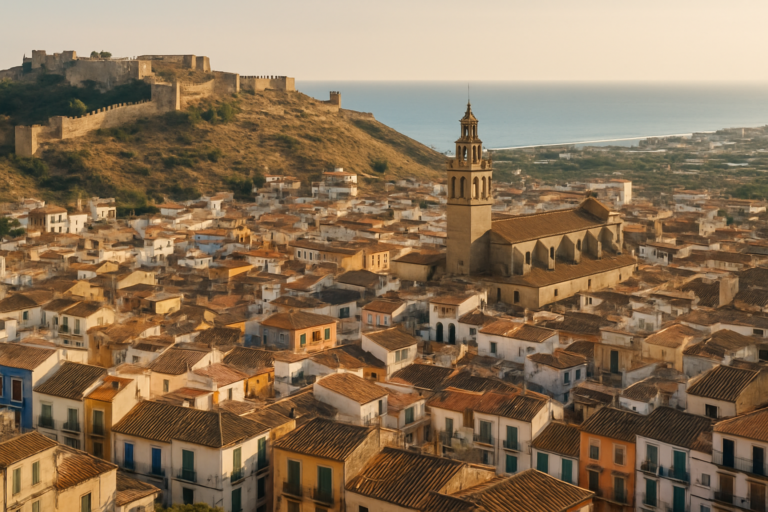
- Best-known sights: the medieval quarter (La Vila), the Santa Maria bell tower and the Pont Vell over a steep gorge.
- Popular natural bathing: Pou Clar — freshwater pools on the Clariano river.
- Outdoor options: nearby Serra Grossa and Benicadell mountains for hiking.
- Economy shaped by textiles (blankets and home textiles), agriculture (olives, cereals) and regional services.
- Road and rail links connect the town with Valencia and Alcoy.
Things to do in Ontinyent
Ontinyent suits short cultural visits combined with easy outdoor breaks. You can cover the historic core and a riverside swim in a day, or add hikes in surrounding hills for 2–3 days. Below is a quick comparison of the main draws to help choose what to prioritise.
| Attraction | What it is | Price/entry | Best for |
|---|---|---|---|
| Museu Arqueològic | Local archaeology and heritage displays tracing Iberian and Roman presence | – | History buffs |
| Pont Vell and Clariano gorge | Historic bridge and dramatic river gorge framing the old town | – | Photographers, walkers |
| Santa Maria bell tower (campanar) | One of the tallest bell towers in the Valencian Community; symbol of the town | – | Landmark seekers |
| La Vila (historic quarter) | Narrow medieval streets and mansions around the main church | – | Strolling and architecture |
| Pou Clar | Series of natural pools and potholes on the Clariano — popular freshwater bathing spot | – | Families and swimmers in summer |
| Serra Grossa & Benicadell | Hiking and rural scenery in surrounding hills and mountains | – | Walkers and nature lovers |
Historic quarter and the bell tower
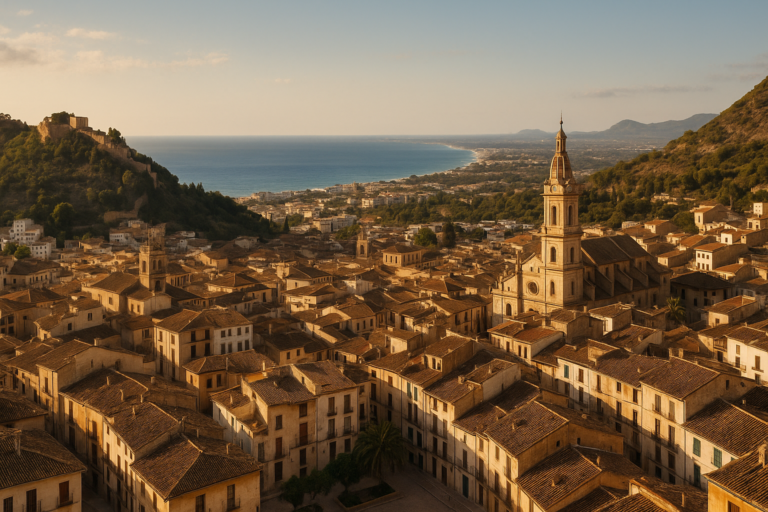
The compact medieval core—La Vila—preserves narrow streets, civic mansions and the church centred on the bell tower. The campanar of Santa Maria is a local symbol, notable for its height within the region and its role as a focal point for town views. Walking the old streets reveals stonework and arches rather than large museums, so plan time for pauses at viewpoints and cafés.
Pont Vell and the Clariano gorge
Where the Clariano cuts through the town you’ll find dramatic vistas: an old stone bridge spans steep sides and frames the rooftops of the historic quarter. This natural topography concentrates the town’s character in a small area and makes short walking loops especially rewarding for photographers and anyone who enjoys compact, scenic urban layouts.
Pou Clar: freshwater bathing outside town
Just beyond the urban edge, Pou Clar offers a chain of natural pools and potholes on the Clariano river. It’s a very popular local spot for cooling off in summer and for uncomplicated riverside picnics. Expect other visitors on warm days—the pools are a community favourite rather than a secluded wilderness.
Nearest beaches to Ontinyent
Ontinyent is inland, so “beaches” here means freshwater river pools rather than coastal sand. The most notable place people visit for swimming is Pou Clar.
| Beach | Character | Facilities / Blue Flag |
|---|---|---|
| Pou Clar | Series of natural pools and potholes on the Clariano river; popular for summer bathing | – |
Ontinyent with kids
Families will find straightforward, small‑scale attractions that work well for children: safe, shallow river pools at Pou Clar for paddling (supervision required), short easy walks on nearby trails, and the town’s compact historic core where kids can explore streets without long transfers. The Museu Arqueològic offers context about the area’s deep past if you want a short indoor option on a hot or wet day.
How to get to Ontinyent and get around
Getting to the town is mostly by road or regional rail; once in the urban area most places are walkable thanks to the town’s compact layout and concentrated sights.
| From | By | Approx time |
|---|---|---|
| Valencia / the coast | Road and rail links toward Valencia | – |
| Alcoy and interior towns | Regional rail and road connections | – |
Where to stay in the town
Stay choices cluster around a few clear areas depending on priorities:
- La Vila (historic quarter) — best for atmosphere, walking to sights and views of the bell tower.
- Riverside/near Pont Vell — suits photographers and anyone who wants early access to riverside walks.
- Outskirts / near agricultural land — a practical base for those exploring surrounding hills or hiking in Serra Grossa and Benicadell.
Best time to visit Ontinyent
The area has a mild interior Mediterranean climate with cooler nights than the nearby coast; that makes shoulder seasons pleasant for walking and hill routes, while summer attracts visitors to the Pou Clar pools. Festival dates can draw crowds, so check local listings before you travel if you want to coincide with—or avoid—events.
| Season | Months | What to expect |
|---|---|---|
| Spring | – | Good for walking; mild days and cooler nights |
| Summer | – | Busy at Pou Clar; ideal for river bathing |
| Autumn | – | Comfortable for hikes and sightseeing |
| Winter | – | Quieter town life; colder nights than the coast |
History of the area
The town’s history reaches back to Iberian and Roman times, traces of which are displayed in the local Museu Arqueològic and other heritage centres. A medieval urban core survived in La Vila, with mansions and the church that anchors the townscape today. Over centuries Ontinyent developed a strong textile tradition—especially in blankets and home textiles—which remains part of the local economy alongside olive and cereal agriculture.
Practical info
- Parking: the compact centre is best explored on foot; town outskirts and riverside areas typically provide parking options for day visitors.
- Accessibility: the old‑town streets are medieval and narrow in places; expect steps and uneven surfaces around the historic quarter and viewpoints.
- Connectivity: regional rail and roads link the town with Valencia and Alcoy; local services support the town’s role as a comarca capital.
- Costs: the area is shaped by local manufacturing and agriculture—expect local cafés and services rather than high‑end coastal resort pricing structures.
Worth it for: short cultural breaks, photographers, hikers who want easy access to nearby mountains and anyone seeking a popular freshwater bathing spot away from the coast. Less so if: you’re looking for sandy Mediterranean beaches, nightlife-driven resorts or long stretches of coastline—this is an inland, river‑and‑hill destination.
How we assess this guide
Content here is compiled from verified local and regional sources and cross‑checked for closures and major changes. We prioritise facts that directly affect visitors—sights, natural features, transport links and climate—and flag items that have changed. This is not a substitute for on‑the‑ground reporting, but we aim to reduce surprises by highlighting practical realities and the town’s real strengths.
Frequently asked questions
How do I reach Ontinyent from Valencia city or the coast?
Road and regional rail links connect the town with Valencia and coastal points; travel by car or regional train are the primary options.
Is Ontinyent expensive to visit?
Expect local pricing typical of an inland regional capital: services and food tend toward practical, everyday options rather than high‑end coastal resort prices.
Which spot is best for swimming near the town?
Pou Clar is the most notable freshwater bathing area—a chain of pools on the Clariano river popular in summer.
How many days should I plan?
For a focused visit: one full day covers the historic quarter and a swim at Pou Clar. Two to three days allow time for nearby hikes in Serra Grossa or Benicadell and a more relaxed pace.
Is Ontinyent good for families with children?
Yes. The river pools at Pou Clar and compact, walkable streets make for easy family days; the Museu Arqueològic provides an indoor alternative for a wet or very hot day.
Can I get around without a car?
Within the town most sights are walkable. Regional rail and road services provide links to Valencia and Alcoy if you prefer not to drive.
Is parking difficult in the historic centre?
The medieval layout means narrow streets; parking is generally easier on the outskirts and by riverside areas than in the heart of La Vila.
What are good rainy-day options?
The Museu Arqueològic and local heritage centres are the primary indoor options for learning about the area’s Iberian and Roman past.
When is the best time to visit for hiking?
Shoulder seasons are most pleasant for hill walking: milder days with cooler nights than the coast make spring and autumn favourable.
When does the Moros i Cristians festival take place?
The town celebrates a longstanding Moros i Cristians festival honouring its patrons; check local cultural listings for exact dates before planning if you want to attend or avoid crowds.
Is there much nightlife?
Nightlife is modest and town‑scale—expect bars and cafés rather than large club scenes; evenings are often quiet compared with coastal resorts.
Are there guided hikes or local outdoor services?
Hiking opportunities are available around Serra Grossa and Benicadell; local tourism offices and outdoor providers in the area can advise on routes and conditions.
What should I know about safety at Pou Clar?
Pou Clar is a popular local freshwater bathing site; exercise normal water safety and supervision for children. It is a community spot rather than an organized beach with lifeguards.
Can I combine a visit here with a coastal trip?
Yes. The town lies inland from the Costa de Valencia and pairs naturally with coastal itineraries if you want both river/gorge scenery and Mediterranean beaches on the same trip.
Are there local markets or artisan shops related to the textile tradition?
The town retains a textile manufacturing presence, historically strong in blankets and home textiles; local shops and businesses reflect that heritage.
Plan the wider trip
- Costa de Valencia guide
- Valencia
- Gandia
- Sagunto
- Oliva
- Buñol: La Tomatina, the Castle and River Pools
Nearby on the Costa de Valencia
Ontinyent on the map
Places worth knowing near Ontinyent
How this page is maintained. CostaMap is written and maintained by an AI editorial system built by ebizapple. Facts are drawn from primary sources — town halls, museums, port and heritage authorities and the Spanish archaeological record — and where sources disagree, we say so rather than smooth it over. Photographs marked as ours are taken on location. This page was last reviewed on 15 August 2026. Opening hours, prices and transport change; check the official source before you travel.