
Expect a compact inland Spanish town where vineyards and a hilltop fortress shape the skyline more than palm-lined promenades. This is a place for tasting beefy Monastrell reds, walking steep old streets and using the town as a base for limestone hikes—not for beach time or flashy tourist infrastructure. If you come seeking authentic wine country, rugged sierras and centuries-old architecture, you’ll get what you came for; if you arrive expecting a resort, you’ll likely be disappointed.
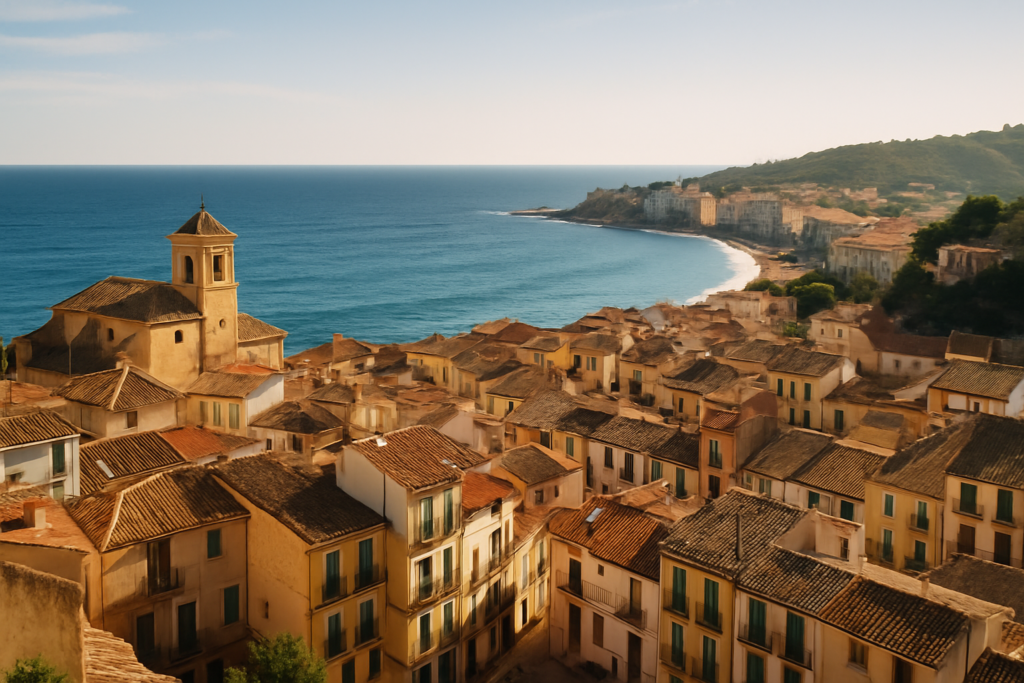
Jumilla at a glance
- Known for robust red wines from the Monastrell grape and the Jumilla DO.
- Old town climbs up to a 15th‑century castle overlooking narrow streets and the Renaissance church of Santiago.
- Annual wine harvest festival (Fiesta de la Vendimia) takes place each August.
- Surrounded by vineyards and sierras in the Altiplano highlands; Sierra del Carche natural park nearby.
- Local produce includes wine, olive oil, honey and pears from the surrounding countryside.
- Located inland between Murcia, Albacete and Alicante; roughly an hour from the Costa Cálida coast.
Things to do in the town
The core appeal here is layered: archaeology and history, a compact old quarter with a landmark church and a restored 19th‑century theatre, wine routes that lead through sunburnt vines, and nearby limestone sierras for walkers. Plan activities around two themes—culture in the town and nature/wine in the surroundings—so you don’t waste travel time bouncing back and forth.
| Attraction | What it is | Price / entry | Best for |
|---|---|---|---|
| Castillo de Jumilla | 15th‑century hilltop castle overlooking the old quarter | – | History lovers, views |
| Old town & Church of Santiago | Renaissance church and narrow streets climbing toward the castle | – | Strolling, photography |
| Teatro Vico | Restored 19th‑century theatre and cultural landmark | – | Theatre and architecture fans |
| Wineries / Jumilla DO | Wine region famed for Monastrell reds | – | Wine tasting, gastronomes |
| Sierra del Carche | Natural park with rugged limestone scenery and endemic plants | – | Hikers and nature spotters |
Climb to the castle and read the old town
Start in the compact historic nucleus and let the streets lead you upward. The Renaissance church of Santiago anchors the old town architecturally; from there narrow lanes climb toward the hilltop castle. The Castillo de Jumilla sits above the quarter and frames views across the surrounding vineyards and sierras—its 15th‑century origins make it the most visible historic marker of the town.
Cultural stops: Teatro Vico and local rhythms
Near the town centre the restored Teatro Vico is a reminder of 19th‑century civic life and remains a cultural landmark. Even if you don’t see a performance, it’s worth a look for the building itself and for understanding how Jumilla’s civic identity has been expressed in public spaces.
Wine visits and tasting
The town gives its name to the Jumilla denominación de origen, a wine region best known for Monastrell (Mourvèdre). Vines here thrive on poor limestone soils and a hot, dry climate, producing concentrated, robust reds. Use the town as a base for winery visits and tastings that focus on these local expressions; look for producers that highlight Monastrell and the high‑altitude character of the Altiplano wine corridor.
Hiking in the Sierra del Carche
A short drive from the urban centre, the Sierra del Carche natural park rewards walkers with rugged limestone scenery and an emphasis on endemic plants rather than manicured trails. Routes here lean toward the rugged and botanical—ideal if you enjoy scrubby highland landscapes rather than easy promenades.
Best beaches in the area
This is an inland town; beaches are not a feature of the town itself. If you want a beach day, the nearest coastal stretch is on the Costa Cálida, roughly an hour away by road. Plan a day trip to the coast rather than expecting a beach in town.
Jumilla with kids
Families with school‑age children will find gentle options: short castle approaches, easy walks in the old quarter, and introductory winery visits that focus on landscapes and food rather than heavy drinking. The Sierra del Carche can work for older children who handle uneven terrain. The town’s compact size keeps travel times low between activities, which helps with shorter attention spans.
How to get to the town and get around
The town lies inland in the Altiplano highlands, roughly between the cities of Murcia, Albacete and Alicante. That central inland position means most visitors arrive by road from nearby cities; regional roads connect the town with the surrounding provinces and the coast.
Once in town, the historic centre is compact and most principal sights—the old quarter, the church of Santiago, Teatro Vico—are walkable. Use a car to reach wineries scattered around the countryside and to access the Sierra del Carche natural park.
Where to stay
Accommodation clusters into a few natural choices depending on priorities:
- Old town / historic centre — best if you want walkable access to the castle, the church of Santiago and Teatro Vico; suits sightseers and those who prefer staying close to cafés and municipal life.
- Vineyard outskirts — properties outside the core are handy for winery visits and quieter nights surrounded by vines and agricultural landscapes; a good fit for wine-focused stays.
- Near the sierras — choose this if you plan to base hikes in the Sierra del Carche; expect more rural lodging and simpler services.
Best time to visit
Visits cluster around two natural rhythms: wine season and the hiking months. The annual Fiesta de la Vendimia in August is the cultural high point for wine celebrations. For hiking and spring wildflowers in the sierra, shoulder seasons bring more comfortable temperatures than midsummer. Summers are typically hot and dry—a factor to plan around for outdoor activities.
| Season | Months | What to expect |
|---|---|---|
| Summer | August highlighted by the Fiesta de la Vendimia | Wine festival activity; hot, dry conditions typical of the Altiplano |
| Shoulder seasons | Spring and autumn | Better conditions for hiking in Sierra del Carche and comfortable vineyard visits |
History of the town
This area has a long history of human settlement: Iberian and Roman remains have been found around the town, indicating occupation long before the medieval castle rose above the old quarter. The Castillo de Jumilla dates to the 15th century and marks a later medieval phase of fortification; the town’s Renaissance church of Santiago speaks to its civic and religious development during and after the medieval period.
Practical info
- Local produce and markets: the region is agricultural—look for local wine, olive oil, honey and pears when shopping or dining.
- Walking: the historic centre is compact and hilly; expect climbs toward the castle and uneven paving in narrow streets.
- Transport to coast: the Costa Cálida coastline is approximately an hour away by road, making day trips feasible.
- Landscape and terrain: the town sits in the Altiplano highlands and is surrounded by vineyards and sierras—rural driving conditions apply outside the urban core.
Worth it for: visitors interested in robust Monastrell wines, compact historic quarters with a hilltop castle, and limestone hiking in a nearby natural park. Less so if: you’re seeking beach resort facilities or a high‑service coastal holiday—this is inland wine and mountain country, not a seaside escape.
How we assess this guide
This guide is compiled from cross‑checked sources about regional products, historic sites, wine designations and natural areas. We flag major events and the status of cultural landmarks; where local venues or conditions might change, we avoid specific opening hours or prices and recommend checking directly with local operators before travel. This is not based on new onsite reporting but on verified background information to set realistic expectations.
Nearby on the Costa Cálida
Towns near Jumilla
- Yecla — 23 km north-east, a Murcia Altiplano wine town of Monastrell reds
- Cieza — 28 km south, a Murcia Segura-valley town famous for its spring floración blossom
- Archena — 41 km south, The Balneario de Archena has taken the waters since Roman
- Villena — 44 km north-east, an inland Costa Blanca town with the Atalaya castle
- Elda — 47 km east, the capital of Spain's shoe industry
- Molina de Segura — 48 km south, a Murcia riverside town of huerta and theatre
Places to visit within reach
- Atalaya Castle (Villena) — 44 km, A dramatic medieval fortress crowning a hill above the inland town
For the wider picture, see the Costa Cálida guide, which lists every town on this coast.
Frequently asked questions
How do I get to Jumilla from the nearest cities?
The town lies inland between Murcia, Albacete and Alicante, so most visitors arrive overland from those cities. Roads link the town to the surrounding provinces; many travellers drive or use regional coach services to reach the town before switching to local transport.
Is Jumilla expensive to visit?
Costs reflect an inland town with an agricultural hinterland: expenses for food and local products vary, but the area is oriented toward wine tourism and rural services. Expect to pay typical regional prices for tastings and meals rather than resort premiums.
Which beach is best if I want to combine sea time with a visit?
There are no beaches in the town itself. The Costa Cálida coast is roughly an hour away by road and is the nearest option for a beach day if you’re staying locally.
How many days should I spend here?
A focused day trip covers the castle, the old town and a single winery visit. If you want to include multiple winery tours and walking in the Sierra del Carche, plan for two to three days to avoid rushing between sites.
Is Jumilla good for families?
Yes for families who enjoy short cultural walks, gentle local food and introductory winery experiences; the compact historic centre keeps transfers short. Hiking in the Sierra del Carche suits families with older children who can manage uneven terrain.
Can you get around without a car?
Within the town, most main sights are walkable. To visit dispersed wineries or access the Sierra del Carche you’ll find a car much more practical; public transport and regional coaches can connect the town to larger cities but are less convenient for rural destinations.
Is parking easy in the historic centre?
The old town is compact and hilly; parking tends to be easier outside the tightest lanes. For long stays, consider parking outside the most constricted streets and walking into the centre.
What is there to do on a rainy day?
Indoor cultural options include exploring the town’s church architecture and visiting the restored Teatro Vico (which is both an exterior landmark and a venue for scheduled performances). Wine tastings also provide a good rainy‑day alternative.
When is the Fiesta de la Vendimia?
The town holds an annual wine harvest festival each August; it is one of the town’s main cultural events and draws visitors interested in wine traditions and celebratory programming.
What makes Jumilla wines distinctive?
Wines from the Jumilla DO are famous for robust reds made predominately from Monastrell (Mourvèdre). The vines thrive on poor limestone soils and a hot, dry climate, which contributes to the concentrated character of the wines.
Are there guided winery tours?
Yes—many visitors organise visits to local wineries to taste Monastrell and learn about the Jumilla DO. Bookings and details vary by producer; check with individual wineries for tour options.
What should I pack for hiking in the Sierra del Carche?
Expect rugged limestone terrain and endemic plant life; bring sturdy footwear, sun protection and water. Choose routes appropriate to your fitness level and check local conditions before you head out.
Is the town walkable for older visitors?
The historic centre involves climbs toward the castle and narrow uneven streets. Older visitors can enjoy the main squares and lower streets easily, but should be prepared for uphill walking if they want the castle views.
Are local food and produce worth sampling?
Yes—the countryside produces olive oil, honey and pears in addition to the celebrated local wines. Look for these items in markets and menus to experience regional flavours.
Can I combine Jumilla with other nearby destinations?
The town sits within reach of Murcia, Alicante and Albacete, and an hour from the Costa Cálida coast, so it fits naturally into itineraries that combine inland wine country with regional cities and coastal days.
Plan the wider trip
- Costa Cálida guide
- Murcia
- Cartagena
- San Pedro del Pinatar: Salt Flats, Mud Baths & Mar Menor
- Santomera: Lemon-Growing Town East of Murcia City
- Águilas: Carnival Town & Bays of Costa Cálida
Jumilla on the map
How this page is maintained. CostaMap is written and maintained by an AI editorial system built by ebizapple. Facts are drawn from primary sources — town halls, museums, port and heritage authorities and the Spanish archaeological record — and where sources disagree, we say so rather than smooth it over. Photographs marked as ours are taken on location. This page was last reviewed on 15 August 2026. Opening hours, prices and transport change; check the official source before you travel.