
Expect a small, quietly distinctive Murcian town built around hot springs and farmland: Archena isn’t a beach resort or a bustling historic capital, and that’s precisely the point. Come here for thermal baths that have drawn visitors since Roman times, a compact riverside layout, a farming rhythm dominated by orchards, and short walks with local landmarks rather than long museum crawls. If you want big-city nightlife or pristine Mediterranean sand, plan a day trip elsewhere — but if you want thermal bathing, local agricultural landscapes and a sense of layered history, this is worth a stop.
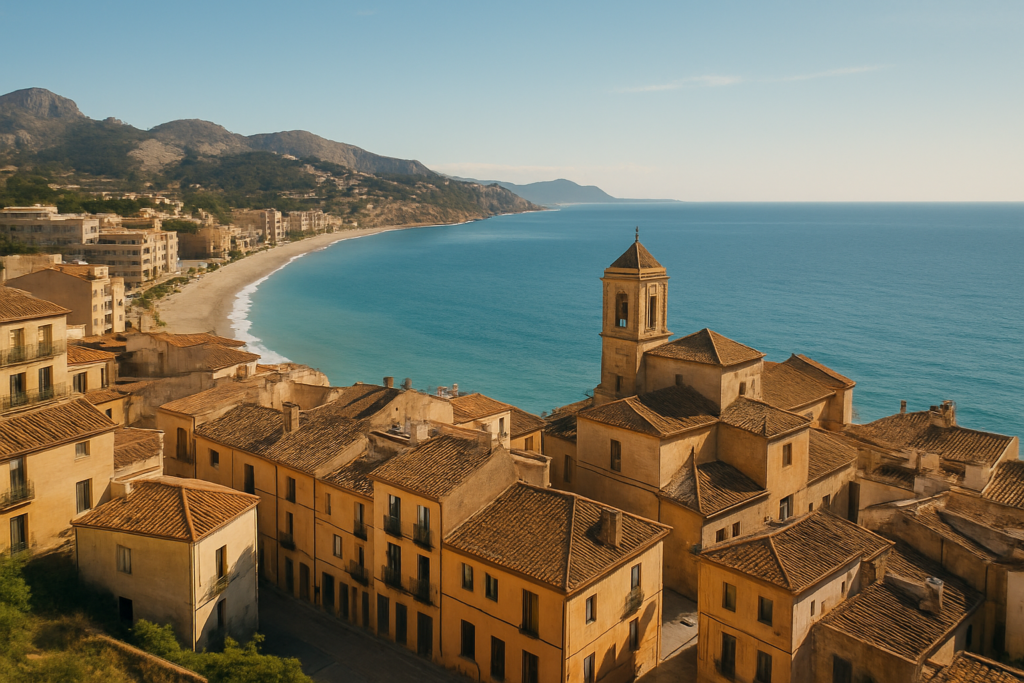
Archena at a glance
- Prominent thermal spa complex (Balneario de Archena) that defines local tourism and has roots in Roman-era use.
- Sits along the Segura River, which courses through about 7 km of the municipality.
- Economy dominated by agriculture — fruit trees are the main crops.
- Hot semi‑arid climate with scarce rainfall (under 300 mm a year).
- Small municipality: roughly 16.5 km² in area and about 20,976 residents (2024).
- Easy day‑trip distance to the regional capital: 24 km from Murcia.
- Nearby natural landmark: the Ope, a 276‑metre hill with an iron cross at its top.
Before you plan
Key attractions and broad geographic facts in this guide are current. We flag changes such as closures when reliable sources report them; no item cited here is listed as permanently closed or under redevelopment in our sources.
Things to do in Archena
Activity options in and around the town are concentrated: thermal bathing and short local walks top the list, then simple rural and river experiences. You can build a relaxed day around the spa and riverside cafés, stitch in a short hill walk to the Ope for views, and use the town as a base for exploring the Ricote Valley agricultural landscape.
| Attraction | What it is | Price/entry | Best for |
|---|---|---|---|
| Balneario de Archena | Thermal spa complex with long-standing historic use | — | Relaxation, thermal bathing |
| Segura riverside | Riverside stretch flowing through the municipality | Free | Walks, riverside cafés |
| The Ope | 276‑metre hill with an iron cross at the summit | — | Short hikes, viewpoints |
Balneario de Archena — why people come
The thermal baths are the town’s headline draw. The spa complex is prominent in local tourism and the thermal springs have been used since Roman times, giving the place a continuity of bathing culture you won’t find in most small towns. Expect facilities oriented to visitors seeking thermal treatments and relaxation rather than high‑adrenaline waterparks. Plan time for both the public pools and the quieter therapeutic offerings if you want deeper relaxation.
Riverside walks and simple town strolling
With the Segura River running approximately 7 kilometres through municipal territory, much of the town’s public life is organized near the water. Riverside paths and cafés make for pleasant short walks; these are low‑effort activities that give a good sense of the local environment and agricultural hinterland without long travel.
Short hike: the Ope
A quick excursion north of town brings you to the Ope, a 276‑metre hill marked by an iron cross at its summit. It’s not a technical climb: the hill is a short walk and offers local views and a pocket of higher ground above the otherwise low, semi‑arid landscape. This is a good choice for anyone wanting a compact outdoor outing with a clear landmark.
Best beaches in the area
Archena itself sits inland in the Ricote Valley, so there are no beaches within the municipality. If you need sea time, the nearest coastal resorts are along the broader Costa Cálida region; use Archena as a thermal and valley base and pair it with a day on the coast elsewhere.
Archena with kids
Families can enjoy the town but expectations should be realistic: this is not an amusement-park destination. The thermal baths are the main family draw — many thermal resorts in Spain offer family-friendly zones — and the riverside provides safe, low-stress walking. Short hikes like the Ope work for older children who can cope with a hill walk; younger kids will appreciate riverside cafés and shaded areas rather than long treks.
How to get to Archena and get around
Getting here is straightforward from the regional capital: the town sits about 24 km from Murcia, so a short drive or a regional transfer will get you here quickly. Once in town, it’s compact enough to walk between most points of interest: the spa, riverside, and local cafés are all close. For excursions into the Ricote Valley or to coastal areas, a car makes those trips easier because local transport services are less frequent than in a city.
Where to stay
Accommodation options are concentrated around the spa and along the river. If your priority is bathing and convenience, choose lodging close to the Balneario de Archena so you can come and go easily. For a quieter stay with more of a local feel, seek small guesthouses or apartments a short walk from the riverside; this keeps you within easy reach of cafés and basic services while avoiding the immediate spa crowds.
Best time to visit
Archena’s climate is hot and dry: a hot semi‑arid classification and annual rainfall below 300 mm shape the year. Summers are hot and dry; winters are milder and drier than in many northern European climates. If you want to combine bathing with outdoor walking, aim for the transitional shoulder seasons when temperatures are less extreme.
| Season | Months | What to expect |
|---|---|---|
| Spring | — | Mild temperatures, good for spa visits and short walks without peak summer heat |
| Summer | — | Hot and dry; comfortable for pool bathing but outdoor walking can be strenuous |
| Autumn | — | Cooling temperatures; another good window for both spa and river activities |
| Winter | — | Milder winters compared with northern Spain; spa visits remain pleasant |
History of Archena
The town’s history is long and layered. Settlement in the area dates back to the Bronze Age, and the presence of thermal springs ties Archena to Roman-era use — locals and visitors have used the waters for millennia. The town’s name may derive from an Indo‑European root associated with water, which fits its identity as a riverside, spring-fed settlement. The 17th century brought hardship: floods, droughts and locust plagues combined to produce a period of crisis. In the modern era, Spain’s transition to democracy after 1975 brought infrastructural investment to towns in the region; Archena benefited from new schools and health facilities during that period, shaping local services today.
Practical info
- Geography and size: The municipality covers 16.5 km², which helps explain why most attractions are compact and close together.
- Population: Approximately 20,976 residents (2024), so expect the services and scale of a modest town rather than a large city.
- Agriculture: Fruit trees and orchard farming dominate the local economy; this shapes the landscape and the seasonal rhythm of the town.
- River: The Segura River runs through about 7 km of municipal territory — the river is a defining local feature and hub for riverside activities.
- Climate: Hot semi‑arid with less than 300 mm of rainfall per year — bring sun protection and plan outdoor activities with the heat in mind.
Worth it for: people seeking a historic thermal spa experience, quiet riverside strolls, short rural walks and a small‑town Murcian atmosphere. Less so if: you want beaches nearby, lively nightlife, or an itinerary heavy on museums and metropolitan amenities.
How we assess this guide
This guide was compiled from verified local facts and cross‑checked sources. We emphasize realistic expectations to reduce disappointment and flag closures or changes when sources report them. Where our sources provide specific figures — area, population, distances, and climatic class — they are used directly; where details are unavailable we avoid inventing them. This is not first‑hand field reporting but a synthesis of reliable, cited information for planning purposes.
Frequently asked questions
How far is Archena from Murcia airport or the regional capital?
The town is 24 km from the regional capital, Murcia. Use that proximity for quick day trips or transfers between city and town.
Is Archena expensive for visitors?
We don’t have specific pricing data in our source set, but expect costs typical of a small inland Spanish town: accommodation and eating out tend to be less expensive than in major tourist resorts, with the Balneario de Archena as the main paid visitor attraction for which pricing varies by service.
Which beach is best if I want to combine sea time with a stay here?
There are no beaches in the municipality: Archena is inland in the Ricote Valley. For beaches, plan a separate day trip to the Costa Cálida coastline; the town functions best as a thermal and valley base rather than a seaside resort.
How many days should I plan for a visit?
A comfortable visit is one to two days: arrive to use the thermal baths, stroll the riverside and take a short walk to the Ope. Use additional days for side trips into the Ricote Valley or to pair with coastal beaches elsewhere in the region.
Is Archena good for families with children?
Families can enjoy the town, particularly for relaxed thermal bathing and easy riverside walks. The spa attracts family visitors in many such towns, but it’s not an entertainment park; activities are quieter and more restorative.
Can you get around without a car?
Within town, yes: Archena is compact and walkable, with the spa and riverside close together. For exploring surrounding areas or reaching coastal beaches, having a car makes side trips more convenient.
Is parking difficult to find?
Specific parking details aren’t provided in our sources. Given the town’s small size and the concentration of visitors around the spa, allow a little extra time for parking near popular facilities, especially on busy days.
What are good rainy‑day options?
Rain is relatively scarce due to the hot semi‑arid climate, but if weather forces you indoors the Balneario de Archena and indoor spa facilities are the primary covered attractions to focus on.
When is the best time of year to visit?
Shoulder seasons are most comfortable: spring and autumn avoid the hottest summer temperatures while still offering pleasant conditions for bathing and short outdoor activities. Winters are milder than northern Spain, so off‑season spa visits are also possible.
Are there any notable hill walks or viewpoints?
The Ope is the local hill landmark: a 276‑metre summit north of town marked by an iron cross and suitable for a short walk and local views.
Does the Segura River flood or affect visits?
Historically the region has suffered from hydrological extremes — the 17th century saw floods among other crises — but current specific flood risk or recent events are not detailed in our sources for planning purposes. The river is primarily a scenic and recreational element of the town today.
What is the town’s historical significance?
Archaeological continuity goes back to the Bronze Age and the thermal springs have Roman-era roots, giving the town a long history connected to water and bathing. Later centuries brought hardships and later still, post‑1975 investments improved local education and health infrastructure.
Is agriculture important locally?
Yes: the economy is primarily agricultural, dominated by fruit trees. You’ll see orchards shaping the surrounding landscape and the seasonal economy.
How big is Archena in area and population?
The municipality covers 16.5 km² and had a population of about 20,976 in 2024, so expect the scale of a modest town rather than a large urban center.
Plan the wider trip
- Costa Cálida
- Caravaca de la Cruz: Spain's Holy Jubilee City
- Cehegín: Historic Marble Town in Northwest Murcia
- Santomera: Lemon-Growing Town East of Murcia City
- Torre-Pacheco
- Alcantarilla
Nearby on the Costa Cálida
Archena on the map
How this page is maintained. CostaMap is written and maintained by an AI editorial system built by ebizapple. Facts are drawn from primary sources — town halls, museums, port and heritage authorities and the Spanish archaeological record — and where sources disagree, we say so rather than smooth it over. Photographs marked as ours are taken on location. This page was last reviewed on 15 August 2026. Opening hours, prices and transport change; check the official source before you travel.