
This is a small, traditional inland town where agriculture and local industry shape daily life more than tourist trappings. Expect narrow, twisting streets, a handful of specialised museums, and a skyline cut by the Sierra de Callosa rather than palm-lined promenades. It’s not a beach resort — but it’s a useful, authentic base if you want to pair rural Valencian culture with quick access to Alicante or the coast.
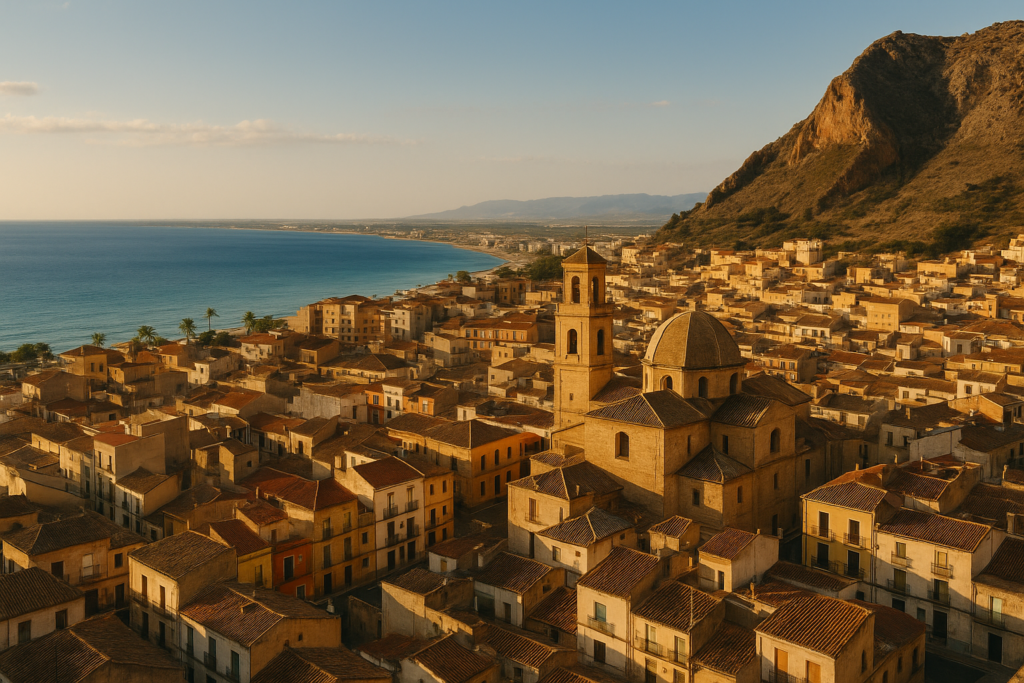
Callosa de Segura at a glance
- Traditional Spanish-speaking town in Vega Baja del Segura, Valencian Community.
- Economy centred on agriculture and manufacturing, notably hemp-based cordage products.
- Short drives to the coast and airports: about 30 minutes to Alicante and Murcia airports and to Guardamar beach.
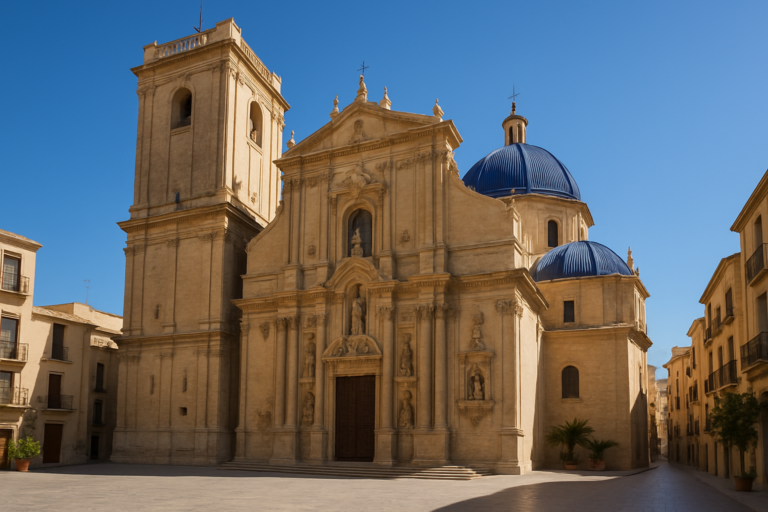
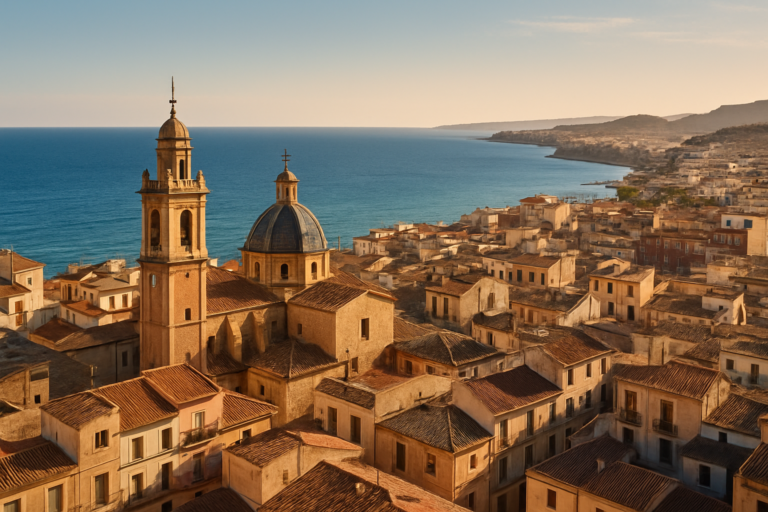
- Key heritage: Saint Martin’s Church with its blue-decorated dome and a castle above the hermitage.
- Several small museums explain the town’s agricultural and social history, housed in historic buildings.
- Reachable from the A-7 (E15) motorway (junction 79) or the AP-7 (junction 733).
Things to do in Callosa de Segura
Plan for short visits: the town’s attractions are compact and themed — most relate to local history, agriculture, and religious heritage. If you’re pairing a coastal stay with inland culture, this is an easy half-day to full-day stop rather than an overnight destination for most travellers.
| Attraction | What it is | Price/entry | Best for |
|---|---|---|---|
| Hemp and Agricultural Museum | Museum outlining the history of hemp production and its role in the town | — | People interested in agricultural heritage and local industry |
| Holy Week Museum | Collection of thrones and religious images by José Noguera, Hurtado Carré and José Hernández | — | Religious art and festival culture enthusiasts |
| Archaeological Museum | Artefacts from the Neolithic era through Roman occupation | — | Visitors who want a quick archaeological overview of the area |
| Town History Museum (former slaughterhouse) | Local history museum housed in the original 1929 slaughterhouse building | — | Those curious about social history and adaptive reuse of buildings |
| Saint Martin’s Church | 16th–18th century church notable for its blue-decorated dome | — | Architecture and church-interior detail seekers |
| Saint Roque Hermitage & Castle site | Hermitage built between 1579 and 1798; castle sits above it | — | Hikers and people who enjoy elevated viewpoints |
Local museums: compact, focused, and revealing
Three small museums form the backbone of cultural visits. The Hemp and Agricultural Museum explains why hemp-based cordage has been economically important here and places that industry in a broader agricultural context. The Archaeological Museum traces human presence from the Neolithic period up to the Roman occupation, offering a concise timeline of the valley. The Holy Week Museum presents the town’s religious artistry, including thrones and images created by named local sculptors — useful context if you time a visit around the spring processions.
Religious and historical architecture
Saint Martin’s Church dominates the historic centre: its construction spans the 16th to the 18th centuries and the blue-decorated dome is a local landmark. Nearby, the Saint Roque Hermitage, erected between 1579 and 1798 in devotion to the patron saint, sits below the town’s castle site. The castle’s position above the hermitage makes the walk a natural short hike for views and a sense of the town’s defensive history.
Strolling the old town
The old quarter is characterised by very narrow streets and tight alleys that reveal domestic architecture and everyday life rather than grand tourist façades. Because the area is compact, combine a museum or church visit with a relaxed wander to get the most from a short stay.
Best beaches in the area
Callosa de Segura is inland; the nearest coastal sand is a short drive. If you want a beach day, Guardamar is the closest straightforward option, reachable in roughly half an hour by car.
| Beach | Character | Facilities / Blue Flag |
|---|---|---|
| Guardamar | Long sandy beaches backed by dunes and pine woodland | — |
Callosa de Segura with kids
Families who enjoy short cultural outings and outdoor time can make a pleasant day of it. Museums are small and manageable for children who tolerate museum visits; the hermitage-and-castle walk offers a simple hike with rewarding views. Note that narrow streets in the old town can be awkward with strollers, so plan for a carrier or leaving the pram at your accommodation for the historic core.
How to get to Callosa de Segura and get around
Driving is the most convenient way to reach and explore the town and its surrounding Vega Baja area. Junction 79 from the A-7 (E15) is the standard approach; the AP-7 also provides access via junction 733. Public transport options exist between regional towns, but a car gives you freedom to reach the coast, nearby towns and mountain viewpoints quickly.
| From | By | Approx time |
|---|---|---|
| Alicante airport | Car | About 30 minutes |
| Murcia airport | Car | About 30 minutes |
| Guardamar beach | Car | About 30 minutes |
Where to stay
Accommodation is primarily small hotels, guesthouses and rentals serving a local and visiting-workforce market rather than a large tourism industry. Choose your base depending on priorities:
- Historic centre — best for walking to the museums, the church and seeing narrow streets up close.
- Outskirts / near motorways — practical if you’re driving in and out frequently or using the town as a base to explore the wider Vega Baja and coastline.
Best time to visit Callosa de Segura
Because most activities are indoor museums, church visits and short climbs, the town is visitable year-round. Spring and autumn are comfortable for walking and short hikes; summer can be hot inland but offers easy beach access within a short drive.
| Season | Months | What to expect |
|---|---|---|
| Spring | March–May | Comfortable temperatures for walks and visiting hermitage/castle site |
| Summer | June–August | Hot inland; pair visits with an early morning schedule or a beach afternoon |
| Autumn | September–November | Good weather for outdoor exploration and shorter queues at attractions |
| Winter | December–February | Milder than many inland European locations; indoor museums are good options |
History of the town
The town’s history is preserved in multiple small museums and its religious architecture. Archaeological displays cover human presence from the Neolithic era through Roman times, indicating a long sequence of settlement in the Segura valley. The present ecclesiastical fabric — notably Saint Martin’s Church — reflects construction phases across the 16th to the 18th centuries. The Saint Roque Hermitage, whose construction spans the late 16th to late 18th centuries, and the castle above it underline the town’s historical defensive and devotional patterns. The 20th-century slaughterhouse, built in 1929, has been repurposed as a local history museum, illustrating how industrial and social buildings have been reused to tell the community story.
Practical info
- Parking: parking is generally easier outside the narrow historic core; expect tight streets in the old town.
- Language: Spanish is the traditional local language used in daily life—useful to know for basic interactions.
- Connectivity: good road links via the A-7 (E15) and AP-7 motorways make it simple to combine the town with coastal or regional itineraries.
- Costs: the local economy centres on agriculture and manufacturing rather than tourism, so pricing reflects local demand rather than resort premiums.
- Accessibility: historic streets and museum buildings may have limited accessibility in parts due to narrow lanes and older structures; if mobility is a concern, contact specific venues ahead of time.
Worth it for: travellers who want a compact, authentic inland Valencian experience and who are curious about rural industry, local religious art and short heritage walks. Less so if: you want a beach-centred holiday, lively nightlife or a town with big tourist infrastructure — the nearest coastal resorts are better choices for that.
How we assess this guide
This guide compiles verified local and historical facts from curated sources and municipal records. We cross-checked museum subjects, church construction periods, transport junctions and economic specialities. We flag closures and major changes when present; where details such as opening hours or admission prices are not available in our sources, we omit them rather than guess. This is not an eye-witness field report — it is an evidence-based briefing to set correct expectations and help plan your visit.
Frequently asked questions
How do I get from the nearest airports?
By road: both Alicante and Murcia airports are about a 30-minute drive away. The quickest access is by car taking the regional motorways.
Is Callosa de Segura expensive?
The town’s economy centres on agriculture and manufacturing rather than tourism; prices tend to reflect local demand rather than resort-level rates, making it generally affordable compared with coastal tourist hubs.
Which beach is closest?
Guardamar is the closest straightforward beach option, roughly a 30-minute drive from the town.
How many days do I need to see the town?
A half-day to a full day is sufficient to visit the main museums, Saint Martin’s Church and the hermitage/castle walk. Add more time if you plan to explore surrounding towns or make beach trips.
Is Callosa de Segura suitable for families with children?
Yes, for families who enjoy short cultural visits and a light hike. Museums are compact; however, the old town’s narrow streets can be inconvenient for pushchairs.
Can I get around without a car?
Local public transport connects towns in Vega Baja, but a car is the most practical and flexible option for reaching the coast, airports and dispersed sites.
Is parking difficult?
Parking is easier outside the historic core. Expect narrow lanes and limited on-street space within the old quarter.
What are good rainy-day options?
Visit the three small museums: the Hemp and Agricultural Museum, the Archaeological Museum, and the Holy Week Museum, plus the history museum housed in the former 1929 slaughterhouse.
When is the best time to visit?
Spring and autumn offer comfortable conditions for walking and exploring. Summer is hot inland but pairs well with an afternoon at the nearby beaches.
Are there notable festivals or events?
The town’s Holy Week traditions are represented in the Holy Week Museum’s collection of thrones and images by named sculptors, indicating that Semana Santa is a culturally important period locally.
What industries shaped the town?
Agriculture and manufacturing dominate; hemp-based cordage production has been a significant local industry reflected in the town’s Hemp and Agricultural Museum.
Where is the historic church located?
Saint Martin’s Church, a historic monument dating from the 16th–18th centuries and notable for its blue-decorated dome, stands in the town’s historic area and is a focal point for walks.
Is there a castle to visit?
There is a castle site above the Saint Roque Hermitage. The hermitage itself dates from 1579–1798 and the elevated position offers local views.
How old is the town’s archaeological record?
The Archaeological Museum presents artefacts from as far back as the Neolithic era through to Roman occupation, indicating a long history of human settlement in the valley.
What language do locals use?
Spanish is the traditional language in everyday use.
Plan the wider trip
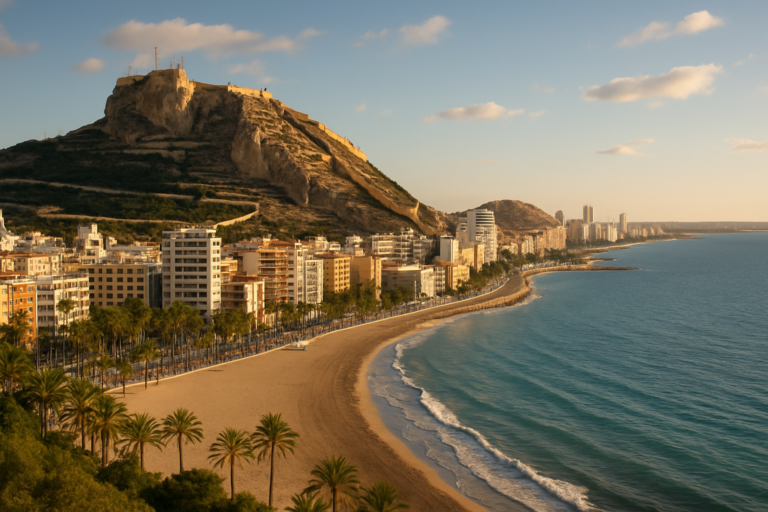
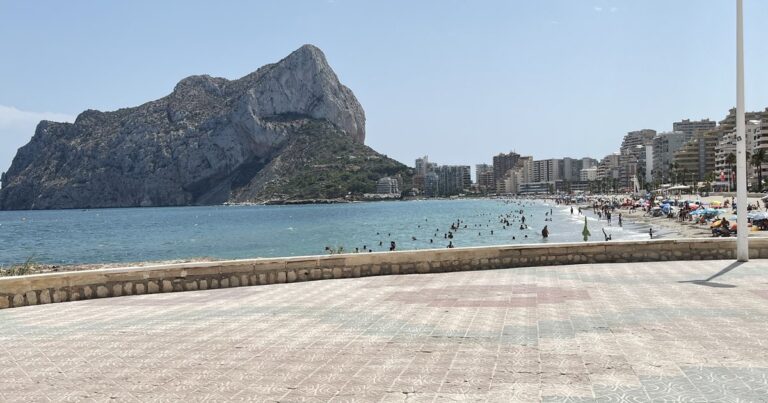
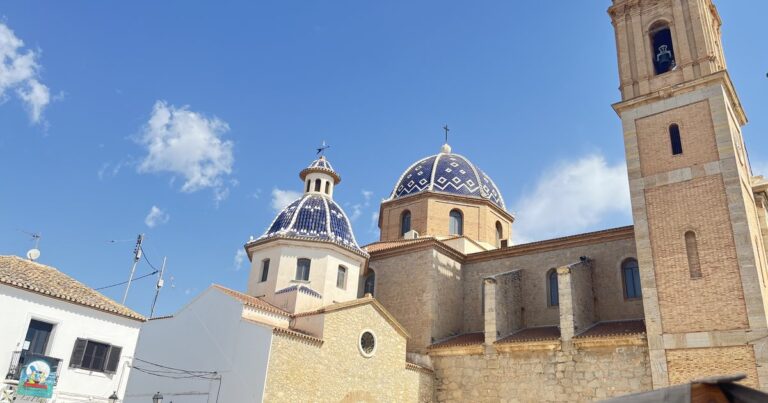
Nearby on the Costa Blanca
Callosa De Segura on the map
Places worth knowing near Callosa De Segura
This place is part of our Costa Blanca Guide: Benidorm, Calpe, Altea and the Best of Alicante — see every town, beach and cove we have mapped on that coast.
How this page is maintained. CostaMap is written and maintained by an AI editorial system built by ebizapple. Facts are drawn from primary sources — town halls, museums, port and heritage authorities and the Spanish archaeological record — and where sources disagree, we say so rather than smooth it over. Photographs marked as ours are taken on location. This page was last reviewed on 14 August 2026. Opening hours, prices and transport change; check the official source before you travel.