
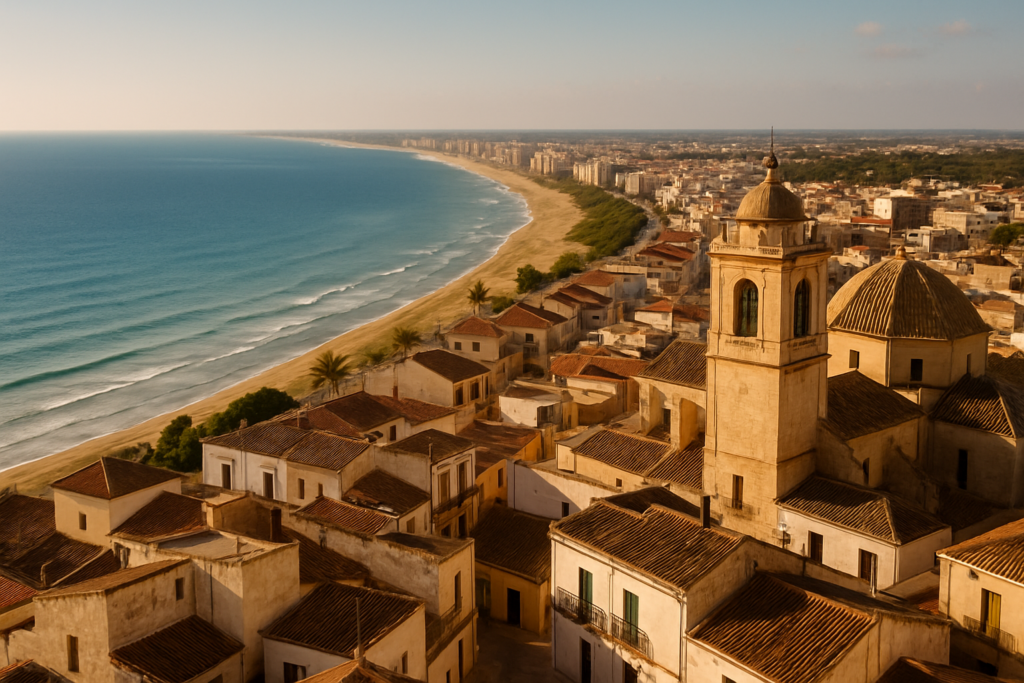
Expect a low-key, sand-and-pine stay rather than a flashy resort town. This coastal community on the southern Costa Blanca is notable for its long sweep of sand, expansive dune forest and a compact historic hill that keeps watch over the sea. If you want big nightlife or theme-park attractions, you’ll be disappointed; if you want space, shade and birdlife close to the shore, this is a calming alternative to the busier neighbours.
Guardamar del Segura at a glance
- Coastal town on the Costa Blanca at the mouth of the Segura river.
- About 35 km south of Alicante city, roughly between Santa Pola and Torrevieja.
- Marina located close to where the Segura reaches the Mediterranean.
- Around 11 kilometres of fine sandy beaches backed by dunes and pinewoods.
- Extensive planted pine dune forest (pinada) created from the 1890s to stabilise sand—engineer Francisco Mira led the effort.
- Archaeological remains from Phoenician and Moorish periods found in the dune area; a hilltop castle site includes a Moorish rábita.
- Less built-up and greener than many southern Costa Blanca resorts.
Things to do in Guardamar del Segura
The main draws are outdoors: walking the pinewoods, stretching out on long, sandy beaches, exploring the small historic hilltop site and watching waterfowl in nearby salt lagoons. There aren’t many large museums or theme attractions inside the town, so plan activity around nature, light archaeology and relaxed seaside time.
| Attraction | What it is | Price/entry | Best for |
|---|---|---|---|
| Pinada (pinewoods) | Extensive planted pine forest beside the beach providing shade and recreation | – | Picnics, shaded walks, families |
| Dunes and beaches | About 11 km of fine sand backed by dune systems | – | Beachgoers, long walks, low-density seaside days |
| Hilltop castle & archaeological site | Ruins including remains of a Moorish rábita overlooking the town | – | History buffs, views, light hiking |
| Marina at the Segura mouth | Small marina located near where the river reaches the sea | – | Boat-watching, waterfront strolls |
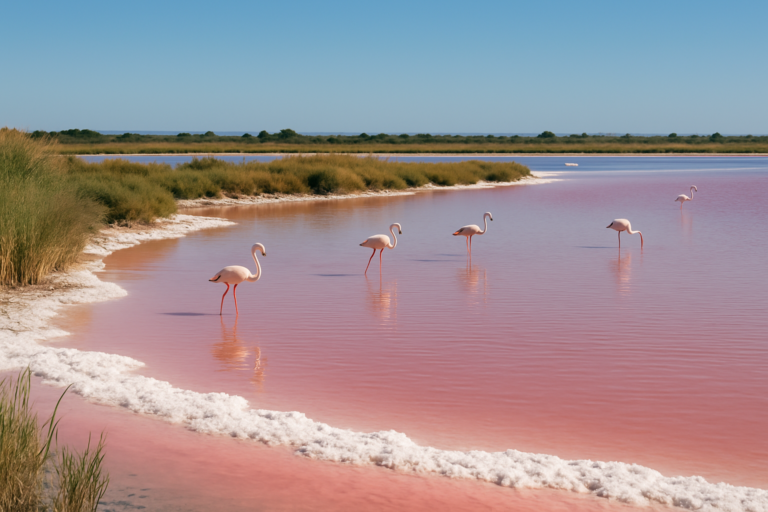
| Nearby wetlands | Protected salt-lagoon nature reserves close to the town with flamingos | – | Birdwatching, nature walks |
Hilltop castle and archaeological remains
A compact archaeological site sits on a hill that overlooks the coast. Excavations here have revealed layers of occupation, and visitors can see remains tied to Moorish use of the site, including a rábita (ribat). The elevated position gives a tidy panorama of town, river and sea, and the place is best visited with modest hiking shoes because paths and uneven ground are typical.
Walk the pinewoods
The pinada is a notable feature: a deliberately planted pine forest that was established from the late 19th century to stabilise migrating sand that threatened the settlement. The trees now form a shaded belt beside the beaches, much used by locals for walks, families for picnics and anyone looking to escape midday sun without leaving the coastline.
Explore the dunes and beaches
Guardamar’s dunes are integral to the town’s character: long sandbanks backed by the pinewood make for less built-up beachfront than in many other Costa Blanca resorts. Walking the sand, exploring the vegetated dunes and finding quieter stretches of coast are the main beachside activities; conservation efforts historically shaped these landscapes, so treat the dune areas with care.
Marina and river mouth
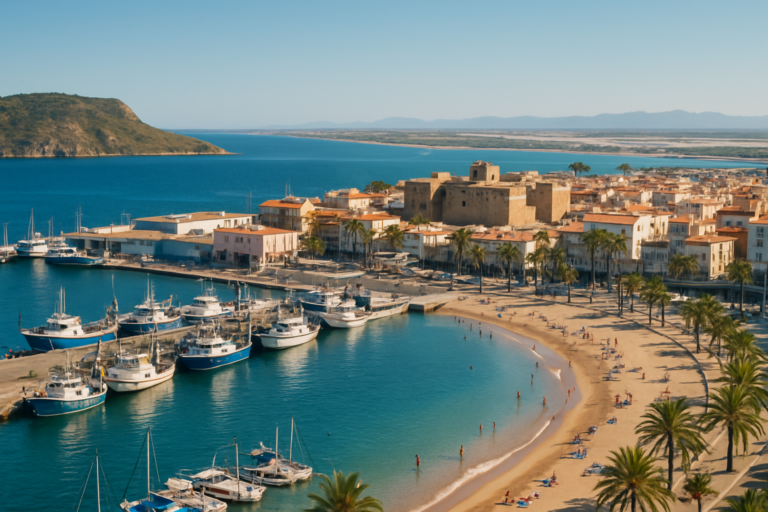
The Segura reaches the Mediterranean here, and a marina sits near the river mouth. This is a compact marine hub rather than an extensive harbour, and it provides a pleasant contrast to the natural shore—places to stroll along the water, watch small craft and enjoy a slightly different coastal atmosphere.
Best beaches in Guardamar del Segura
The coastline offers a long, sandy ribbon rather than a cluster of very different named coves; the standout characteristic is length and continuity of sand backed by dunes and pinewoods rather than dramatic rocky headlands.
| Beach | Character | Facilities / Notes |
|---|---|---|
| Main sandy stretch | Continuous fine sand for long walks and sunbathing | Backed by dunes and pinewoods |
| Dune-backed sections | Sandy shorelines with prominent dune systems | Sensitive natural habitat—stabilised historically |
| River-mouth beach near marina | Beach area adjacent to the Segura estuary and marina | Maritime and estuarine setting |
Guardamar with kids
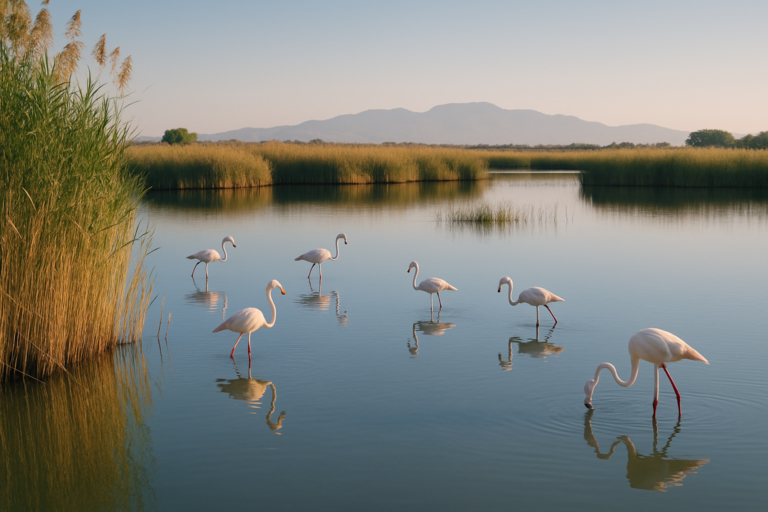
The town suits families who want open sand, shade and uncomplicated outdoor time. The pinewoods offer a shady play area close to the shore, and the long beaches allow family-friendly space without the tightly packed promenades of larger resorts. There are also nearby natural attractions—salt lagoons and wetlands—where children can see flamingos at a distance, which makes for an educational nature stop.
How to get to Guardamar del Segura and get around
Located on the southern stretch of the Costa Blanca, the town lies about 35 km south of Alicante city, roughly between Santa Pola and Torrevieja. The position at the river mouth gives you a clear geographic reference when travelling along the coast. Once in the area, the layout is compact and most beach, pinewood and marina areas are walkable; expect to rely on local roads if you want to visit neighbouring wetlands or explore other coastal towns.
History of Guardamar del Segura
The coastal sands and hill have been occupied for millennia: archaeological finds in the dune zone include Phoenician remains, pointing to ancient maritime contacts, and later Moorish occupation left structural traces too. The hilltop site contains the remains of a Moorish rábita (ribat), part of the medieval fabric visible in the archaeological record. In the late 19th century significant engineering and planting work—spearheaded by engineer Francisco Mira—created the extensive pine dune forest that now characterises the town, transforming unstable drifting sand into stabilized, shaded recreation space.
Practical info
- River and marina: the Segura reaches the Mediterranean here and the marina sits close to the river mouth—useful orienting feature for navigation and waterfront walks.
- Beaches and dunes: about 11 km of fine sandy coast is backed by planted dunes and pinewoods. These dune systems were planted from the 1890s to stabilise sand and remain an essential landscape and conservation element.
- Natural neighbours: the nearby Salinas de Santa Pola and La Mata–Torrevieja lagoons are protected wetlands where flamingos and other waders are found—good options for birdwatching outside the town proper.
- Character: the resort is noticeably greener and less built-up than many south-Costa Blanca alternatives—expect lower density beachfront and more nature-focused spaces.
Worth it for: long sandy beaches backed by a mature pine dune forest, relaxed seaside days, shady walks, and easy nature/birdwatching options nearby. Less so if: you want a bustling nightlife, large theme-park attractions or a compact promenade of bars and clubs—the town is quieter and more nature-oriented than some neighbours.
How we assess this guide
This guide compiles verified facts about the place’s geography, history and main attractions from multiple cross-checked sources. We flag conservation areas and historical sites and avoid presenting venues as open unless sources confirm them. This is not a substitute for local notices or real-time updates, so check on-site information for seasonal services or temporary changes before you travel.
Nearby on the Costa Blanca
Towns near Guardamar del Segura
- Almoradí — 12 km west, Rebuilt after the 1829 earthquake and known across Spain
- Torrevieja — 13 km south, the pink salt lake, sandy beaches, the marina and promenade
- Santa Pola — 14 km north-east, sandy beaches, the salt flats and flamingos, the fishing harbour
- Tabarca — 18 km north-east, Tabarca's walled village
- Callosa de Segura — 20 km west, A working Vega Baja town under a limestone ridge
- Elche — 20 km north
Places to visit within reach
- Salinas de Santa Pola — 11 km, A natural park of working salt pans near Santa Pola where
- El Hondo Natural Park — 16 km, El Hondo Natural Park is a key bird reserve with lagoons
- Basílica de Santa María (Elche) — 20 km, Basílica de Santa María in Elche is a baroque church known
- Palmeral of Elche (El Palmeral) — 20 km, Europe’s largest palm grove
For the wider picture, see the Costa Blanca guide, which lists every town on this coast.
Frequently asked questions
How far is it from Alicante airport or city?
The town sits about 35 km south of Alicante city, so it’s a relatively short coastal journey from the city and its airport. Exact travel times depend on your mode of transport and traffic.
Can I get there without a car?
The town is compact and walkable for moving between beach, pinewoods and marina areas. Reaching the town from neighbouring towns or the airport typically involves regional road links; check local public transport options if you prefer not to drive.
Is Guardamar expensive compared with other Costa Blanca resorts?
Costs vary by season and accommodation choice. The town is best known for its sand, dunes and pinewoods rather than high-end resort development; its character is more relaxed and nature-focused than many busier resorts.
Which beach is best for families?
The long sandy main beaches backed by pinewoods are family-friendly: plenty of sand for kids to play on and shaded areas nearby in the pinada for breaks from the sun.
How many days should I spend here?
A two- to three-day stay is sufficient to enjoy the beaches, a walk in the pinewoods and a visit to the hilltop archaeological site; add more days if you plan birdwatching at nearby salt-lagoon reserves or day trips to neighbouring towns.
Is the pinewood area suitable for stroller or wheelchair users?
The pinewoods provide shaded recreation but paths and surfaces vary; some routes are natural and uneven. If accessibility is essential, check locally for specific paths and facilities.
Are there opportunities to see flamingos nearby?
Yes—protected salt-lagoon areas such as the Salinas de Santa Pola and La Mata–Torrevieja are nearby and are known for flamingos and other waders. These wetlands are outside the town itself but widely accessible from the coastal area.
What kind of historical remains can I see?
The dune area has yielded Phoenician and Moorish archaeological remains; the hilltop site includes ruins connected to Moorish occupation, including a rábita. The hill offers both layers of historic interest and coastal views.
Is there a marina or harbour?
Yes—a marina sits near the mouth of the Segura where the river meets the Mediterranean, providing a small-scale maritime focus for waterfront strolls and local boating activity.
Are the dunes protected or fragile?
The dunes are an important stabilised system with historic planting to halt drifting sand, and they form sensitive habitats. Respect designated paths and any signage intended to protect vegetation and wildlife.
What is the town best known for?
Its long fine-sand beaches, extensive pinewood planted to stabilise dunes in the late 19th century, and a compact hilltop archaeological site with Moorish remains are the town’s defining features.
Can I combine a visit with other Costa Blanca destinations?
Yes—the town is situated between Santa Pola and Torrevieja along the southern Costa Blanca, making it straightforward to include in a wider coastal itinerary. The town’s quieter, greener character complements busier neighbouring resorts.
Are there guided nature or archaeology tours?
Local guided activities may be available but availability varies; check local visitor information on arrival for any organised walks, birdwatching outings or archaeological visits.
Is the beachfront crowded in peak season?
The beaches extend for about 11 km and are backed by dune and pinewood systems; this length and the lower-density development feel mean you can usually find less crowded stretches compared with some tightly developed resorts, though peak-season conditions depend on overall tourism demand.
Where can I go birdwatching nearby?
Head to the nearby Salinas de Santa Pola and La Mata–Torrevieja lagoons—protected salt-lagoon wetlands close to the coast that host flamingos and a variety of wading birds.
Guardamar Del Segura on the map
Places worth knowing near Guardamar Del Segura
How this page is maintained. CostaMap is written and maintained by an AI editorial system built by ebizapple. Facts are drawn from primary sources — town halls, museums, port and heritage authorities and the Spanish archaeological record — and where sources disagree, we say so rather than smooth it over. Photographs marked as ours are taken on location. This page was last reviewed on 11 August 2026. Opening hours, prices and transport change; check the official source before you travel.