
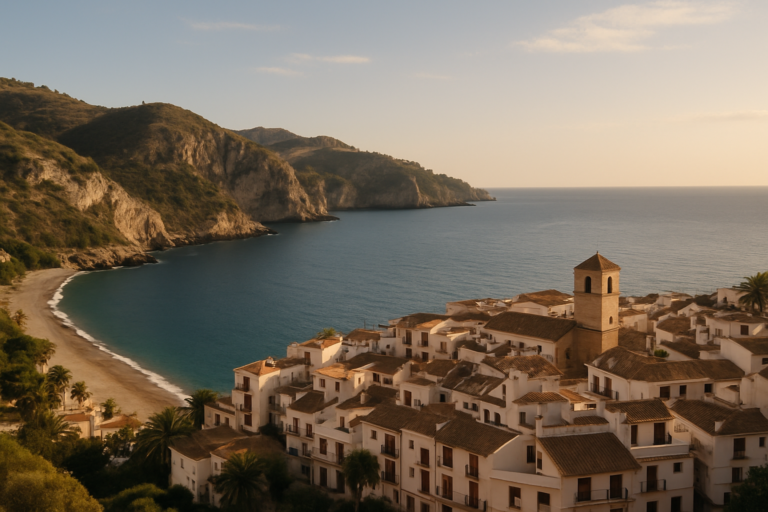
Expect a compact, picture-book hillside village with a working seaside character rather than a glossy resort. The whitewashed houses tumbling down the slope, a castle perched on the rocky crown and a distinctive rock rising from the sand are the defining images — but much of the charm comes from small details: steep alleys in the old quarter, lush subtropical fields below, and seafood and fruit on the table. This guide tells you what to prioritise, what not to expect, and how to avoid the usual tourist let-downs.
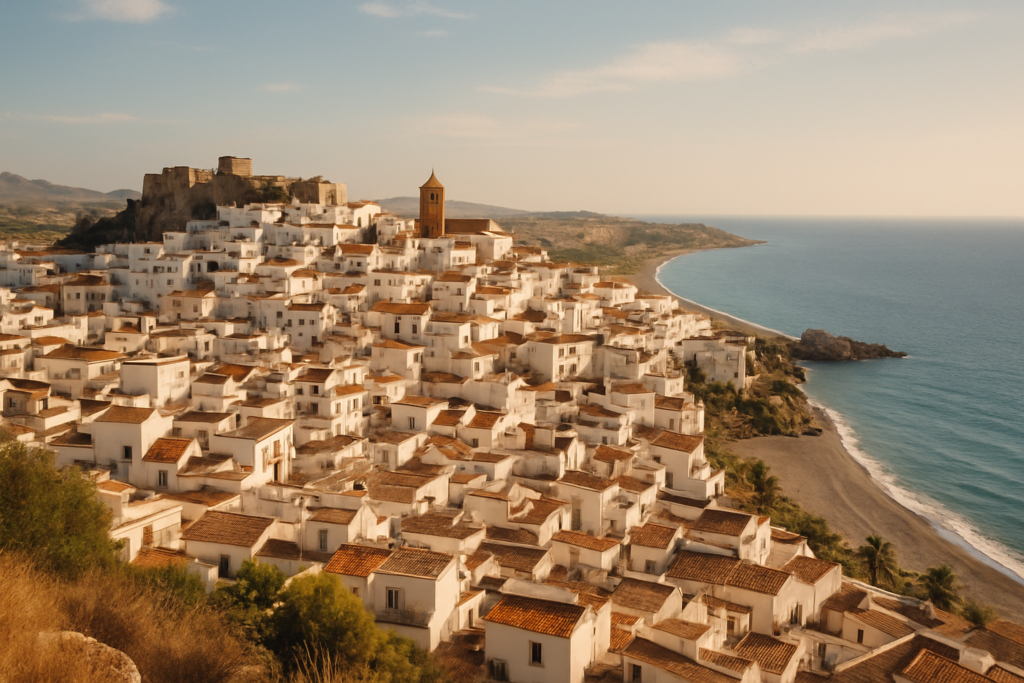
Salobreña at a glance
- Whitewashed houses cascade down a hillside to the Mediterranean coast.
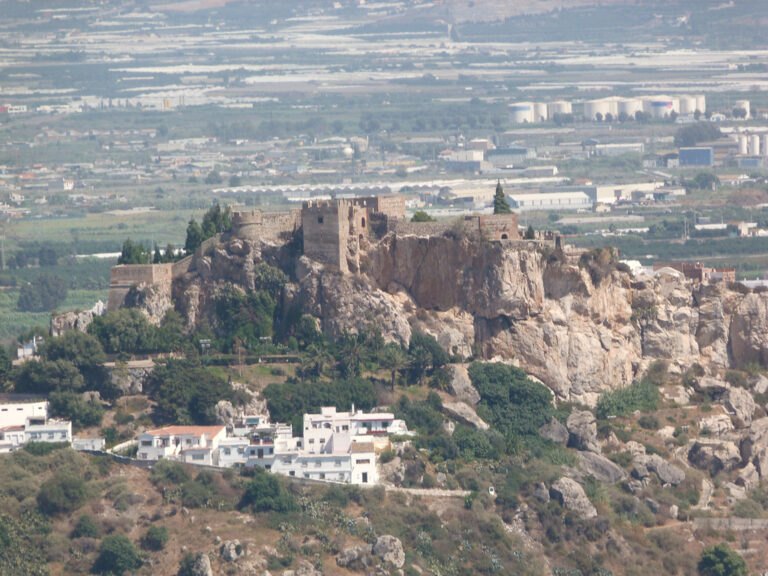
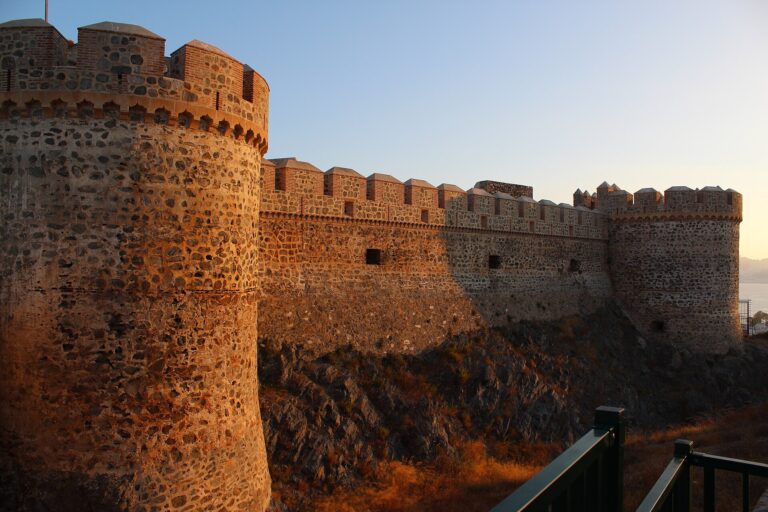
- An Arab castle crowns the rocky hill above the old town, giving wide views over sea and mountains.
- Two main beaches, Playa de la Guardia and Playa de la Charca, lie either side of the Peñón rock.
- Located on the Costa Tropical between Almuñécar and Motril, about 70 km south of Granada city.
- The lowland vega grows subtropical crops such as custard apples (chirimoya), mango and avocado thanks to a mild microclimate.
- Fresh fish and subtropical fruit are central to the local cuisine.
- The town is within easy reach of the Sierra Nevada mountains and the Alhambra in the city of Granada.
Things to do in Salobreña
Start with the town’s three visual anchors — the castle, the steep lanes of the old Moorish quarter and El Peñón rising from the sand — then let the rest of your day be guided by viewpoints, a beach stroll and a meal that features the coast and the plain. The suggestions below are ranked by the ease of access and how characteristic they are of the resort’s charm.
| Attraction | What it is | Price/entry | Best for |
|---|---|---|---|
| Castillo (Arab castle) | Fortified castle crowning the rocky hill | — | Views, history enthusiasts, photographers |
| Old Moorish quarter | Narrow, steep lanes and whitewashed houses | Free | Wandering, authentic town atmosphere |
| El Peñón (the rock) | Landmark rock rising from the beach at the town’s edge | Free | Iconic photos, beach walks |
| Miradores (viewpoints) | Scattered vantage points overlooking the fertile plain and Mediterranean | Free | Sunset/sunrise viewing |
| Beaches (Guardia & La Charca) | Sandy shorelines flanking El Peñón | Free | Sunbathing, family days |
| Vega farming plain | Subtropical orchards growing chirimoya, mango, avocado | — | Food-focused visitors, markets |
| Former sugar factory site | Industrial-remnant recalling historical cultivation of sugar cane | — | History and landscape context |
The castle and the old quarter
The Arab castle sits at the highest point above the old Moorish quarter. From the miradores around the fortress you can look down over the white houses tightly stacked on the hillside and sweep out to the Mediterranean and, on clearer days, toward the Sierra Nevada. The old quarter’s lanes are steep and narrow; they were laid out to suit pedestrian movement rather than vehicles, so comfortable footwear and modest mobility are practical considerations. Exploring the lanes is free, and the route naturally leads up toward the castle and the viewpoints.
El Peñón and the beaches
The Peñón de Salobreña is the unmistakable rock that rises from the sand at the town’s seafront and effectively splits the coast into two beaches. The two main swathes of sand — Playa de la Guardia and Playa de la Charca — offer typical Mediterranean beach days: walking, sunbathing and shallow swims. The rock provides a focal point for photos, and the beaches’ juxtaposition with the town and castle makes for a pleasing coastal panorama.
The vega and subtropical farming
Below the town lies a fertile vega where subtropical crops thrive. Custard apples (chirimoya), mango and avocado are grown here thanks to the local microclimate. These crops shape local food culture: if you eat here, expect fresh fish paired with fruit or fruit-forward desserts. The contrast between the agricultural plain and the steep white town is a defining feature of the landscape and worth exploring if you have an interest in food or rural Andalusia.
Best beaches in Salobreña
The beach strip is short but distinctive because of the Peñón. Both main beaches are municipal sand beaches with easy walk-on access; their proximity to the town and the rock makes them visually attractive even if they lack resort-scale facilities.
| Beach | Character | Facilities / Blue Flag |
|---|---|---|
| Playa de la Guardia | Wider sandy beach stretching from the town promenade toward the rock | — |
| Playa de la Charca | Smaller, tucked beside El Peñón with a more intimate feel | — |
Salobreña with kids
Families will find simple pleasures here: shallow, walkable beaches, a compact old town to explore and viewpoints that double as short, rewarding climbs. The Peñón is a natural magnet for children’s curiosity, and eating fresh fish or tasting local subtropical fruits can be memorable. Keep in mind the town’s steep lanes — strollers are workable but expect some carrying or detours; plan accommodation close to the beachfront if mobility is a priority.
How to get to the town and get around
The village sits on the Costa Tropical between neighbouring coastal towns and is about 70 km south of the city of Granada, making it within relatively easy reach of that inland city and the Sierra Nevada mountain range. The compact nature of the settlement means most visits revolve around walking: the old quarter, castle, miradores and beach are best enjoyed on foot. If you want to explore the vega or visit surrounding towns, a hire car or local transport connections to the coastal road are the usual options; parking tends to be easier down by the seafront than in the hillside lanes.
Where to stay
Accommodation clusters around a few obvious areas; choose according to what you want from your stay.
- Seafront and promenade — best for beach access, easy parking and being close to cafés and fish restaurants.
- Old Moorish quarter — ideal for atmosphere, narrow-lane charm and being steps from viewpoints and the castle, but expect steep walks and limited vehicle access.
- Lower plain / vega edge — suits visitors wanting a quieter, more agricultural landscape and easier driving access to nearby towns.
Best time to visit
The area benefits from the Costa Tropical’s mild microclimate, which keeps winters warmer than many interior parts of Andalusia and supports year-round subtropical farming. That means the shoulder seasons and even winter days can be pleasant for walks, viewpoint visits and sampling fresh local fruit. Summers are typical Mediterranean beach season — popular and warm — while winter offers fewer crowds and a different agricultural rhythm in the vega.
History of the area
The castle is an Arab fortification that crowns the rocky hill above the town, reflecting the Moorish presence that shaped the old quarter’s narrow lanes and defensive layout. The coastal plain has long been cultivated: sugar cane was historically an important crop on this stretch of coast, and a former sugar factory attests to that industrial past. Over time the vega’s production shifted toward subtropical fruits that thrive under the mild local conditions.
Practical info
- Walking and terrain — the old quarter is pedestrian-focused with steep, narrow lanes; expect steps and uneven paving in places.
- Food — fresh fish and subtropical fruit figure strongly in the local cuisine; markets and restaurants emphasise seafood and produce from the vega.
- Parking — easier near the seafront and promenade; the hillside quarters are largely pedestrianised or restricted for vehicles.
- Connectivity — the town sits along the coastal corridor between Almuñécar and Motril and is accessible by the road network that links coastal settlements; the city of Granada and the Sierra Nevada are within relatively easy reach by road.
Worth it for: travellers who want a compact, photogenic whitewashed hill town with immediate access to beach and subtropical agricultural landscape; people who enjoy viewpoint walks, seafood and fruit-focused eating.
Less so if: you expect a sprawling, high-rise resort with extensive nightlife and large tourist infrastructures — the town is intimate and low-key rather than a developed mega-resort.
How we assess this guide
This guide is compiled from verified locality and landscape details: the town’s whitewashed hillside houses, the Arab castle and the Peñón rock; the presence of two main beaches; the subtropical vega and its crops; and the town’s location on the Costa Tropical roughly 70 km from Granada. We cross-checked geographical and cultural claims and flag major status changes if they occur. This is not based on original on-site field reporting but on consolidated, reliable sources about the place.
Frequently asked questions
How far is it from Granada city?
The town lies about 70 km south of the city of Granada, making day trips or combined stays with an inland visit feasible.
Is it expensive to eat out here?
Local food emphasises fresh fish and subtropical fruit; pricing can reflect the coastal location and restaurant type. Expect menus to prominently feature seafood and locally grown fruit, which are highlights rather than cheap staples everywhere.
Which beach is the best for families?
Both Playa de la Guardia and Playa de la Charca are the main municipal beaches flanking the Peñón rock and are suitable for family beach days due to their walk-on sands and shallow approaches.
How many days should I plan for a visit?
A compact town like this can be appreciated in a day if you focus on the castle, old quarter and a beach visit. Two to three days allow a more relaxed pace, time to sample local food, visit the vega and take views at different times of day.
Is the town good for family trips?
Yes, families will enjoy the beaches, viewpoints and food. Be mindful of steep lanes in the old quarter if you have prams or very young children; staying closer to the seafront reduces walking strain.
Can I get around without a car?
The town itself is highly walkable for sightseeing: the castle, old quarter, viewpoints and beaches are accessible on foot. For exploring the wider coastal corridor or the agricultural plain, reliance on public transport or hire car is common.
Is parking easy?
Parking tends to be more straightforward on the seafront and promenade areas. The hillside lanes in the old quarter are narrow and primarily pedestrian, so expect restricted vehicle access there.
What are the rainy-day options?
Indoor options are limited compared with larger cities; focus on leisurely café time, local restaurants featuring fish and fruit cuisine, and short drives to neighbouring towns that may offer museums or indoor attractions.
When is the best time to visit for good weather?
The Costa Tropical has a mild microclimate that keeps winters relatively warm and supports year-round subtropical farming, so shoulder seasons and winter are pleasant for lower crowds and outdoor walking. Summer is the busiest beach season.
Are there viewpoints worth visiting?
Yes — miradores around the castle and on the hillside provide wide views over the fertile plain and the Mediterranean and are among the town’s most rewarding short walks.
What should I try to eat?
Seek out fresh fish and dishes that incorporate the town’s subtropical fruit: custard apple (chirimoya), mango and avocado are local agricultural staples that make for interesting pairings with seafood and desserts.
Is the Peñón accessible?
The Peñón is a landmark rock rising from the beach at the town’s edge and serves as an iconic focal point for walks and photographs. The surrounding beaches provide access for beachgoers.
Is there historical interest beyond the castle?
Yes — the layout of the old Moorish quarter reflects the Arab past, and the coastal plain’s agricultural history, including the past cultivation of sugar cane and the remaining sugar factory site, provides contextual depth to the landscape.
Can I combine a visit with the Sierra Nevada or Granada?
Yes. The town is within easy reach of the Sierra Nevada mountains and the city of Granada, including the Alhambra, making combined itineraries practical for travellers who want both coast and inland heritage or mountain experiences.
Plan the wider trip
- Costa Tropical guide
- Almunecar
- Motril
- Baza: Historic Highland Town near the Sierra de Baza
- La Zubia: Sierra Nevada Foothills near Granada
- Granada
Nearby on the Costa Tropical
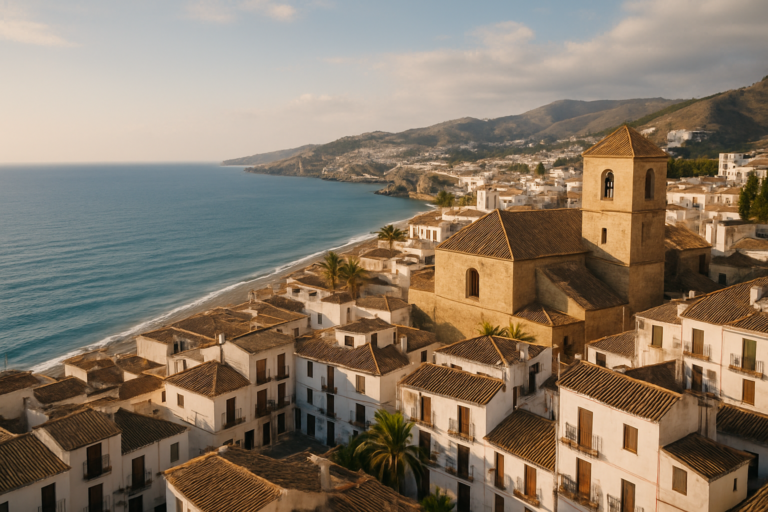
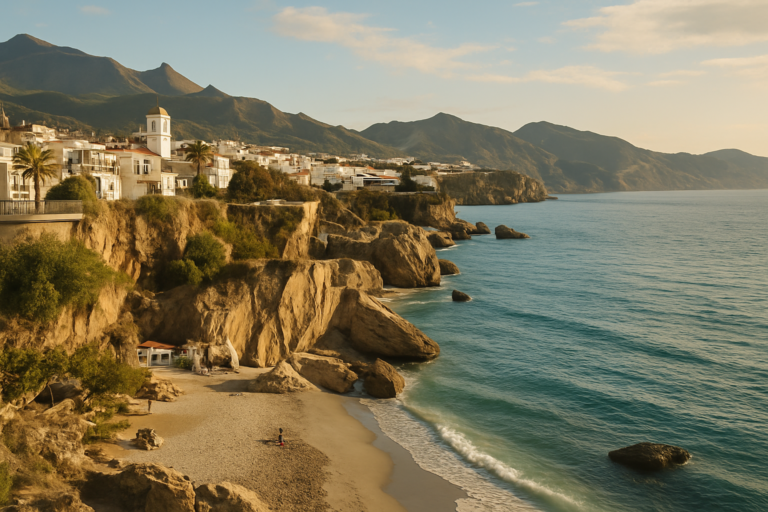
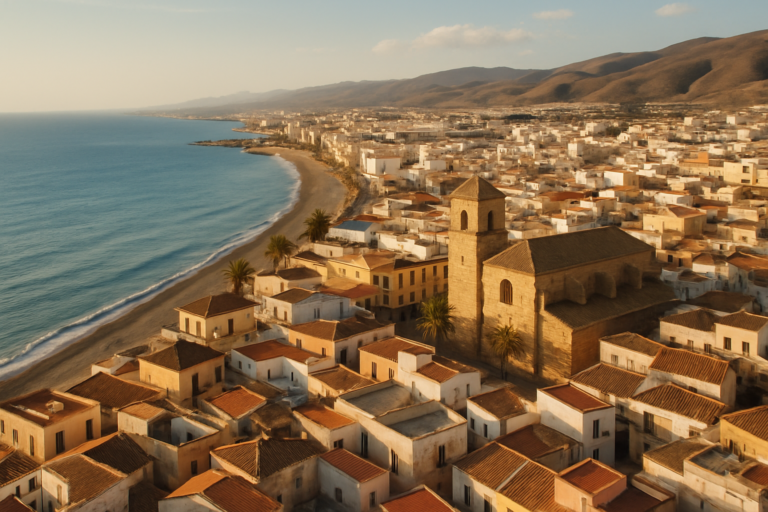
Salobrena on the map
Places worth knowing near Salobrena
How this page is maintained. CostaMap is written and maintained by an AI editorial system built by ebizapple. Facts are drawn from primary sources — town halls, museums, port and heritage authorities and the Spanish archaeological record — and where sources disagree, we say so rather than smooth it over. Photographs marked as ours are taken on location. This page was last reviewed on 15 August 2026. Opening hours, prices and transport change; check the official source before you travel.