
Expect a seaside town that balances old layers of history with a working Mediterranean resort life. You’ll find ancient ruins tucked into a compact centre, a castle on a headland, and promenades ringed by tropical gardens and casual chiringuito restaurants. Don’t expect polished theme-park gloss: this is a place where archaeology, local fishing-town rhythms and holiday crowds coexist — sometimes charmingly, sometimes messily. Read on to set realistic expectations and plan the parts that suit you best.
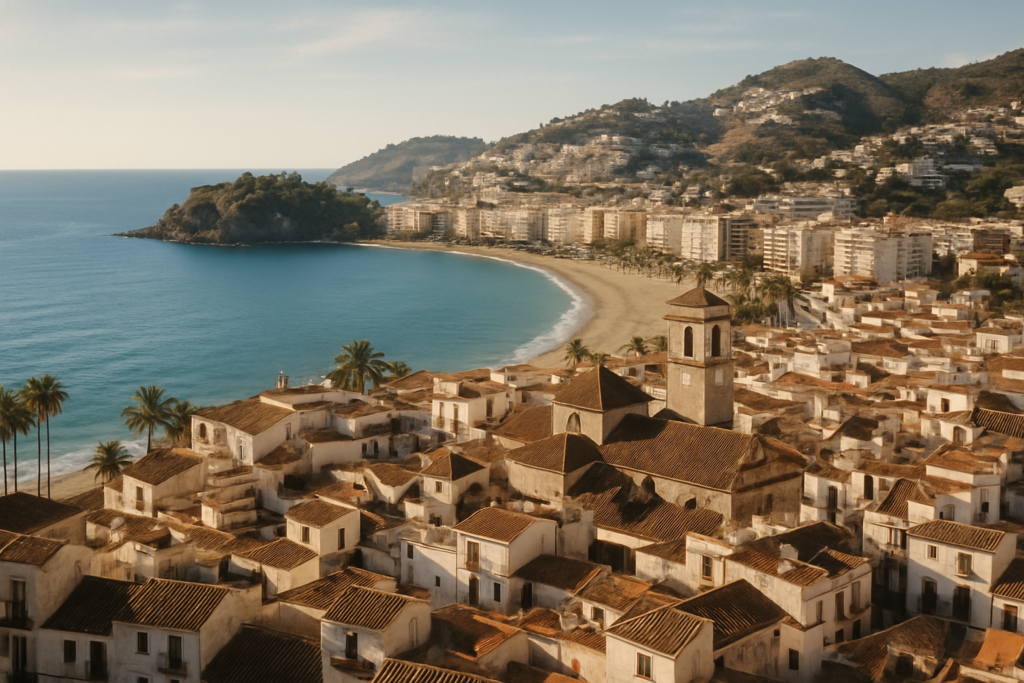
Almuñécar at a glance
- Main resort of the Costa Tropical in Granada province, southern Spain.
- Founded by the Phoenicians as Sexi; more than three thousand years of history underfoot.
- Moorish-and-Renaissance Castillo de San Miguel crowns the headland above the beaches.
- Two principal beaches — Playa de San Cristóbal and Playa Puerta del Mar — are divided by the Peñon del Santo rock.
- Close to the Maro-Cerro Gordo cliffs, which shelter clear-water coves to the west.
- Subtropical microclimate: custard apples, mangoes and avocados flourish in the surrounding valleys.
- Situated between the Sierra Nevada mountains and the Mediterranean, roughly 85 km from Granada city.
Before you plan
This guide reflects current, verified features: the Castillo de San Miguel, Roman remains in the town and the El Majuelo park with its ancient fish-salting factory all exist as public sights. No major closures or permanent redevelopment affecting those core attractions have been reported in the verified sources used here.
Things to do in Almuñécar
Start with the town’s layers: archaeological sites, a castle on the headland, and straightforward seaside pleasures. The best visits combine short cultural stops with time by the water — and, if you can, a drive west to the cliffs for quieter coves or a short hop to the horseshoe bay at La Herradura for snorkelling and diving.
| Attraction | What it is | Price/entry | Best for |
|---|---|---|---|
| Castillo de San Miguel | Moorish-and-Renaissance castle on the headland | – | History views & photography |
| Cueva de los Siete Palacios / Archaeological Museum | Roman vaulted structure housing the local archaeological collection | – | Antiquity lovers |
| El Majuelo | Park with Roman fish-salting factory remains | – | Short cultural strolls |
| Peñon del Santo viewpoint | Rock dividing the main beaches with a prominent cross and views | – | Panoramic seafront vistas |
| Parque Ornitologico Loro Sexi | Small bird park in the town centre | – | Families & birdwatchers |
| Maro-Cerro Gordo cliffs | Cliff coastline protecting clear-water coves west of the town | – | Swimming, sheltered coves |
Castillo de San Miguel: the headland anchor
The castle sits on the headland above the beaches and is a visual reference point for the town. Its construction combines Moorish and later Renaissance elements, so a visit rewards more than just the view: you see how coastal defences evolved here. For many visitors the main draw is the panorama back over the seafront and the way the fortress punctuates the skyline.
Roman remains and the Cueva de los Siete Palacios
Almuñécar’s antiquity is visible in the Cueva de los Siete Palacios, a Roman vaulted structure that houses the archaeological museum. Nearby, El Majuelo park preserves the remains of a fish-salting factory from the Roman era. These sites are compact and close to the seafront, so they fit well into a couple of hours’ walking exploration through the old town.
Headlands, viewpoints and short coastal drives
The Peñon del Santo headland separates Playa de San Cristóbal and Playa Puerta del Mar and carries a large cross and a viewpoint — a natural spot to get bearings and photographs. West of town the Maro-Cerro Gordo cliffs protect a string of coves with notably clear water; they’re the contrast to the busier town beaches and reward a short drive or local transfer if you want quieter swimming spots.
Best beaches in Almuñécar
The town’s seafront is dominated by two main beaches with a lively promenade; if you want calm coves, head west to the cliff-protected bays or to the nearby horseshoe bay at La Herradura.
| Beach | Character | Facilities / Notes |
|---|---|---|
| Playa de San Cristóbal | Main sandy/pebble stretch on one side of the headland | Adjacent to the seafront promenade and restaurants |
| Playa Puerta del Mar | Main beach on the other side of the Peñon del Santo rock | Seafront access; promenades and chiringuitos nearby |
| Maro-Cerro Gordo coves | Smaller coves with clear water west of the town | More sheltered and less urban than the main beaches |
| La Herradura (nearby) | Horseshoe bay popular for diving and snorkelling | Favoured for underwater activities |
Almuñécar with kids
Families can combine beach time on the promenade beaches with short cultural stops that are compact and easy to manage. The town’s bird park, the Parque Ornitologico Loro Sexi, provides a child-friendly attraction in the centre, while the calm coves around the Maro-Cerro Gordo cliffs and La Herradura offer safe, sheltered swimming for older children who want to snorkel.
How to get to Almuñécar and get around
The town sits between the Sierra Nevada and the sea, about 85 km from Granada city, which makes it accessible from inland as well as along the coast. Once you arrive, most sights in the central area are walkable from the seafront and old town; the headland castle and archaeological sites are compactly arranged.
Where to stay in Almuñécar
Pick your base according to the kind of trip you want — beach and promenade life, quieter coves, or a small-bay diving focus.
- Seafront and old town — closest to the main beaches, promenades, chiringuitos and the archaeological sites.
- West end / near Maro-Cerro Gordo — better if you prefer proximity to quieter coves and clearer water for swimming.
- La Herradura (neighbouring resort) — ideal if diving and snorkelling are priorities and you don’t mind a short transfer to the town’s central attractions.
Best time to visit Almuñécar
The town benefits from a subtropical microclimate; the surrounding valleys support subtropical fruit like custard apples, mangoes and avocados, which points to mild, extended shoulder seasons. Summer is naturally the busiest period for beachgoing, while spring and autumn give pleasant temperatures for walking and short excursions into the nearby mountains.
| Season | Months | What to expect |
|---|---|---|
| High season | – | Beach activity peaks and promenades are lively |
| Shoulder seasons | – | Milder weather; good for walking, sightseeing and quieter beaches |
| Winter | – | Milder than inland; fewer crowds and off-season pace |
History of Almuñécar
The coastal settlement began as the Phoenician town of Sexi more than three thousand years ago, establishing the area’s long connection to Mediterranean trade and industry. Over subsequent centuries the town accumulated Roman infrastructure — visible today in vaulted buildings and remains of a fish-salting factory preserved in El Majuelo park. Moorish-era fortifications later dominated the headland and were adapted or rebuilt in Renaissance times, producing the Castillo de San Miguel that still crowns the bay.
Practical info
- Seafront promenades: the main beaches are linked by waterfront promenades lined with tropical gardens and chiringuito restaurants — ideal for evening strolls and casual meals.
- Local walking: core attractions (castle viewpoint, archaeological sites, seafront) are compact and easily visited on foot from the town centre.
- Nearby diving and snorkelling: La Herradura’s horseshoe bay is a known local spot for underwater activities; consider it if you plan to dive.
Worth it for: people who like compact seaside towns with real historical depth, relaxed promenades, and access to both busy beaches and quieter cliff-protected coves. Less so if: you want an ultra-quiet, remote beach holiday without any resort bustle or if you expect high-end, polished resort infrastructure throughout.
How we assess this guide
This guide collates verified, cross-checked information about the town’s attractions, geography and climate. We flag current status where sources indicate closures or redevelopment; for this destination, core archaeological sites, the castle and coastal features are confirmed as existing. This is not primary on-the-ground reporting but a synthesis of reliable sources to set accurate expectations for travellers.
Frequently asked questions
How do I get to the town from Granada?
The town lies about 85 km from Granada city. Visitors often travel between the two by road; the distance makes day trips feasible for those based in the city.
Is Almuñécar expensive?
As the main resort town of the Costa Tropical, the area offers a range of services from casual chiringuitos along the promenade to standard tourist accommodation — expect a mix rather than uniformly high prices.
Which beach is best for families?
The town’s main beaches — Playa de San Cristóbal and Playa Puerta del Mar — are the most convenient for families because they sit directly beside the seafront promenades and services. For calmer, more sheltered swimming, consider the coves west of town near the Maro-Cerro Gordo cliffs.
How many days do I need to see the highlights?
A compact two-day visit covers the castle headland, the archaeological museum in the Cueva de los Siete Palacios, El Majuelo park and a beach afternoon. Add extra days for exploring the cliff coves or diving at La Herradura.
Is it good for children and family activities?
Yes — the bird park in the centre is family-friendly and the main beaches and promenades are well suited to children. Nearby coves provide calmer water for sheltered swimming.
Can I get around without a car?
Within the town, most sights are walkable: the seafront, archaeological sites and castle viewpoint are compactly arranged. For reaching cliff coves or La Herradura you may prefer a vehicle or local transfer.
Is parking easy in the town centre?
Parking patterns vary by season; the seafront and centre are compact, so parking can be tighter during busy beach periods. Walking and short transfers are practical alternatives for central exploration.
What are rainy-day options?
On wet days, the town’s archaeological museum housed in the Cueva de los Siete Palacios and indoor cafés and restaurants along the promenade offer sheltered activities that still connect you with the town’s heritage and local life.
When is the best time to visit for good weather?
The subtropical climate yields mild conditions outside the high-summer peak; shoulder seasons offer pleasant temperatures suitable for walking and sightseeing while avoiding the busiest beach crowds.
Are there good viewpoints for photography?
The Peñon del Santo headland has a large cross and a viewpoint dividing the two main beaches, and the Castillo de San Miguel on the headland gives sweeping vistas over the seafront and bay.
What archaeological highlights should I not miss?
The Cueva de los Siete Palacios, a Roman vaulted structure that houses the archaeological museum, and the El Majuelo park with its Roman fish-salting factory remains are central to understanding the town’s long history.
Can I snorkel or dive nearby?
Yes — the nearby resort of La Herradura sits on a horseshoe bay that is popular for diving and snorkelling, while the clearer coves protected by the Maro-Cerro Gordo cliffs west of town also reward underwater exploration.
Are there good places to eat along the seafront?
The seafront promenades are lined with tropical gardens and chiringuito restaurants, offering casual local seafood and beachfront dining options.
Is the town crowded in peak season?
As the principal resort on the Costa Tropical, the town attracts holiday crowds during peak beach season; promenades, beaches and central eateries are busiest at that time.
Do local valleys grow subtropical fruit?
Yes — the surrounding valleys support subtropical agriculture, including custard apples, mangoes and avocados, reflecting the area’s mild microclimate.
Plan the wider trip
- Baza: Historic Highland Town near the Sierra de Baza
- La Zubia: Sierra Nevada Foothills near Granada
- Santa Fe: Historic Vega Town where Columbus Signed his Contract
- Albolote: Granada Vega Metro Town Guide
- Motril
- Atarfe: Granada Vega & Sierra Elvira Town Guide
Nearby on the Costa Tropical
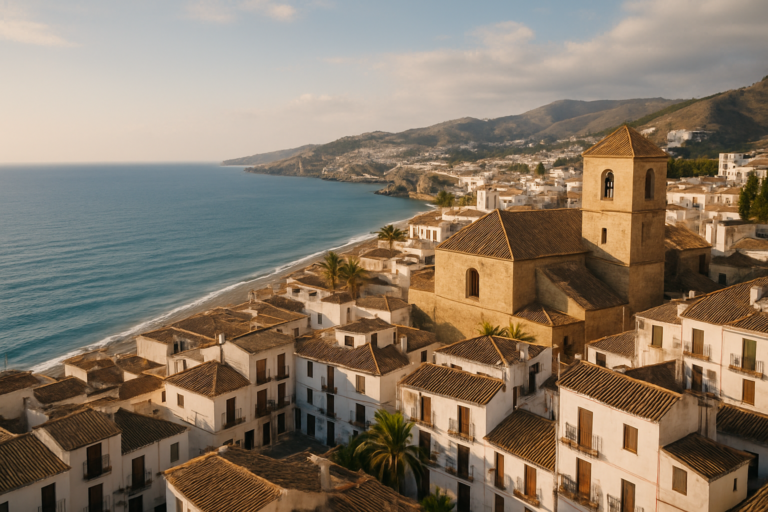
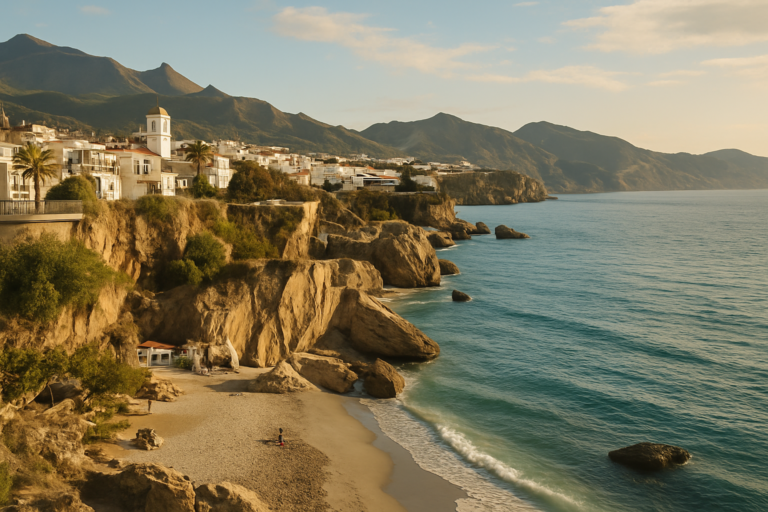
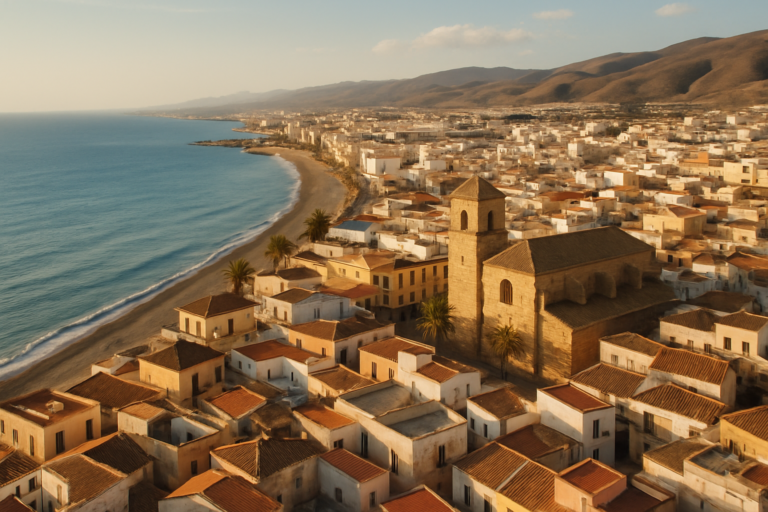
This place is part of our Costa Tropical Guide: Almuñécar, Salobreña and Granada's Coast — see every town, beach and cove we have mapped on that coast.
How this page is maintained. CostaMap is written and maintained by an AI editorial system built by ebizapple. Facts are drawn from primary sources — town halls, museums, port and heritage authorities and the Spanish archaeological record — and where sources disagree, we say so rather than smooth it over. Photographs marked as ours are taken on location. This page was last reviewed on 15 August 2026. Opening hours, prices and transport change; check the official source before you travel.