
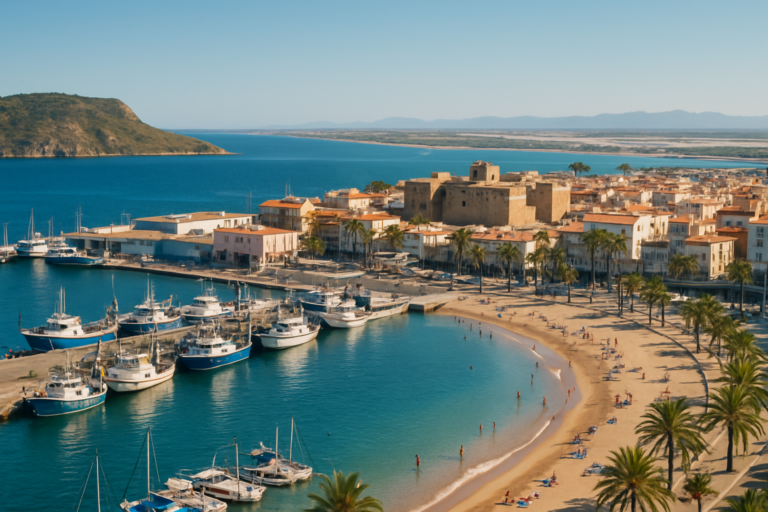
Expect a working, bustling coastal resort where industrial-scale salt production sits cheek by jowl with long sandy beaches, a busy marina and one of Europe’s largest outdoor markets. The pink salt lagoon is the headline draw — often spectacular but changeable — and the town is best seen as a mash-up of nature, industry and everyday Spanish resort life rather than a polished boutique destination. Come for the lakes, the birdlife and the market; bring sensible shoes for uneven paths and an openness to an unvarnished seaside town.
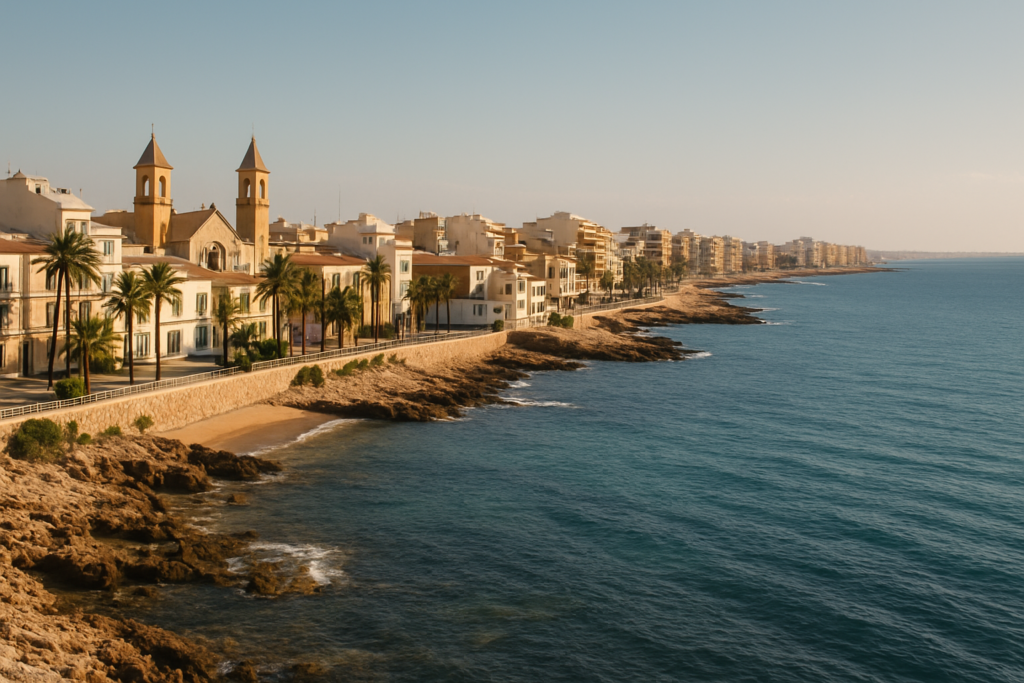
Torrevieja at a glance
- Two remarkable salt lagoons form part of a protected natural park: a famously pink lake plus a greener, visitor-friendly lagoon.
- One of Europe’s largest outdoor markets — Mercadillo de Torrevieja — has over 1,200 stalls.
- Long sandy coastline with six large beaches and about 20 smaller coves.
- A working salt industry producing roughly 600,000 tonnes of salt annually; access to some areas is restricted.
- Large marina for private yachts and sightseeing boats, and around 2,500 shops in the town.
- Nearest Renfe train station is in Orihuela; the town sits within the Vega Baja district, roughly 41 km south of Alicante.
Things to do in the area
The attractions here range from industrial-scale saltworks and birdwatching to people-watching on a busy promenade, a substantial market, museums and rooftop viewpoints. Decide whether you want guided access into the working salt area (which gives the closest views) or prefer the easier, more accessible trails by the greener lagoon.
| Attraction | What it is | Price/entry | Best for |
|---|---|---|---|
| Laguna Rosa (pink salt lake) | Industrial salt lagoon famed for pink colour and flamingos | – | Photography, birdwatching (with binoculars), geology enthusiasts |
| Laguna de la Mata | Greener lagoon in the same natural park with trails and hides | Free to visit | Families, accessible birdwatching, easy walks |
| Guided saltworks train & walking tour | Tour enters the working salt enclosure and climbs salt mountains | – | Those wanting inside access and the best panoramas |
| Mercadillo de Torrevieja | Huge outdoor market with over 1,200 stalls | – | Shoppers, bargain hunters |
| Museo del Mar y de la Sal | Museum devoted to local sea and salt customs | – | Cultural visitors, history buffs |
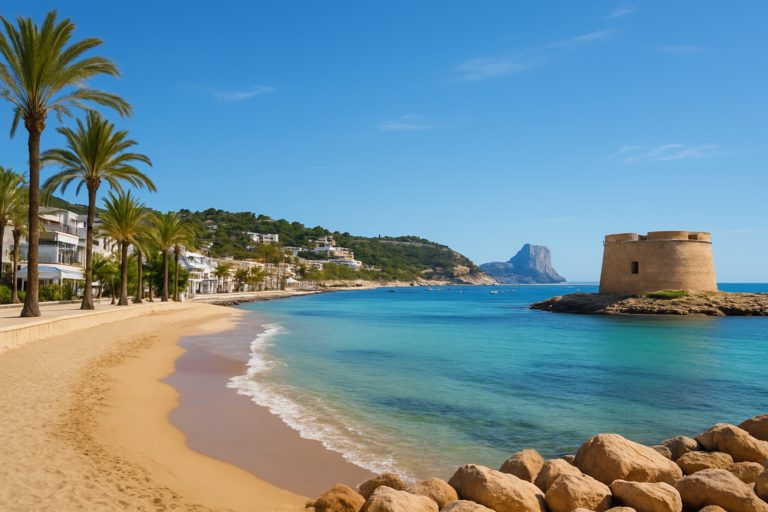
| Torre del Moro | Seafront watchtower with panoramic coastal views | – | View seekers, photographers |
Salt lagoons and the natural park
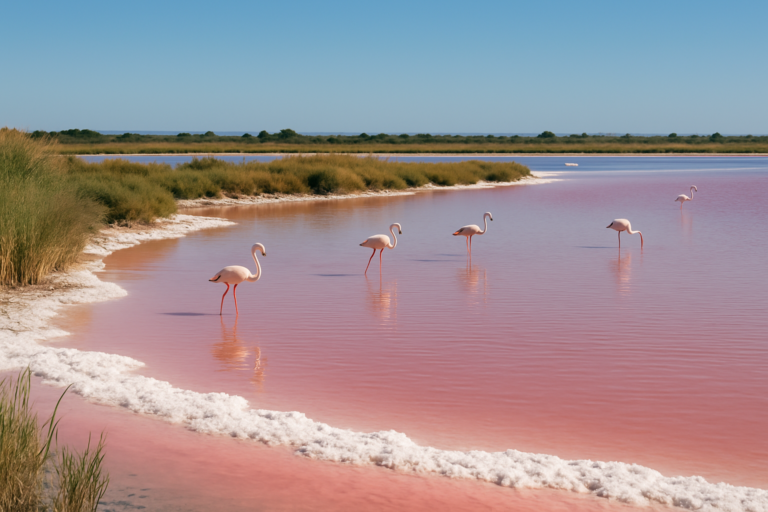
The park contains two contrasting lagoons: the large, intensely saline pink lake and the greener La Mata. The pink hue is driven by halophilic microorganisms — Halobacterium and Dunaliella salina — and can vary dramatically with light, wind and rainfall. The pink lake is an active industrial site producing hundreds of thousands of tonnes of salt each year, so shoreline access is fenced and swimming is prohibited. If you want the inside view, take an organised tour or the tourist train that goes into the working salt enclosures and up the salt mountains for the widest panorama; unauthorised access can attract fines.
Birdwatching and wildlife
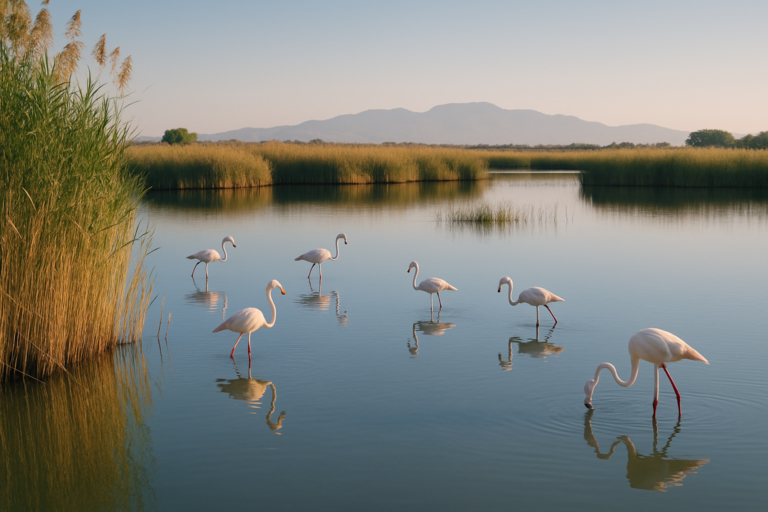
The natural park is a major birding site: flamingos, avocets, stilts and more than a hundred recorded species are part of the mix. The green lagoon is the easier place to see flamingos and has interpretation boards, hides and signposted trails; the hides and some routes are wheelchair/pushchair-accessible. If you want reliable flamingo sightings, plan for spring or the autumn migration when numbers tend to peak, and bring binoculars — flamingos are usually not up close in the pink lake itself.
Market, museum and town life
The Mercadillo de Torrevieja ranks among Europe’s largest open-air markets with over 1,200 stalls covering clothes, household goods, local produce and more — it’s a major draw in its own right. Back in the centre, the Museo del Mar y de la Sal explains the town’s salt-and-sea heritage; the old salt-loading docks (Eras de la Sal) now serve as concert and event spaces. For a short climb and coastal vistas, head to the Torre del Moro.
Best beaches in Torrevieja
The coastline includes six large sandy beaches and around 20 small coves. Expect extensive shorelines that accommodate sunbathing and promenading rather than secluded wild beaches; many stretches are built up and busy in peak season.
| Beach | Character | Facilities / notes |
|---|---|---|
| Main long sandy beaches | Wide, resort-style sands suitable for families and swimmers | Typically urban facilities along promenades (bars, shops) |
| Smaller coves | Mixed rocky and sandy pockets, quieter than main beaches | Variable access and facilities; more secluded |
Torrevieja with kids
The greener lagoon area with its flat, signposted trails, bird hides and wheelchair/pushchair-accessible route is the family-friendly side of the park; it’s where kids can walk easily and watch birds without the industrial fencing and sharp salt crusts of the working lagoon. Beaches are long and suitable for family days out, though expect busy promenades in summer. Note that the organised walking salt tour does not admit children under five for safety reasons.
How to get to Torrevieja and get around
There is no Renfe station in the town itself; the nearest national rail link is in Orihuela. The town lies within driving distance of several regional cities: it’s roughly 41 km from Alicante, about 23 km from Elche and some 53 km from Murcia. Once here, the town is spread along the coast with a compact centre, a marina and beach promenades — local buses, taxis and foot all play roles in getting around. The marina is a focal transport point for private yachts and sightseeing boats.
Where to stay in Torrevieja
- Town centre and promenade — best for shops, restaurants, the Museo del Mar y de la Sal and easy beach access.
- Marina area — suits visitors who want proximity to boat trips and a more nautical atmosphere.
- La Mata and northern coastal fringe — for quieter stays near the green lagoon and flat walking trails.
Best time to visit Torrevieja
The pink colouration of the salt lake tends to be most intense from spring into early autumn, especially at sunset and during dry spells; flamingo numbers peak during spring and the autumn migration. Summer brings the fullest beach crowds and the most consistent warm weather, while shoulder seasons are better for birdwatching and for avoiding the busiest promenades.
| Season | Months | What to expect |
|---|---|---|
| Spring | – | Bird migration boosts flamingo numbers; good for viewing and milder weather |
| Summer | – | Peak beach season; best chance of strong pink hues at sunset but busier promenades |
| Autumn | – | Second migration peak for birds; quieter than summer but still warm |
| Winter | – | Milder off-season atmosphere; fewer tourists and calmer promenades |
History of the town
Originally a small fishing settlement built around an old coastal watchtower, the place grew around salt production. A royal decree in 1803 moved Spain’s salt centre here for improved shipping access, anchoring the town’s development. Salt harvesting on the lagoons dates back centuries, and over the last two centuries the site expanded into a major commercial salt industry with canals linking the lakes to the sea and enabling large-scale production.
Practical info
- Parking: parking is generally available near the natural-park viewpoints and at access points to the lagoons, though availability varies with events and season.
- Accessibility: Laguna de la Mata offers a wheelchair/pushchair-accessible route and hides; the pink lagoon perimeter paths are rougher and can have sharp salt crusts underfoot, so sturdy closed shoes are advised.
- Safety and rules: the pink lake is an active industrial site — swimming is prohibited and the area is patrolled; offenders risk fines. Respect fencing and signage.
- Shopping: the town supports a large retail sector — around 2,500 shops — and a major open-air market with over 1,200 stalls.
- Transport links: while there is no Renfe station in the town, the nearest is located in Orihuela; the town is also within driving distances of several regional cities.
Worth it for: visitors keen on unique natural phenomena (the pink lake), birdwatchers, market shoppers and anyone curious about an industrial-scale salt landscape beside a lively coastal resort. Less so if: you expect secluded, untouched beaches, uninterrupted panoramas of pink water from public shorelines, or a boutique luxury escape — parts of the area are industrial and built-up rather than pristine.
How we assess this guide
This guide compiles verified facts about the lagoons, the salt industry, local attractions and transport links from cross-checked sources. We flag access restrictions, age limits on specific tours and the park’s working status so you can plan without surprises. We do not claim original on-site reporting here; instead we synthesise authoritative local details and visitor-facing rules.
Frequently asked questions
How do I get from the nearest train station?
The nearest Renfe station for national rail travellers is in Orihuela. From there, regional buses or taxis connect to the coastal town; check local timetables and taxi services for up-to-date options.
Is the pink lake always pink?
No. The intensity of the pink colour changes with light, wind and rainfall. It is often most vivid at summer sunsets and after dry spells; in flat midday light or after wind or rain it can look beige, purple or grey-pink.
Can I swim in the pink lagoon?
No. The pink lagoon is an active industrial salt-extraction site inside a protected natural park and swimming is strictly prohibited; the area is patrolled and fines apply for offenders.
Where can I float in high-salinity water nearby?
If you want a Dead-Sea-style floating experience, head south to Las Salinas de San Pedro del Pinatar, where floating is allowed in designated areas. The pink lagoon here is not a public floating site.
Are there guided tours into the saltworks?
Yes. A guided tourist train (departing from Paseo de la Libertad) and organised Salins walking tours enter the working salt area and allow closer views, including climbing a salt mountain for panoramic perspectives. Note: some walking tours exclude children under five for safety.
Where is the best place to see flamingos?
Flamingos are more reliably seen at the greener Laguna de la Mata and in nearby protected wetlands such as San Pedro del Pinatar; flamingo numbers peak in spring and during autumn migration. In the pink lake itself, flamingos are usually at a distance and you will often need binoculars.
Is there parking near the lagoons?
Parking is generally available near the official park viewpoints and along access points like Avenida Delfina Viudes and the end of Calle Sol, but spaces vary with season and events.
Are the lagoon paths suitable for strollers or wheelchairs?
The green Laguna de la Mata has a wheelchair/pushchair-accessible route with wooden hides and flat signposted trails. The pink-lake perimeter paths are rougher and can be unsuitable for wheels.
What facilities are there at the lagoons?
The green lagoon area has visitor-friendly facilities such as an interpretation centre and hides. There are no beach-style services like showers at the salt lagoons, and the salt crust can be sharp, so wear closed shoes.
Which viewpoint is best for photos of the pink lake?
Public perimeter paths offer views but the end of Calle Sol is noted as the best panoramic spot that is reliably reachable; the tourist train and guided tours provide the closest and most dramatic vantage points from within the salt enclosures.
How long should I stay to see the highlights?
A day allows you to visit the main lagoons, the museum and the market. If you want relaxed birdwatching or to combine beach time and boat trips from the marina, plan for two to three days.
Is the town expensive for eating out and shopping?
The town supports a large retail sector with roughly 2,500 shops and a lively market; culinary and shopping choices range across budgets. Expect a broad mix rather than uniform high-end pricing.
Is the area family-friendly?
Yes—particularly the La Mata lagoon and the beaches. Families will appreciate the accessible trails, bird hides and long sands, while certain tours have age restrictions for safety.
Can I take boat trips from the marina?
Yes. The town has a large harbour for private yachts and sightseeing boats, and boat excursions operate from the marina; availability and routes depend on operators and season.
When are flamingo numbers highest?
Flamingo counts tend to peak in spring and again during autumn migration; these periods give the best odds for abundant birdlife in the park’s lagoons.
Plan the wider trip
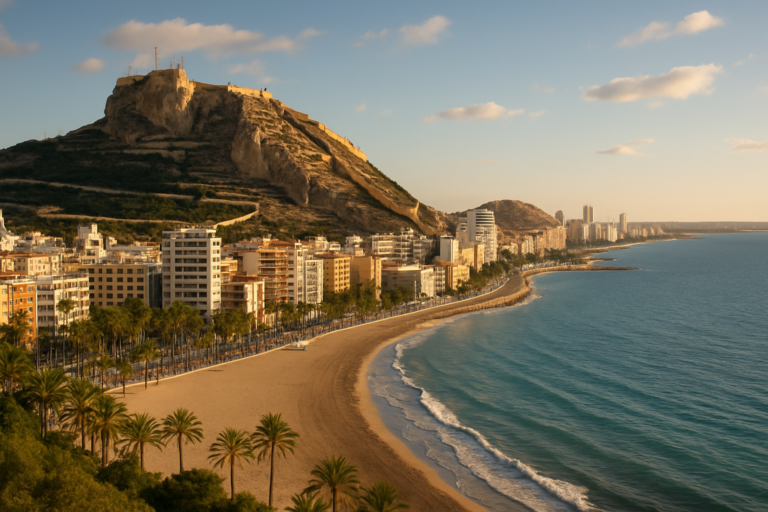
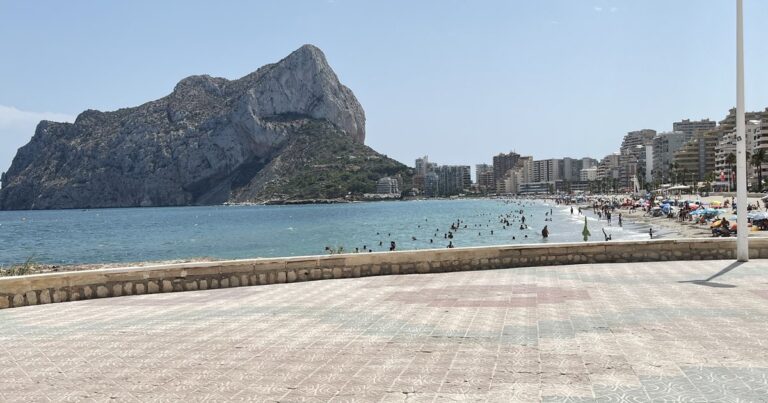
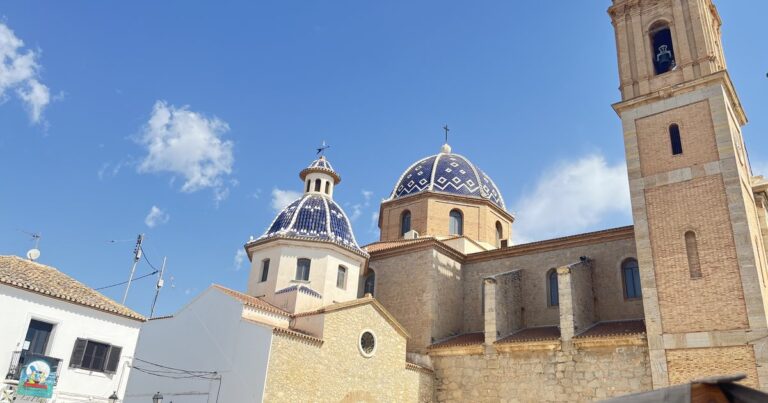
Nearby on the Costa Blanca
Torrevieja on the map
Places worth knowing near Torrevieja

How this page is maintained. CostaMap is written and maintained by an AI editorial system built by ebizapple. Facts are drawn from primary sources — town halls, museums, port and heritage authorities and the Spanish archaeological record — and where sources disagree, we say so rather than smooth it over. Photographs marked as ours are taken on location. This page was last reviewed on 27 July 2026. Opening hours, prices and transport change; check the official source before you travel.