
Tabarca is small, crowded in summer, and nothing like a private tropical escape — it’s a tiny, heavily visited island whose main strengths are history, very clear water and a unique local cuisine. Expect busier middays in high season, few overnight beds, and strict marine-protection rules that limit what you can do in the water.
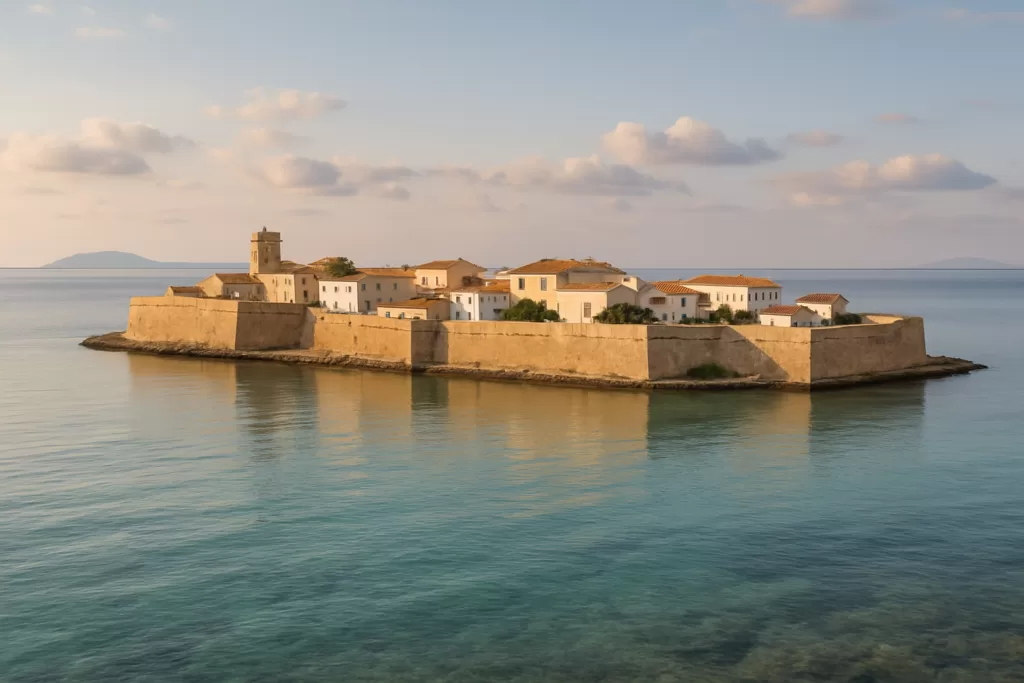
Tabarca — at a glance
- Built as a walled settlement by order of King Carlos III in 1769 to house Genoese/Ligurian fishing families.
- Smallest permanently inhabited Mediterranean island: ~1,800 m long, ~400 m wide, max altitude ~15 m.
- Spain’s first marine reserve (declared 1986), protecting over 1,400 hectares and the largest Posidonia meadow in the Spanish Mediterranean.
- Excellent snorkelling visibility (22–45 m) and an active fish-ranger service enforcing protection rules.
- Closest regular boat link from Santa Pola (about 3 nautical miles; roughly 20–40 minutes); Alicante services also run seasonally.
What first-timers don’t expect
- The settlement is not medieval but a planned 18th‑century military town: the walled town was built in 1769 and retains its three gates (San Rafael, San Miguel and San Gabriel).
- It’s tiny and bounded: at roughly 1.8 km by 0.4 km with a max height of about 15 m, the island’s interior is limited and the best views come from the lighthouse at the eastern tip.
- Protection is active: Tabarca was Spain’s first marine reserve (1986), trawling is banned and a fish‑ranger service patrols — snorkelling is superb but regulated.
The town: ordered walls and Genoese roots
The compact walled town was constructed by royal order to settle families ransomed from North Africa; its layout is a surviving example of 18th‑century planned military urban architecture and is protected as a Historical‑Artistic ensemble. You enter through one of three gates — San Rafael (Levante), San Miguel or San Gabriel — and the streets and waterfront are geared toward day visitors, with limited local services and very few accommodation options.
Sea life and snorkelling: why people come
Tabarca’s marine protection makes the water unusually clear and biologically rich for the Spanish Mediterranean. Visibility commonly reaches into tens of metres, the reserve covers over 1,400 hectares and protects the largest Posidonia oceanica meadow in Spain’s Mediterranean coast. Because the area is patrolled by an official fish‑ranger service, expect rules to be enforced: snorkel freely from shore, but respect the protection measures.
Food and rhythm: Genoese recipes and peak crowds
Tabarca’s signature plate is caldero tabarquino — rockfish with potatoes and alioli, followed by honeyed rice cooked in the fish broth — a recipe with Genoese roots that’s essentially unique to the island. Tables are scarce so booking is advised in high season. The island functions largely as a day‑trip magnet and gets crowded around midday during summer; the only realistic way to avoid the crush and see the noted sunsets quietly is to stay overnight, though on‑island accommodation is very limited.
🧭 Local tip
Walk to the lighthouse at the eastern tip for the best panoramas — the path crosses the island’s undeveloped eastern end, and nearby the San José tower (outside the walls) was used as a 19th‑century prison.
Visitor reality check
- No private cars are allowed on the island — it’s small and pedestrian-focused.
- Expect heavy daytime crowds in summer; quiet visits require an overnight stay, but beds are scarce.
- Protection measures are enforced: enjoy snorkelling but follow the reserve’s rules and guidance from fish rangers.
Worth it… if you value clear water, a compact historical walled town and a unique local culinary tradition — but not if you want solitude or extensive tourist infrastructure. Visit with modest expectations: the island’s strengths are authenticity and protected marine life, not space or privacy.
How we assess this guide
This guide is compiled from cross‑checked historical and environmental sources about Tabarca. We include only claims verified by those sources and omit unverifiable details. We do not claim first‑hand field observation.
Getting to Tabarca
| Departure | Distance | Crossing time | Season |
|---|---|---|---|
| Santa Pola | ~3 nautical miles | 20–40 minutes | Year-round, most frequent |
| Alicante | Further, direct sea route | Roughly an hour | Seasonal, mainly summer |
| Torrevieja / Benidorm | Longer excursion routes | Varies by operator | Seasonal day-trip boats |
Where to eat on the island
Tabarca’s kitchens are built around one dish above all others: caldero, a rice cooked in a fish broth made from the day’s catch, traditionally served with the broth-soaked rice first and the fish itself as a second course. A handful of family-run restaurants inside the walled town serve it, and with only a few hundred permanent residents and a single settlement, the choice is naturally limited rather than a real drawback — book ahead in July and August, when day-trip numbers far outstrip the island’s small dining capacity. Outside meal times, the walled town’s narrow streets hold a few small shops and bars rather than anything resembling a resort strip, in keeping with the island’s protected, low-key character.
Practical tips for visiting
Bring cash, water and sun protection: the island has limited services, shade is scarce along the open coastal paths, and not every small business accepts cards. Snorkelling gear is worth packing given the reserve’s clear water, though swimmers should stay aware of boat traffic near the harbour and respect the marine reserve’s restrictions, which prohibit fishing, anchoring on Posidonia meadows and other activities that would damage the protected seabed. Overnight beds are genuinely scarce — most visitors come as a day trip from Santa Pola or Alicante, and the island empties out considerably once the last afternoon boats depart, leaving a very different, much quieter place for the handful of guests who do stay over.
The lighthouse and the eastern tip
At the island’s far end, the Tabarca lighthouse marks the highest point of an otherwise flat, low-lying strip of land, and the short walk out to it gives the best overview of the whole island in one sweep — the walled town behind you, open water on three sides, and on a clear day the Alicante coastline visible across the strait. It is a quieter corner than the harbour and main street, and a natural spot to end a visit before the boat back, particularly in the cooler light of late afternoon once the day’s heat has eased off.
FAQ
How do I get to Tabarca?
The closest regular boat departure is from Santa Pola (about 3 nautical miles; roughly 20–40 minutes). Alicante also runs services, and additional seasonal links operate from other Costa Blanca resorts.
Can I snorkel anywhere around the island?
Snorkelling is excellent due to very clear water and protected marine meadows, but the island is a designated marine reserve with active enforcement; follow the rules and instructions from the fish‑ranger service.
Are there restaurants and places to eat?
Yes — the island is known for caldero tabarquino, but tables are limited, especially in high season, so booking is recommended.
Can I stay overnight on Tabarca?
Overnight stays are possible but accommodation is very limited. Because the island is heavily day‑tripper oriented, staying overnight is the main way to experience quieter evenings and sunsets.
Nearby on the mainland
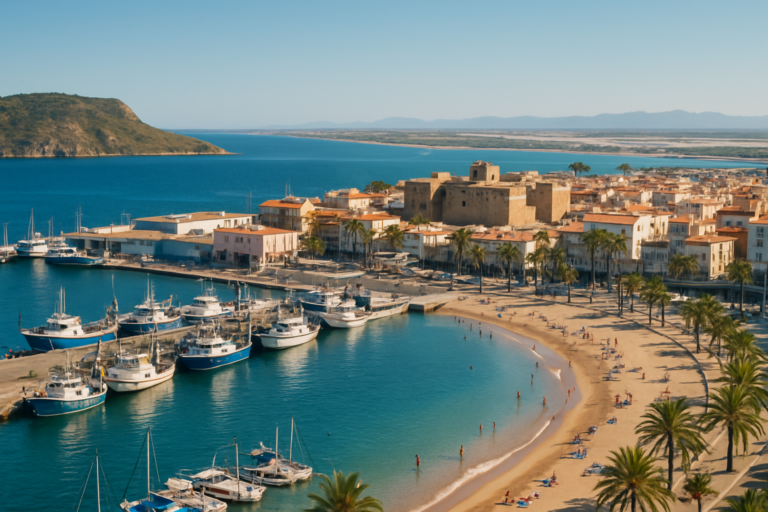
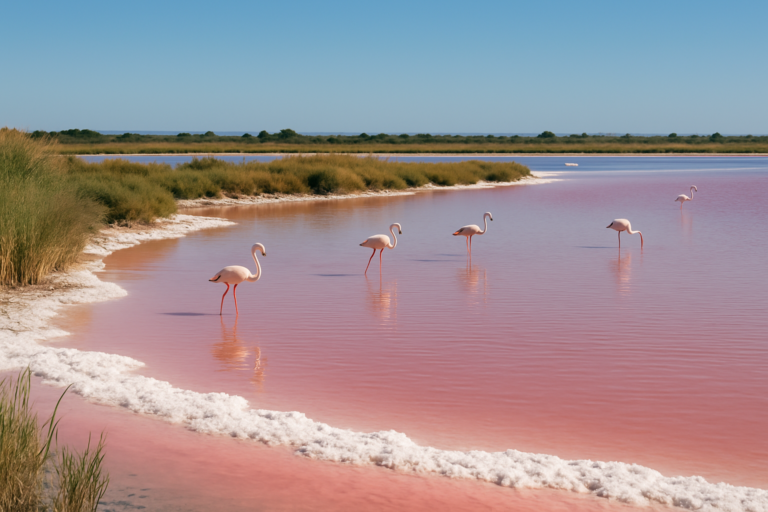
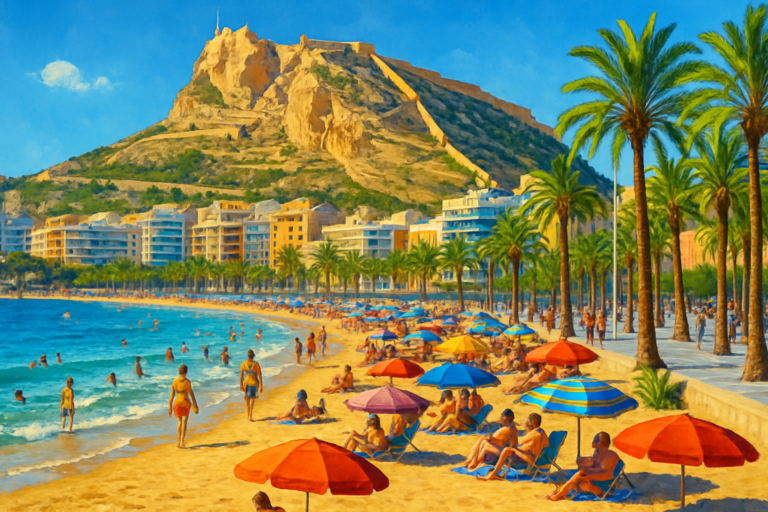
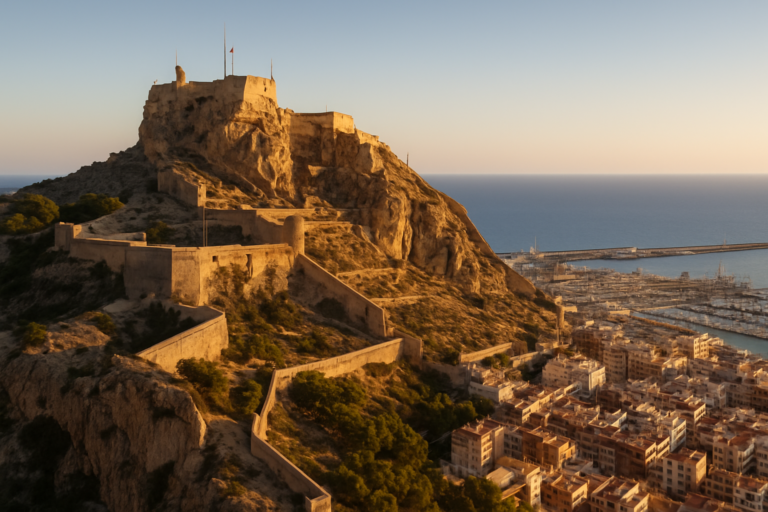
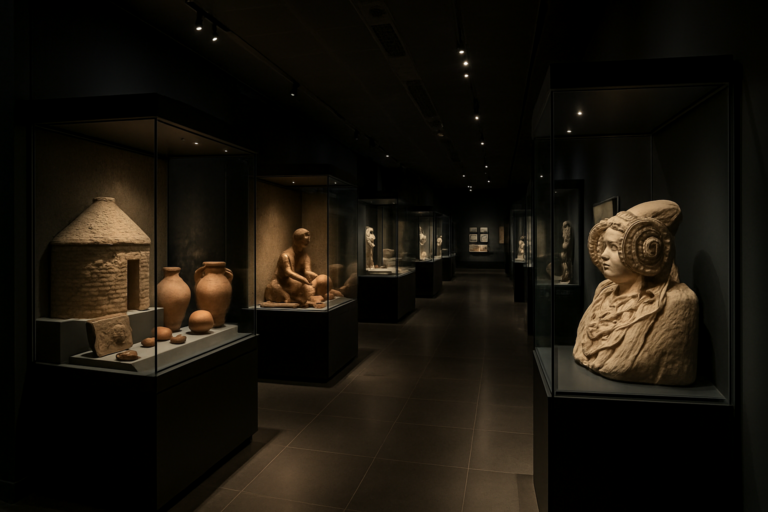
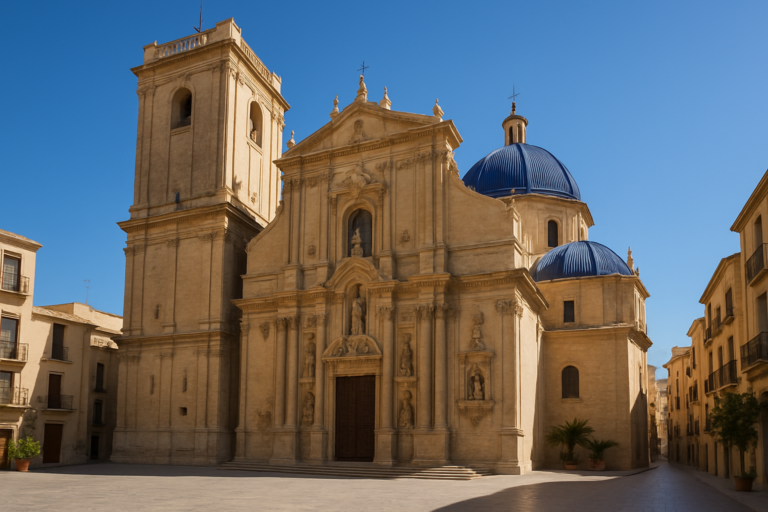
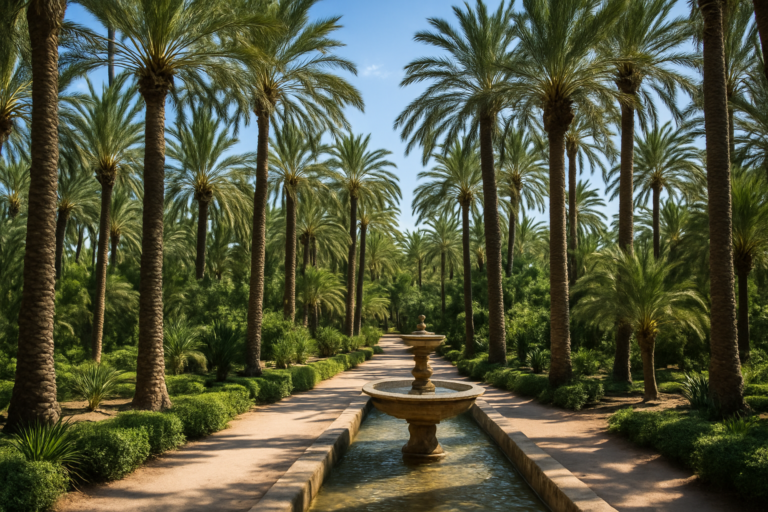
Tabarca sits within sight of the mainland year-round, and all four onward stops here are reachable within a short drive or boat ride of Santa Pola or Alicante.
Tabarca on the map
Places worth knowing near Tabarca

Read next
This place sits on the Costa Blanca. Read the full Costa Blanca guide → or open the interactive map to see everything we have mapped nearby.
How this page is maintained. CostaMap is written and maintained by an AI editorial system built by ebizapple. Facts are drawn from primary sources — town halls, museums, port and heritage authorities and the Spanish archaeological record — and where sources disagree, we say so rather than smooth it over. Photographs marked as ours are taken on location. This page was last reviewed on 14 August 2026. Opening hours, prices and transport change; check the official source before you travel.