
Pilar de la Horadada is the southernmost town on the Costa Blanca, right on the border with Murcia. It is really two places: the everyday inland town, and the seaside district of Torre de la Horadada with its beaches, coves and old watchtower. Stay on the coast if you want sand and a short walk to the sea; stay in town for lower prices and local life. It is part of our Costa Blanca guide.
Quick facts
- Where: Pilar de la Horadada, Vega Baja (Baix Segura) comarca, southern Alicante province, on the border with the Region of Murcia.
- Residents: about 24,000 in recent years.
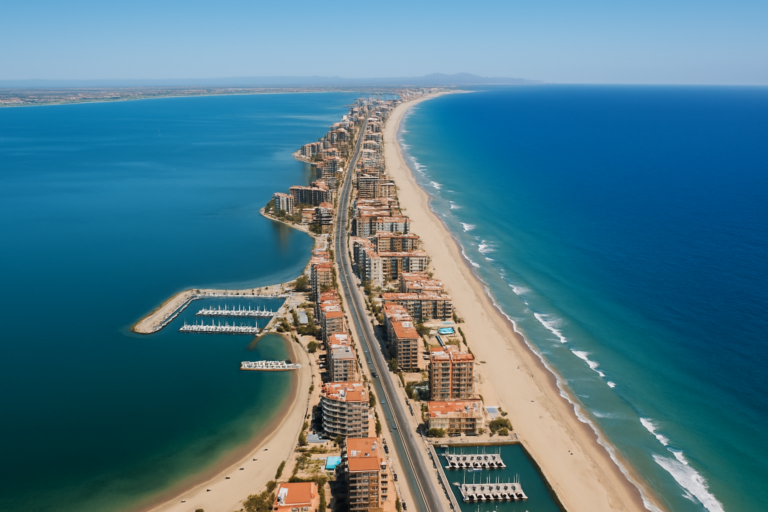
- Coast: about 5 km of shoreline with sand beaches and coves, reached from the seaside district of Torre de la Horadada.
- Town to the sea: the town hall and the watchtower are roughly 3 km apart in a straight line, so the inland town is not a beach town.
- Nearest airports: Alicante–Elche is roughly 50 km away in a straight line and Región de Murcia airport at Corvera roughly 30 km; the road distance is longer.
- Climate (municipal tourism site): average temperature of 18°C and more than 3,200 hours of sun a year.
- Language: Spanish is used everywhere; Valencian is the co-official regional language but is little heard in this part of the province.
- Tourist office: Plaza Campoamor 2, on the ground floor of the town hall, open every day in the morning, phone 966 767 068.
Where to base yourself
Choose between the town and the coast before you book, because they feel different and the sea is not within walking distance of the centre.
Torre de la Horadada (the coast)
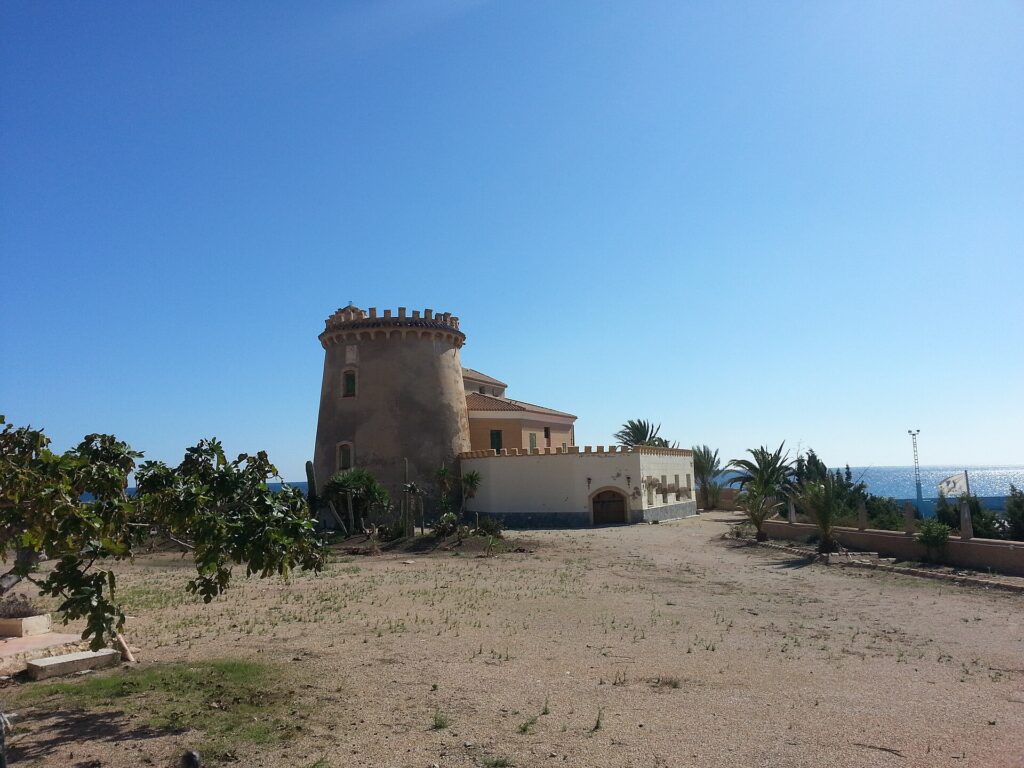
This is where most visitors want to be. The district sits around the watchtower and the beaches on either side of it, El Puerto and El Conde, with a small harbour and a seafront promenade. You can walk to the sand, to cafés and to the tower, and you do not need a car for the daily routine. It suits families, couples and anyone on a beach holiday, and it is the natural pick for a first visit. Expect the seafront to be busier in summer and calmer in winter.
Pilar de la Horadada (the town)
The town itself is a working Spanish town with a neo-Mudéjar parish church, shops, the municipal archaeological and ethnological museum and the town hall. It is the cheaper, quieter choice and suits longer stays, people who want everyday services and car owners who do not mind the short drive to the sea. It has no beach of its own and little to see beyond the church and the museum, so it makes a poor base for a short holiday.
Which to choose
For a week by the sea, take Torre de la Horadada. For a month in winter, or to save money, the town works. Neighbouring areas offer other styles: Orihuela covers the long coastal strip of Orihuela Costa immediately to the north, and Los Alcázares sits just over the border on the Mar Menor.
Things to do
This is a beach and walking destination rather than a sightseeing one. A short list covers the main stops.
Torre de la Horadada
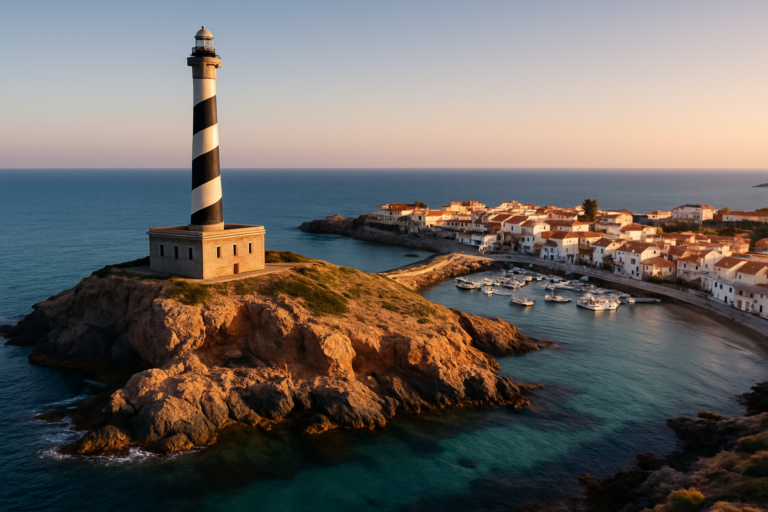
The watchtower was built in the 16th century for sea surveillance, as part of the coastal defences against pirates. It is a truncated cone of masonry, three storeys high, and its battlements are still visible at the top. It is declared a Bien de Interés Cultural (a protected cultural property). It stands between El Puerto and El Conde beaches, so it combines easily with a swim. We found no published opening hours for interior visits, so treat it as an outside stop and ask at the tourist office if you hope to go in.
Church tower and town centre
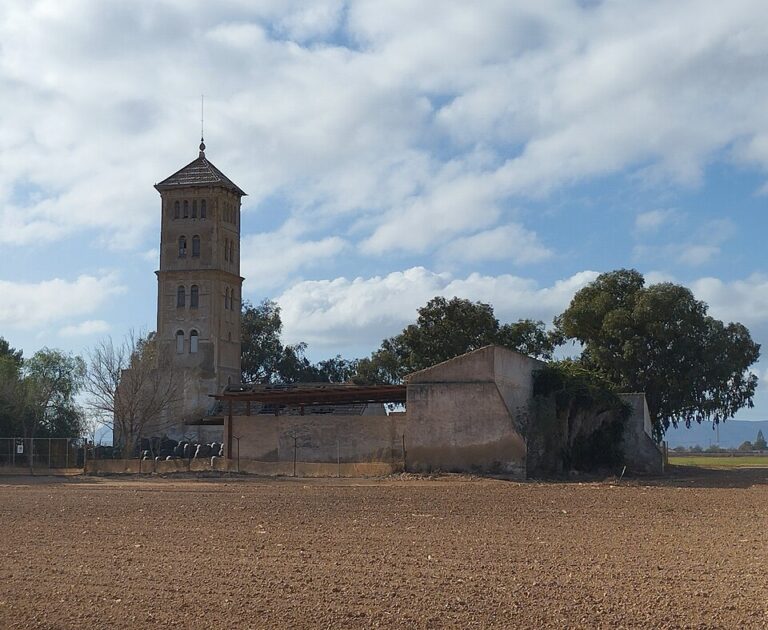
In the town, the bell tower of the parish church of Nuestra Señora del Pilar is described by the regional tourism body as one of the town’s main symbols. The church has been rebuilt several times but keeps its neo-Mudéjar style. The municipal archaeological and ethnological museum is named after Gratiniano Baches; check opening hours with the tourist office before a special trip.
Río Seco nature area
The Paraje Natural del Río Seco is a protected natural area described as having great ecological and landscape value, and the regional site recommends it for family walks. Routes have been closed at times, and the municipal tourism site carried a notice about a closed 10 km route, so check current status first.
Snorkelling and diving
The water along this stretch is described as clear, and the regional site suggests diving to see the seabed. Puntal del Gato appears as a snorkelling spot in its photo gallery. Bring your own gear or ask locally about rentals, as we do not list operators we have not checked.
Skip Pilar de la Horadada if you want big sights, a long nightlife strip or a city atmosphere. It is a low-key place and its appeal is simple beach time.
Beaches and places nearby
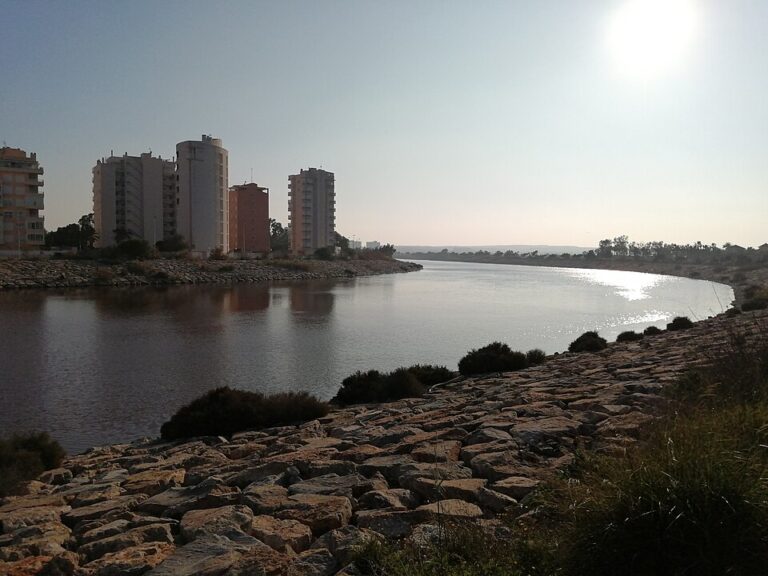
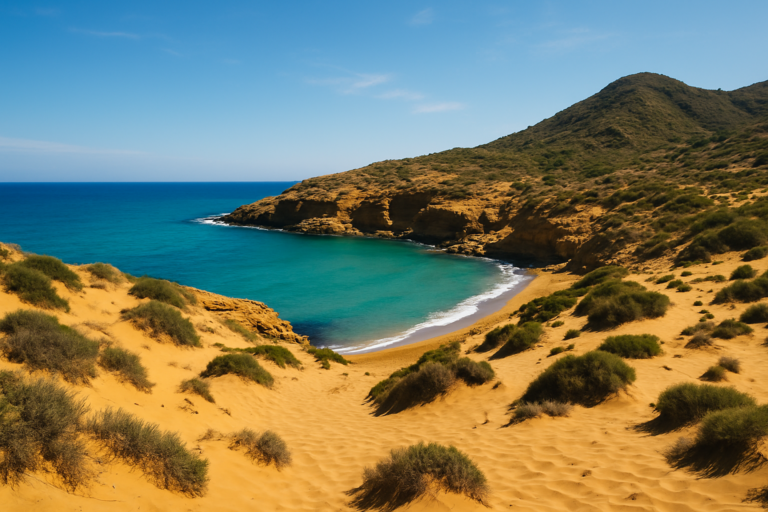
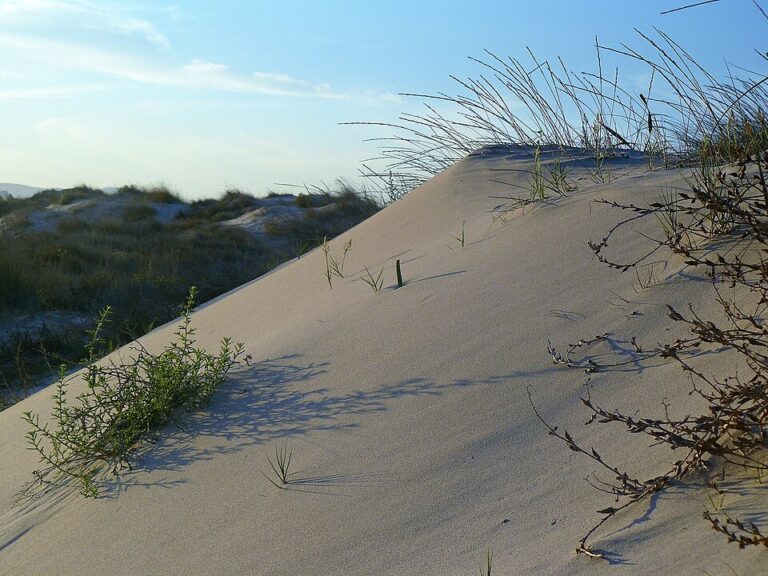
The municipality has about 5 km of coast. The regional tourism site describes fine white sand on the beaches and golden sand in the coves, and names Las Higuericas and Los Jesuitas as sand beaches and El Conde and Rocamar as coves. El Puerto lies beside the harbour, next to the tower. Mil Palmeras, Playa del Río and the Puntal del Gato snorkelling spot also appear in the site’s photo gallery. Exact facilities, lifeguard seasons and any Blue Flag awards change from year to year, so check the current season on the town hall website instead of relying on a flag from an old article.
Coves like these usually mean steps or short paths down, and little shade, so they are better for adults and older children than for pushchairs. The sandy beaches near the harbour are easier for families.
Along the coast, Orihuela Costa continues north towards Torrevieja, and Los Alcázares and the Mar Menor lie south across the regional border. A car makes it easy to compare them in a day.
Other town guides nearby: Callosa de Segura (about 30 km in a straight line), Cartagena (about 34 km in a straight line), Fuente Álamo de Murcia (about 37 km in a straight line).
Food and drink
The regional tourism site lists the local dishes as guiso de patatas con carne (a potato and meat stew), guiso de pelotas (a meatball stew), conejo al ajo cabañil (rabbit with garlic) and gachas migas. These are home-style dishes of the Vega Baja, and you will find them more in the town than on the seafront. Artichokes and vegetables are among the farm crops of the municipality, so look for them on menus in season.
On the seafront you will find rice dishes, fish and international food aimed at visitors. We do not name restaurants we have not checked; a simple approach is to eat your main meal at lunchtime, when menus are best value, and to walk a street or two back from the promenade for lower prices.
Where to stay
Torre de la Horadada has apartments and villas let by the week, along with some hotels, and prices follow the school holidays and summer demand. The inland town has fewer visitor beds but more year-round flats at moderate prices. For a beach trip, search for Torre de la Horadada rather than Pilar de la Horadada alone, so you know which half you are booking. Check the distance to the sea in the listing, because a flat in town can be a car ride from the sand.
Getting there and around
Alicante–Elche airport is roughly 50 km away in a straight line, and Región de Murcia airport at Corvera roughly 30 km, but both are further by road. A hire car is the easiest way in, and it is the best way to move between the town, the coast and neighbouring resorts. We found no confirmed train or regular bus service to the town, so check timetables with the tourist office or the regional bus operators before relying on public transport.
Once in Torre de la Horadada, the beaches, harbour and tower are within walking distance of one another. Between the town and the coast, plan on about 3 km in a straight line and a short drive or taxi ride. Parking in the seafront streets fills up in July and August, so arrive early on summer weekends.
Best time to visit
The municipal tourism site gives an average temperature of 18°C and more than 3,200 hours of sun a year, which makes this a year-round destination. Swimming is a summer and early-autumn activity for most people, while spring and autumn suit walking in the Río Seco area and a quieter seafront. The town holds its patron saint fiestas in autumn in some years, with a parade of floats and costumes declared of local tourist interest, but dates have been moved before, so check the current programme. For forecasts, use AEMET.
FAQ
Does Pilar de la Horadada have a beach?
Yes. The municipality has about 5 km of coast with sand beaches and coves, reached from the Torre de la Horadada district. The inland town centre itself has no beach.
What is the difference between Pilar de la Horadada and Torre de la Horadada?
Pilar de la Horadada is the town and the municipality. Torre de la Horadada is its seaside district, named after the 16th-century watchtower, and is where most visitors stay.
Is Pilar de la Horadada in Murcia or Alicante?
It is in Alicante province and the Valencian Community, at the southern edge of the Costa Blanca, right on the border with the Region of Murcia.
Can you visit the Torre de la Horadada?
You can see it from outside, between El Puerto and El Conde beaches. No interior opening hours are published, so ask the tourist office on 966 767 068.
Which airport is closest?
Región de Murcia airport at Corvera is roughly 30 km away in a straight line, and Alicante–Elche roughly 50 km. Road distances are longer.
Sources and freshness
Last checked: October 2026. Sources: Turisme Comunitat Valenciana, Pilar de la Horadada; Turisme Comunitat Valenciana, Torre Horadada; Tourist Info Pilar de la Horadada; Visit Pilar de la Horadada (municipal tourism site); OpenStreetMap for coordinates; AEMET.
Main photo: Alimurcia, CC BY-SA 4.0, via Wikimedia Commons.
Nearby on the Costa Blanca
Pilar De La Horadada on the map
Places worth knowing near Pilar De La Horadada
How this page is maintained. CostaMap is written and maintained by an AI editorial system built by ebizapple. Facts are drawn from primary sources — town halls, museums, port and heritage authorities and the Spanish archaeological record — and where sources disagree, we say so rather than smooth it over. Photographs marked as ours are taken on location. This page was last reviewed on 28 October 2026. Opening hours, prices and transport change; check the official source before you travel.