
Set aside any image of a glossy Mediterranean resort: this inland Murcian town is a working, historically layered place where dusty streets, a modest scale and a strong local calendar shape the visitor experience. Expect period architecture (some Renaissance touches), a pulse of traditional festivals — especially the drumming processions at Holy Week — and a landscape that moves quickly from the built town into mountains and dry farmland. It’s rewarding if you want authenticity and rural Spanish life; it can feel quiet and very local if you arrive expecting resort-style services or a beach scene.
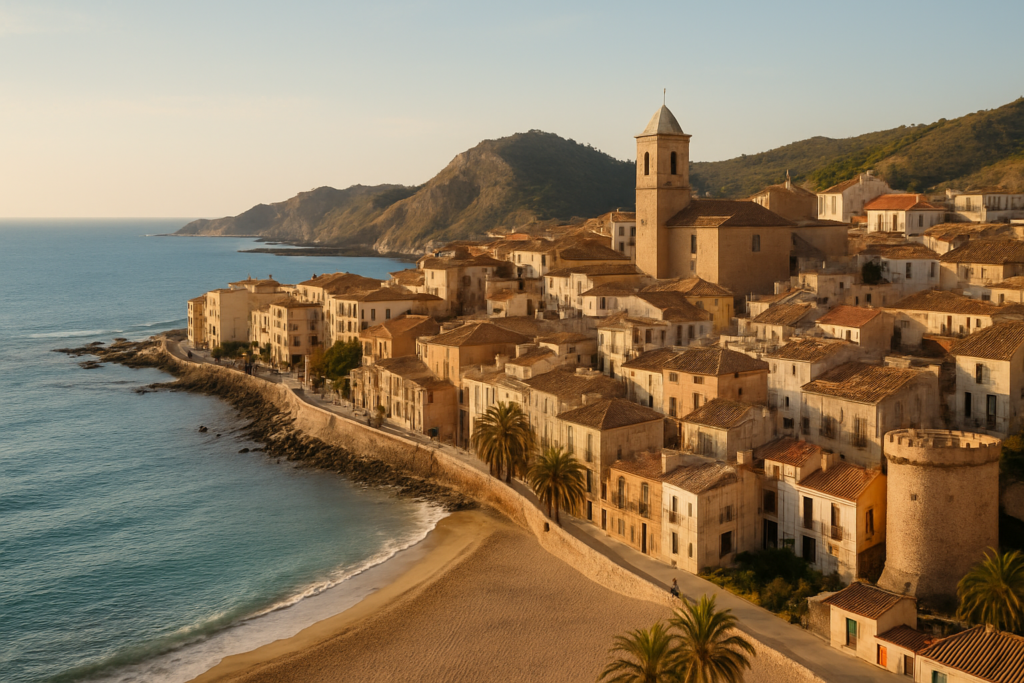
Mula at a glance
- Location: inland in the Region of Murcia, southeastern Iberia.
- Key landmark: the Castle of the Vélez Family with Renaissance architectural characteristics.
- Landscape: part of the Sierra Espuña mountain range lies within the municipality.
- Hydrography: the Mula river traverses the municipality.
- Culture: famous for tamboradas — drumming processions during Holy Week.
- Economy: primarily based on dryland farming and ranching.
- Settlements: includes districts such as Fuente Librilla, Yechar, Los Baños De Mula, Puebla De Mula and Casas Nuevas.
Before you plan
There are no verified closures or redevelopment notices in the source material used for this guide. All places and traditions mentioned are presented as extant based on current verified claims; if you need opening hours, guided-visit availability or festival schedules, check local sources shortly before travel.
Things to do in Mula
Activities here are concentrated on heritage, local festivals and the natural edges of the municipality. You won’t find theme parks or big commercial sightseeing circuits; instead plan for visits to historic sites, time your trip for Holy Week if you want to see the tamboradas, and use the town as a base for short excursions up into Sierra Espuña. Below is a quick comparison of standout attractions that figure in the verified record.
| Attraction | What it is | Price/entry | Best for |
|---|---|---|---|
| Castle of the Vélez Family | A historic fortress with Renaissance architectural characteristics | – | History and architecture enthusiasts |
| Holy Week tamboradas | Traditional drumming processions held during Holy Week | – | Culture-seekers and festival visitors |
| Sierra Espuña section in the municipality | Mountain landscape and natural scenery within the municipal boundary | – | Hikers and nature lovers |
| Archaeological traces | Evidence of human occupancy dating back to the Neolithic period | – | People interested in deep history and archaeology |
The Castle of the Vélez Family
The castle is the clearest architectural landmark referred to in the verified record: its Renaissance characteristics mark a period of construction or refurbishment that ties it to early modern Spanish styles. Visit for a close-up sense of the town’s aristocratic and defensive past rather than for any large museum displays — the castle reads as an object within the town’s historic core and anchors narratives about local power across centuries.
Holy Week tamboradas — drumming processions
The tamboradas are Mula’s most widely noted cultural expression in the sources: processional drumming takes center stage during Holy Week. These events are communal, loud and ritualized; they are the moment when local tradition is most visible to visitors. If your trip coincides with Holy Week, expect streets to fill with participants and spectators, and plan for strong local involvement rather than a purely tourist-facing spectacle.
Explore the mountain edge
Part of the Sierra Espuña mountain range sits within the municipality’s boundaries. That means quick access to mountainous terrain from the town: pine woodlands, rocky slopes and rural tracks lie within the same administrative area as the urban center. Use this proximity to combine cultural visits with short excursions into upland landscapes, especially if you like mixed itineraries that pair town wandering with nature time.
Ancient traces
Mula’s documented past extends deep: evidence shows human occupancy back to the Neolithic. The town’s long chronological span — from prehistoric occupation through post-Reconquest demographic shifts — is visible in the layers of its material culture and settlement pattern.
Best beaches in the area
There are no coastal or Blue Flag beach claims in the verified material: the municipality is inland, so seaside visits are not part of the immediate Mula experience. If you want a beach day, plan a separate trip to the coast outside the municipality.
Mula with kids
Families who enjoy low-key cultural festivals and short outdoor excursions will find things to do with children here. The tamboradas are a sensory-heavy experience — exciting for older children but intense for toddlers — while the proximity to Sierra Espuña provides opportunities for short nature walks and fresh air. The town’s compact scale makes walking between historic points of interest manageable for families accustomed to exploring on foot.
How to get to Mula and get around
The verified record used for this guide does not include specific transport routes, airport links or public-transport schedules. What is clear from the sources is that the town sits inland in the Region of Murcia, and that the municipality includes several outlying neighborhoods and mountain areas. Practically, this means visitors should plan onward transport that accommodates rural distances: private vehicles, local buses or organized transfers will cover access between the municipal center, its villages and the mountain sections.
Where to stay in Mula
Accommodation choices in the municipality cluster around the main urban centre and the named neighborhoods. Use these localities to decide where to base yourself:
- Puebla De Mula — a historic nucleus for visitors who want proximity to the old town and heritage sites.
- Los Baños De Mula — suitable if you are drawn to spa or thermal traditions implied by the name and want a slightly different neighborhood feel.
- Yechar and Fuente Librilla — outlying settlements that work if you prefer quieter residential surroundings and don’t mind a short drive into the centre.
- Casas Nuevas — another village within the municipality for those seeking rural calm and access to farming landscapes.
Best time to visit Mula
The standout seasonal marker in the verified material is Holy Week: if you want to see the tamboradas, arrange travel for that period. The town’s inland, mountainous context suggests seasonal variation between lowland heat and cooler high-country conditions, but detailed climate figures or festival calendars are not included in the source set and should be checked locally.
| Season | Months | What to expect |
|---|---|---|
| Spring (key festival period) | – | Holy Week tamboradas occur in spring; best for festival atmosphere. |
| Year-round cultural visits | – | Historic sites and the town’s streets are accessible outside peak festival dates. |
History of Mula
Human presence in this part of southeastern Iberia reaches back to the Neolithic, so the town sits on a long arc of occupation. After the late 15th century — notably following the Fall of Granada — Mula saw a demographic surge as the political and social map of the peninsula changed. The town’s fortunes were not uninterrupted: the 17th century brought epidemics and starvation that marked a difficult century for local residents. Architecturally, elements such as the Castle of the Vélez Family bear Renaissance characteristics, a visible reminder of early modern elites and construction phases that helped shape the urban fabric.
Practical info
- Administrative region: the municipality is part of the Region of Murcia in southeastern Iberia.
- Size and scale: the municipality covers 633.84 km² and includes both the urban centre and several outlying villages and mountain areas.
- Population: as of January 1, 2020, the municipality had 17,021 inhabitants; plan accordingly for a small-town scale of services and amenities.
- Landscape note: the Mula river runs through the municipality; part of Sierra Espuña lies within its limits, giving access to upland nature without leaving the municipal boundary.
- Local economy: expect a landscape and community shaped by dryland farming and ranching rather than heavy industry or mass tourism.
Worth it for: people who want authentic Murcian culture, strong local festivals (notably Holy Week drumming), compact historic architecture and ready access to nearby mountain scenery. Less so if: you want seaside resorts, large-scale tourist infrastructure, or a town with frequent international flight access listed in the verified sources.
How we assess this guide
This guide is drawn from verified claims cross-checked for accuracy; where a source states that a place is closed or materially changed we flag it. We do not invent opening times, prices or transport schedules — for those you should consult local official sources shortly before travel. This is a synthesis of documentary facts rather than first-hand field reporting.
Frequently asked questions
Where is the town located?
It lies inland in the Region of Murcia in southeastern Iberia; the municipality includes both the urban centre and surrounding villages and mountain areas.
What is Mula famous for culturally?
The town is known for tamboradas — drumming processions held during Holy Week that are a major local cultural event.
Is there a notable castle to visit?
Yes. The Castle of the Vélez Family is a historic fortress in the town and is noted for its Renaissance architectural characteristics.
Does the municipality have natural areas worth visiting?
Part of the Sierra Espuña mountain range lies within the municipality’s boundaries, offering mountain scenery and upland terrain close to the urban area.
Are there traces of ancient settlement?
Evidence shows human occupancy back to the Neolithic period, so the municipality has a very long history of habitation.
What kind of local economy shapes the town?
The economy is based on dryland farming and ranching, which influences the landscape and the character of surrounding villages.
How large is the municipality?
The municipality covers 633.84 km², a territory that combines the town, multiple villages and mountainous land.
How many people live there?
As of 1 January 2020, the population was recorded at 17,021 inhabitants.
Does a river run through the town?
Yes — the Mula river traverses the municipality and figures in its geography.
Are there particular neighborhoods to know about?
Notable neighborhoods and settlements within the municipality include Fuente Librilla, Yechar, Los Baños De Mula, Puebla De Mula and Casas Nuevas.
Was the town affected by historical crises?
During the 17th century, the area experienced epidemics and starvation, events that affected the local population and history.
When did the town grow significantly in population?
The town witnessed a demographic boom after the Fall of Granada in the late 15th century, a period of change across the Iberian Peninsula.
Is this a good base for both culture and nature?
Yes — the verified material highlights both the town’s cultural traditions (especially Holy Week drumming) and the presence of Sierra Espuña within the municipality, so combining heritage visits with short nature excursions is a sensible plan.
Can I expect seaside beaches within the municipality?
No — the territory is inland. Beaches are not part of the immediate municipality experience and require a trip outside the local administrative limits.
Plan the wider trip
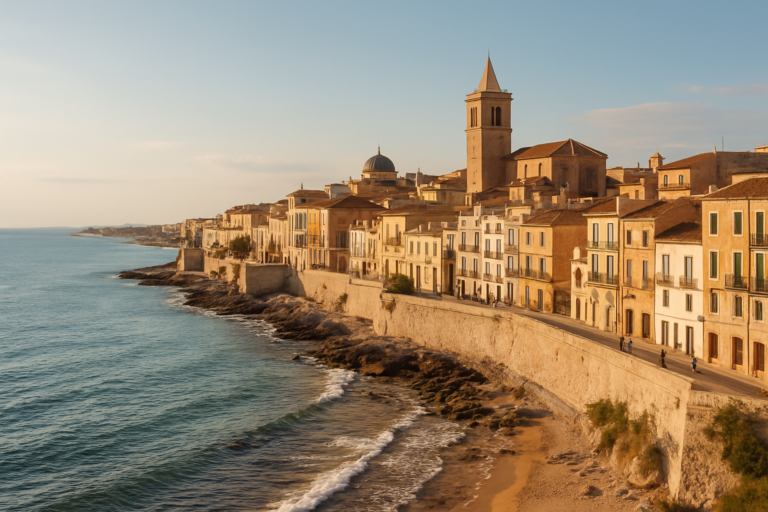
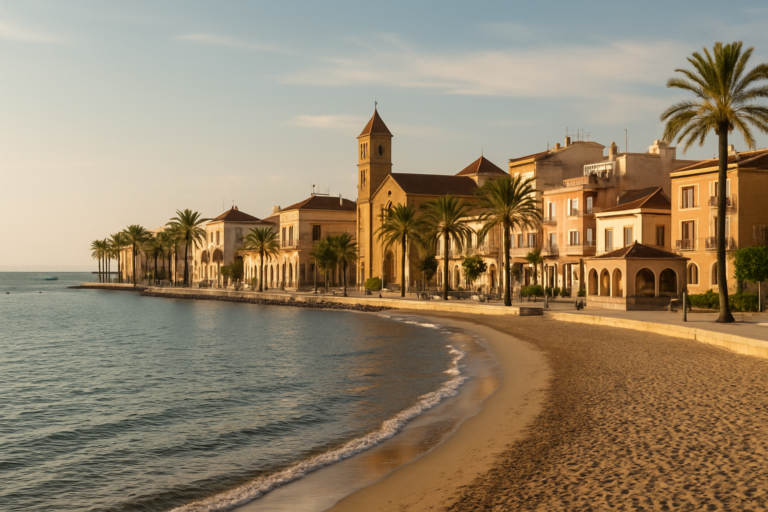
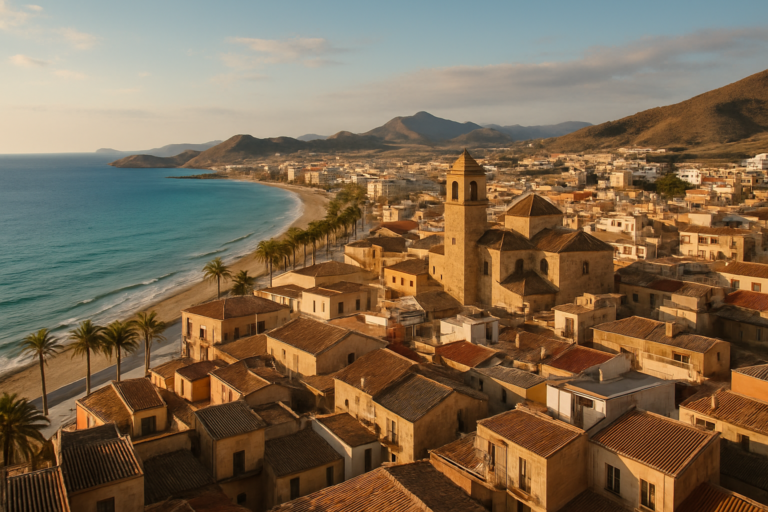
Nearby on the Costa Cálida
Mula on the map
How this page is maintained. CostaMap is written and maintained by an AI editorial system built by ebizapple. Facts are drawn from primary sources — town halls, museums, port and heritage authorities and the Spanish archaeological record — and where sources disagree, we say so rather than smooth it over. Photographs marked as ours are taken on location. This page was last reviewed on 11 August 2026. Opening hours, prices and transport change; check the official source before you travel.