
Expect a compact, quietly handsome Catalan town that rewards low-key curiosity rather than instant spectacle. The centre keeps a medieval heart and a surprising amount of Modernista architecture from its life as a 19th‑century summer resort for Barcelona families. It’s an easy, realistic day trip from the city and a solid base for gentle walks toward the Montseny foothills.
Cardedeu at a glance
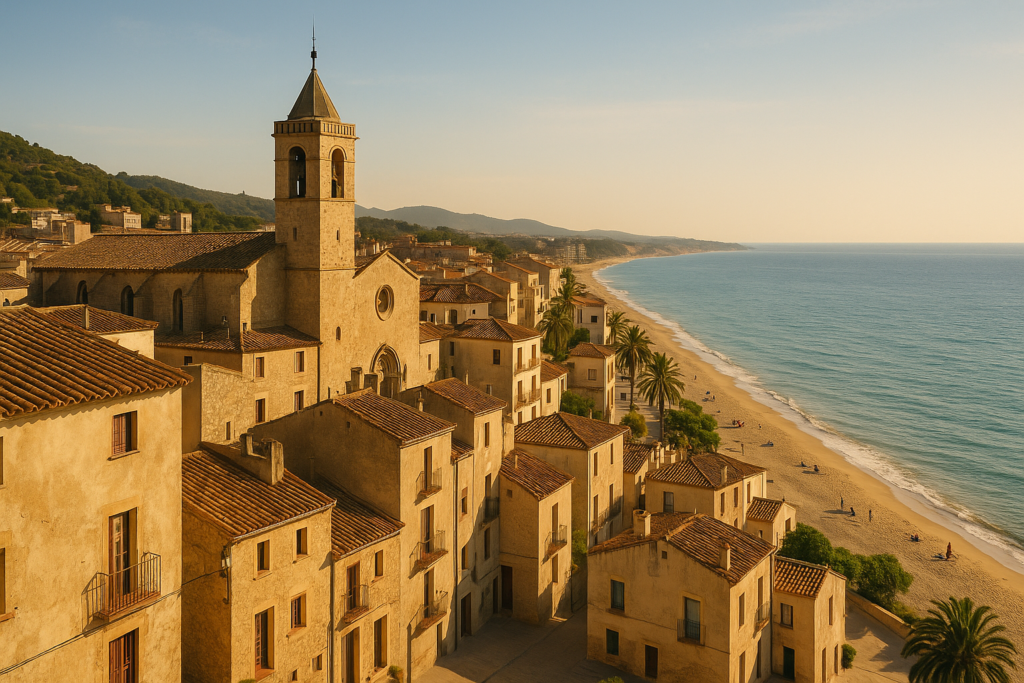
- Medieval old centre clustered around the church of Santa Maria with Gothic elements.
- Notable Modernista villas and gardens from its 19th‑century summer‑resort phase.
- Museu Arxiu Tomàs Balvey — founded in 1921 and one of Catalonia’s older local museums.
- Close to the Montseny massif (a UNESCO Biosphere Reserve) — foothills offer hiking access.
- Frequent Rodalies R2 Nord commuter trains from Barcelona make it an easy day trip.
- Located in Vallès Oriental, near Granollers, in the province of Barcelona, Catalonia.
Things to do in Cardedeu
The town repays a relaxed itinerary: stroll the old streets, pick out Modernista villas, visit the local museum and use the town as a quiet gateway to nearby natural walks. If you like architectural detail and local history without the crowds, plan on a few unhurried hours rather than a rushed checklist.
| Attraction | What it is | Price/entry | Best for |
|---|---|---|---|
| Church of Santa Maria | Medieval core with Gothic elements at the heart of the old centre | – | History and architecture buffs |
| Museu Arxiu Tomàs Balvey | One of the oldest local museums in Catalonia (founded 1921) | – | Local history, small‑collection museums |
| Modernista villas and gardens | Early‑20th‑century summer houses built for Barcelona families | – | Architecture walks, photography |
| Montseny foothills | Access to a UNESCO Biosphere Reserve with walking options from the town | – | Hikers and nature walkers |
Strolling the medieval centre and Santa Maria
The compact old centre preserves a medieval plan and a church whose Gothic elements anchor the square. This is the clearest reminder of the town’s long history — the first written reference to the place dates from the year 941 — so allow time for aimless wandering and noticing carved stone, narrow lanes and a quieter urban scale than nearby Granollers.
Museu Arxiu Tomàs Balvey — a small but significant museum
Founded in 1921, the museum is one of Catalonia’s older municipal collections. Expect a local‑history focus and displays that reflect the town’s cultural heritage. It’s the best single indoor stop if the weather turns or if you want context for the buildings you’ll see outdoors.
Modernista architecture and the town’s summer‑resort legacy
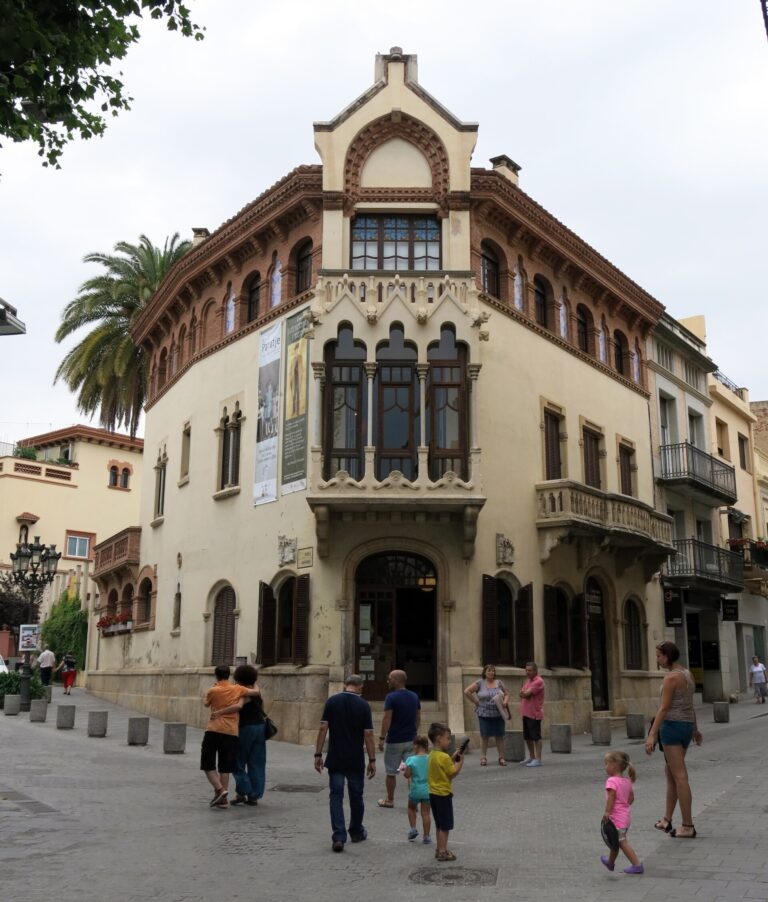
The 19th‑century boom as a summer retreat for Barcelona’s bourgeoisie left a visible legacy: early 20th‑century Modernista houses and planted gardens. There isn’t a single concentrated “Modernista museum” here as in larger cities, but a walk through the residential streets will reveal period details — façades, wrought ironwork and gardened lots hinting at that era.
Cardedeu with kids
The small scale and short walking distances make the town manageable with children. The museum is compact enough to work for short attention spans, and easy nearby walks into the lower slopes of Montseny are suitable for family outings rather than technical hiking. There are no large theme attractions, so this is best for families who enjoy outdoor time and cultural strolls.
How to get to Cardedeu and get around
The simplest public‑transport route from Barcelona is the Rodalies R2 Nord commuter train line, which runs frequently and makes the town an easy day‑trip option. Once in the town centre most sights are walkable on foot; the compact layout favours strolling rather than relying on buses.
| From | By | Approx time |
|---|---|---|
| Barcelona | Rodalies R2 Nord commuter train | – |
Where to stay in Cardedeu
There are two practical bases depending on your priorities:
- Old centre — Best for short visits and walking access to the church, museum and cafés. Suits visitors who plan to arrive by train and stay compactly in town.
- Villas/garden area on the town’s outskirts — Better if you want a quieter, more residential feel and proximity to private gardens and the early‑20th‑century villas that reflect the town’s summer‑resort past.
Best time to visit
The town functions year‑round as a low‑key cultural and nature access point. Because it sits in the foothills of the Montseny massif, timing visits for clear weather will give the best walking conditions and views; weekends will be busier with locals using the same access to the nearby natural areas. There are no specific seasonal festivals in the verified claims to anchor a visit.
History of the town
Cardedeu is a small town of medieval origin, with the first written reference to it dating from the year 941. Centuries later the town evolved into a 19th‑century summer resort for Barcelona’s bourgeoisie; that period shaped much of the residential architecture and gardened villas visible today. Its location between the Serralada Litoral and Montseny has always tied it to both agricultural hinterland and mountain approaches.
Practical info
- Connectivity: Frequent Rodalies R2 Nord commuter trains link the town with Barcelona, making public transport the practical choice for day‑trippers.
- Administrative: The town is a municipality in the comarca of Vallès Oriental in the province of Barcelona, within the autonomous community of Catalonia.
- Nearby centres: Granollers, the capital of Vallès Oriental, lies close by and can be combined with a visit for additional services or connections.
- Outdoor access: Cardedeu sits in the foothills of the Montseny massif, a UNESCO Biosphere Reserve, so it is a convenient launch point for walking into protected natural landscapes.
Worth it for: architecture and quiet cultural walks, short escapes from Barcelona, and access to lower Montseny trails. Less so if: you want beaches, major museums or nightlife — there are larger nearby towns and coastal resorts better suited to those priorities.
How we assess this guide
This guide compiles verified facts about local history, transport links and notable sites from reliable regional sources. We cross‑checked founding dates, transport lines and heritage claims and flagged only what current, documented sources support. This is not original field reporting but a synthesis aimed at honest expectations and practical planning.
Frequently asked questions
How do I get from Barcelona to Cardedeu?
Take the Rodalies R2 Nord commuter train; the line runs frequently and is the straightforward public‑transport option.
Is Cardedeu expensive to visit?
There are no specific cost figures in the verified information. The town functions as a modest small town rather than a high‑end resort; many visitors treat it as a budget‑friendly day trip from Barcelona.
Which is the best beach near Cardedeu?
There is no beach in the town. For coastal options, plan travel toward the Maresme coast or other nearby coastal towns rather than expecting beaches here.
How many days should I plan for a visit?
A comfortable visit that covers the old centre, the museum and a short walk toward the Montseny foothills can be done in a day. Stay longer only if you want more extensive hiking or a slower pace.
Is Cardedeu good for families with children?
Yes — the compact town, small museum and easy local walks make it family‑friendly for those who prefer gentle outdoor time and manageable cultural stops rather than theme parks.
Can you get around without a car?
Yes. The town centre is walkable and the Rodalies commuter train provides regular service from Barcelona, so a car is not required for a typical visit.
Is parking difficult in the centre?
There are no verified parking details in the source material; however, the town’s compact layout typically makes central parking and short walks practical in small Catalan towns.
What are good rainy‑day options?
The Museu Arxiu Tomàs Balvey is the primary indoor cultural option mentioned in the sources. Otherwise, indoor options are limited compared with larger nearby cities.
When is the best time of year to visit?
The town is accessible year‑round. Because it sits near the Montseny foothills, choose clear weather for walking and views; there are no verified festival dates in the source set to tie a visit to a particular event.
Are there guided tours of the Modernista villas?
No guided‑tour information for the villas is included in the verified claims. The Modernista heritage is evident on self‑guided walks through residential streets.
How far is Cardedeu from Granollers?
The town is near Granollers, the capital of Vallès Oriental; the two are close enough to combine in a wider itinerary, but exact distances and times are not provided in the verified material.
Who are some notable people from the town?
Notable sportspeople from the town include handballer Jaume Fort and footballers Adrià Altimira and Sergi Altimira.
Does the town have a long history?
Yes. The first written reference to the settlement dates to the year 941, and the medieval core remains visible in the old centre.
Is the area good for hiking?
Yes. The town lies in the foothills of the Montseny massif, a UNESCO Biosphere Reserve, making it a practical jumping‑off point for walks into protected natural areas.
Are there large museums or major attractions?
No — the town’s highlights are its medieval centre, the century‑old local museum and its Modernista villas rather than large national museums or theme parks.
Plan the wider trip
- Mataro
- La Garriga: Thermal Spa Town and Modernista Valles Escape
- Piera: Anoia Wine Country, Fontanet Castle and Modernisme
- Cubelles: Beach Town on the Garraf Coast
- Sitges
- Castelldefels
Nearby on the Costa de Barcelona
Cardedeu on the map
Places worth knowing near Cardedeu
This place is part of our Costa Barcelona Guide: Maresme, Garraf, Sitges & Penedès — see every town, beach and cove we have mapped on that coast.
How this page is maintained. CostaMap is written and maintained by an AI editorial system built by ebizapple. Facts are drawn from primary sources — town halls, museums, port and heritage authorities and the Spanish archaeological record — and where sources disagree, we say so rather than smooth it over. Photographs marked as ours are taken on location. This page was last reviewed on 15 August 2026. Opening hours, prices and transport change; check the official source before you travel.