
Small, agricultural and quietly proud of its traditions, Piera is not a theme-park or a coastal resort — it’s a working Catalan municipality with vineyards, a few striking historic buildings and a network of villages rather than one dense tourist centre. Expect a town where summer tourism lifts the local economy, light industry hums alongside farms, and the best visits are about slow exploration rather than packaged attractions.
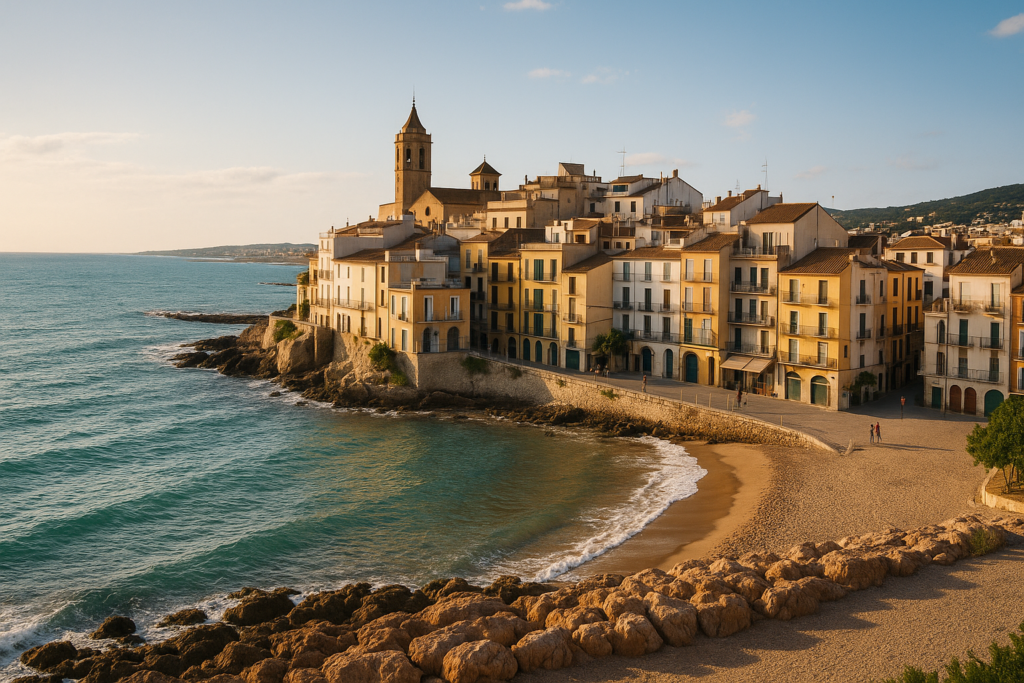
Piera at a glance
- Located in Anoia, on the left bank of the Anoia river; a mix of traditional villages and newer urbanisations.
- Served by FGC railway line R6 (Martorell/Barcelona — Igualada), making rail access straightforward.
- Local roads link the area with Capellades and Sant Sadurní d’Anoia.
- Economy: agriculture (cereals, grapes, olives, almonds), plus light industry (textiles, plastics, construction materials).
- Important summer tourism season that supports local services and businesses.
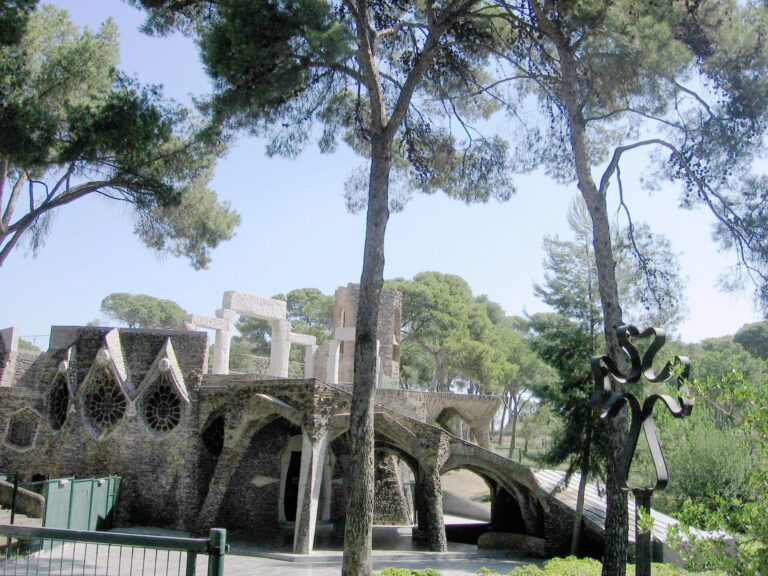
- Notable heritage: Santa Maria church (Gothic and Roman elements), Ca n’Aguilera modernist church, restored Fontanet castle.
- Municipality once declared itself a Free Catalan Territory (30 October 2012).
Things to do in the town
There are no blockbuster attractions that require long queues or advance bookings; most visits focus on a handful of historic buildings, wine-country walks, village strolls and using the town as a base for exploring Anoia. Below is a quick comparison of the main points of interest you’ll actually find on the ground.
| Attraction | What it is | Price/entry | Best for |
|---|---|---|---|
| Santa Maria church | Parish church with Gothic and Roman elements | – | Architecture, quiet contemplation |
| Ca n’Aguilera modernist church | Modernist church financed by Isabel de Viala d’Aiguavives; designed by Francesc Berenguer i Mestres | – | Modernisme enthusiasts, architectural photography |
| Fontanet castle | Historic castle restored in 1916 by Ramon de Viala d’Aiguavives | – | History buffs, castle lovers |
| Wine-country walks & village lanes | Vineyards and agricultural landscape surrounding the town | – | Walkers, scenic drives, summer visitors |
Santa Maria and historic centre
The parish church of Santa Maria is the clearest single monument representing the town’s layered past: both Gothic and Roman elements survive in the fabric. Strolling the older parts of the municipality reveals the pattern of a town built over centuries rather than a single tourist precinct.
Modernisme at Ca n’Aguilera
If you follow Catalan modernisme beyond the big-city highlights, the small modernist church at Ca n’Aguilera is a local curiosity. It was financed by Isabel de Viala d’Aiguavives and designed by Francesc Berenguer i Mestres, showing how regional patrons commissioned notable architecture even in smaller communities.
Fontanet castle and the Viala d’Aiguavives legacy
The castle of Fontanet was restored in 1916 by Ramon de Viala d’Aiguavives, Baron of Almenar. That restoration reflects a phase of regional historic revival and the imprint of a single family on multiple local landmarks. Exploring the castle exterior and the surrounding streets gives a sense of that historical continuity.
Piera with kids
This is a family-friendly area for low-key outings: easy village walks, routes through vineyards and short excursions to neighbouring towns. Summer tourism means seasonal activities and services are more likely to be available in the warmer months. There are no claims of large-scale family attractions, so plan for outdoor, self-directed activities rather than theme-park experiences.
How to get to Piera and get around
Rail and road are the practical options. The FGC R6 railway runs through the municipality on the Martorell/Barcelona — Igualada line, providing a public-transport spine. Local roads link the town to nearby Capellades and Sant Sadurní d’Anoia, which is useful if you’re driving or cycling between villages.
| From | By | Approx time |
|---|---|---|
| Barcelona (and Martorell) | FGC R6 regional rail | – |
| Capellades / Sant Sadurní d’Anoia | Local roads | – |
Where to stay
The municipality includes several outlying villages and newer urbanisations, so accommodation options are distributed rather than concentrated in a single historic core. Choose where to stay based on what you want from the trip:
- Older traditional settlements — best for atmosphere and proximity to historic buildings like Santa Maria and local lanes.
- Newer urbanisations — suit visitors who prefer more modern services and easier street layouts.
- Outskirts and rural lodgings — ideal for wine-country walks and a quieter stay in agricultural surroundings.
Best time to visit Piera
Seasonality matters here: the area sees a notable bump in activity during summer months when tourism supports local businesses. If you want the liveliest local scene, summer is the obvious choice; for quieter exploration, shoulder seasons are preferable.
| Season | Months | What to expect |
|---|---|---|
| Summer | June–August | Significant increase in tourists and seasonal services; busiest time |
| Shoulder seasons | Spring / Autumn | Quieter visits, easier village strolls and agricultural scenery |
History of the area
The municipality’s heritage is visible in its buildings and in the imprint of local families. The parish church of Santa Maria preserves Gothic and Roman elements that point to long-term settlement. In the early 20th century members of the Viala d’Aiguavives family left a visible mark: Isabel financed the modernist Ca n’Aguilera church, and Ramon de Viala d’Aiguavives restored the castle of Fontanet in 1916. More recently, in a symbolic political gesture, the town proclaimed itself a Free Catalan Territory on 30 October 2012.
Practical info
- Transport links: Rail — the FGC R6 line (Martorell/Barcelona — Igualada) runs through the municipality; Road — local roads connect to Capellades and Sant Sadurní d’Anoia.
- Local economy: expect a mix of agriculture (cereals, grapes, olives, almonds) and light industries such as textiles, plastics and construction materials.
- Tourist season: summer brings the most visitors and the greatest availability of seasonal services.
- Municipal structure: the area comprises several outlying villages alongside newer urban developments, which affects where services and accommodation are located.
- Twinning: the municipality is twinned with Estepa, Spain — a reminder of local cultural links.
Worth it for: visitors interested in small-town Catalan life, modernist architecture off the beaten track, casual wine-country walks and quiet historical exploration. Less so if: you want beaches, big museums, or a nightlife-focused holiday — those experiences lie outside the town and its immediate surroundings.
How we assess this guide
This guide compiles verified municipal and historical facts, transport links and economic notes from authoritative records. We cross-checked claims about buildings, transport and civic events and flag closures or major changes when sources indicate them. This is not field reporting; we synthesize public records and verified references to set realistic expectations for visitors.
Frequently asked questions
How can I reach the town from Barcelona?
Take the FGC R6 regional rail service that runs on the Martorell/Barcelona — Igualada line; it passes through the municipality.
Are there beaches nearby?
The municipality is inland in the comarca of Anoia and does not have coastal beaches within its boundaries.
Is the place expensive to visit?
There are no authoritative price-level claims in the sources used for this guide. The local economy is a mix of agriculture and light industry, and summer tourism is significant.
How many days should I plan?
A sensible short visit is one to two days to see the main churches, Fontanet castle and to take a few walks through the surrounding vineyards. Use additional days for relaxed exploration of outlying villages or day trips to neighbouring towns.
Is it a good place to visit with children?
Yes for low-key family outings: village walks, open-air exploration and seasonal activities in summer. There are no large-scale family attractions referenced in the sources, so plan for outdoor and self-directed activities.
Can I get around without a car?
Public transport is available via the FGC R6 line; local roads also connect to nearby towns. That makes it feasible to visit without a car, especially if you plan around rail connections and local services.
Is there parking in the town?
The sources provide road and rail connectivity but do not give specific parking locations or charges.
What are the main local industries?
Light industry (textiles, plastics and construction materials) operates alongside agriculture, which focuses on cereals, grapes, olives and almonds.
When is the busiest time to visit?
Summer is the high season: tourism during the summer months is significant for the local economy, so expect the most visitors and seasonal services then.
Which is the most notable historic building?
Several buildings stand out: the Santa Maria church (with Gothic and Roman elements), the modernist church at Ca n’Aguilera, and the castle of Fontanet, restored in 1916.
What is Ca n’Aguilera?
Ca n’Aguilera is a modernist church in the municipality financed by Isabel de Viala d’Aiguavives and designed by Francesc Berenguer i Mestres.
Who restored Fontanet castle?
The castle of Fontanet was restored in 1916 by Ramon de Viala d’Aiguavives, Baron of Almenar.
Does the municipality include other villages?
Yes — the municipality includes several outlying villages, distinguished as older traditional settlements and newer urbanisations, so services and accommodation are spread across different population centres.
Does the town have any notable civic declarations?
In a symbolic political act, the municipality proclaimed itself a Free Catalan Territory on 30 October 2012.
Is the town twinned with another place?
Yes, the municipality is twinned with Estepa, Spain.
Plan the wider trip
- Sant Sadurni d’Anoia
- Vilanova i la Geltru
- Sitges
- Castelldefels
- Cubelles
- Cardedeu: Modernista Valles Town near the Montseny
Nearby on the Costa de Barcelona
Piera on the map
Places worth knowing near Piera

This place is part of our Costa Barcelona Guide: Maresme, Garraf, Sitges & Penedès — see every town, beach and cove we have mapped on that coast.
How this page is maintained. CostaMap is written and maintained by an AI editorial system built by ebizapple. Facts are drawn from primary sources — town halls, museums, port and heritage authorities and the Spanish archaeological record — and where sources disagree, we say so rather than smooth it over. Photographs marked as ours are taken on location. This page was last reviewed on 15 August 2026. Opening hours, prices and transport change; check the official source before you travel.