
Expect a small, low‑key Catalan town rather than a coast-to-coast tourist hub. Santpedor offers a compact medieval centre, honest local food rooted in the Bages interior and easy road access to bigger sights; it’s best as a quiet base or a short cultural stop rather than a multi‑day destination on its own. If you arrive expecting postcard beaches and sightseeing crowds you’ll be disappointed — arrive wanting calm streets, Catalan traditions and proximity to Montserrat, and you’ll get what the town does well.
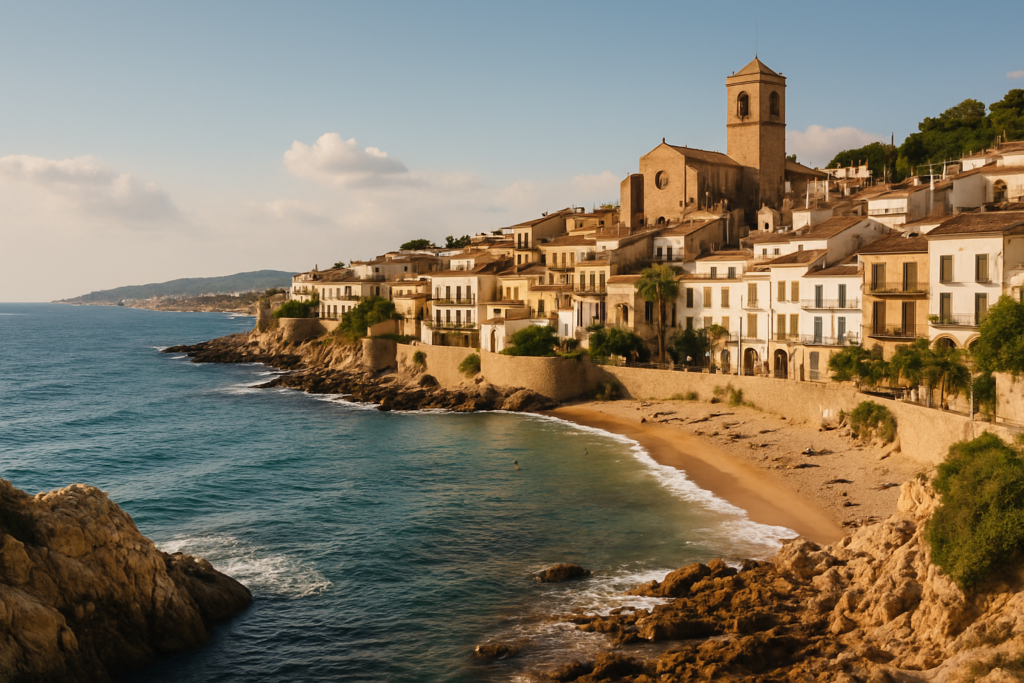
Santpedor at a glance
- Small historic town in Bages, about 8 km north of Manresa and roughly an hour inland from Barcelona.
- Medieval old town with remains of walls, narrow arcaded streets and a central Plaça Gran.
- Gothic parish church of Sant Pere dominates the centre and gives the town its name.
- Quiet inland setting on the agricultural Bages plain, linked to local cereal farming and nearby Bages DO and cava production.
- Easy road connections via the C‑16/C‑25 axes; makes a practical base for Montserrat day trips.
- Local calendar marked by Festa Major and traditional Catalan events — sardana dancing and correfocs are regular highlights.
- Small cultural scene includes Espai Sant Francés, a restored former church used for exhibitions and events.
Things to do in the town
Santpedor’s strengths are compact and walkable: a medieval core to stroll, a Gothic church to inspect, a small contemporary cultural venue and green heritage routes on the plain. Most visits are short — a half‑day or day — but the town also works as a quiet overnight base for the surrounding comarca and for day trips to Montserrat or Manresa.
| Attraction | What it is | Price/entry | Best for |
|---|---|---|---|
| Plaça Gran & old town | Medieval layout, narrow arcaded streets and remains of town walls | – | Strolling, photography, cafés |
| Parish church of Sant Pere | Gothic parish church with later additions; town’s namesake | – | Architecture, local history |
| Espai Sant Francés | Restored deconsecrated church used for exhibitions and cultural events | – | Contemporary local culture, temporary shows |
| Parc de la Sèquia & the Sèquia irrigation route | Green corridor and medieval irrigation heritage route linking Balsareny to Manresa | – | Walking, heritage interest, easy outdoor time |
| Montserrat (day trip) | Dramatic massif and monastery within easy day‑trip reach | – | Mountains, pilgrimage, panoramic views |
The medieval centre and Plaça Gran
Start in the Plaça Gran and follow the narrow arcaded streets that radiate from the square. The town preserves a medieval layout and visible fragments of its old walls; the arcades and intimate lanes are best experienced on foot, when local shops and cafés become visible. There is no need to rush — this is a place designed for quiet exploration rather than forced ticking of highlights.
Parish church of Sant Pere
The Gothic parish church dominates the centre and is the architectural anchor of town life. It gives Santpedor its name and is worth a measured visit to appreciate the Gothic structure and the later alterations. The church’s presence explains the historic settlement pattern: civic life clustered around the ecclesiastical core.
Espai Sant Francés and local culture
Culture in Santpedor is small scale but sincere. The former church of Sant Francés — now Espai Sant Francés — has been restored as a space for exhibitions and events. If your visit lines up with programming you’ll find rotating exhibitions and local cultural activity; otherwise the building itself is a good example of reuse of religious architecture for community purposes.
Parc de la Sèquia and the irrigation heritage
The town sits close to the Parc de la Sèquia and the Sèquia irrigation route, a medieval canal route that links Balsareny to Manresa. This heritage corridor is both a greenbelt for local recreation and a reminder of the agricultural systems that shaped the Bages plain. Walks here are straightforward and informative if you want a less urban perspective on the area.
Day trips: Montserrat and Manresa
One of the practical advantages of staying here is proximity to two major regional draws. The dramatic Montserrat massif and monastery are within easy day‑trip reach and reward early starts with solitude on the mountain paths. Nearby Manresa offers larger churches and Ignatian sites — notably the Gothic Basilica of Santa Maria de la Seu and the Cova de Sant Ignasi—so combining the town with a half‑day in Manresa is a natural itinerary.
Santpedor with kids
Families will find Santpedor relaxed rather than hyper‑themed. The town’s compact centre means short walks between sights and a safe feel for children to roam in daylight. Outdoor options include gentle walks along the Parc de la Sèquia and open squares where kids can run. There aren’t big amusement attractions in town, so this works best for families who enjoy low‑pressure cultural visits, local markets and nearby nature rather than a theme‑park day out.
How to get to Santpedor and get around
The town is primarily reached by road. It sits on the agricultural plain with good connections to the regional road network, which makes it a practical stop on a self‑drive itinerary or a short hop from nearby urban centres. Once in the town, everything in the centre is walkable; a car is useful only if you plan frequent excursions into rural Bages or to mountain trails outside the town.
| From | By | Approx time |
|---|---|---|
| Barcelona | Road (via regional axes C‑16/C‑25) | Roughly an hour |
| Manresa | Road | – |
Where to stay
Accommodation options are limited compared with large towns, so choices cluster by character rather than star ratings. Pick an area based on what you plan to do.
- Old town / Plaça Gran: Best if you want to be in the heart of the medieval streets, close to cafés and the parish church.
- Near Parc de la Sèquia: Practical for families or anyone wanting easy outdoor walks and a quieter edge-of-town feel.
- Outskirts / approaching Manresa: Useful if you plan to commute frequently to the larger city or use this as a base for day trips to Montserrat and the broader Bages area.
Best time to visit Santpedor
There’s no single perfect month — timing depends on whether you want festivals, fresh‑foraged food or clearer mountain weather for day trips. The town’s Festa Major and traditional Catalan celebrations are high points: if you can coincide your trip with those dates you’ll see sardana dancing and correfocs, events that bring out strong local character.
| Season | Months | What to expect |
|---|---|---|
| Spring | March–May | Milder weather, good for walking and combining with Montserrat visits |
| Summer | June–August | Warmer days; town is quieter than coastal resorts but expect higher temperatures |
| Autumn | September–November | Local gastronomy features wild mushrooms; pleasant for food‑led visits |
| Winter | December–February | Quiet town life; good if you prefer calm streets and lower seasonal activity |
History of the town
The town’s origin and layout are visibly medieval. The old town’s medieval street plan, remains of defensive walls and a central Plaça Gran all reflect a settlement shaped in the Middle Ages. The Gothic parish church of Sant Pere — later updated with subsequent additions — anchors the historic centre and explains the town’s longstanding civic and spiritual focus. Agricultural life on the surrounding Bages plain, with its cereal fields and later connections to Bages DO wine and cava production, frames the town’s rural economy and cultural traditions.
Practical info
- Parking: As a small inland town Santpedor has local street parking; the compact centre makes short walks from parking convenient.
- Costs: Expect generally lower prices than Catalonia’s busy coastal resorts; the inland setting brings more affordable local services and dining in many cases.
- Connectivity: Well connected by road to Manresa and the C‑16/C‑25 axes; this makes access to Barcelona, Montserrat and the Pyrenean foothills straightforward by car.
- Accessibility: The historic centre has narrow arcaded streets and medieval pavement in places, which can be uneven — manageable for most but note this if mobility is limited.
- Food & drink: Local gastronomy reflects Catalan interior cuisine — autumn menus often feature wild mushrooms, and staples include coques (flatbreads) and hearty stews.
Worth it for: travellers seeking a quiet, authentic Catalan small‑town atmosphere, easy access to Montserrat and Manresa, local festivals and a compact medieval centre. Less so if: you want beaches, wide tourist infrastructure or a town with large museums and nightlife—Santpedor is small and low‑key.
How we assess this guide
We cross‑checked town features, cultural events and transport links against multiple authoritative sources. We flag closures and repurposed buildings when relevant; for Santpedor we note the restored Espai Sant Francés and traditional festival activity. This guide synthesises verifiable claims about the town’s history, layout, gastronomy and connections rather than relying on a single source or unverified local anecdotes.
Frequently asked questions
How do I get from Barcelona to Santpedor?
By road: Santpedor lies roughly an hour inland from Barcelona using the regional road axes (C‑16/C‑25). Driving or a hired car is the most direct option; public transport options require changes in nearby hubs.
Is Santpedor expensive?
No — the town’s inland, small‑town setting generally delivers lower prices than busy coastal resorts. Dining and accommodation tend to be more affordable compared with seaside destinations.
Which is the best beach nearby?
Santpedor is inland and has no nearby beaches; the town is best paired with mountain and cultural trips rather than seaside days.
How many days should I plan here?
Most visitors spend a half‑day to a full day exploring the medieval centre and cultural sites. Use an extra night if you plan two day trips (for example Montserrat one day and Manresa or winery visits another day) or if you prefer a relaxed base.
Is the town good for families with children?
Yes for families who enjoy calm streets, short walks and outdoor time on heritage routes; there are no large theme parks, so it suits families looking for low‑pressure cultural and outdoor experiences.
Can I get around without a car?
Yes, within the town everything is walkable. For frequent excursions to Montserrat or dispersed rural sites in the Bages plain a car is more convenient; public transport to nearby centres like Manresa is the usual alternative for day‑trip planning.
Is parking easy in the centre?
The compact centre means parking near the town is straightforward, with local street parking and short walks into the Plaça Gran area. Expect some narrow streets typical of medieval layouts.
What should I do if it rains?
Seek indoor cultural activities such as exhibitions at Espai Sant Francés or spend time in cafés and restaurants tasting local Catalan interior cuisine—coques, stews and seasonal mushroom dishes are local specialties in autumn.
When is Festa Major and what happens?
Festa Major is the town’s main yearly celebration featuring traditional Catalan events; the calendar regularly includes sardana dancing and correfocs. Dates vary each year, so check current local listings before you travel.
Can I visit Montserrat from here in a day?
Yes. The dramatic Montserrat massif and monastery are within easy day‑trip reach from the town, making it a practical base for mountain visits.
Are there local food specialties to try?
Local gastronomy leans on Catalan interior cuisine. In autumn menus commonly feature wild mushrooms; coques (flatbreads) and hearty stews are typical year‑round offerings.
Is there any sports or famous local figure linked to the town?
The town is known as the birthplace of football manager Pep Guardiola (born 1971), a point of local pride that appears in municipal references.
Is Santpedor a good base for exploring the Bages wine region?
Yes — Santpedor sits on the Bages plain and is linked to the region’s grape growing and Bages DO wine production; it’s practical for combining low‑key town stays with nearby winery visits.
Where is the nearest larger town for services?
Manresa is the nearest larger town, about 8 km to the south; it offers larger churches, Ignatian pilgrimage sites and expanded services beyond what Santpedor provides.
Is the medieval town centre accessible for those with limited mobility?
The old town’s medieval pavements and narrow arcades are picturesque but include uneven surfaces. Most attractions are reachable, but mobility constraints should be considered due to historic street layouts.
Plan the wider trip
- Manresa
- Igualada
- Vic
- Vilanova i la Geltrú
- Barcelona
- Caldes de Montbui: Roman Thermal Spa Town near Barcelona
Nearby on the Costa de Barcelona
Santpedor on the map
This place is part of our Costa Barcelona Guide: Maresme, Garraf, Sitges & Penedès — see every town, beach and cove we have mapped on that coast.
How this page is maintained. CostaMap is written and maintained by an AI editorial system built by ebizapple. Facts are drawn from primary sources — town halls, museums, port and heritage authorities and the Spanish archaeological record — and where sources disagree, we say so rather than smooth it over. Photographs marked as ours are taken on location. This page was last reviewed on 15 August 2026. Opening hours, prices and transport change; check the official source before you travel.