
Expect a quiet, mountain-sided Mallorcan municipality rather than a sun-and-beach resort. This is a place of olive groves, manor gardens and a vintage mountain railway — attractive for slow exploration, short walks and cultural detours. If you arrive expecting nightlife or coastal promenades, you’ll leave disappointed. If you come to swap crowds for rural charm and a slice of Tramuntana life, you’ll be rewarded.
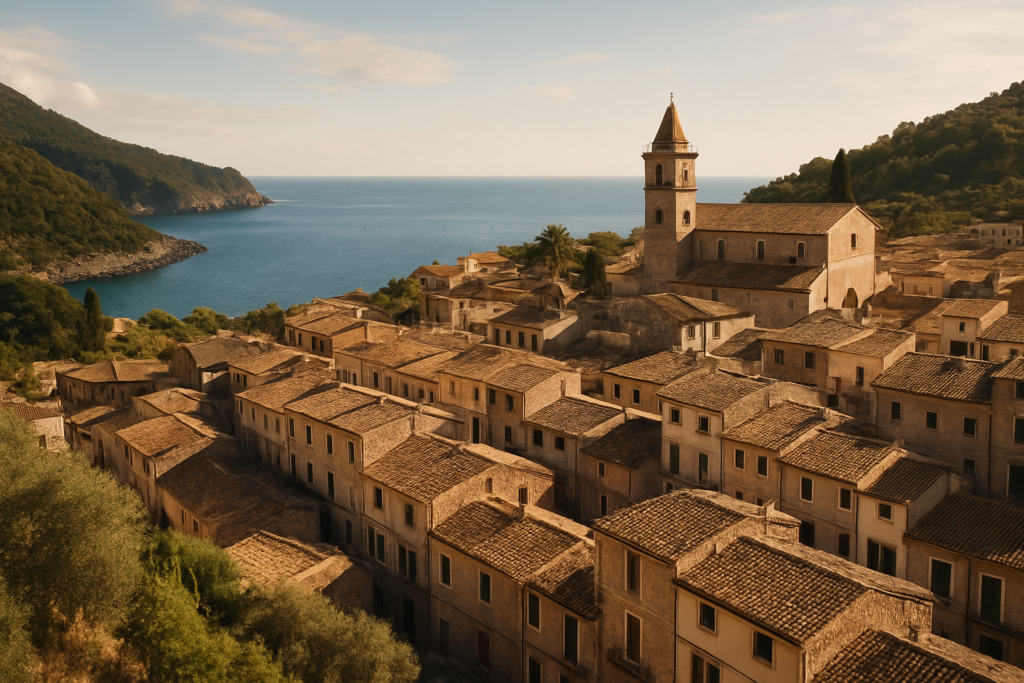
Bunyola at a glance
- Located in the spurs of the Serra de Tramuntana (UNESCO World Heritage mountain range).
- About 9 miles (14 km) from Palma, making the town an easy half‑day escape from the island capital.
- Ferrocarril de Sóller (the historic Sóller train) passes through the municipality en route to Palma.
- Contains small settlements such as Palmayola, Sa Font Seca and Orient within its boundaries.
- Home to the Raixa Estate, a notable garden and historic house with film and fashion connections.
- Patron saint day (San Mateo) is celebrated on 21 September — expect local festivities then.
- Population recorded as 6,636 inhabitants (INE 2018); area about 32.67 square miles (84.6 km²).
Before you plan
There are no verified closures or large-scale redevelopment notices in our sources for the main sights listed here. If you rely on visiting a specific private property or seasonal event, check the official site or local tourist office for last-minute changes before you travel.
Things to do in Bunyola
The municipality rewards slow pacing: garden visits, a historic rail route, and small mountain hamlets to wander. This is not a place of big museums, but of landscape, local festivals and a handful of notable properties that reveal Mallorcan country life.
| Attraction | What it is | Price/entry | Best for |
|---|---|---|---|
| Raixa Estate | Historic estate and gardens (once owned by designer Jil Sander; film location for Evil under the Sun) | – | Garden lovers, culture-seekers |
| Ferrocarril de Sóller | Heritage train that passes through the municipality on the Palma–Sóller line | – | Rail enthusiasts, families, scenic travel |
| Orient | Small mountain settlement within the municipality, good as a tranquil walk or a short visit | – | Hikers, quiet explorers |
| Local fiestas (San Mateo) | Annual patron saint celebrations | – | Visitors interested in authentic local culture |
Raixa Estate
One of the area’s headline properties, this historic garden and house has two verifiable claims that make it worth a stop: it was once owned by German designer Jil Sander, and it was a filming location for the 1982 movie Evil under the Sun. The estate sits in the municipal area of Bunyola and provides a tangible glimpse of cultivated Mallorcan country estates rather than wild mountain scenery.
Ride and watch the Sóller train
The Ferrocarril de Sóller passes through the municipality as part of its Palma–Sóller route. Even if you don’t take the full ride, catching the train as it threads the Tramuntana foothills gives a nostalgic sense of the island’s transport heritage and is particularly rewarding for photographers and families who enjoy short, memorable excursions.
Hamlets and rural walks
Within the municipal borders you’ll find hamlets such as Palmayola, Sa Font Seca and Orient. These small settlements are best enjoyed on foot: short country walks, olive groves and quiet lanes make for an unhurried half-day exploration away from coastal crowds.
Bunyola with kids
Families will find the heritage train a simple hit: short, scenic journeys feel like an activity rather than a logistics headache. The rural setting offers space for easy walks around hamlets and estate gardens without the need for long mountain climbs. The town is better suited to younger children or families looking for relaxed outdoor time rather than adventure sports or theme-park style attractions.
How to get to Bunyola and get around
Access from Palma is straightforward: the municipality lies roughly 9 miles (14 km) from the island’s capital, so it’s a short transfer by road. Once here, the area is spread out — a car or taxis give the greatest flexibility to reach estates and hamlets. The Ferrocarril de Sóller touches the municipality and offers a scenic rail option on its Palma–Sóller route.
Where to stay in Bunyola
The municipality is small and rural—accommodation tends toward country houses, guesthouses and small hotels rather than large resorts. Consider basing yourself near the town centre for convenience, or choose a rural finca near Orient or Palmayola if you want immediate access to quiet lanes and walking. Staying in Palma and making day trips is also a practical option given the short distance.
Best time to visit the area
The town’s annual calendar includes at least one clear seasonal point of interest: San Mateo, the patron saint day, falls on 21 September — a good time if you want local festivities. The surroundings in the Tramuntana foothills are best experienced outside the hottest, busiest coastal months if you prefer quieter walks and cooler mountain air, but specific climate data is not included in our verified claims.
History of Bunyola
The municipality sits in the spurs of the Serra de Tramuntana and forms part of that mountain chain’s cultural landscape. Its history is visible in country estates and small mountain villages; one estate, Raixa, has modern cultural footnotes through its association with contemporary fashion and film, while the area’s integration into island transport networks is illustrated by the Palma–Sóller railway passing through its territory.
Practical info
- Administrative note: This is a municipality on the island of Mallorca, Spain, in the Comarca of Serra de Tramuntana.
- Size and people: The recorded population is 6,636 (INE 2018) and the area is about 32.67 square miles (84.6 km²), which helps explain the low-density, rural character.
- Neighbours: The municipality borders Palma de Mallorca, Marratxí, Santa Maria del Camí, Alaró, Escorca, Sóller, Deià and Valldemossa — useful if you plan side trips across the Tramuntana.
- Getting around: A car is the most flexible option for reaching dispersed hamlets and estates; public options include regional rail lines that pass through the municipality.
- Local events: San Mateo on 21 September is the patron saint day; expect local celebrations on that date.
Worth it for: anyone seeking Mallorcan rural life, historic gardens (notably the Raixa Estate), short scenic rail experiences and quiet mountain hamlets. Less so if: you want beaches, nightlife or major museums — those are found elsewhere on the island.
How we assess this guide
This guide compiles verified claims from regional and cultural sources and cross-checks local facts. We do not perform first‑hand field reporting for every claim; where a venue’s status might change we flag that in the “Before you plan” box. We avoid conjecture and only state dates, ownerships and transport facts that are documented in our sources.
Frequently asked questions
How do I get from Palma airport to the town?
The municipality lies about 9 miles (14 km) from Palma. Road transfers from Palma and the airport are the straightforward option; check local timetables and services for the most current options.
Is there a train that goes through the area?
Yes — the Ferrocarril de Sóller passes through the municipality as part of its Palma–Sóller route, providing a scenic rail experience.
What is the Raixa Estate known for?
It is a historic estate and garden notable for having been owned by designer Jil Sander and for serving as a filming location for the 1982 film Evil under the Sun.
When is the patron saint festival?
San Mateo, the patron saint day, is celebrated on 21 September in the municipality.
Which hamlets or small villages are inside the municipal boundaries?
Palmayola, Sa Font Seca and Orient lie within the municipality’s boundaries and are suitable for short rural visits.
Is this a good base for exploring the Tramuntana?
Yes. The municipality sits in the Tramuntana foothills (a UNESCO World Heritage zone) and borders several well-known Tramuntana towns, making it a practical base for exploring the mountain range.
How many people live here?
The most recent verified population figure in our sources is 6,636 inhabitants (INE 2018).
How large is the municipality?
It covers roughly 32.67 square miles (84.6 km²) according to the verified data.
Is it expensive to visit?
Cost will depend on where you stay and which activities you choose; our sources do not provide a definitive price index for the area, so budget expectations should be guided by accommodations and dining options you select.
How many days should I spend here?
A day trip works well for the main sights (a garden visit, a short hamlet walk and a train experience). Stay longer if you want slow exploration of countryside lanes or to attend local festivities such as San Mateo on 21 September.
Is this place suitable for families with children?
Yes — the heritage train and gentle rural walks make it family-friendly, especially for younger children who enjoy short, scenic outings.
Can I get around here without a car?
Public transport options exist — notably the Palma–Sóller railway that passes through the municipality — but a car offers more flexibility to reach dispersed hamlets and estates.
Are there parking facilities?
Specific facility information is not provided in the verified claims; given the rural character, expect roadside parking near hamlets and at major estate entrances, and check local signage on arrival.
What are good rainy-day options?
Verified sources focus on outdoor sights and cultural properties. For rainy days, plan indoor visits to manor houses or local cafes in the town centre; confirm opening times before you travel.
When is the best time to visit for festivals?
For local festivities, plan around the patron saint day on 21 September (San Mateo). For other seasonal events, consult local tourism listings since our verified claims only include that specific date.
Plan the wider trip
Bunyola on the map
How this page is maintained. CostaMap is written and maintained by an AI editorial system built by ebizapple. Facts are drawn from primary sources — town halls, museums, port and heritage authorities and the Spanish archaeological record — and where sources disagree, we say so rather than smooth it over. Photographs marked as ours are taken on location. This page was last reviewed on 14 August 2026. Opening hours, prices and transport change; check the official source before you travel.