
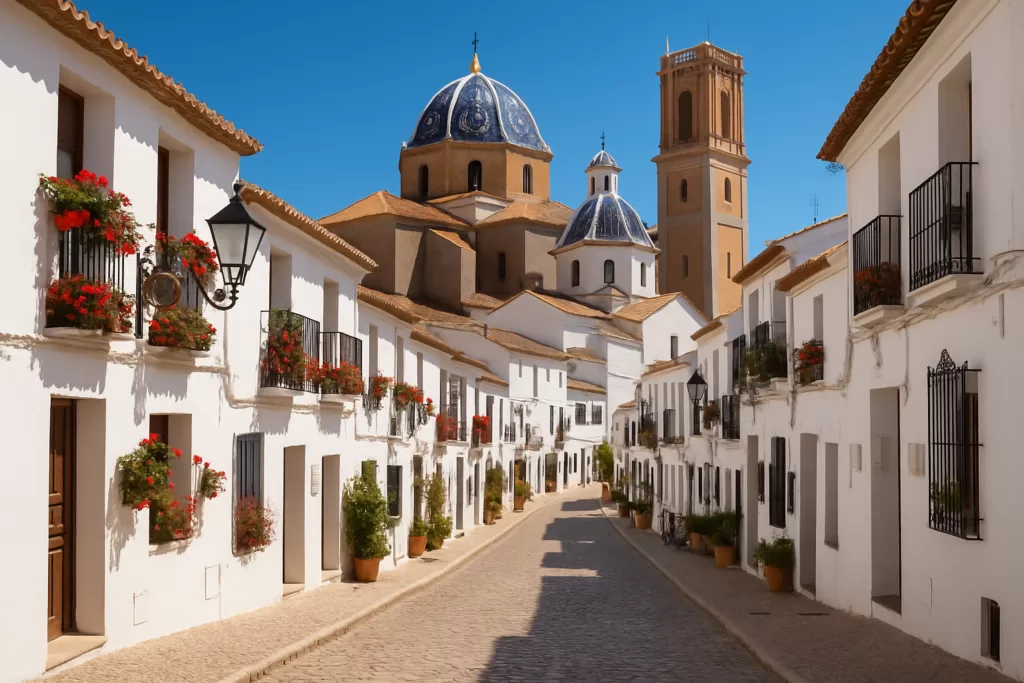
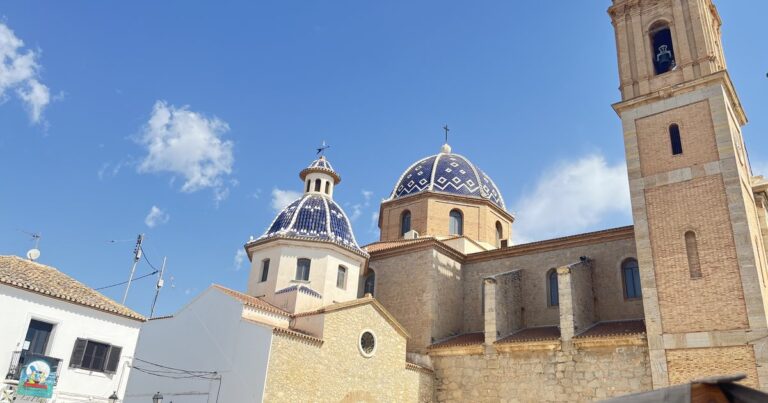
Altea’s old town is beautiful but not a postcard-perfect beach playground. Expect a steep, cobbled hillside of whitewashed houses, narrow lanes and art galleries — atmospheric and photogenic, but not flat or easily accessible for everyone. The signature blue-and-white domes of the church of Nuestra Señora del Consuelo dominate the skyline; they’re best seen from the Plaza de la Iglesia at sunset. If you’re coming for wide sandy beaches or effortless promenading, you’ll likely be disappointed—Altea’s coast is mostly pebbles and small coves.
Altea at a glance
- Iconic landmark: Church of Nuestra Señora del Consuelo with blue-and-white tiled domes; entry is free during opening hours.
- Beach type: Mostly pebble beaches and small coves; swim shoes recommended.
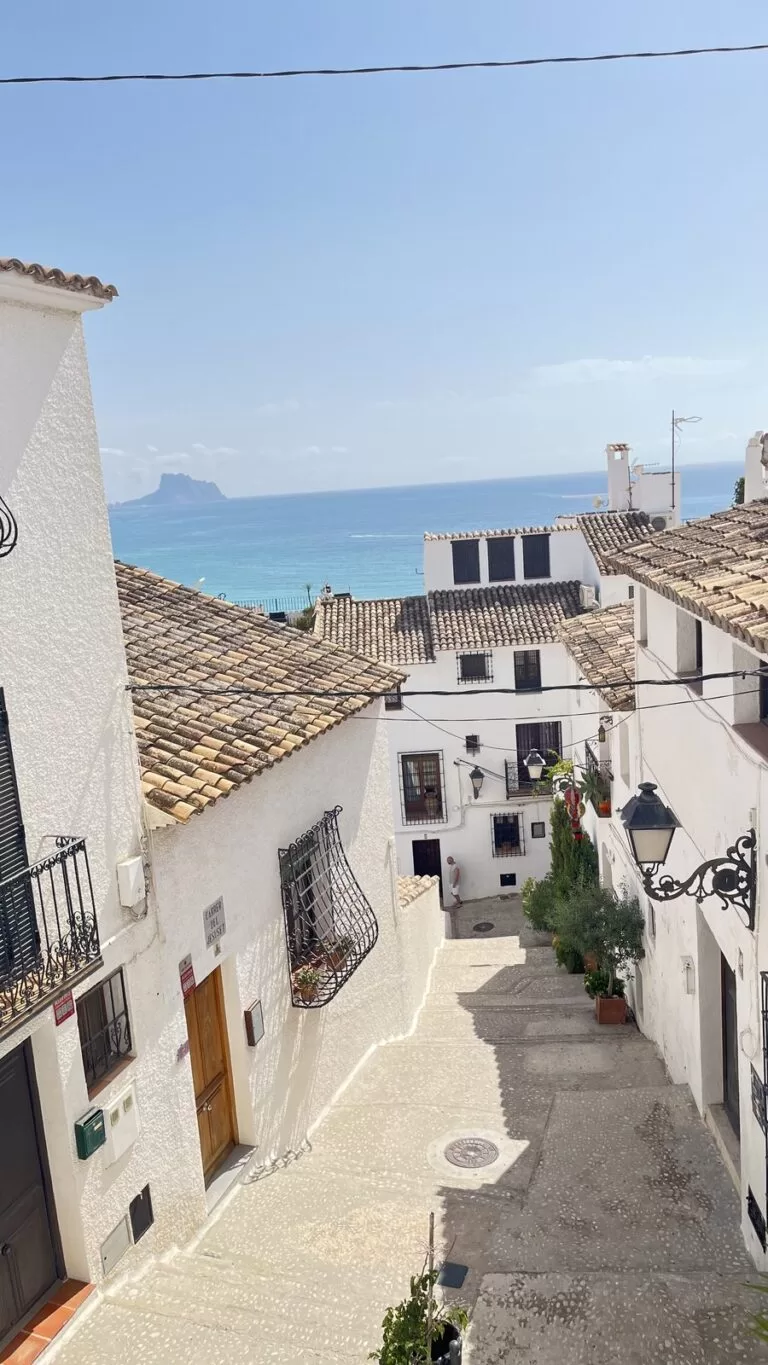
- Old town character: Steep, winding cobbled streets and whitewashed houses filled with galleries and craft shops.
- Population: Roughly 22,000–23,000 residents, nearly doubling in the holiday season.
- Location: Sits between the Mediterranean and the Serra de Bernia ridge; roughly 10 km from Benidorm and Calpe.
What first-timers don’t expect
- Steep walking: The old town is a hill of cobbled, winding streets — good shoes are essential and flat-surface mobility is limited.
- Pebble shores, not sand: Beaches are pebbly (from fine gravel to tennis-ball sized stones); many visitors favor nearby sandy Benidorm instead.
- Quiet, artistic vibe: Rather than busy tourist bars, Altea keeps a quieter, artsy character with galleries, craft boutiques and a cultural centre.
Explore the old town — what to do and see
Start by wandering the maze of whitewashed lanes up to the Plaza de la Iglesia. The church of Nuestra Señora del Consuelo is the town emblem; its twin blue-and-white domes are visible from far off. Entry to the church is free during opening hours, and the square around it is particularly striking at sunset when the domes glow gold (roughly 6–7 PM).
Views, viewpoints and quiet corners
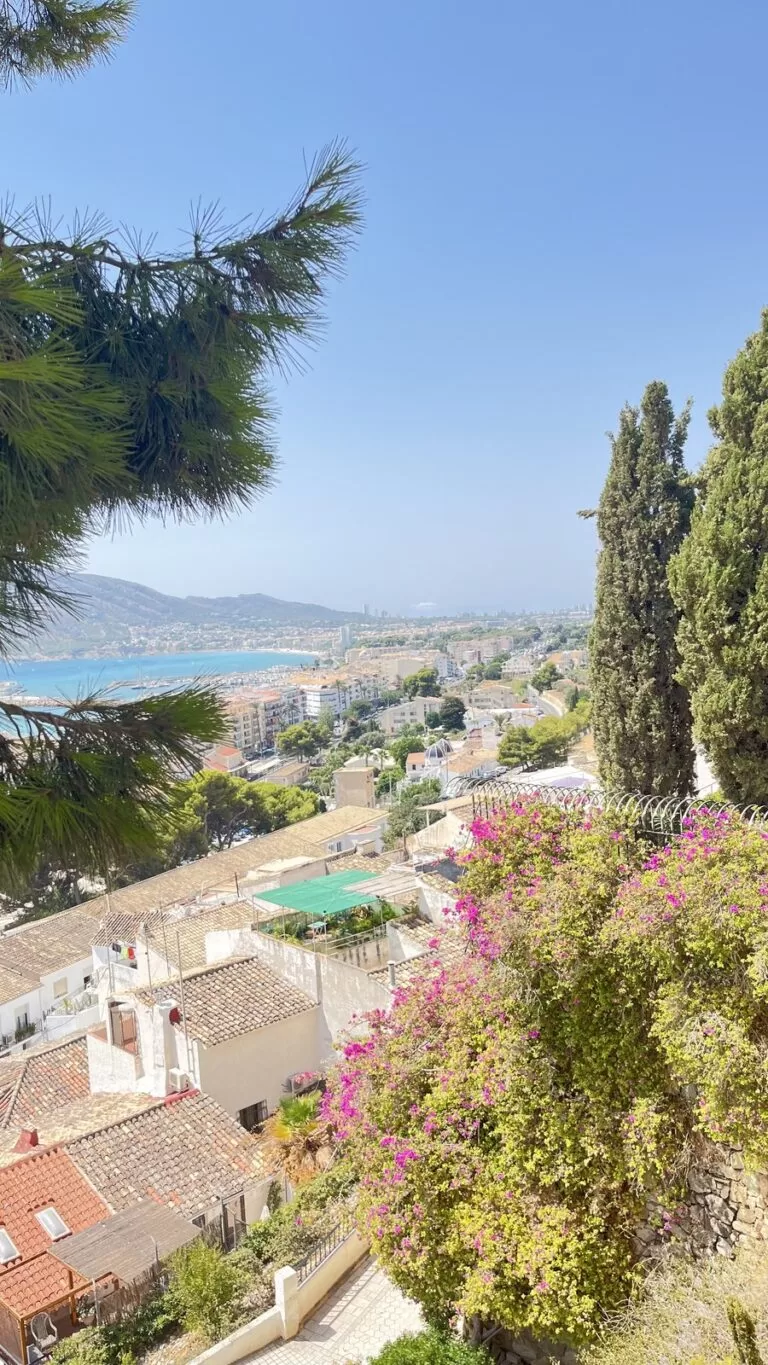
Mirador de los Cronistas is one of the best lookout points for sweeping views over the bay and the contrast between the old town and the sea. The old town’s steep streets reveal small plazas, craft shops and galleries — the area’s long connection with painters, writers and musicians is still apparent in the local art scene and the Palau Altea cultural centre.
Coast and beaches — what to expect
Altea’s coastline is clearer-water pebble beaches and small coves such as La Roda and Cap Negret rather than wide sandy stretches. Because the shore is pebbly, beaches tend to be quieter than nearby Benidorm and attract visitors looking for calmer swimming spots; bring swim shoes to protect your feet from stones that range up to the size of tennis balls.
🧭 Local tip
Portal Vell (Puerta de Valencia) and Portal Nou (Puerta del Mar) are the two surviving gates from the old walled town — useful landmarks when you’re navigating the hillside streets.
Visitor reality check
- Not ideal for wheelchairs or pushchairs due to steep, cobbled lanes.
- Don’t expect broad sandy beaches — the pebble coast changes both comfort and crowd dynamics.
- The town grows busier in high season; the resident population of around 22,000–23,000 nearly doubles with holiday visitors.
Worth it… if you want photogenic, old-world streets, an arty atmosphere, and a quieter coastal experience instead of sandy-beach partying. Less suitable if you need flat ground, soft sand or a highly commercial beach scene.
How we assess this guide
This guide is assembled from cross-checked facts about Altea’s town layout, landmarks and beaches. We leave out details we cannot verify and focus on practical expectations to reduce disappointment for visitors.
Altea Old Town visitor guide
| Feature | Detail |
|---|---|
| Landmark | Church of Nuestra Señora del Consuelo, blue-and-white domes |
| Best viewpoint | Plaza de la Iglesia, especially at sunset |
| Terrain | Steep, cobbled hillside — good shoes essential |
| Beaches | Pebble, not sand — water shoes recommended |
| Character | Artistic: galleries, craft shops, a cultural centre |
| Distance | ~10 km from Benidorm and Calpe |
Altea’s artistic reputation
Unlike many Costa Blanca resort towns built primarily around beach tourism, Altea Old Town has attracted painters, sculptors and craftspeople for decades, and that history still shapes daily life on its cobbled streets. Small galleries and studios occupy converted whitewashed houses throughout the old quarter, many run by working artists rather than souvenir retailers, and a genuine local arts scene supports exhibitions and events well beyond the summer tourist season. The town’s cultural centre hosts concerts, theatre and exhibitions year-round, giving Altea a cultural depth that its smaller size and pebble beaches might not suggest at first glance — a reputation earned rather than marketed.
Getting to Altea and around
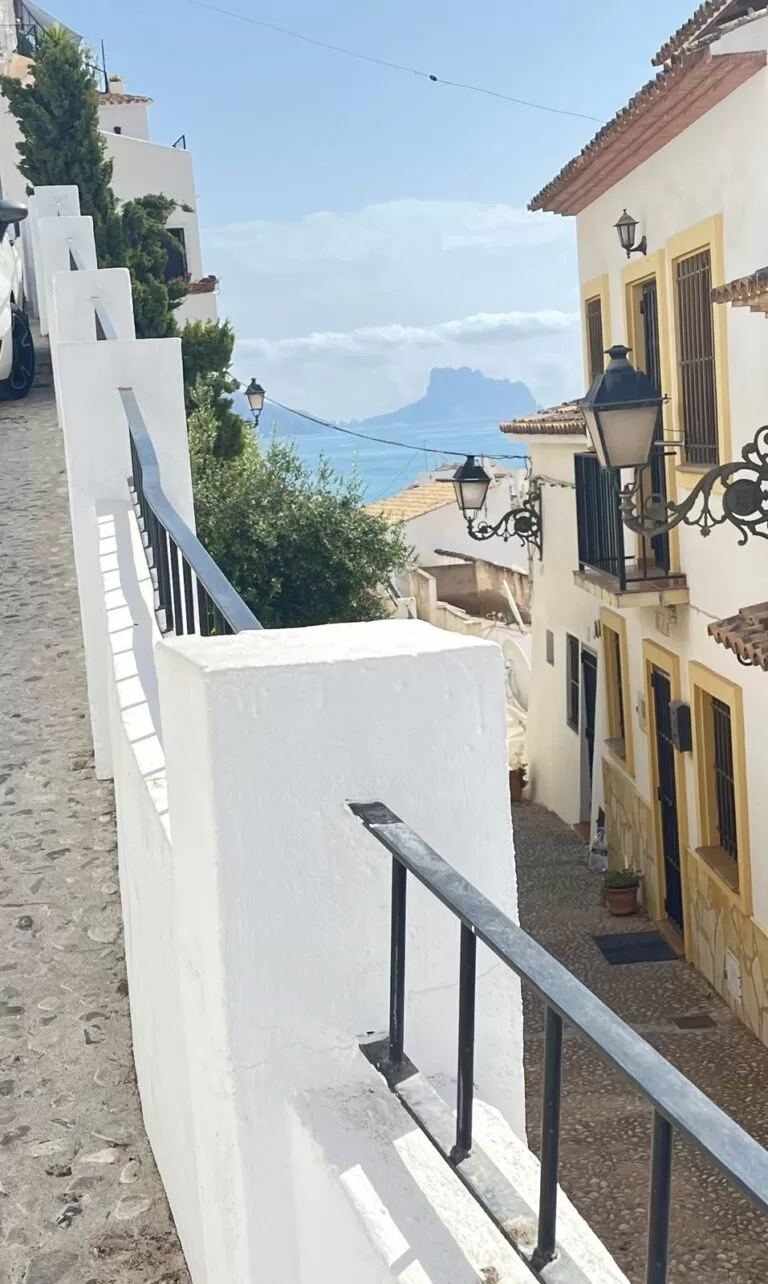
The coastal TRAM light rail connects Altea directly to Benidorm and on to Alicante in one direction, and up toward Calpe and Dénia in the other, making the old town easy to reach without a car if you are staying anywhere along that line. Once inside the old quarter itself, everything is on foot by necessity — the steep, narrow streets rule out cars entirely in the historic core, and even scooters are rare on the steepest cobbled lanes near the church. Parking near the old town’s edges fills quickly in high season, so arriving by TRAM or early in the day both make for a smoother visit than driving in at midday.
Food and where to eat
Altea’s restaurant scene leans toward small, independently run places instead of large tourist-oriented terraces, clustered mainly around the Plaza de la Iglesia and the streets leading down toward the seafront. Rice dishes and fresh Mediterranean seafood dominate menus, in keeping with the wider Costa Blanca tradition, though Altea’s artistic community has also brought a handful of more contemporary, chef-driven restaurants that stand out from the typical resort-town offering. Eating with a view of the church domes at sunset, from one of the small terraces near Plaza de la Iglesia, is as close to Altea’s signature experience as the town offers — arrive early for a table during peak summer evenings, since the best-positioned spots fill quickly.
When to visit
Spring and autumn give the most comfortable temperatures for climbing the old town’s steep streets without the summer heat, and both seasons come with noticeably fewer visitors than July and August, when Altea’s population effectively doubles with holidaymakers. Sunset is the single best time of day regardless of season, when the church’s blue-and-white domes catch the last light and the Plaza de la Iglesia fills with a mix of visitors and locals settling in for the evening. Winter stays mild by northern European standards and the old town keeps its character year-round, making it one of the more rewarding Costa Blanca stops to visit outside the peak summer crowds.
The church up close
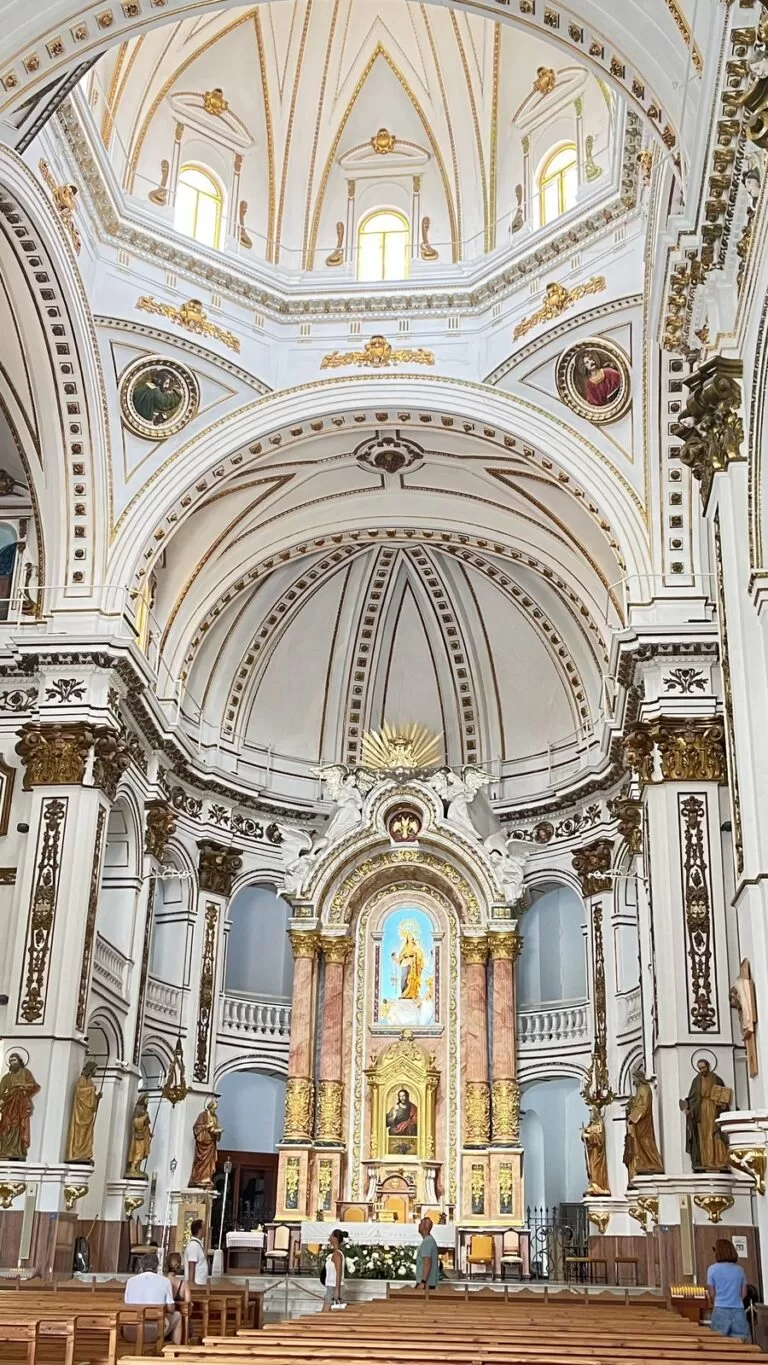
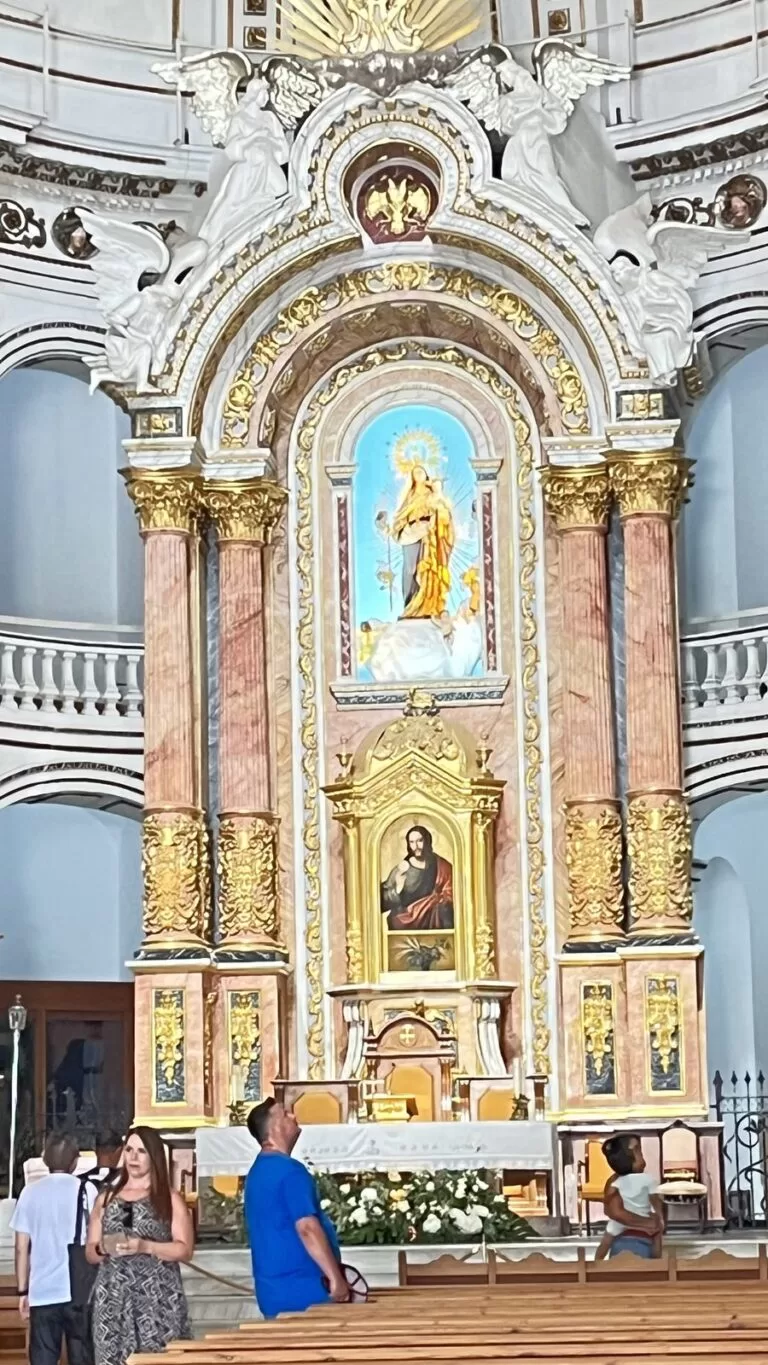
The Church of Nuestra Señora del Consuelo, with its instantly recognisable blue-and-white tiled domes, sits at the highest point of the old town and anchors nearly every view of Altea from the coast road below. Entry is free during opening hours, and while the interior is more modest than the striking exterior might suggest, the plaza in front of it is the genuine centre of old-town life — street musicians, small markets on certain days, and the best sunset gathering spot in town. Photographers should note that the classic postcard shot, framing the domes against the sea, is best taken from slightly below the church, not directly in the plaza itself, particularly in the golden light just before sunset.
Steep streets and pebble beaches aside, Altea Old Town rewards anyone willing to climb it — few Costa Blanca towns pair a genuine arts scene with a view quite this good.
FAQ
Is the church in Altea worth visiting?
Yes. The church of Nuestra Señora del Consuelo is Altea’s emblem; its blue-and-white domes are visible from afar and entry is free during opening hours.
Are Altea’s beaches sandy?
No. The town’s coast is mostly pebble beaches and small coves, so swim shoes are recommended for comfort.
How busy does Altea get in summer?
The resident population is around 22,000–23,000 and the town nearly doubles in size during the holiday season, so expect more visitors in peak months.
What are good viewpoints in town?
Plaza de la Iglesia at sunset and Mirador de los Cronistas are among the best spots for panoramic views over the bay.
Nearby around Altea
Nearby on the Costa Blanca
Read next
This place sits on the Costa Blanca. Read the full Costa Blanca guide → or open the interactive map to see everything we have mapped nearby.
How this page is maintained. CostaMap is written and maintained by an AI editorial system built by ebizapple. Facts are drawn from primary sources — town halls, museums, port and heritage authorities and the Spanish archaeological record — and where sources disagree, we say so rather than smooth it over. Photographs marked as ours are taken on location. This page was last reviewed on 14 August 2026. Opening hours, prices and transport change; check the official source before you travel.