
Expect a working Valencian town where history, agriculture and local sport shape daily life more than tourism. This is not a resort; it’s a municipality where pilota players, small clubs and citrus groves give the place its personality. If you arrive hoping for packed tourist infrastructure you’ll be disappointed — but if you want authentic local culture, short rural walks among groves and a chance to see sports unique to the region, this town rewards attentive visitors.
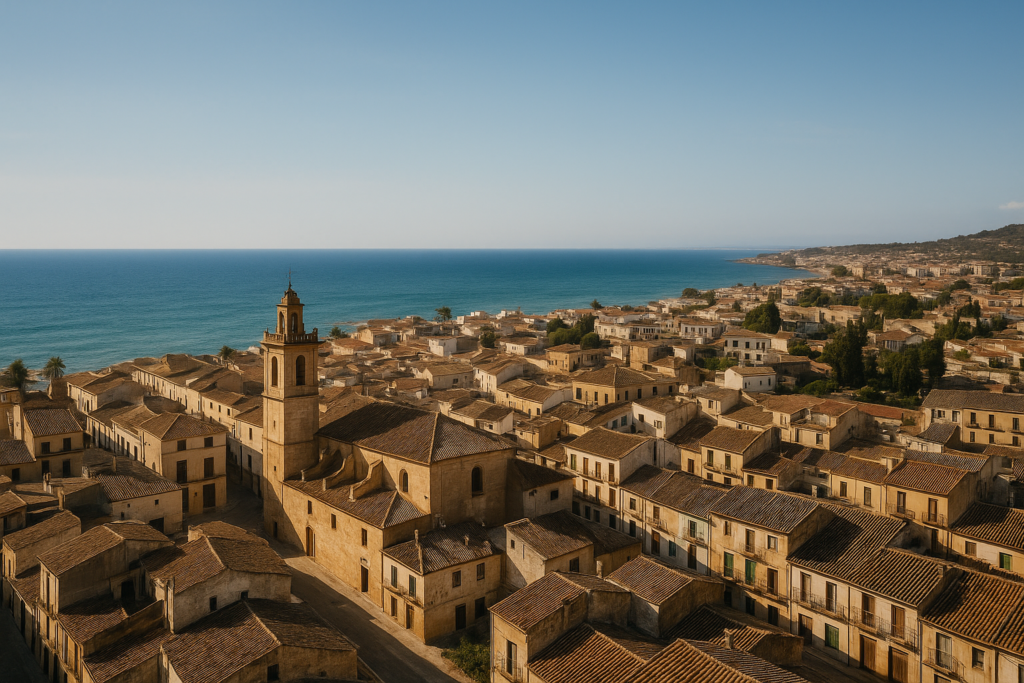
La Pobla de Vallbona at a glance
- Easy access from Valencia via the CV-35 highway and Valencia Metro line 1.
- Local sports scene includes a trinquet that is a stop on the Professional League tour for Valencian pilota.
- Traditional agriculture persists: oranges, mandarins, artichokes, onions and olives are cultivated here.
- Notable historic buildings include La Casa Bernal, La Casa Gran and several churches and hermitages.
- The municipality contains several smaller population centres such as Casa Blanca, Camp del Túria and Gallipont.
- The municipal shield dates back to the 19th century and has been used in its current official form since 1975.
- Local sport infrastructure supports football (Atlético Vallbonense) and a growing basketball club with a newly funded school.
Things to do in La Pobla de Vallbona
Plan a short stay focused on walking the agricultural landscape, watching local sport and visiting the town’s handful of historic monuments. Most activities are low-cost, community-centred and best enjoyed at a relaxed pace rather than as a packed itinerary.
| Attraction | What it is | Price/entry | Best for |
|---|---|---|---|
| La Pobla trinquet | Traditional Valencian pilota court; part of the Professional League tour | – | Sports fans, cultural curiosity |
| Ermita de Sant Sebastià | Historic hermitage and local landmark | – | Architecture and quiet reflection |
| Església Sant Jaume Apòstol | Main parish church with historic value | – | History buffs, religious architecture |
| La Casa Bernal & La Casa Gran | Notable historic houses in the urban core | – | Photographers and cultural walkers |
| Walks through the groves | Rural paths and farmland between olive and citrus fields | – | Walkers, nature lovers |
Watch a match at the trinquet
Valencian pilota is central to local sporting culture. The town’s trinquet is not a museum piece: it hosts matches and features on the Professional League tour. If your schedule lines up with a fixture you’ll see raspall — a variant particularly associated with the area — and local players who have made names for themselves here. Expect an intimate venue and an audience made up largely of residents rather than tourists.
Historic houses and churches
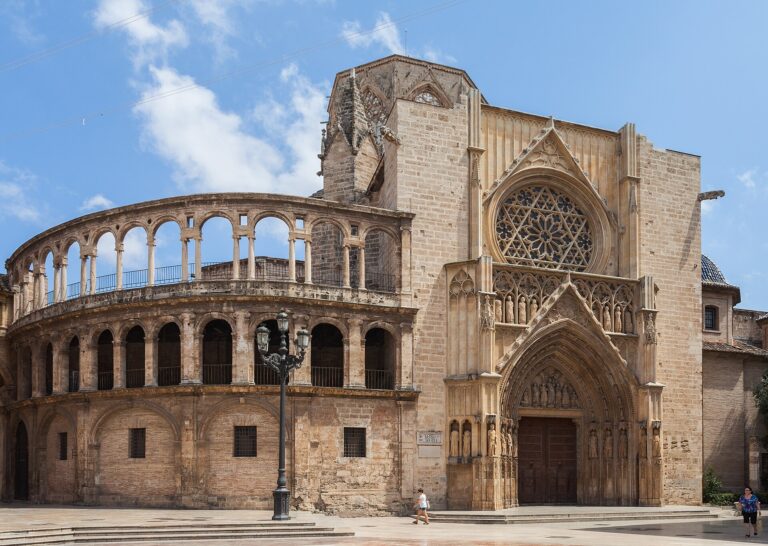
The urban core rewards a slow walk. La Casa Bernal and La Casa Gran are often singled out among local historic residences, while religious architecture such as the parish church of Sant Jaume Apòstol and the Església de la Santíssima Trinitat i Sant Josep offers insight into the town’s civic life. There are also hermitages such as the Ermita Mas de Tous and the Ermita de Sant Sebastià—good stops for quiet photos and local context.
Rural walks and agriculture
Fields around the town remain productive. You’ll pass groves and smallholdings growing oranges, mandarins, artichokes, onions and olives; new farmers have been credited with a revitalisation of local agriculture. These are straightforward, low-key walks—bring water and sensible shoes rather than expecting marked hiking trails.
Best beaches in the area
This municipality sits inland; there are no beaches here. For a sea day, plan a separate trip to the Valencian coast (Valencia city and nearby coastal towns are the nearest options).
La Pobla de Vallbona with kids
Families will find the town welcoming for short visits. The sport scene is kid-friendly: there’s a local football club (Atlético Vallbonense) and a basketball club that recently funded a school — both indicate active youth programmes. Children can enjoy watching pilota at the trinquet when matches are scheduled; the small scale of local venues makes sports visibility easy. Outdoor time is best structured as short farm-edge walks or playground stops rather than long wilderness hikes.
How to get to La Pobla de Vallbona and get around
Getting here is straightforward from Valencia thanks to both road and rail links. Within the municipality the most practical ways to move are by car, taxi or local buses where available; many visitors explore the centre on foot.
| From | By | Approx time |
|---|---|---|
| Valencia | CV-35 highway | – |
| Valencia (metro network) | Valencia Metro line 1 | – |
Where to stay
Accommodation is predominantly small and local; there is no concentrated resort strip. Consider these parts of the municipality depending on what you want to be close to:
- Urban core — best for proximity to historic houses, churches and local businesses.
- Casa Blanca / Camp del Túria area — convenient if you prefer a slightly outlying, quieter base while still within the municipality.
- Outlying hamlets like Gallipont or La Conarda — suitable if you want immediate access to agricultural landscapes and rural walks.
Best time to visit
There are no entries in the grounding about specific festivals or climate data for exact months. The town’s attractions are year-round: sport fixtures at the trinquet and matches for local clubs occur in season, and the agricultural landscape is accessible throughout the year. Plan around match schedules if seeing pilota is a priority.
History of the town
The municipality’s identity is visible in its symbols. A shield associated with the town was created in 1848 as a way to avoid fraud in documents, and the current official version has been in use since 1975. The shield is divided into three parts: it displays the four bars of Aragon to reference historical ties, three green trees symbolising local agriculture, and a blue field (a traditional sign of loyalty) topped with the Royal Crown. These emblems reflect the place’s agricultural roots and its historical connections across the region.
Practical info
Connectivity is a strong practical advantage: the CV-35 highway and Valencia’s Metro line 1 both provide direct access, making day trips from the city straightforward for those without local accommodation. The municipal area includes a number of smaller population centres (Casa Blanca, Camp del Túria, Gallipont, La Conarda, Pla dels Aljubs and Rascanya) so services may be concentrated in the urban core while surrounding hamlets are more rural. The local economy benefits from agriculture — you can expect groves and farms in the landscape rather than dense commercial services. The town supports organised sport through clubs in football, basketball and pilota; the presence of a basketball school points to expanding youth facilities.
Worth it for: visitors curious about Valencian rural life, traditional sport (especially pilota and raspall), short agricultural walks and quiet local architecture. Less so if: you want seaside holidays, extensive tourist infrastructure or a place with many guided sightseeing options.
How we assess this guide
We compiled this guide from cross-checked local and regional sources that document the town’s sports venues, monuments, agricultural profile and transport links. We flag fixtures and local institutions that are part of ongoing programmes (for example, the trinquet’s role on the Professional League tour and the locally active football and basketball clubs). This is not a first‑hand travel report; readers should check match schedules and local opening times before travelling.
Frequently asked questions
How do I get to La Pobla de Vallbona from Valencia?
The simplest ways documented are via the CV-35 highway by car or using Valencia’s Metro line 1. Choose the highway for driving and the metro for a public-transport option that links the municipality with the city network.
Is La Pobla de Vallbona expensive to visit?
There are no specific price points in the sources provided. The town is a working municipality rather than a tourist hotspot; expect local, modest prices for everyday services rather than premium tourist rates common on the coast.
Which beach is best near the town?
The municipality itself is inland and has no beaches. For a beach day you need to travel separately to the Valencian coast — Valencia city beaches are the nearest coastal option.
How many days should I spend here?
A day trip will cover the main highlights: a walk through the urban core to see historic houses and churches, a short rural walk among groves, and ideally attendance at a pilota match. Two days allow a more relaxed pace, time for a sports fixture plus exploring nearby hamlets.
Is La Pobla de Vallbona good for families?
Yes for short stays. The town supports youth sport via its football and basketball clubs (the latter with a recently funded school), and the trinquet provides a cultural sporting experience that’s suitable for children. Plan activities in short, accessible segments.
Can I get around without a car?
Yes. The area is connected to Valencia by Metro line 1, and local travel around the urban core is walkable. For hamlets and dispersed rural sites, taxis or arranged transport may be needed.
Is there parking available?
Specific parking details are not provided in the sources. Given the municipality’s mix of urban core and rural hamlets, expect on-street and small public parking rather than large multi-storey facilities.
What can I do on a rainy day?
Indoor options noted in the sources include visiting the town’s churches and historic houses. Sporting events at the trinquet or local club matches may offer covered viewing on their schedules.
When is pilota played here?
The town’s trinquet is a stop on the Professional League tour, so matches occur according to the pilota calendar and league schedule. Check fixtures before you travel to ensure a match is taking place.
Who are notable players from the town?
The area has produced prominent raspall players such as Héctor Coll Sebastià (Colau), reflecting a strong local tradition in this variant of Valencian pilota.
Which local clubs exist?
Sporting organisations documented include the football club Atlético Vallbonense and a growing basketball club that has invested in a school. These clubs indicate active grassroots sport in the municipality.
What crops are grown in the area?
Fields around the municipality produce oranges, mandarins, artichokes, onions and olives. Recent years have seen new farmers helping to revitalise local agriculture.
Does the town have multiple neighbourhoods?
Yes — besides the urban core the municipality includes smaller population centres such as Casa Blanca, Camp del Túria, Gallipont, La Conarda, Pla dels Aljubs and Rascanya.
Why does the shield matter?
The shield encapsulates the town’s identity: it includes the four bars of Aragon referencing historical ties, three green trees symbolising agricultural abundance, a blue field suggesting loyalty and the Royal Crown at the top. The emblem traces to 1848 and the contemporary version has been in official use since 1975.
Are there cultural festivals here?
There are no festival specifics in the provided sources. Local life is shaped by sports fixtures and civic traditions centred on churches and hermitages; check municipal listings or local notices for current event information.
Plan the wider trip
Nearby on the Costa de Valencia
La Pobla De Vallbona on the map
Places worth knowing near La Pobla De Vallbona
This place is part of our Costa de Valencia Guide: The City, the Albufera and Paella — see every town, beach and cove we have mapped on that coast.
How this page is maintained. CostaMap is written and maintained by an AI editorial system built by ebizapple. Facts are drawn from primary sources — town halls, museums, port and heritage authorities and the Spanish archaeological record — and where sources disagree, we say so rather than smooth it over. Photographs marked as ours are taken on location. This page was last reviewed on 14 August 2026. Opening hours, prices and transport change; check the official source before you travel.