
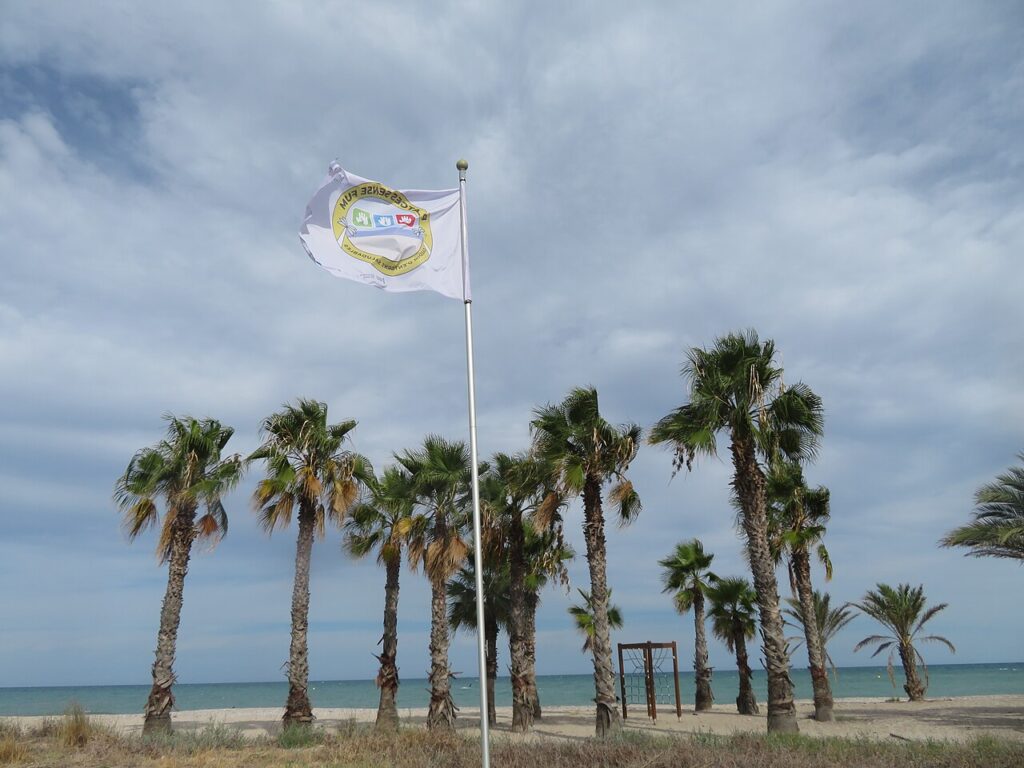
Almassora: Pla de la Torre Beach and the Millars River Mouth
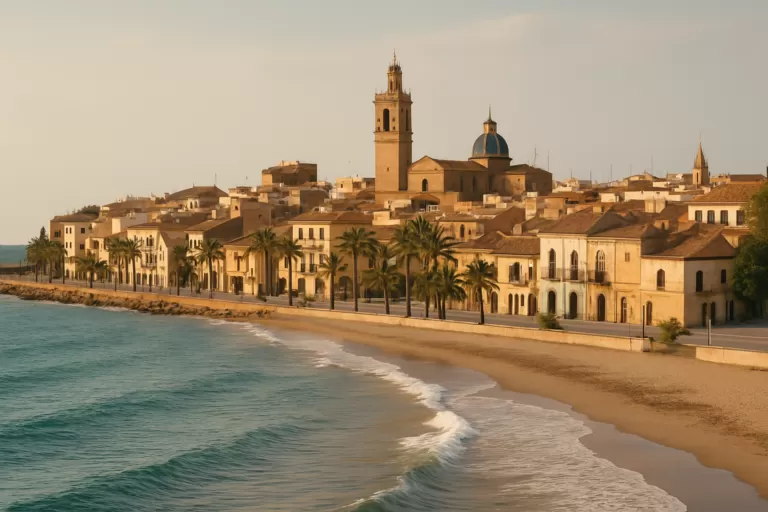
Almassora suits visitors who want a quiet beach base on the Costa Azahar, not a resort town. It has about 29,000 residents and sits where the Millars river (Mijares in Spanish) reaches the sea, with Pla de la Torre beach at the mouth. The town has a historic centre with remains of old defensive walls, and the bigger neighbour Vila-real is across the river. It is part of our Costa Azahar guide.
Quick facts
- Where: Almassora, province of Castellón, Valencian Community. Its coast is part of the Costa Azahar, the coastline of Castellón province.
- Residents: 29,159 (1 January 2025, INE).
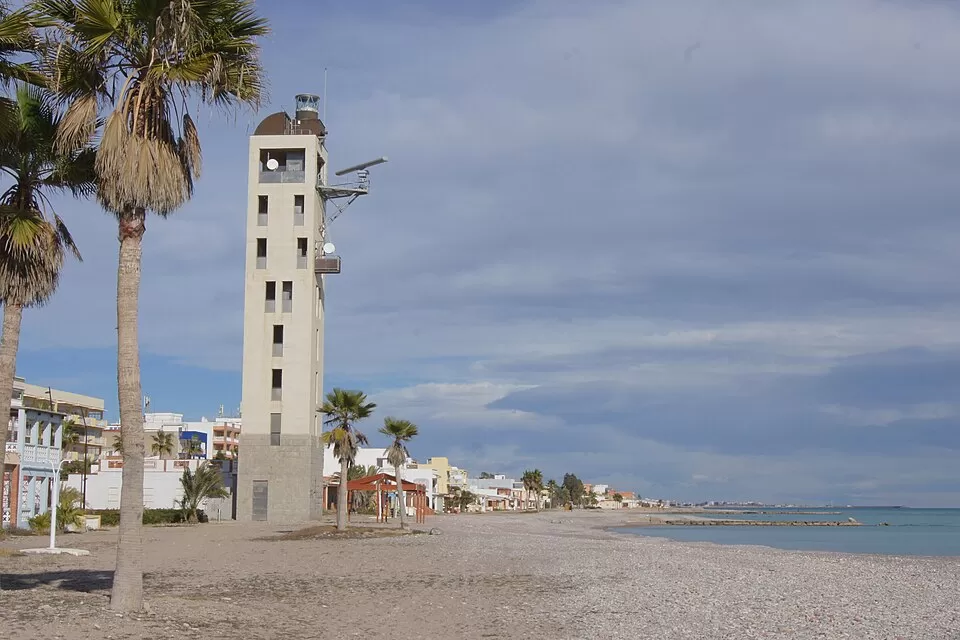
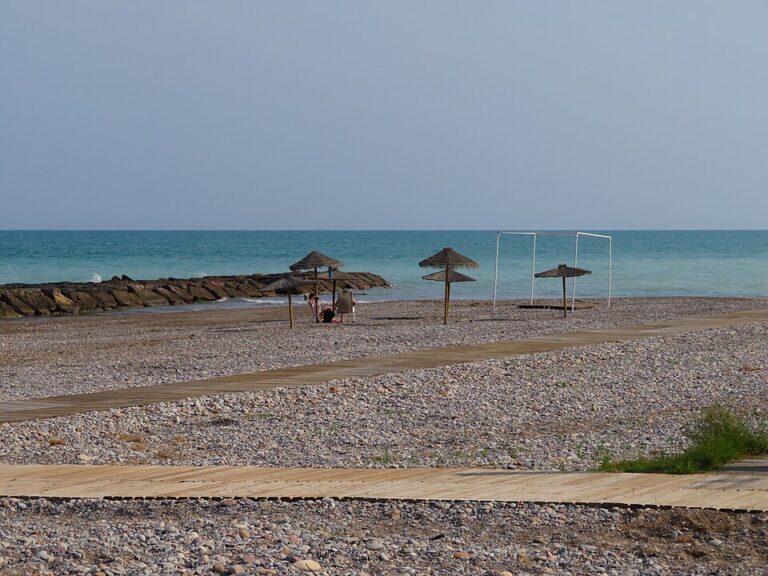
- Beach: yes. Pla de la Torre is 2,200 m long, with golden sand and pebbles, at the Millars river mouth.
- Airport: Castellón Airport sits in the centre of Castelló province, about an hour’s drive on dual carriageway from Valencia city.
- Sunshine: 2,755 hours a year at the Castelló-Almassora weather station (AEMET, 1981–2010 averages).
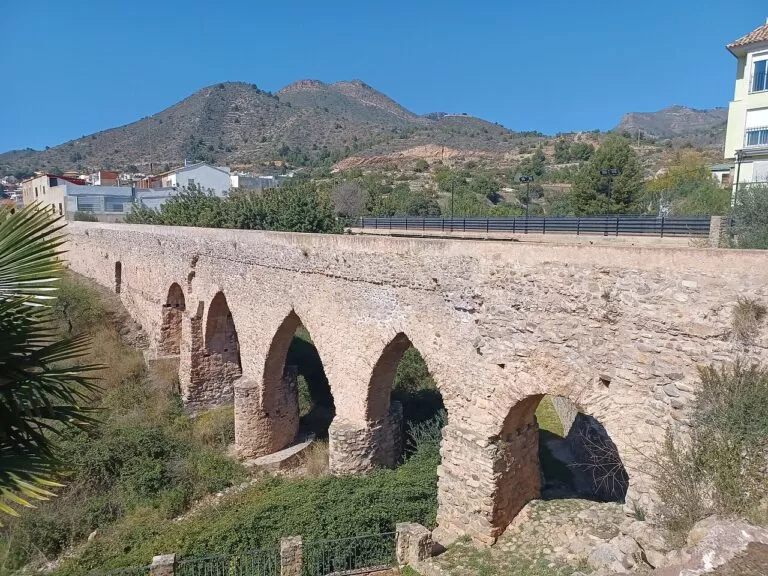
- Next door: Vila-real (Villarreal in Spanish), across the river by the Santa Quiteria bridge.
- Guide: our Costa Azahar guide covers the wider coast.
Almassora sur la carte
Plages, sites touristiques et villes voisines avec une page CostaMap. Cliquez sur un repère pour l'ouvrir, ou passez aux hébergements.
Where to base yourself
Almassora is a small coastal town, so the choice is less about neighbourhoods than about how close you want to be to the sea. Three options make sense.
Almassora town
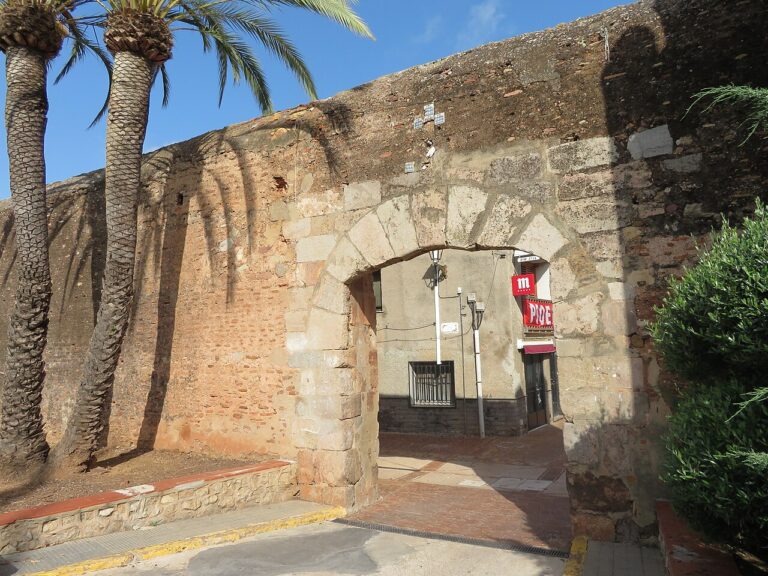
The regional tourist board dates the town’s foundation to the 13th century, and the historic centre keeps remains of defensive walls from the 17th and 18th centuries. It suits anyone who wants a quiet place to sleep and does not mind driving to the sand.
By the beaches
The town council’s beach information page covers Benafelí, Pla de la Torre and Les Goles del Millars. Staying near the river mouth suits a beach-first trip, with sand, a river walk and not much else in the evening.
Vila-real across the river
Vila-real sits on the other side of the Mijares, and the Santa Quiteria bridge joins the two towns. It suits visitors who want a larger base with more sights and a football stadium, and it is still a short hop to the same beaches.
À faire
The sights here are modest. Most of what is worth seeing is in the old centre, along the river, or in Vila-real.
The historic centre and its walls
The remains of the defensive walls date from the 17th and 18th centuries, according to the regional tourist board, which describes the historic centre as a walled area. It is a walk of streets and small squares rather than a single monument.
The Millars river mouth
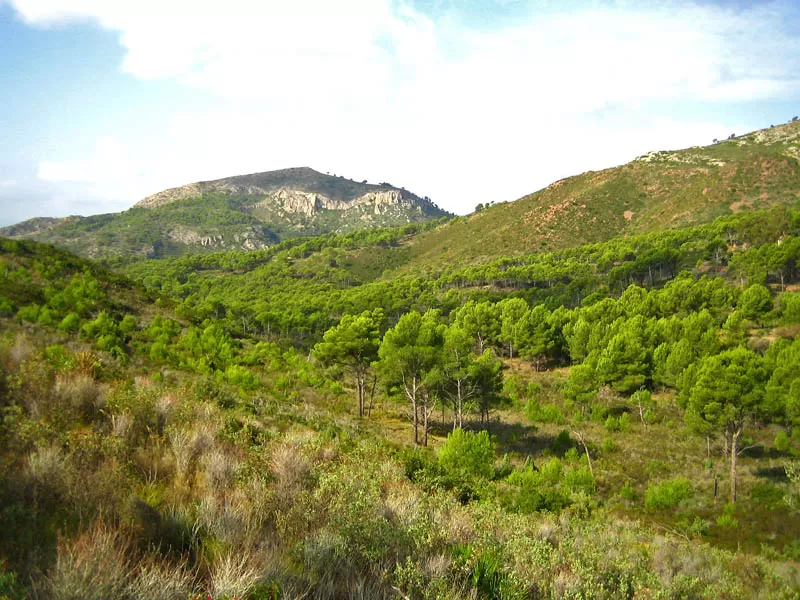
The regional tourist board describes a unique natural landscape not far from the coast, at the mouth of the Mijares. The council lists Les Goles del Millars as its third beach, a natural beach. It is a place for a walk along the shore rather than a town visit.
Vila-real’s churches and monastery
The San Jaime Apòstol church in Vila-real is an 18th-century Neoclassical building, and the town walls date from the 13th century. The San Pascual Bailón Monastery holds what the regional tourist board calls the world’s largest rolling bell, along with a carillon. Vila-real holds its San Pascual festival in May.
Castelló de la Plana’s tower
Castelló de la Plana, the provincial capital, has its own sights. The Gothic bell tower El Fadrí is a freestanding tower almost 60 metres high, next to the town’s Gothic co-cathedral. A spiral staircase of over 200 steps leads to the top, so it suits visitors who want the view more than a quiet stroll. The regional tourist board calls it a symbol of the city.
A football tour in Vila-real
Inmersión Villarreal combines the club museum with a guided tour of the Estadio de la Cerámica. The tour lasts about 1 hour 45 minutes and is offered in Spanish, Valencian and English.
Beaches and places nearby
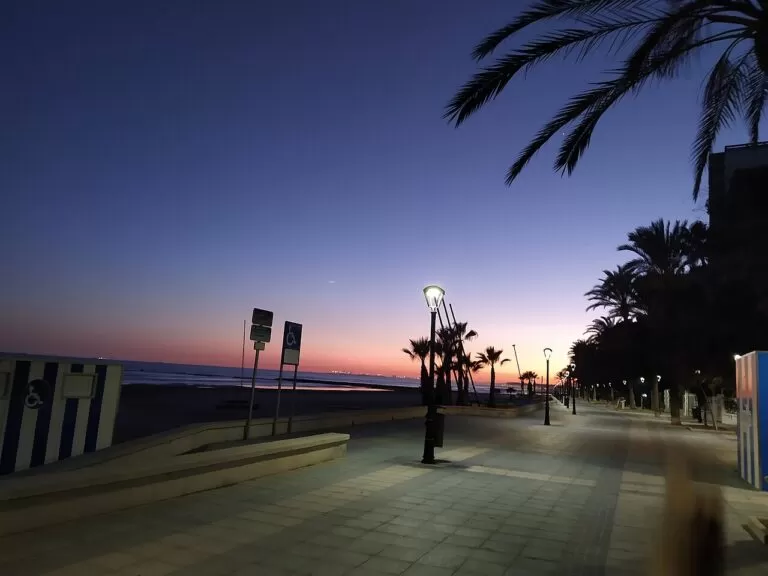
Pla de la Torre. The regional tourist board gives it 2,200 m of golden sand and pebbles at the mouth of the Mijares. The council’s beach page lists it with a Blue Flag for the current season. Flags are renewed each season, so check the council page before you go.
Benafelí. The council says this beach has held a Blue Flag since 2021. Use the same council page for the current season.
Les Goles del Millars. The council calls it the natural beach of the river mouth and the third beach in the town. On maps and signs you will see two names for the same river: Millars in Valencian, as in Les Goles del Millars, and Mijares in Spanish, which the regional tourist board uses.
Further along the coast, Castelló’s El Grao district has two beaches the regional tourist board describes in some detail: El Pinar, which it calls the longest beach in the Grao, and Serradal, which has a protected dune system that is habitat for the Kentish plover. For more places see Castelló de la Plana, Nules and Benicàssim.
On CostaMap near Almassora: Castelló Co-Cathedral and El Fadrí (5.1 km).
Food and drink
No restaurant or market in Almassora is named here, so this section sticks to the regional food the tourist board describes. The regional tourist board says Castelló’s coca de Castelló is made with potatoes, so ask for it in local bakeries and bars in the wider Castelló area.
Où dormir
We have not verified accommodation listings for Almassora, so this section describes types rather than names or prices. Sleeping in Almassora or Vila-real suits a car-based beach stay with quieter nights. Sleeping in Benicàssim suits anyone who wants a bigger seaside town with more beach choice. Check current hotel and holiday-rental listings directly before you book.
Getting there and around
Castellón Airport is in the centre of Castelló province, and its access page describes it as an hour’s drive on dual carriageway from Valencia city. A bus timed to the flights links the airport with Castellón bus station, which sits next to the train station. Airport bus tickets are sold online only. Because the airport is in the middle of the province, most visitors will reach Almassora by road from there, with a car the simplest option for the beaches.
By train, the regional tourist board suggests Vila-real as a trip from Castelló. Parking at the beaches and bus frequencies to Almassora are not covered here, so check them on arrival.
Best time to visit
AEMET’s 1981–2010 averages for the Castelló-Almassora station show a mild spring, a hot and nearly dry July, and a wetter autumn. April averages 15.4 °C with 42 mm of rain, and June averages 22.5 °C with 19 mm. July averages 25.3 °C, with average highs of 30.0 °C, 9 mm of rain and 329 hours of sunshine. September (71 mm) and October (70 mm) are the wettest months in our figures. Across the year the same station averages 17.5 °C and 467 mm of rain. In these figures July has the least rain and the most sun, while June is milder and still has 19 mm of rain on average.
FAQ
Is Almassora worth a visit?
For a beach day and a walk by the river mouth, yes. It has no major sights of its own, so pair it with Vila-real or Castelló.
Does Almassora have a beach?
Yes. Pla de la Torre is 2,200 m long, according to the regional tourist board, and the council also lists Benafelí and Les Goles del Millars.
Is there a bridge to Vila-real?
Yes. The Santa Quiteria, or “Roman”, bridge crosses the Mijares between Almassora and Vila-real.
How long is the Villarreal stadium tour?
About 1 hour 45 minutes, in Spanish, Valencian and English, according to the club.
Can I get to Almassora by public transport?
No bus or train stops in Almassora itself are named here. The airport bus runs to Castellón bus station, and the regional tourist board suggests trains from Castelló to Vila-real, so check local timetables before you rely on public transport.
Which Almassora beach has a Blue Flag?
The council says Benafelí has held one since 2021, and its beach page lists Pla de la Torre with one for the current season. Check the council page before you go.
Sources and freshness
11 sources Show
Last checked: November 2026. Sources: Turisme Comunitat Valenciana, Almassora; Turisme Comunitat Valenciana, Pla de la Torre beach; Almassora town council, beach information; Turisme Comunitat Valenciana, Vila-real; Turisme Comunitat Valenciana, Costa Azahar itinerary; Turisme Comunitat Valenciana, train trips from Castelló; Villarreal CF, stadium museum and tour; Castellón Airport, access and transport; Turisme Comunitat Valenciana, Castelló de la Plana; AEMET, Castelló-Almassora climate values; INE, population table.
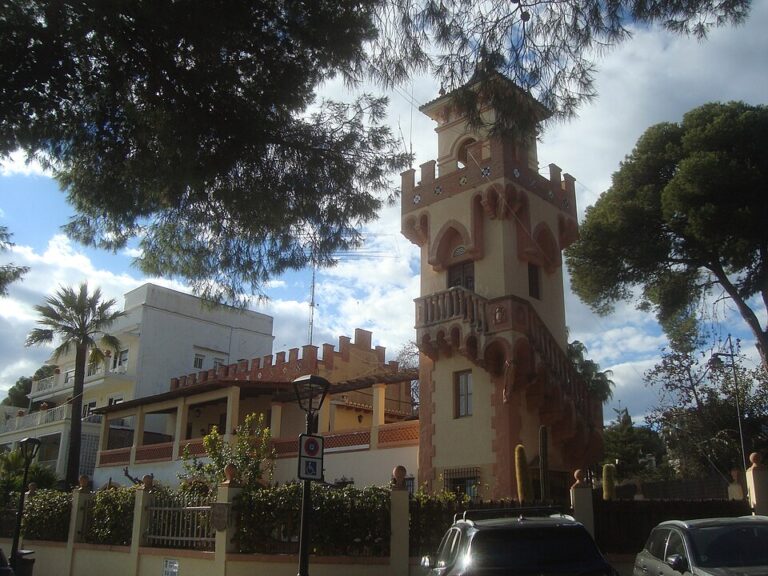
Main photo: Juan Emilio Prades Bel, CC BY-SA 4.0, via Wikimedia Commons.
À proximité sur la Costa Azahar
Les guides de villes les plus proches sur cette côte, à vol d’oiseau depuis Almassora.
Lieux à connaître près d’Almassora


How this page is made. CostaMap is written with an AI editorial system run by Ebizapple. This page is based on the sources listed above. Last updated 23 November 2026. Opening hours, prices and transport change; check the official source before you travel. How we work · Partner links and ads