
Verdú Cantó Saffron Spain (Novelda)
Specialty shopVerdú Cantó Saffron Spain is a family saffron and spice company in Novelda, the inland Alicante town that became the hub of Spain’s spice and saffron packing trade. Its story starts in 1886, when José Verdú Cantó rode to La Mancha to choose saffron from the harvest, and today it sells under the Pote, Zafferania, Syren and Toque brands. It suits food lovers curious about how Spanish saffron reached the world; note that we could not confirm a walk-in shop or public visiting hours, so contact the company before you travel and buy online if you only want the product.
Quick facts
- Name: Verdú Cantó Saffron Spain, S.L.; earlier “Hijos de José Verdú Cantó”.
- Where: Novelda (Vinalopó Mitjà, Alicante).
- Coordinates: 38.3878, -0.7599 (the pin on the company’s own contact map).
- Founded: 1886; now run by the fourth generation of the family.
- Brands: Pote, Zafferania, Syren (with Syren Limited Edition) and Toque.
- Products: saffron, seasonings for cooking and botanicals for cocktails.
- Contact: through the online form on verducanto.com.
Access and parking
Finding it: the company’s contact page shows its location on a map in Novelda, about 90 m from the Hotel Palacios as mapped on OpenStreetMap. The company does not publish a street address or opening hours on its website, and it is not mapped on OpenStreetMap, so ask for directions when you arrange a visit.
By bus: OpenStreetMap shows an ALSA coach stop about 130 m from the map pin.
By car: OpenStreetMap shows shops and workshops around the pin but no public car park next to it, so expect to park on the street.
What to expect
This is a working food company, not a museum. The company’s history page sets out its milestones:
- 1886: José Verdú Cantó makes his first journey to the saffron fields of La Mancha to pick the best batches and sell them abroad.
- 1921: his sons Olegario and Antonio take over, and the firm becomes “Hijos de José Verdú Cantó”.
- 1923: the first commercial office opens in India, to export saffron to Asia.
- 1940: after the war, the firm launches Pote food colouring, a cheaper substitute for saffron; the company says its little sachets were used as small change in grocery shops.
- 1942: La Sirena brand is created, later the base for its export saffron.
- 1960: Pote saffron is launched in new formats for the big supermarket chains.
- 1977: La Sirena is redesigned for Arab markets and becomes Syren, its premium export saffron.
- 1999: the two companies of the group merge as Verdú Cantó Saffron Spain.
The history page also shows the balances the firm used to weigh saffron in the 1930s and the 1970s, and the last bottle of ink it used in the office, which the family says it still keeps.
On its home page the company sums itself up as experts, for more than 125 years, in seasonings for cooking, botanicals for cocktails and saffron. More recent lines include Toque grinders, Zafferania for specialist cooks, Syren Limited Edition, and botanicals for cocktails, with the mixologist Pepe Orts as Toque’s ambassador and the chef María José San Román working with the brand on saffron recipes. The company sells online through its Toque Store. Its installations page shows only photos, under the line “Our house is your house”.
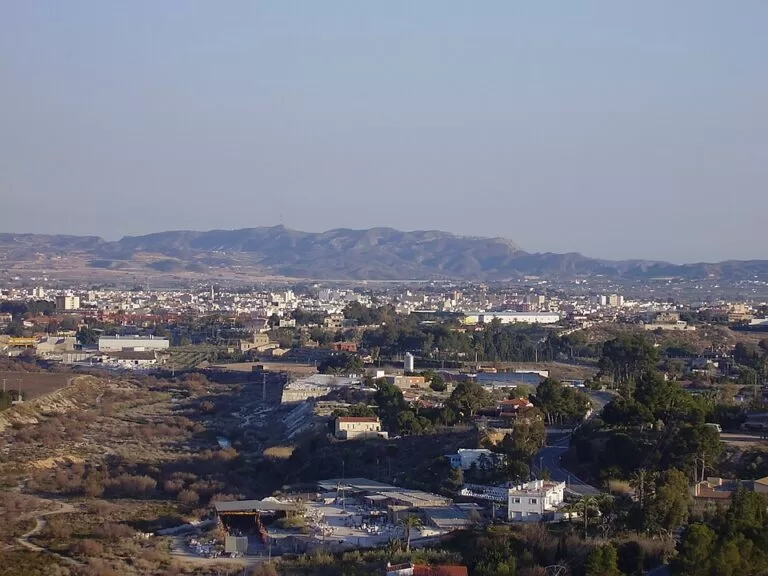
Why Novelda? The town is known for its grapes, marble and spice trade. In the early 19th century the trade was centred on the Saffron Exchange (Lonja del Azafrán) in Valencia, and Novelda traders began buying saffron in villages of Albacete and Aragon and bringing it by rail to warehouses in Novelda. In the second half of that century demand from India transformed the business, and Novelda merchants set up in Marseille and London to sell it. Today the town’s food industry packs and sells infusions, condiments and spices, above all saffron (Wikipedia, citing Novelda tourism).
Practical details
- Visits: we found no published schedule for tours or a public shop. Use the contact form before you go.
- Buying: the company’s products are sold online through the Toque Store linked from its website.
- Language: the website is in Spanish and English.
Accessibility and safety
We could not confirm whether the premises are open to the public or step-free. If you have mobility needs, say so when you contact the company.
Best time to visit
Arrange any visit in advance. Combine the trip with Novelda’s sights: the Casa-Museo Modernista designed by Pedro Cerdán (1900–1904), and on the slopes of La Mola hill the Santa María Magdalena sanctuary by José Sala Sala, inspired by the Sagrada Família, next to the castle of La Mola, of Almohad origin, on a hill 541 m high where the town began.
Nearby alternatives
- Museo del Calzado: 10.6 km.
- Palmeral of Elche (El Palmeral): 14.2 km.
- Basílica de Santa María (Elche): 14.5 km.
- Elche (Elx): 14.5 km.
- El Hondo Natural Park: 22.5 km.
- Santa Bárbara Castle (Alicante): 25 km.
FAQ
Can you visit Verdú Cantó Saffron Spain?
We could not find published visiting hours or a public shop. Contact the company through the form on its website before you go.
How old is Verdú Cantó?
The company dates its origins to 1886, so 2026 marks 140 years. It is run by the founder’s descendants.
What brands does Verdú Cantó make?
Pote, Zafferania, Syren (including Syren Limited Edition) and Toque, covering saffron, seasonings and cocktail botanicals.
Why is Novelda famous for saffron?
From the early 19th century Novelda traders bought saffron in Albacete and Aragon, packed it in the town and sold it abroad, with India a key market in the second half of the 1800s.
Where can I buy Verdú Cantó saffron?
Online through the company’s Toque Store, linked from verducanto.com.
Sources and freshness
Checked 6 November 2026 · 1 source Show
Checked 6 November 2026. The company’s site gives no opening hours; confirm before you travel.
- Verdú Cantó Saffron Spain: our history (official)
- Verdú Cantó Saffron Spain: contact and map (official)
- Verdú Cantó Saffron Spain: home page and brands (official)
- Wikipedia (Spanish): Novelda (saffron trade, sights)
- OpenStreetMap: area around the company’s map pin (bus stop, surroundings)
This place is part of our Costa Blanca, Spain: towns, beaches and where to stay — see every town, beach and cove we have mapped on that coast.
How this page is made. CostaMap is written with an AI editorial system run by Ebizapple. This page is based on the sources listed above. Last updated 6 November 2026. Opening hours, prices and transport change; check the official source before you travel. How we work · Partner links and ads