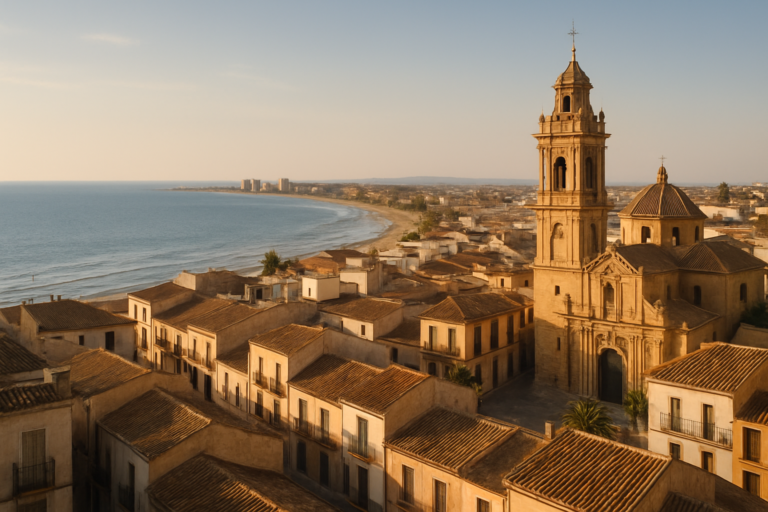
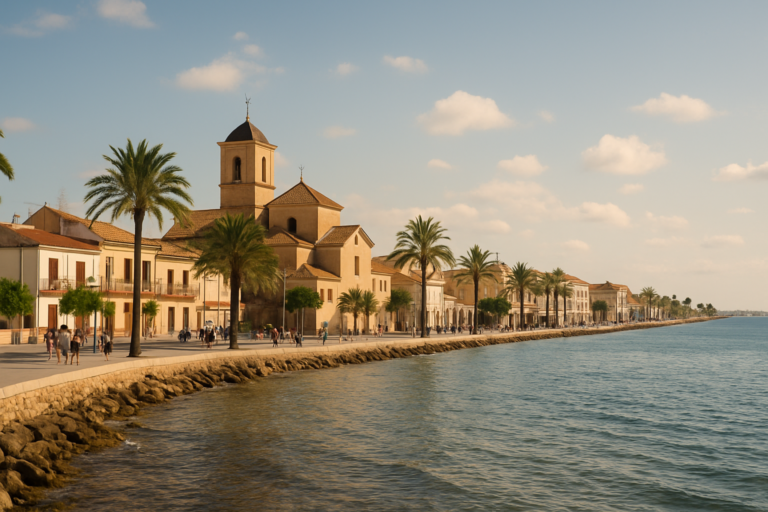
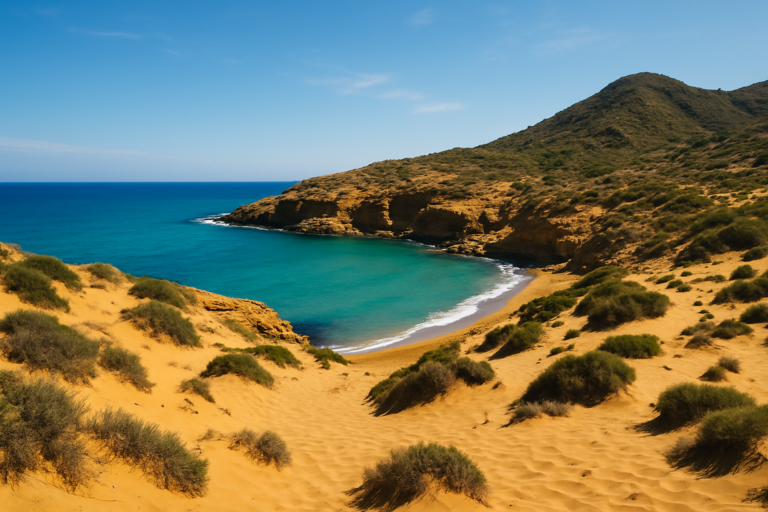
Expect a town shaped by mines and music. This place’s main draws are not postcard-perfect beaches or glossy resorts but a rugged mining landscape, earnest modernist streets, underground mine tours and one of flamenco’s most serious competitions. If you come hoping for a seaside resort, you’ll be disappointed; if you arrive curious about industrial heritage and flamenco, you’ll get a rich, focused visit.
La Unión at a glance
- Small mining town in the Región de Murcia, midway between Cartagena and the Mar Menor.
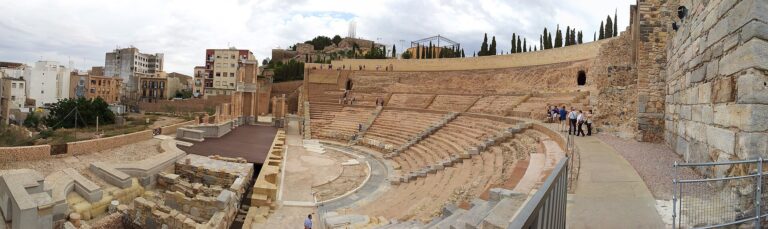
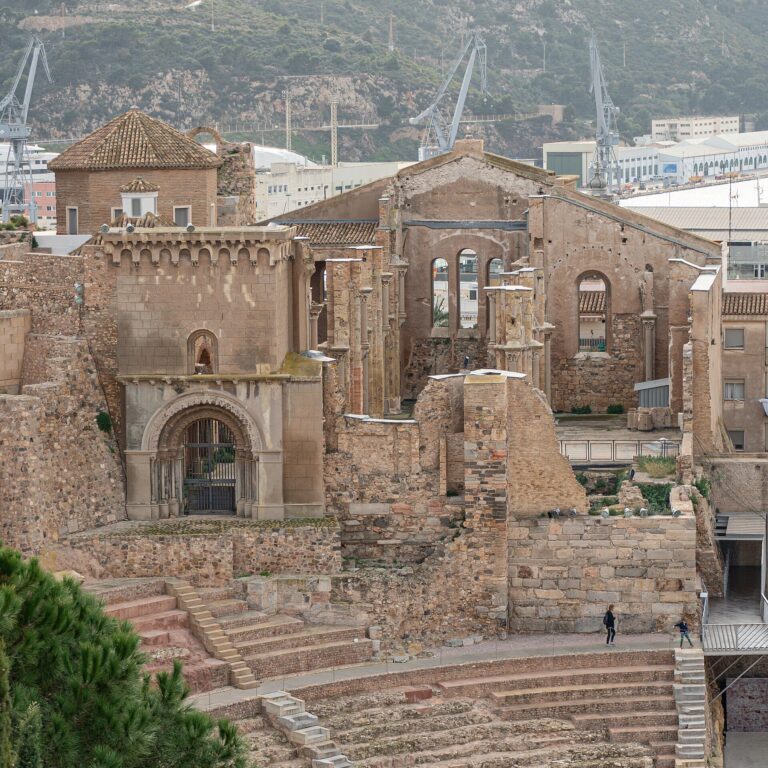
- About 10 km from Cartagena and its Roman theatre and port — easy day-trip connection.
- Home of the Festival Internacional del Cante de las Minas each August, a prestigious flamenco competition.
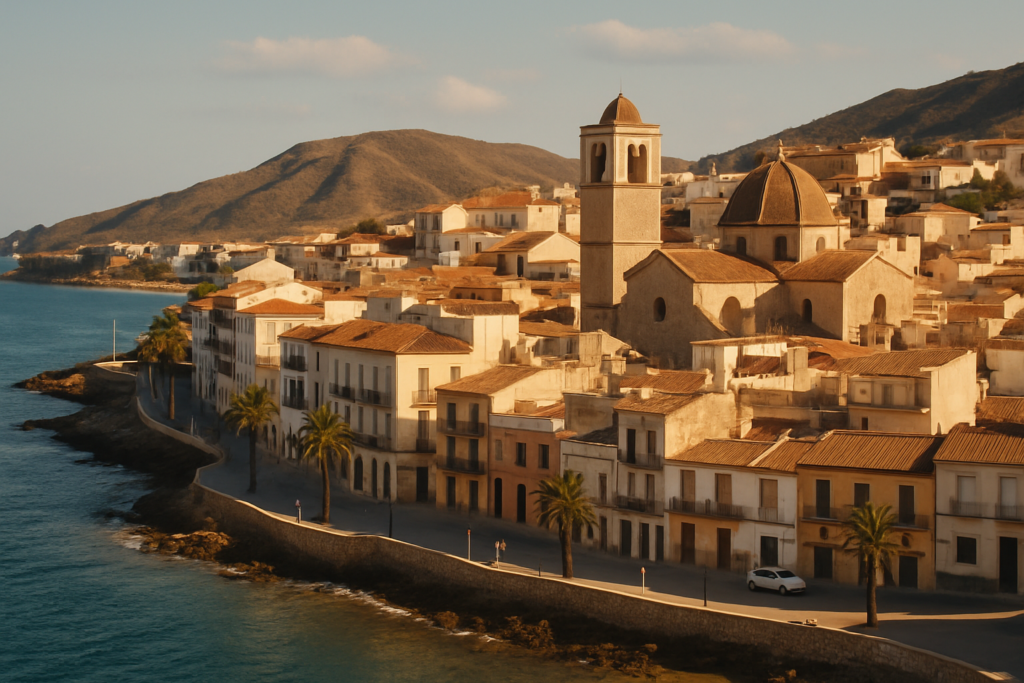
- Distinctive early-20th-century modernist architecture, a legacy of the mining boom.
- Mining heritage sites: Museo Minero, Parque Minero de La Unión and guided underground-gallery visits.
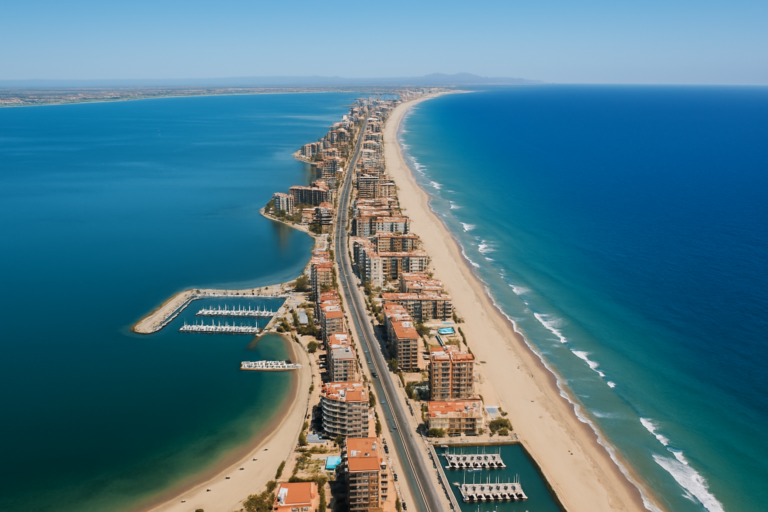
- Close to the Mediterranean coast and the Mar Menor lagoon for beaches within a short drive.
Things to do in La Unión
The town concentrates its attractions around mining history and flamenco. Plan to spend time underground in restored galleries, wandering streets of modernist façades and — if you visit in August — attending events in the festival held in the Antiguo Mercado Público. Most visits combine a museum stop, a mine tour and a walk through the industrial-landscape viewpoints.
| Attraction | What it is | Price/entry | Best for |
|---|---|---|---|
| Museo Minero | Interpretation of the town’s mining history | – | History buffs; contextual introduction before mine tours |
| Parque Minero de La Unión (including Agrupa Vicenta) | Historic mine complex with tours and the Agrupa Vicenta underground lake | – | Guided-tour visitors; people fascinated by industrial heritage |
| Guided gallery descents | Visits into restored galleries showcasing 19th-century mining conditions | – | Visitors who want an immersive experience of mining life |
| Festival Internacional del Cante de las Minas | High-level flamenco competition held in the Antiguo Mercado Público | – | Serious flamenco fans; cultural-event seekers |
Mining-museum and interpretation
The Museo Minero is the town’s anchor for understanding why this place looks the way it does. Exhibits explain the extraction of silver and lead that made the area wealthy in the 19th century and set the tone for the modernist architecture that followed. Treat the museum as the orientation stop before any outdoor routes or mine visits.
Parque Minero and the Agrupa Vicenta
The Parque Minero de La Unión is the best way to approach the physical scale of the local mining industry. The park groups preserved industrial buildings and offers tours of the historic mines; one named highlight is the Agrupa Vicenta, notable for an underground lake reached on guided visits. These tours descend into restored galleries to show 19th-century mining conditions rather than being superficial viewpoints.
Festival and the Antiguo Mercado Público
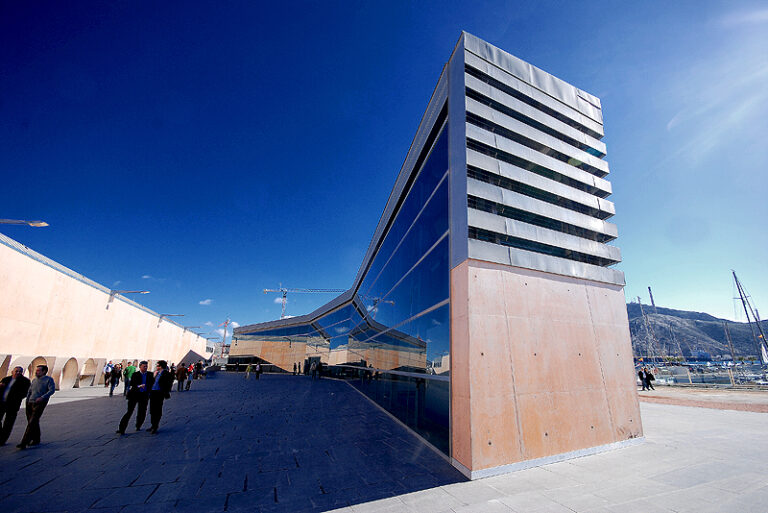
Every August the Festival Internacional del Cante de las Minas brings top-level flamenco to the town. The competition is internationally respected and focuses on mining-related flamenco styles such as the cartagenera and the minera. Performances at the Antiguo Mercado Público — a striking modernist market building — are as much about place as they are about music: the venue itself embodies the town’s early-20th-century wealth.
Before you plan
There are no verified claims here that any major venue is closed or undergoing redevelopment. Book guided mine visits in advance where possible, and check festival dates directly if your trip depends on attending the August competition.
Best beaches in La Unión
The town is inland but lies close to both the Mar Menor lagoon and the Mediterranean coast; beaches are a short drive rather than in-town amenities. If beach time matters most, treat the town as a base for half-day trips rather than a beach resort.
| Beach | Character | Facilities / Blue Flag |
|---|---|---|
| Mar Menor beaches | Sheltered, shallow lagoon beaches suitable for gentle swimming | – |
| Mediterranean coast beaches near Cartagena | Open-sea beaches with a harsher swell than the lagoon | – |
Visiting with kids
Family visitors can find child-friendly experiences here, but plan around stamina and interests. The museum and mine-park tours provide educational, tactile experiences that suit older children; the guided descents into galleries are immersive but may not be suitable for very young kids or anyone uncomfortable in confined spaces. For simple beach days, head to the Mar Menor’s shallow waters where conditions are typically calmer than the open Mediterranean.
How to get to La Unión and get around
Access is straightforward by road. The town’s proximity to Cartagena makes the nearest city the usual gateway for regional trains, ferries and onward car travel. Once in town, most attractions are concentrated and walkable, but the mining sites and beaches require a short drive or local transfer.
| From | By | Approx time |
|---|---|---|
| Cartagena | Car or taxi (local road links) | About 10 km from the Roman theatre and port |
Where to stay in La Unión
Accommodation is focused on the town centre, which keeps the main museum, the Antiguo Mercado Público and several modernist streets within easy walking distance. Staying here is practical if you want evening access to local restaurants and festival venues. If your priority is beaches, consider basing yourself closer to the Mar Menor or Cartagena and plan day visits to the mining sites.
Best time to visit La Unión
Timing depends on whether music or mild weather matters most. August is the clear choice for festival-goers: the Festival Internacional del Cante de las Minas takes place then and is the town’s cultural peak. For quieter visits that still allow warm weather and beach access, shoulder months will reduce crowds but keep the region pleasant.
| Season | Months | What to expect |
|---|---|---|
| Festival season | August | Festival Internacional del Cante de las Minas; busiest cultural period |
| Shoulder months | Spring / Autumn | Quieter town, still comfortable for museum visits and coastal excursions |
History of La Unión
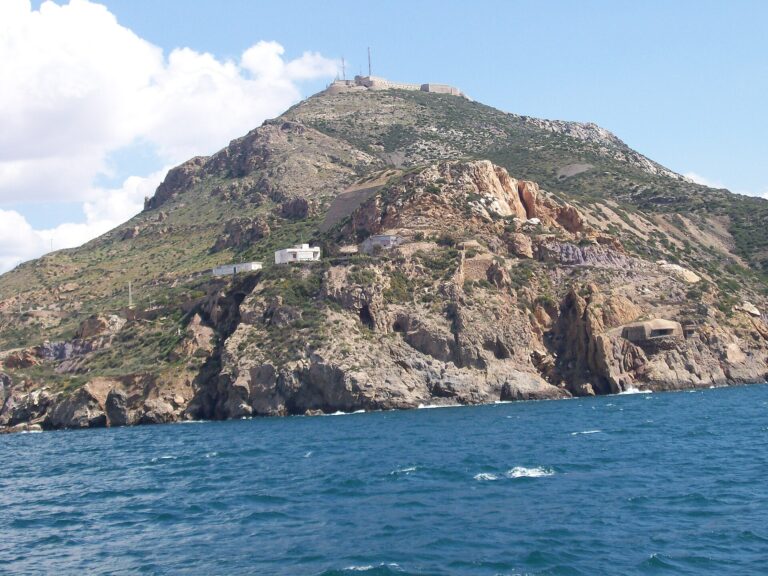
The town’s modern identity was forged in the 19th century when silver and lead mining in the nearby Sierra Minera hills brought wealth. That prosperity funded the early-20th-century modernist architecture that still characterises key streets and public buildings today. Over time the industrial landscape — ruined works, slag heaps and restored mining structures — became an explicit part of local identity, preserved through museums, interpretation routes and the Parque Minero.
Practical info
Mobility: Many of the core attractions are close together, so much of a visit can be on foot. The Parque Minero and some viewpoints require short local transfers or a car. Guided mine visits involve descending into restored galleries; check guidance on suitability if you have mobility concerns.
Costs and bookings: There are no verified standard ticket prices in the available claims, so plan to book guided tours and festival events in advance where possible. Festival dates and touring schedules can affect availability during August.
Connectivity: The town sits within easy driving distance of Cartagena and the Mar Menor. Use Cartagena as your transport hub for longer-distance trains or sea connections; local roads link the mining landscape and coastal beaches.
Worth it for: anyone drawn to industrial heritage, mining history, authentic flamenco — especially the cartagenera and minera styles — and curious travellers who prefer focused cultural experiences over beach-resort glamour. Less so if: your primary aim is a seaside resort with promenades, packed beaches or resort-style facilities — beaches are nearby but not the town’s main selling point.
How we assess this guide
This guide synthesises verified facts about the town’s mining heritage, festival calendar and geographic setting from cross-checked sources. We flag closures and known changes where present and rely on published descriptions of museums, mine tours and the festival. We have not claimed unverified opening hours or ticket prices; check local sources or organisers before travel.
Frequently asked questions
How far is it from Cartagena?
The town is about 10 km from Cartagena and its Roman theatre and port, making the city an easy day-trip or gateway for visitors.
Is the Festival Internacional del Cante de las Minas worth planning a trip around?
Yes — the festival is one of the world’s most prestigious flamenco competitions and focuses on mining-related styles such as the cartagenera and the minera. If flamenco is a priority, August is the time to visit.
Can you visit mines underground?
Yes. Guided visits descend into restored galleries to show 19th-century mining conditions, and the Parque Minero organises tours that include the Agrupa Vicenta mine with its underground lake.
Are there beaches in the town itself?
The town itself is inland, but the Mar Menor lagoon and Mediterranean beaches lie a short drive away. Expect to drive or transfer to reach sandy, sheltered lagoon shores or open-sea beaches near Cartagena.
Is the town family-friendly?
Many attractions are suitable for families with older children — the museum and guided mine tours are educational and tactile. However, very young children may find underground descents challenging, and beach trips require a short drive.
What’s the modernist architecture mentioned in guides?
The town’s modernist architecture reflects its early-20th-century mining boom: public buildings and façades built during that period are a visible legacy of the area’s former prosperity.
How much time should I allow for a visit?
A focused half-day can cover the museum and a short walk of modernist streets; a full day is better if you plan a Parque Minero tour and a guided gallery descent. Combine with Cartagena or the Mar Menor for multi-day itineraries.
Can I rely on public transport to get around?
Public-transport details are not specified in the verified claims. The town’s proximity to Cartagena suggests road transfers are common; for flexibility when visiting mines and beaches, a car or taxi is recommended.
Are the mine tours suitable for people with mobility issues?
Guided descents go into restored galleries to show 19th-century mining conditions, which implies narrow or stepped areas. Check with tour operators about accessibility before booking.
Is La Unión expensive to visit?
There are no verified general cost claims. Expect typical regional prices for museums and local tours, and note that festival events in August can affect availability and cost.
What flamenco styles are associated with the festival?
The festival celebrates mining-related flamenco styles such as the cartagenera and the minera — forms that grew out of the mining communities and are central to the competition’s repertoire.
Where is the festival held?
The Festival Internacional del Cante de las Minas takes place in the Antiguo Mercado Público, a striking modernist market building in the town.
Is the mining landscape accessible to visitors?
Yes. The town sits within the Sierra Minera de Cartagena-La Unión, an industrial-heritage landscape interpreted by signposted routes and museum displays; the Parque Minero also organises visits to key sites.
How should I combine La Unión with nearby destinations?
Use the town as a cultural stop alongside Cartagena for Roman heritage and port access, or combine it with Mar Menor beaches for a mix of history and seaside time. The town’s location between Cartagena and the Mar Menor makes these easy pairings.
Are there guided walks or signposted routes?
Yes — the mining heritage is interpreted along signposted mining-landscape routes, which complement museum displays and guided mine tours.