
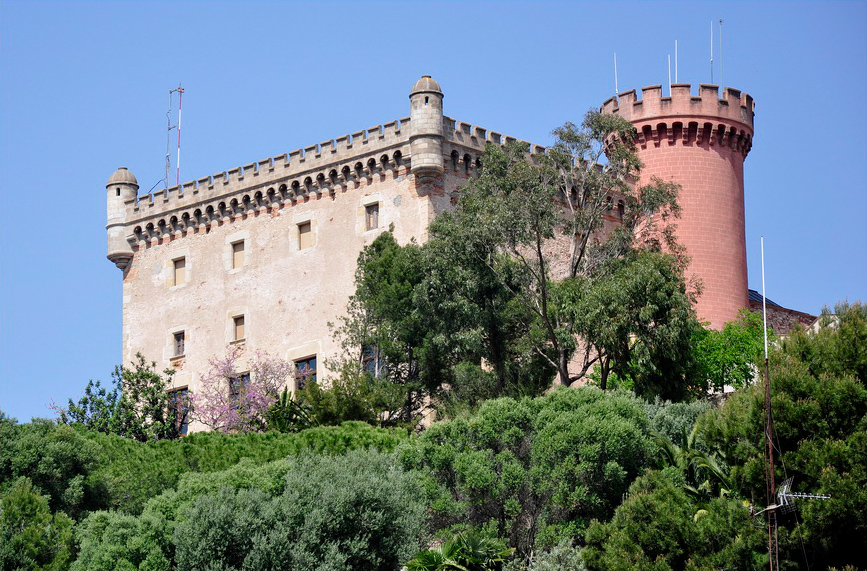
Castelldefels Castle
Castelldefels means “Fortunate Castle” — sunken Roman wine ships and a nearly intact medieval boat have been recovered from the coastline below it.
Castelldefels means “Fortunate Castle” — sunken Roman wine ships and a nearly intact medieval boat have been recovered from the coastline below it.
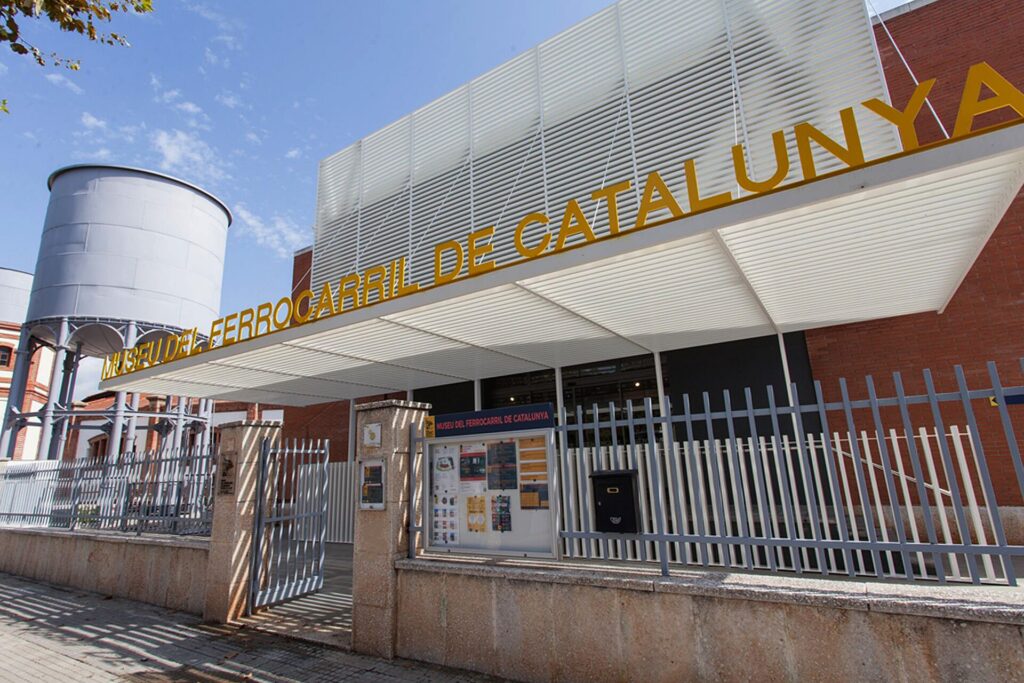
The Railway Museum of Catalonia’s working replica of La Mataró, Spain’s first-ever locomotive, still runs monthly — after the depot itself sat abandoned twice before finally reopening in 1990.

Fossilised monkeys once lived in the Garraf Massif’s karst sinkholes — today the same protected park also holds one of Spain’s largest landfills.
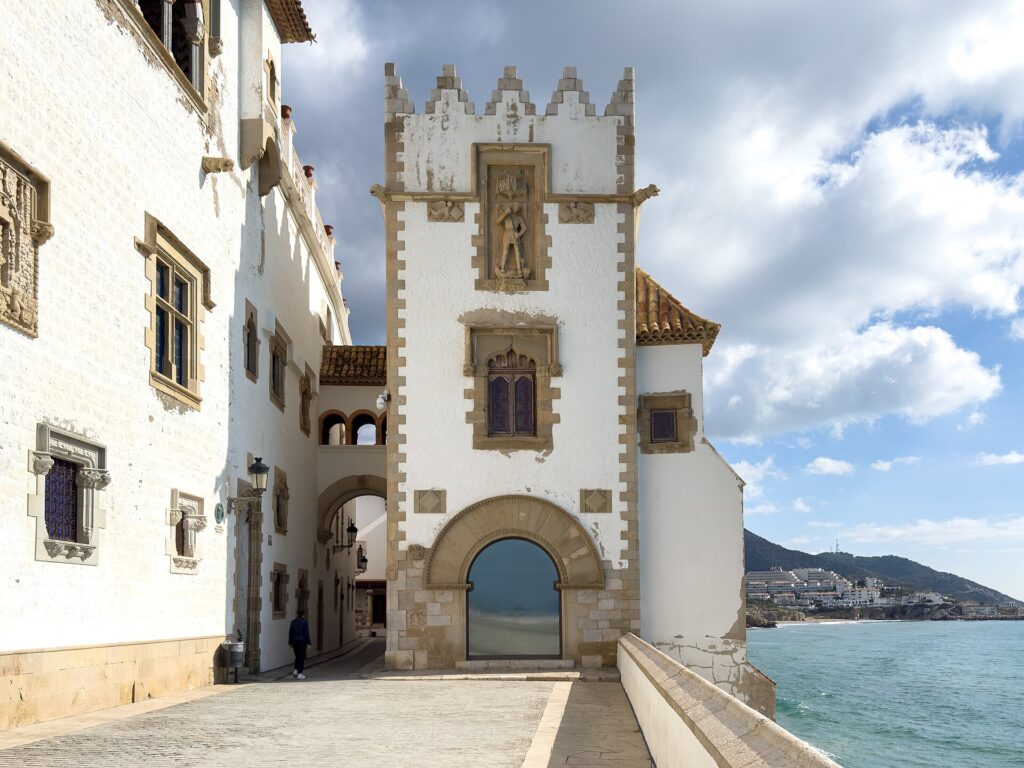
Charles Deering built a palace in Sitges for one of the great private collections of Hispanic art — then took the art home to America in 1921 and left the building behind.
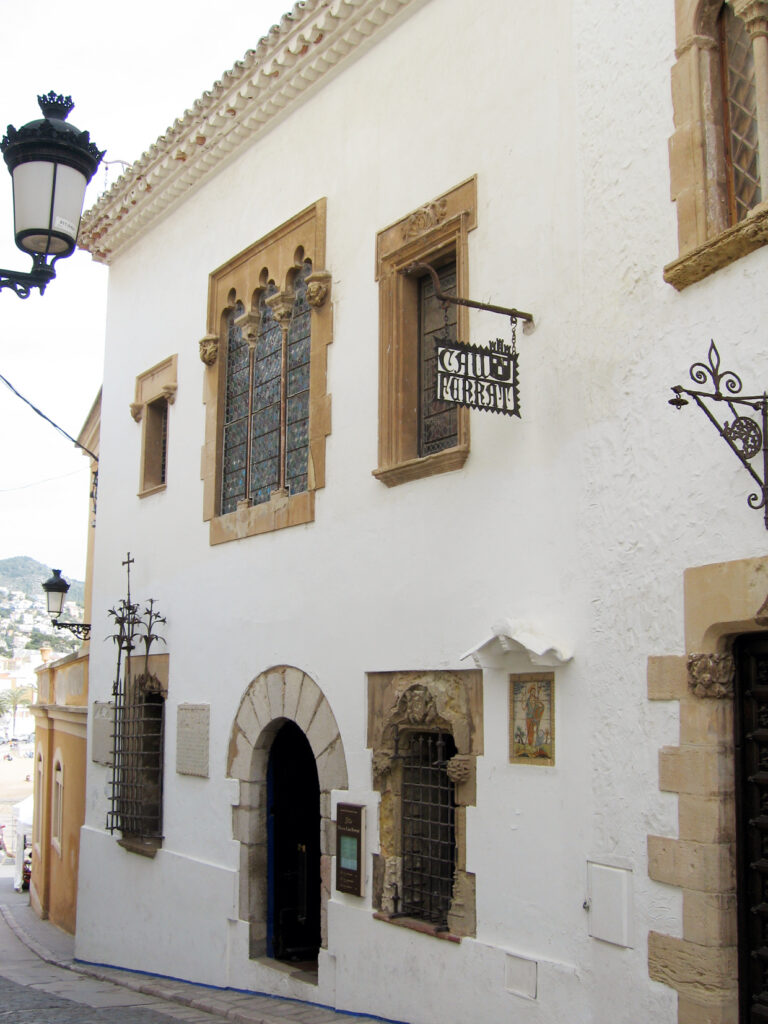
Santiago Rusiñol built his Sitges studio around Gothic windows salvaged from a demolished castle — and opened it on the day two El Grecos arrived from Paris.
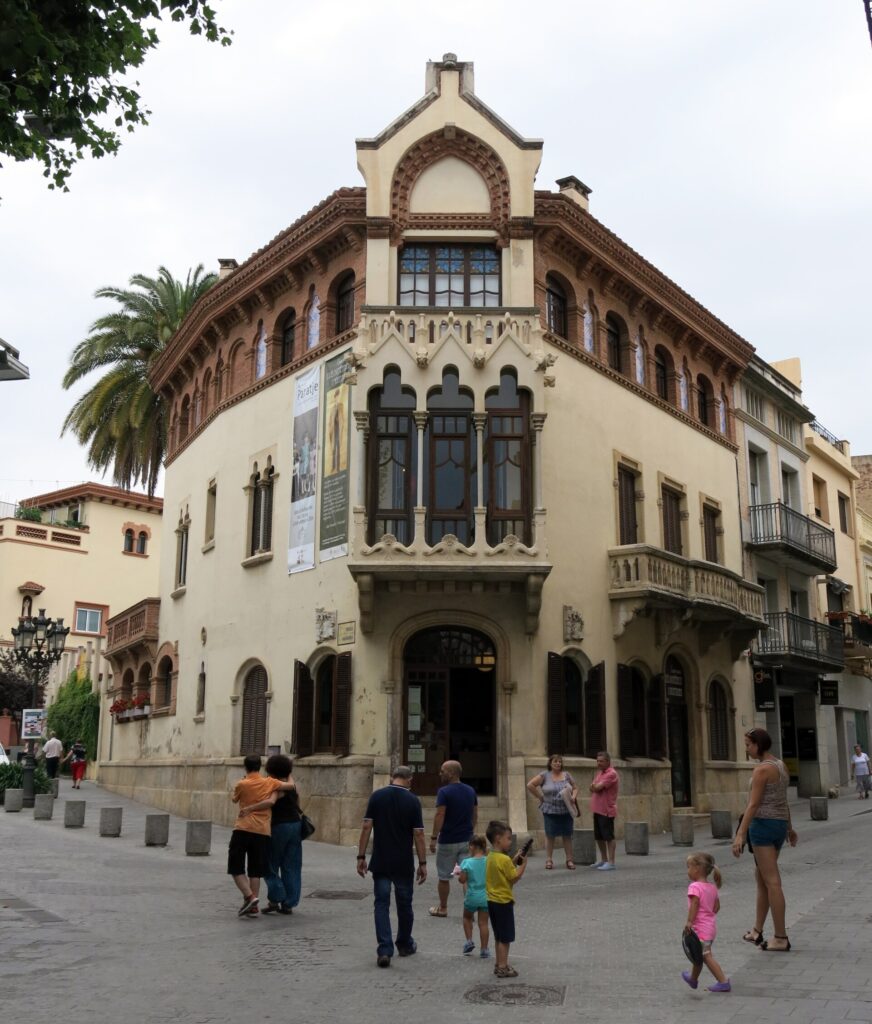
The Palau de la Música and Hospital de Sant Pau were drawn in a 16th-century farmhouse studio in Canet de Mar — now a house-museum.
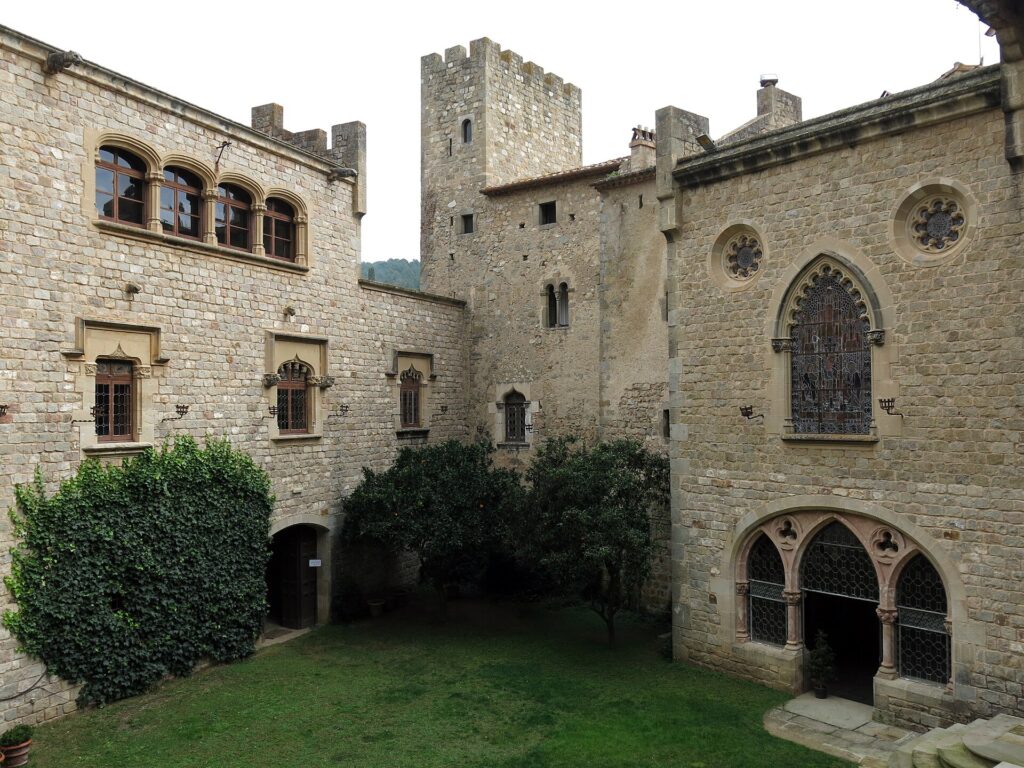
An 11th-century fortified house rebuilt around 1900 by Domènech i Montaner with publishing money — and Horn Hill in Game of Thrones season six.
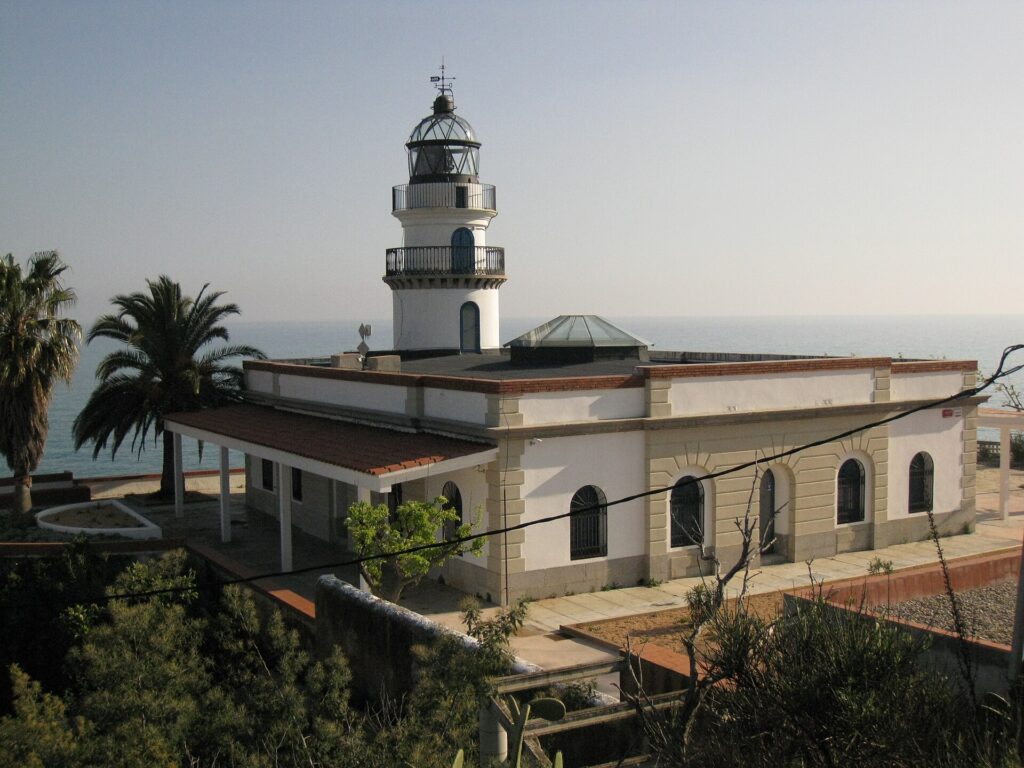
Calella’s lighthouse replaced a corsair watchtower in 1859 and still turns an optic moved here from the Medes Islands in 1927.
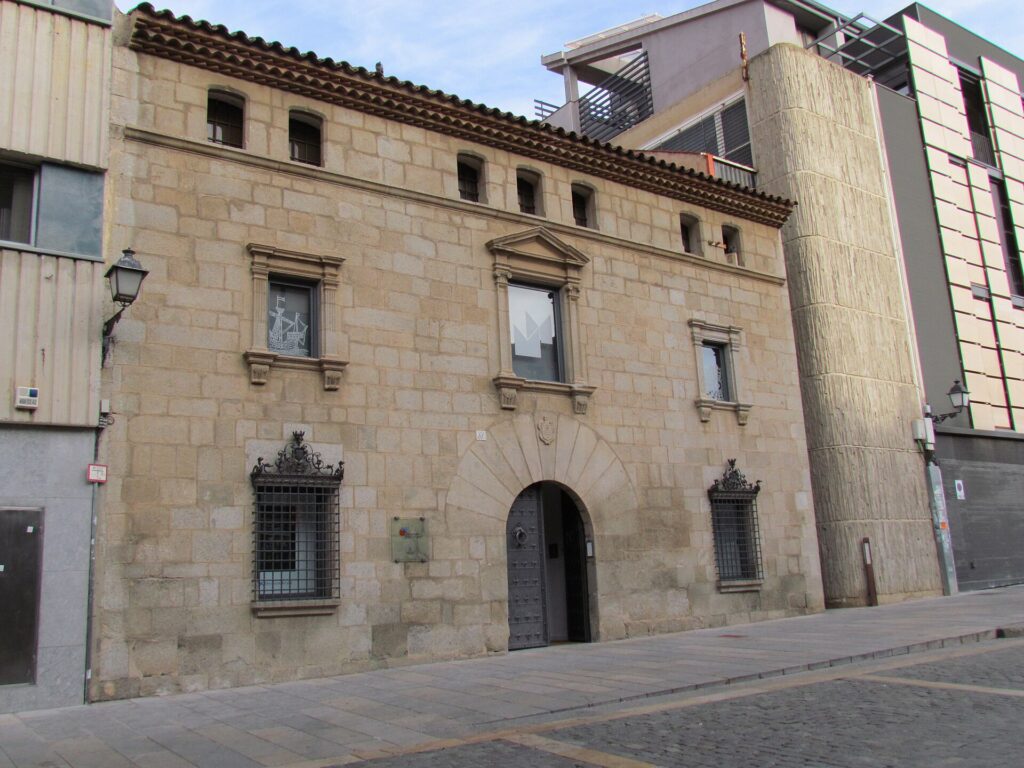
Mataró’s museum is spread over four buildings: a 1565 manor, a Roman villa, an art centre and Spain’s biggest pre-war knitwear factory.
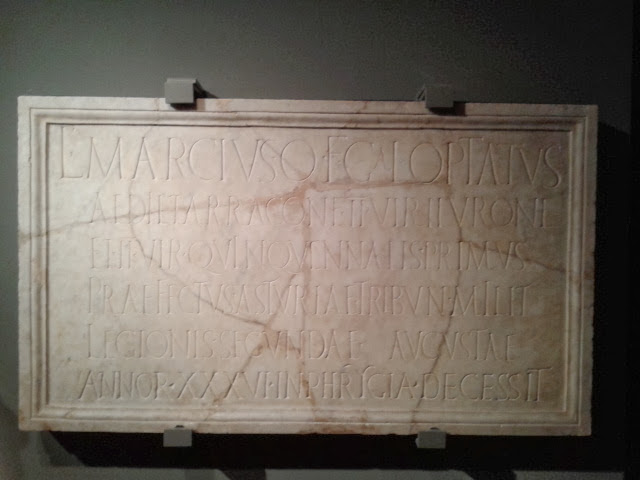
Roman Iluro was only eight hectares, but its 1st-century BC street grid still shapes the old town of Mataró two thousand years later.