Destination

La Caleta, Cádiz, Spain

La Caleta

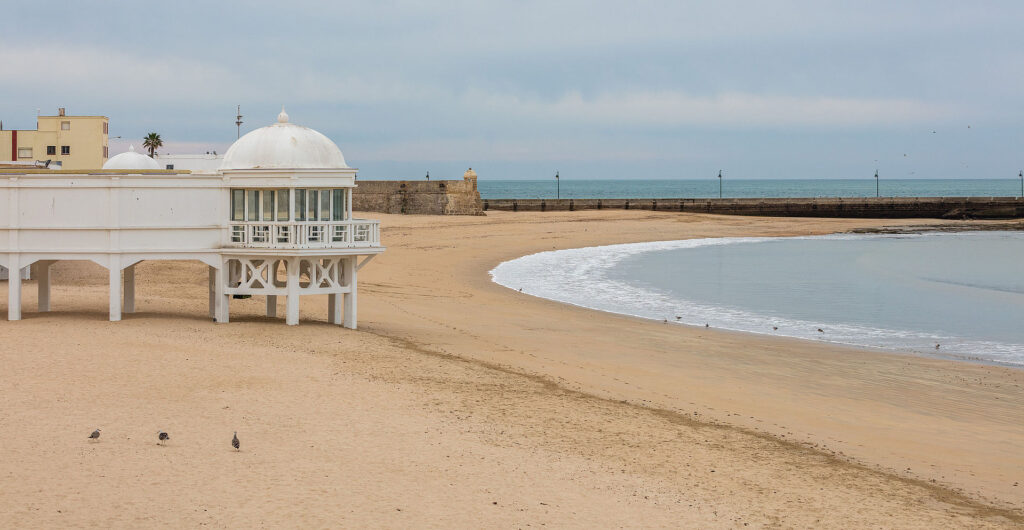
La Caleta is a beach in the historical centre of Cádiz, a natural harbour used historically by Phoenicians, Carthaginians and Romans. The smallest beach in the city, it runs between the castles of San Sebastián and Santa Catalina and has been pictured in films such as Die Another Day.
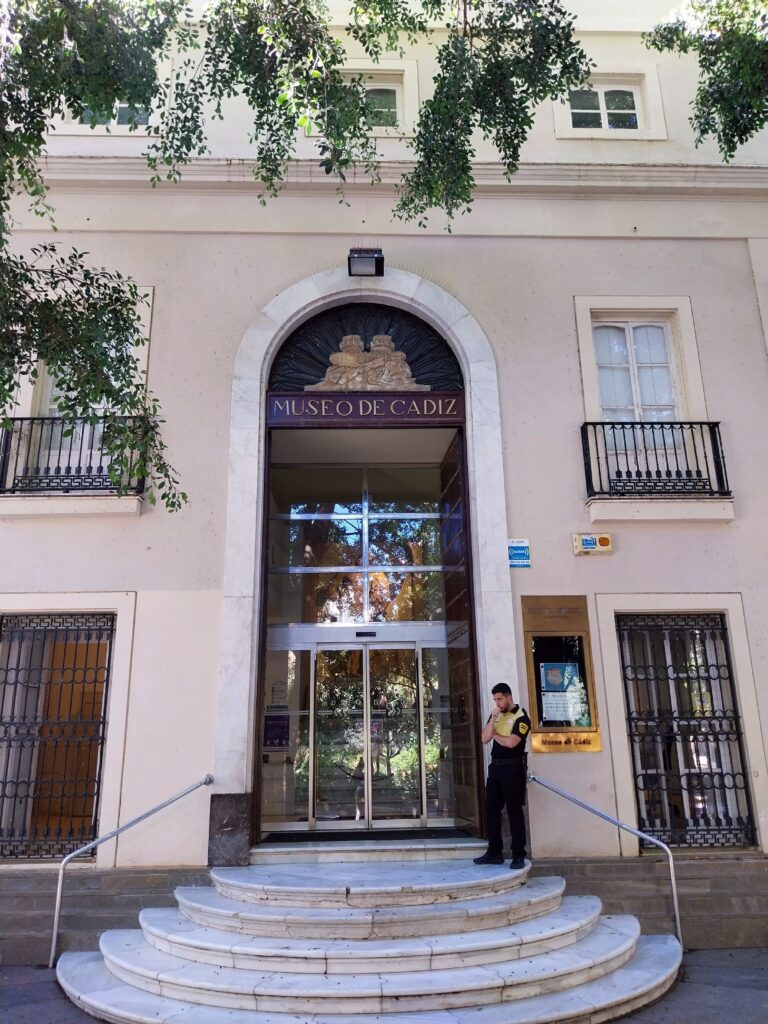
Museum of Cádiz, Cádiz, Spain

Museum of Cádiz

The Museum of Cádiz was founded in 1970 from the merger of the Provincial Museum of Fine Arts with the Provincial Museum of Archaeology, showing archaeology on the ground floor, art on the first and puppets on the second. Its holdings include paintings by Zurbarán, Murillo and Rubens and a Phoenician sarcophagus found in the city’s shipyard in 1877.

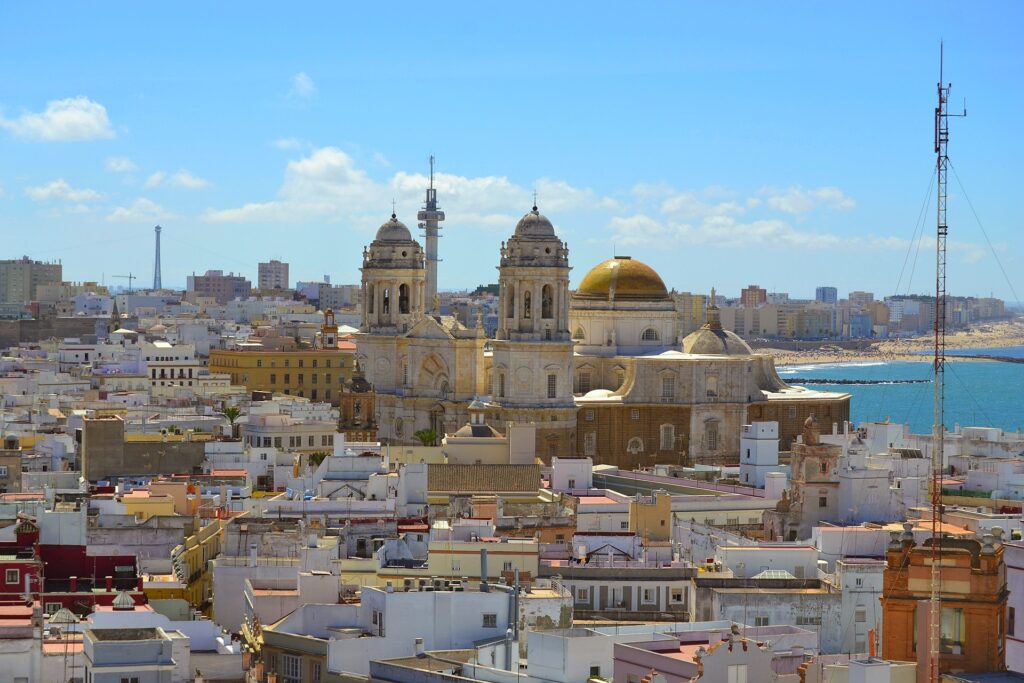
Cádiz Cathedral, Cádiz, Spain

Cádiz Cathedral

The Cathedral of the Holy Cross over the Waters in Cádiz, seat of the Diocese of Cádiz y Ceuta, was built between 1722 and 1838. Known as ‘The Cathedral of The Americas’ because it was built with money from the trade between Spain and America, it was first designed by Vicente Acero, who had also built the Granada Cathedral.

Castle of San Marcos, El Puerto de Santa María, Spain

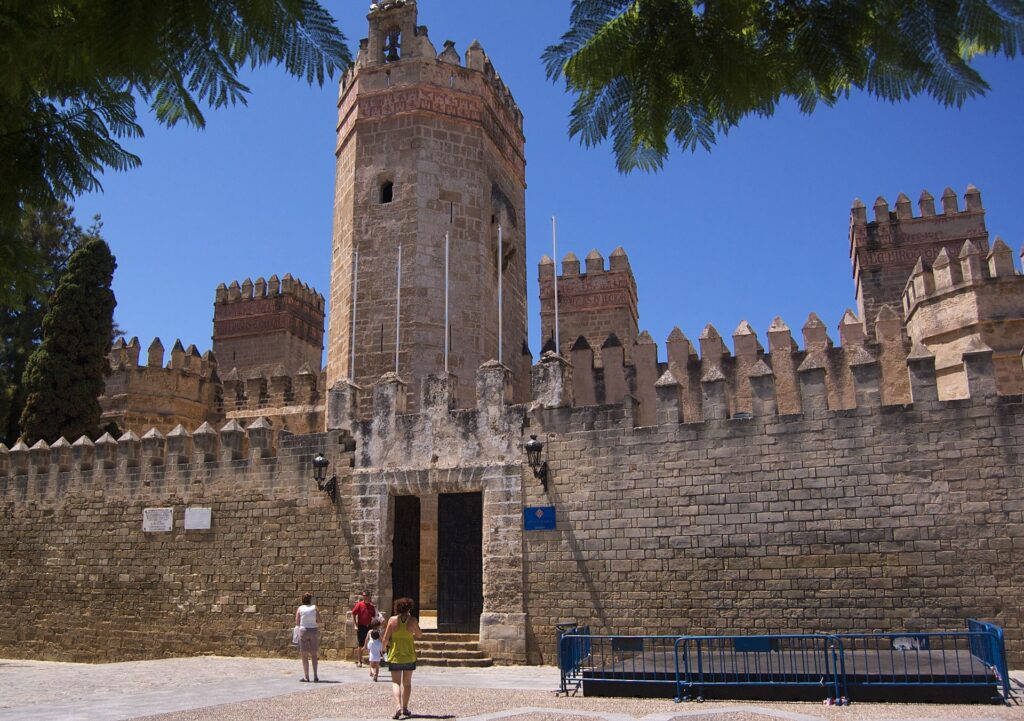
Castle of San Marcos

The Castle of San Marcos, also called Castillo de Alfonso X El Sabio, is a medieval castle in El Puerto de Santa María erected as a fortified church by King Alfonso X of Castile. It was built on the site of a mosque, of which the qibla wall survives.

Doña Blanca, El Puerto de Santa María, Spain

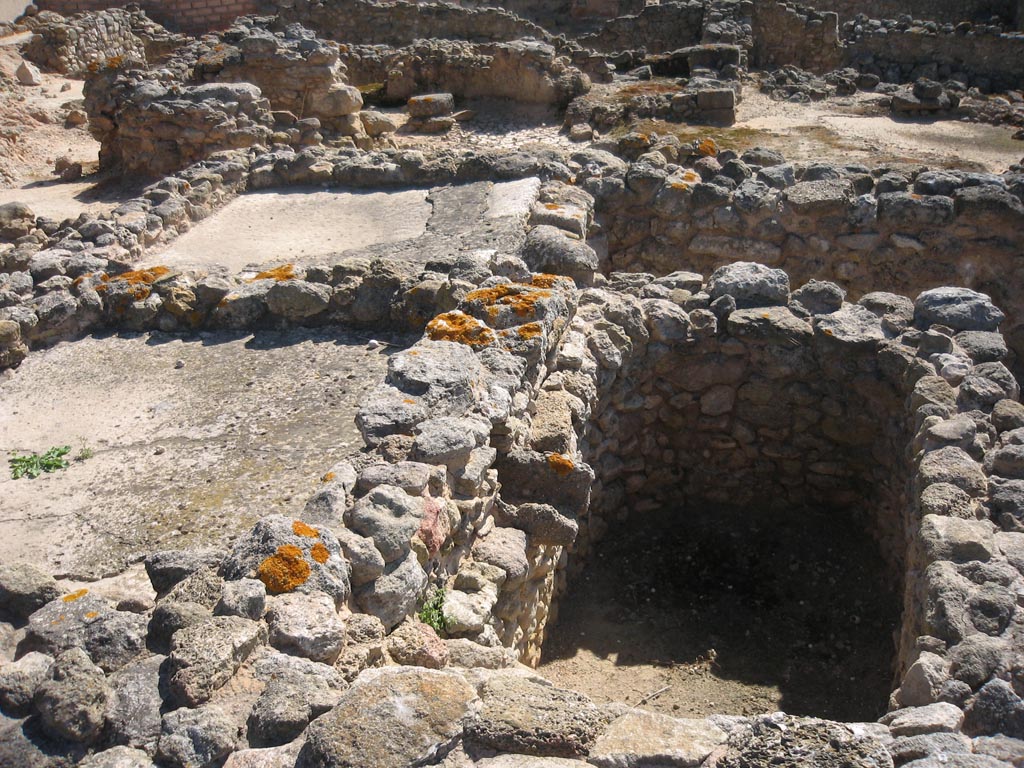
Doña Blanca

Doña Blanca is a 200-hectare archaeological site in El Puerto de Santa María, a tell containing walls, dwellings, a Punic river port and a necropolis of a Phoenician city occupied from the 8th to the 3rd century BC. It disputes with Cádiz and Cerro del Castillo the claim to be the oldest Phoenician city found in the Iberian Peninsula.

Museo Arqueológico de Jerez, Jerez de la Frontera, Spain

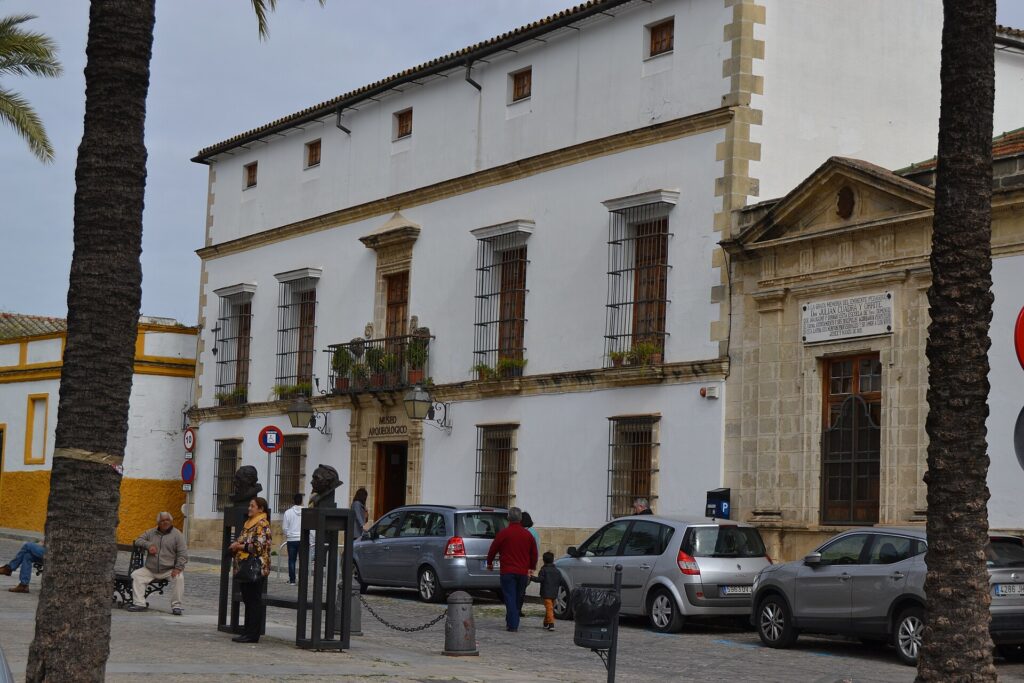
Museo Arqueológico de Jerez

The Museo Arqueológico Municipal de Jerez de la Frontera occupies an 18th-century building on the Plaza del Mercado and opened to the public in 1935. Its collection includes a Corinthian helmet, extremely rare in Spain, found near the city’s Charterhouse by the river Guadalete, along with Roman ceramics.

Alcázar of Jerez de la Frontera, Jerez de la Frontera, Spain

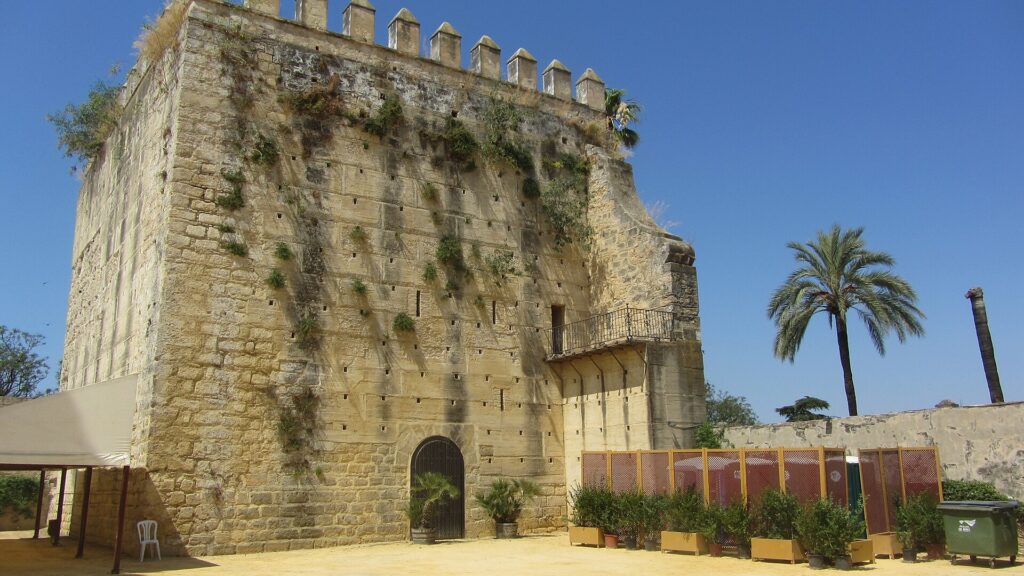
Alcázar of Jerez de la Frontera

The Alcázar of Jerez de la Frontera is a former Moorish alcázar whose first fortress was probably built in the 11th century, with a new structure erected in the 12th century as residence and fortress of the Almohad Caliphate. It is one of the few structures that best exemplify Almohad architecture in the Iberian Peninsula and was declared a Bien de Interés Cultural in 1931.

Jerez de la Frontera Cathedral, Jerez de la Frontera, Spain

Jerez de la Frontera Cathedral

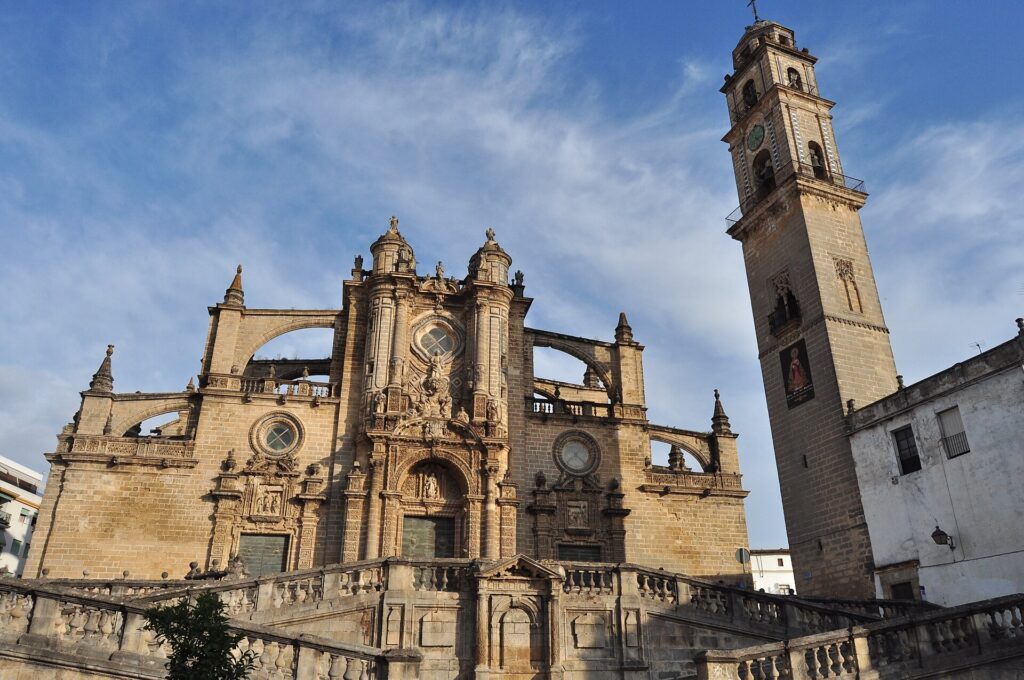
The Cathedral of the Holy Saviour, seat of the Diocese of Asidonia-Jerez, was built in the 17th century in a mix of Gothic, Baroque and Neoclassical styles and elevated to the rank of cathedral in 1980. Its interior houses a Virgin Mary by Francisco Zurbarán and a late 15th-century Gothic crucifix known as the Cristo de la Viga.

Gavà Mines, Gavà, Spain

Gavà Mines

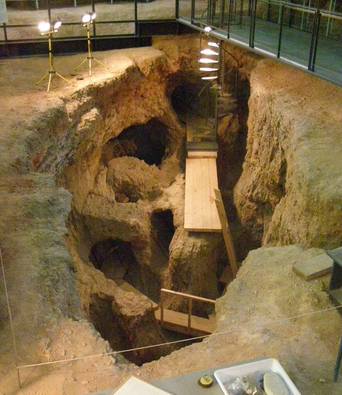
The Gavà Mines are Europe’s oldest gallery mines — the only prehistoric site anywhere dedicated purely to mining a gemstone for jewellery, not survival.

Church of Colònia Güell, Santa Coloma de Cervelló, Spain

Church of Colònia Güell

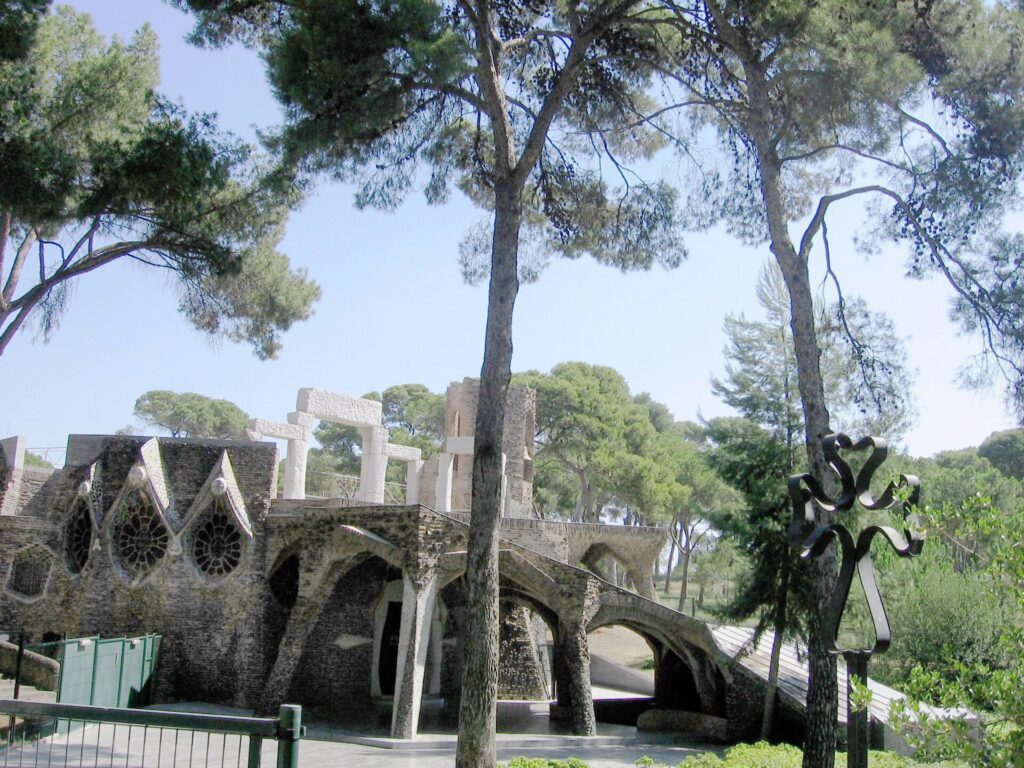
Gaudí solved the Sagrada Família’s structural puzzle first at Colònia Güell, using an upside-down model of hanging string and sandbags.

Scroll to Top