
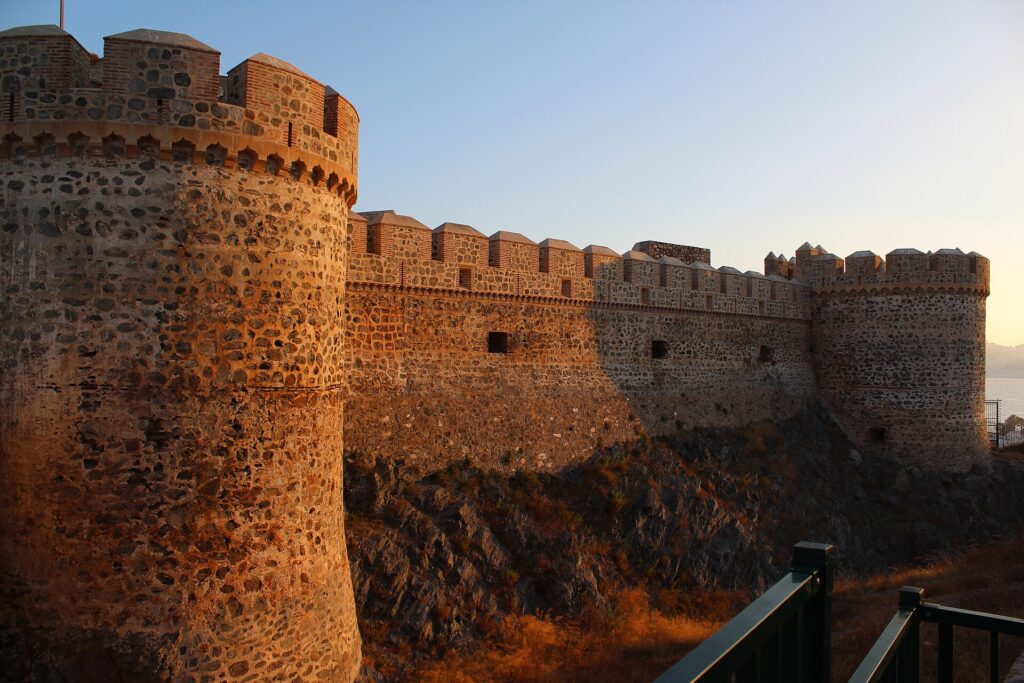
Castle of San Miguel
Castle of San Miguel was bombarded by allied British warships, then served as Almuñécar’s cemetery for nearly 150 years — a leaning tower still marks the damage today.
Castle of San Miguel was bombarded by allied British warships, then served as Almuñécar’s cemetery for nearly 150 years — a leaning tower still marks the damage today.
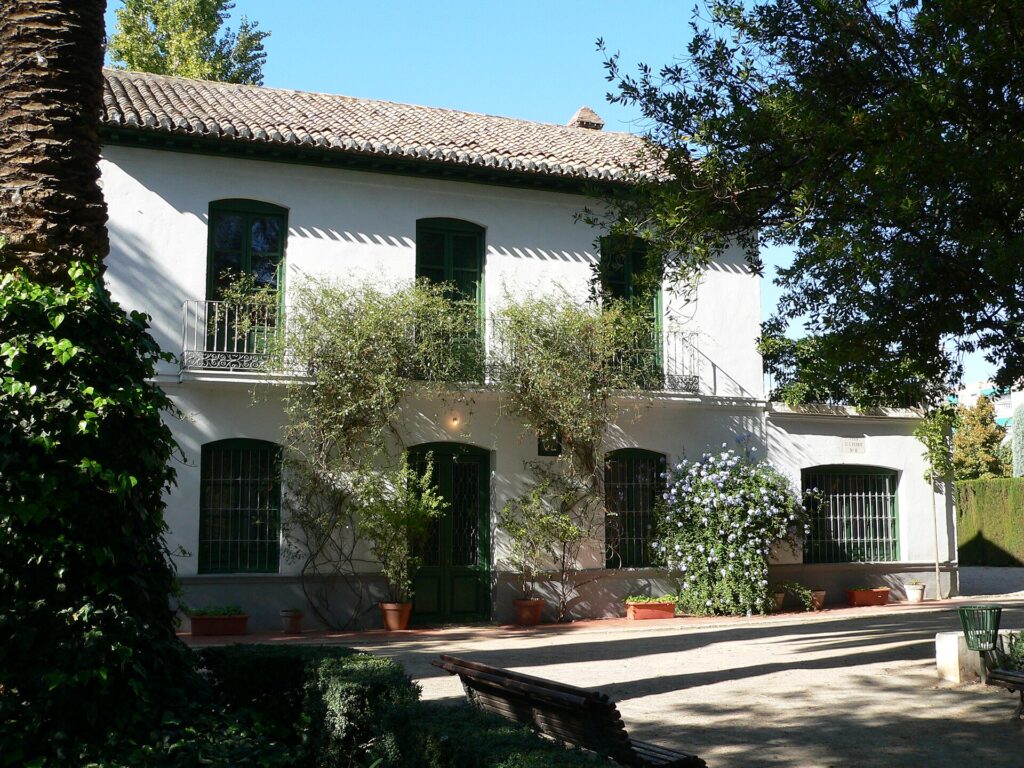
Federico García Lorca’s summer home was reconstructed from a single photographer’s 1935 visit, since his family fled Granada after his 1936 murder and never returned.
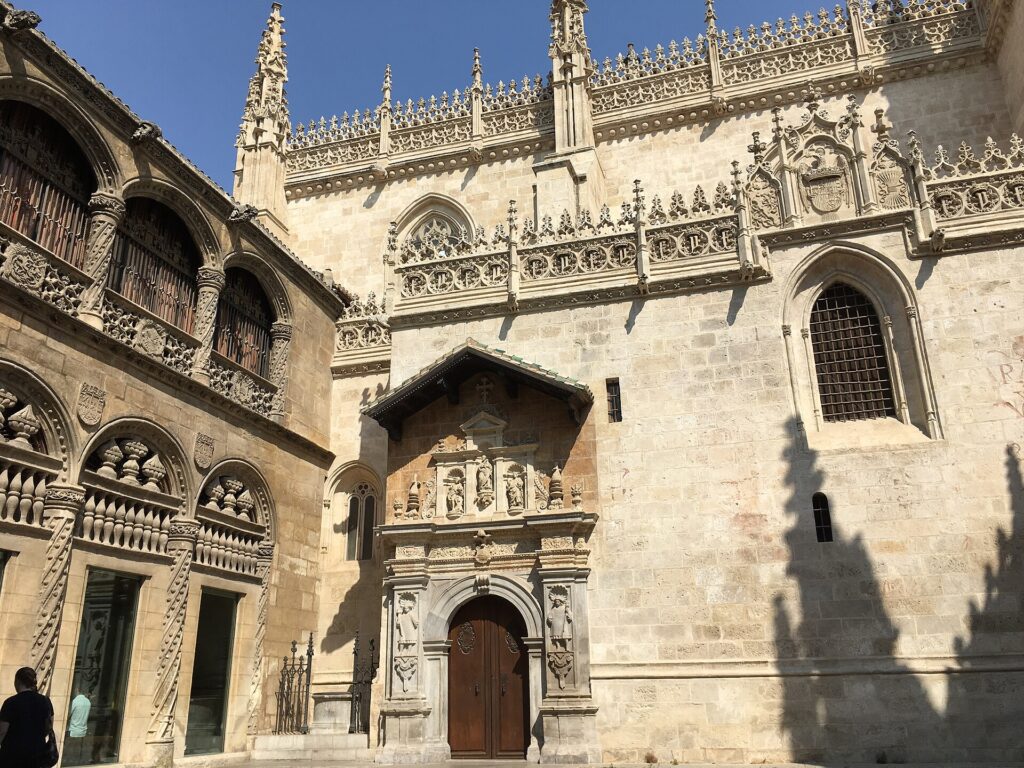
An ordinary silver mirror belonging to Queen Isabella was mistakenly used as a sacred monstrance for centuries at Granada’s Royal Chapel, the burial place of the Catholic Monarchs.
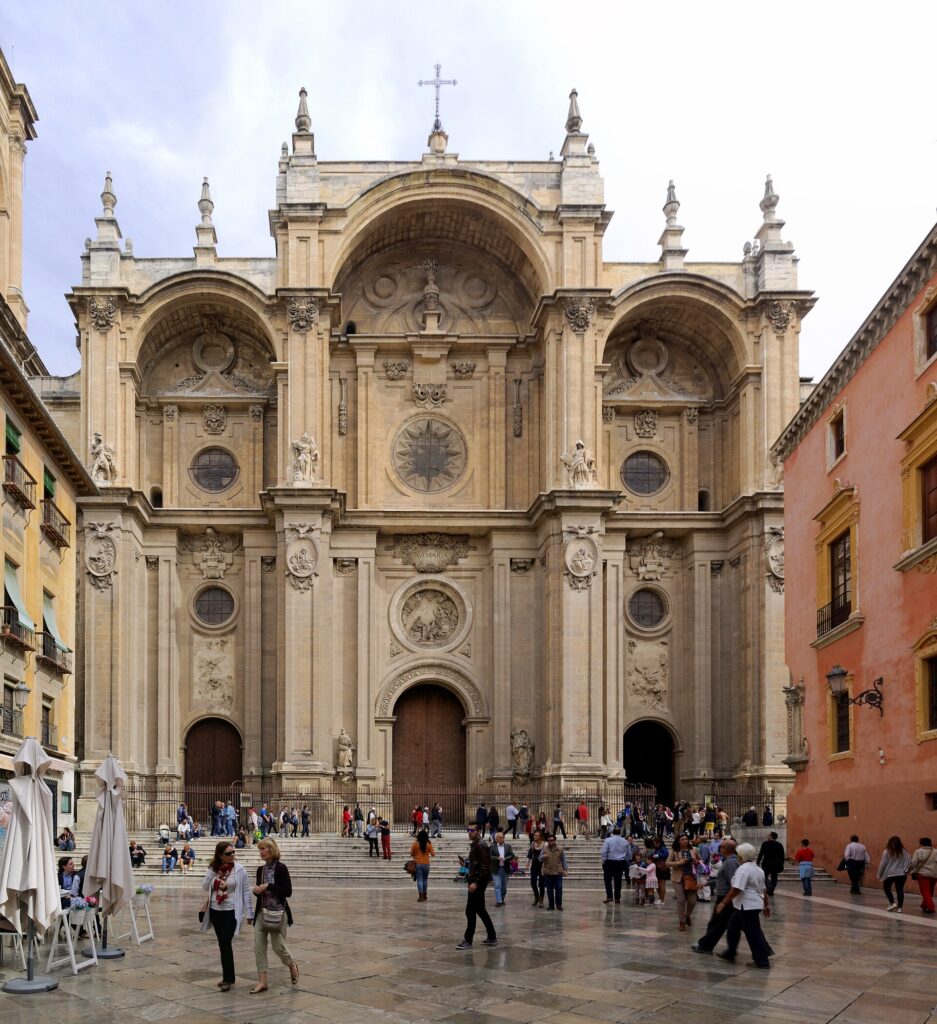
Granada Cathedral’s tower had to be built nearly 30 metres shorter than planned because its Gothic-era foundations couldn’t bear a full Renaissance tower’s weight.
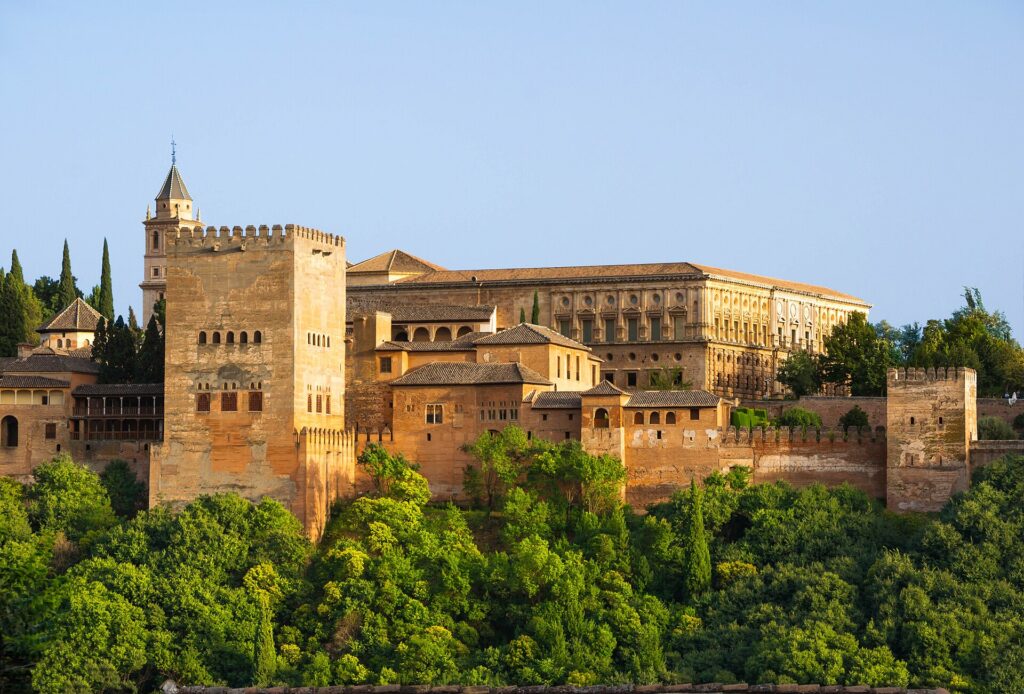
The Alhambra’s walls carry first-person poems where the architecture itself speaks — the largest collection of Arabic poetry inscribed on any building in the world.
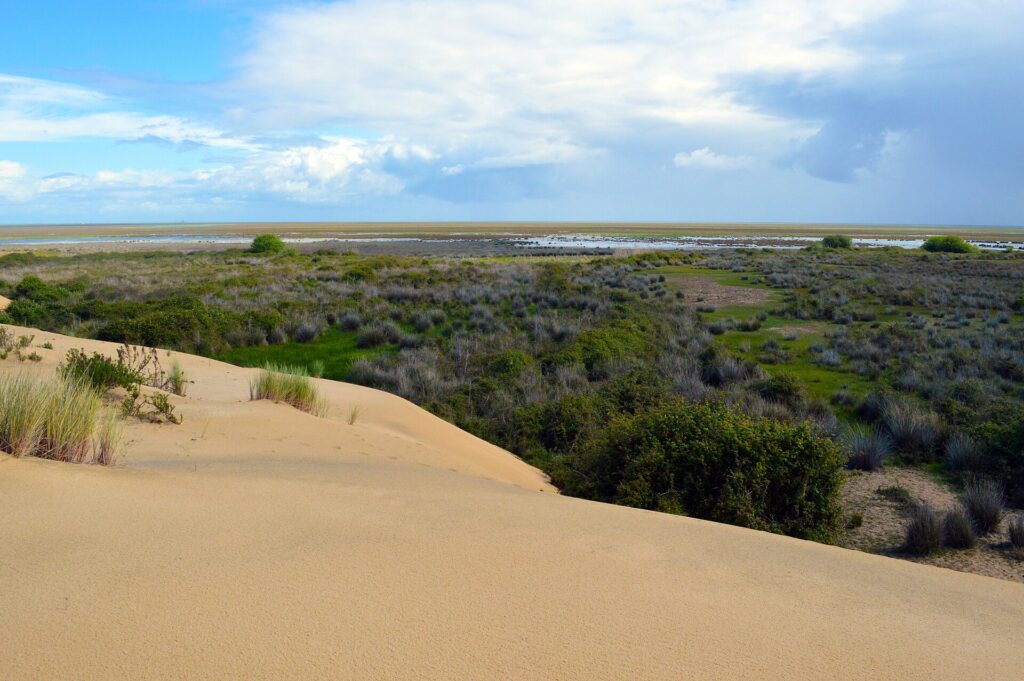
Doñana National Park is a natural reserve of marshes, shallow streams and sand dunes in the delta where the Guadalquivir flows into the Atlantic Ocean, covering 543 km2 across the provinces of Huelva, Cádiz and Seville. It was established as a nature reserve in 1969, when the World Wildlife Fund joined with the Spanish government to purchase a section of the marshes.
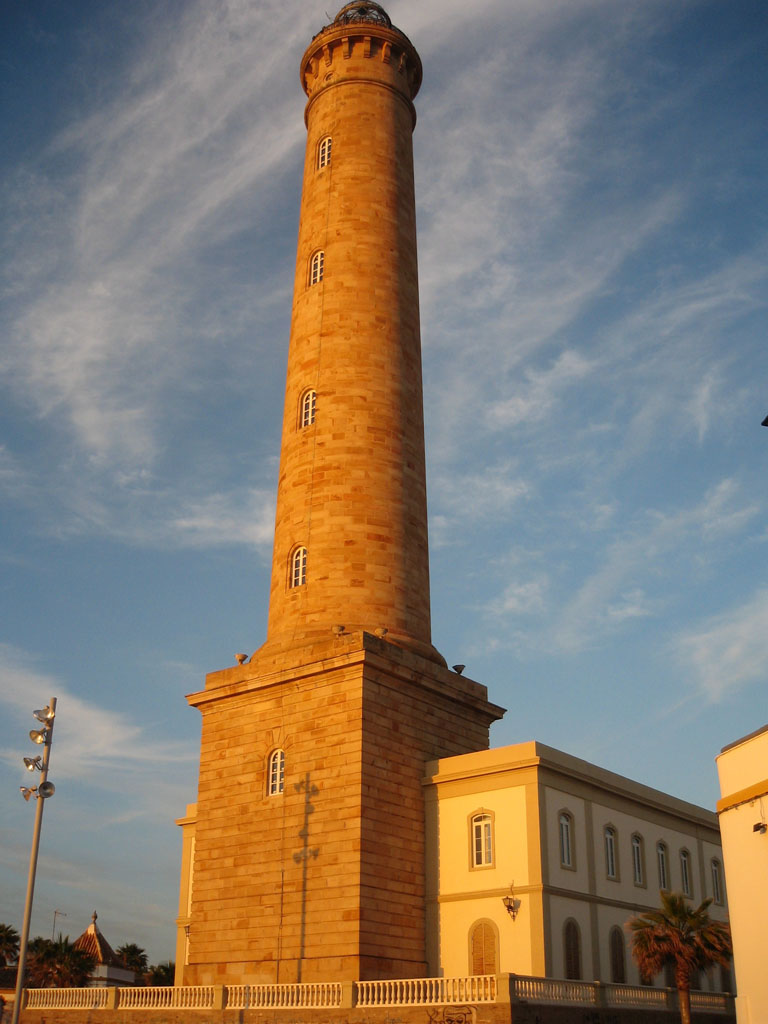
Chipiona Lighthouse is an active 19th-century lighthouse on Punta del Perro in Chipiona, about 6 kilometres southwest of the Guadalquivir entrance. At 62 metres it is the tallest lighthouse in Spain and the seventeenth tallest traditional lighthouse in the world, serving as the landfall light for Seville.
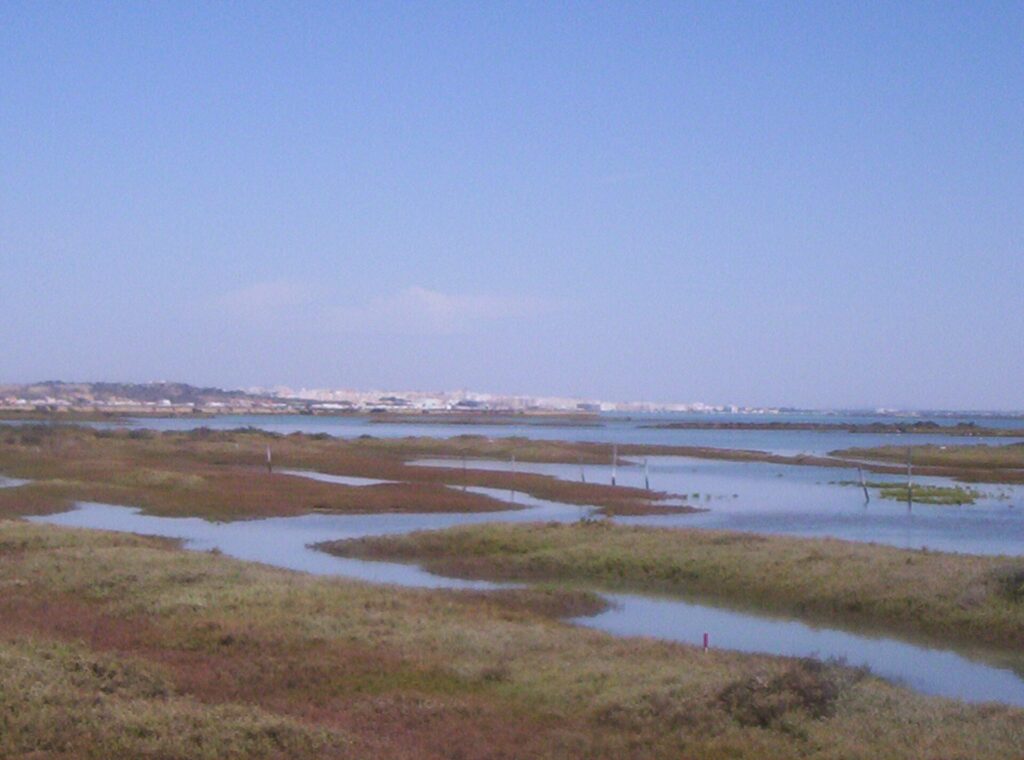
Bahía de Cádiz Natural Park is a 10,522-hectare natural park established in 1989 at the mouth of the Guadalete river, consisting of marshland, beaches, reeds and sand dunes. A Special Protection Area for birds, it hosts flamingos, storks, cormorants and terns, with birdwatching, sailing, windsurfing and hiking among its activities.
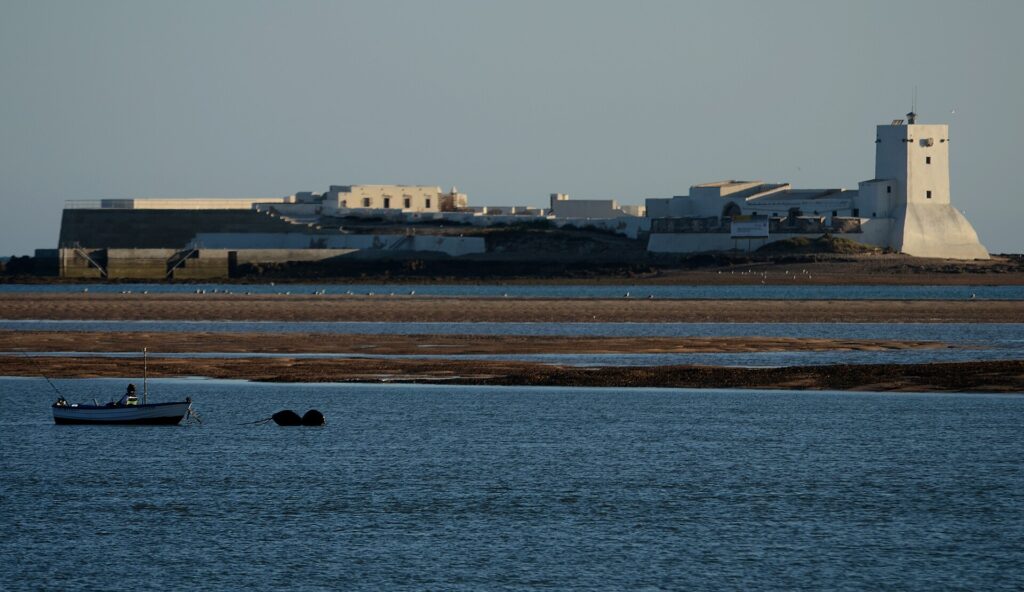
The Castle of Sancti Petri is a 13th-century Moorish-style stronghold on the little island of Sancti Petri, once one of a series of forts protecting the Caño de Sancti Petri inlet. The Phoenicians founded a temple on the island dedicated to their god Melqart, which the Romans rededicated to Hercules.
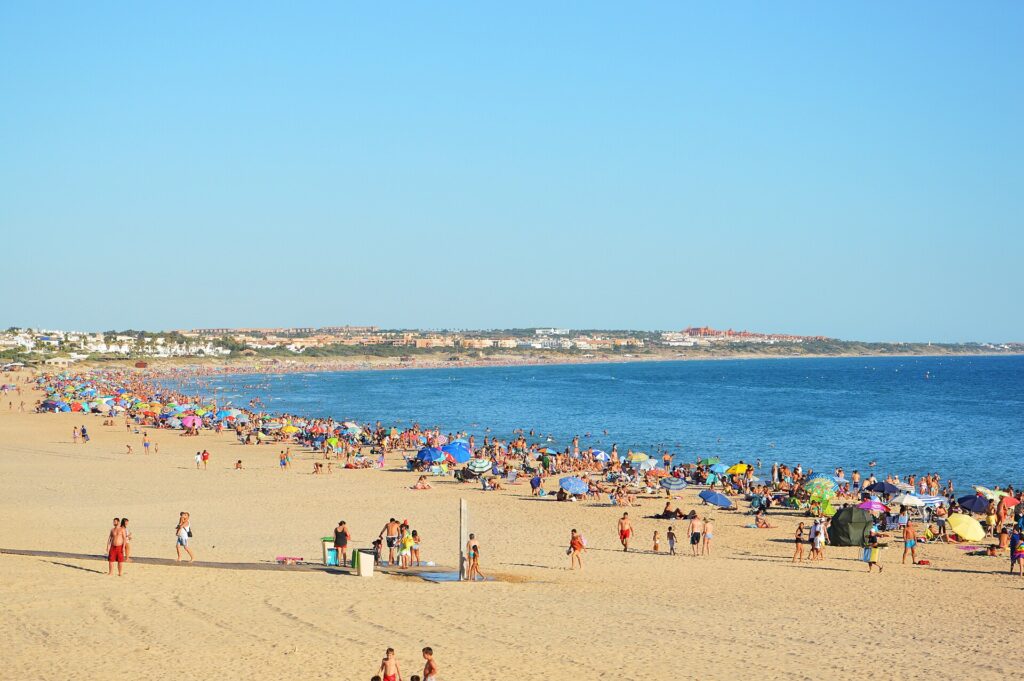
Playa de la Barrosa is a six-kilometre-long beach in Chiclana de la Frontera, separated from the Playa de Sancti Petri by cliffs, with the Torre Bermeja tower at its north end and the resort of Novo Sancti Petri at its south end. It was the site of the Battle of Barrosa in 1811.