
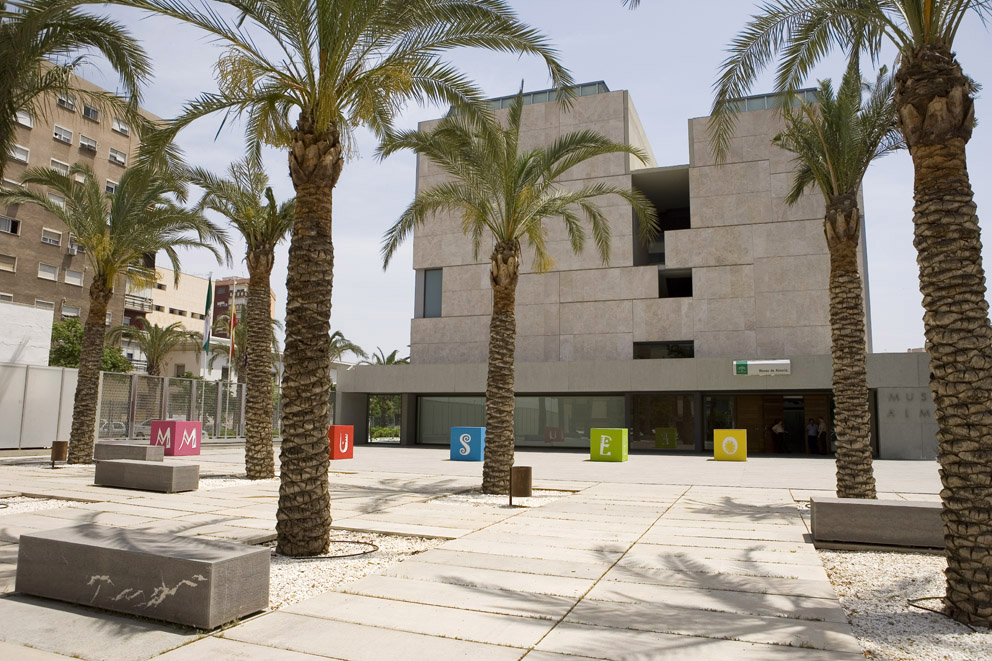
Museum of Almería
The Museum of Almería lets visitors literally climb through 5,000 years of history via a 13-metre stratigraphic column in its stairwell.
The Museum of Almería lets visitors literally climb through 5,000 years of history via a 13-metre stratigraphic column in its stairwell.
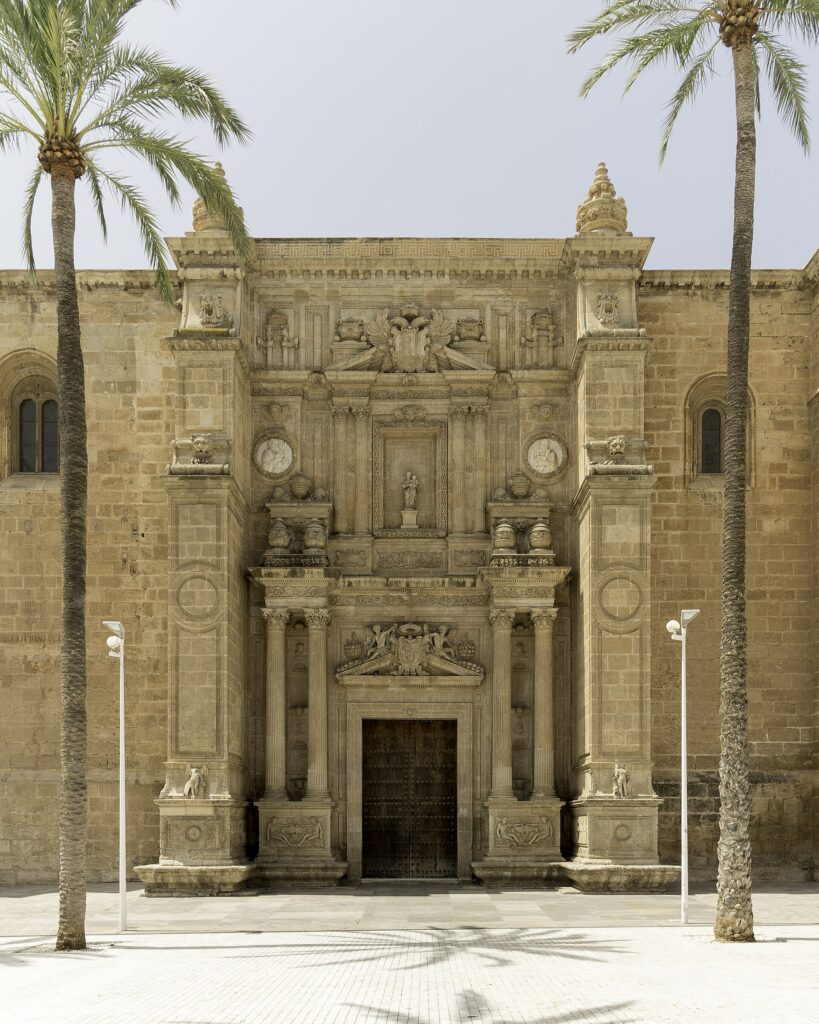
Almería Cathedral is Spain’s only fortified cathedral from the 16th century, built with actual cannon holes to defend against pirate raids.
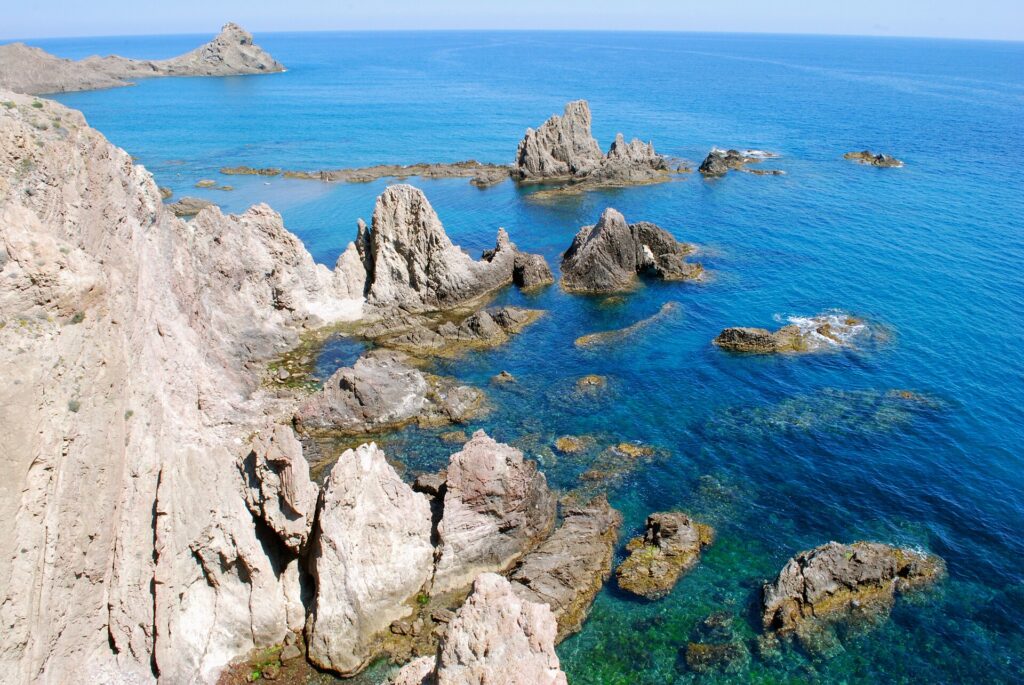
Cabo de Gata-Níjar’s desert-dry cliffs were born as underwater volcanic eruptions millions of years ago — now Andalusia’s first protected marine-terrestrial park.
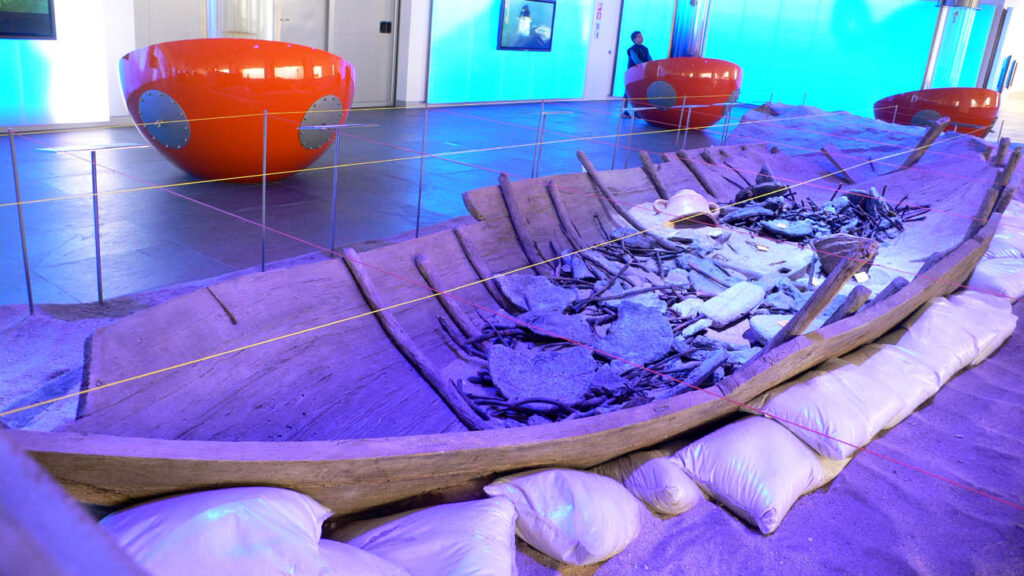
The Mazarrón shipwrecks yielded the earliest true anchor ever found in the Mediterranean, and a construction technique still debated as Phoenician or local Iberian.
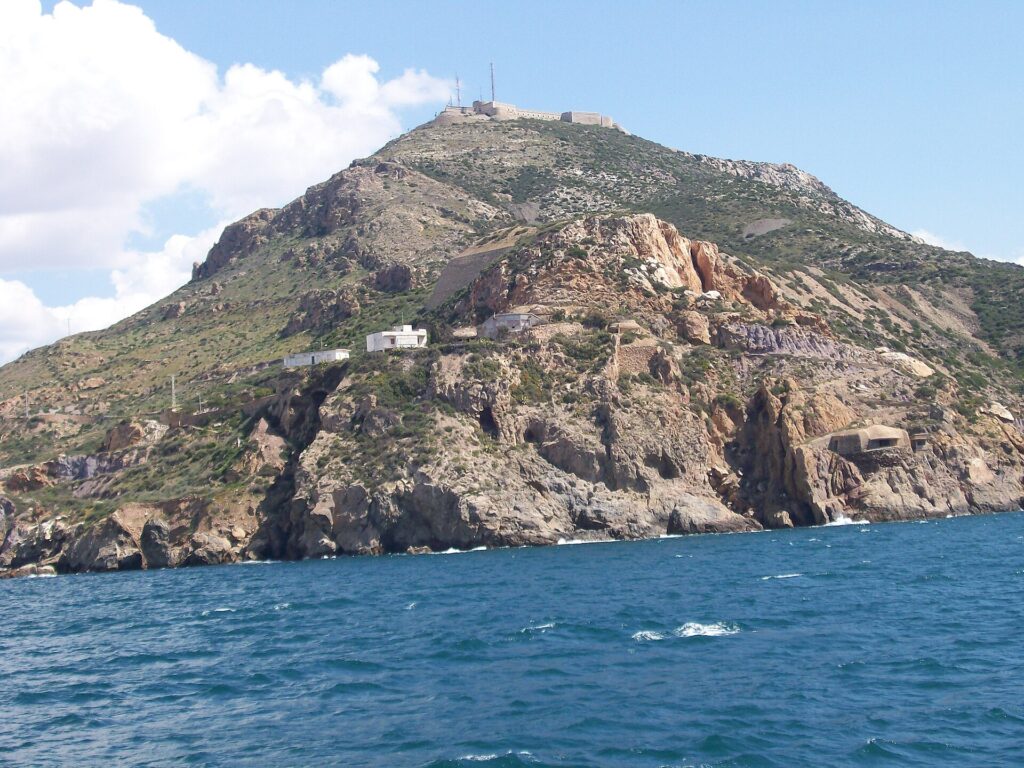
Spain built this fort around a tower British forces constructed during their 1706 occupation of Cartagena — a project that took over a century to complete.
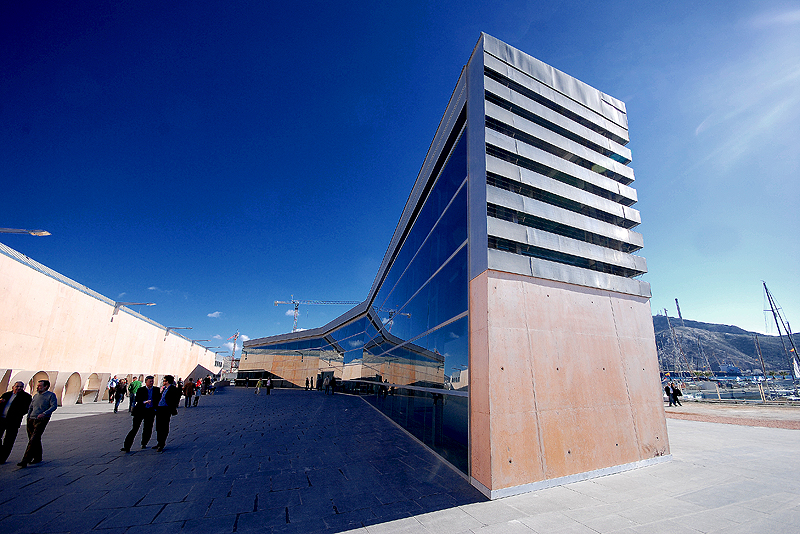
A $500 million treasure secretly flown to Florida under the codename “Black Swan” was won back by Spain in a Supreme Court battle — now on display at this Cartagena museum.
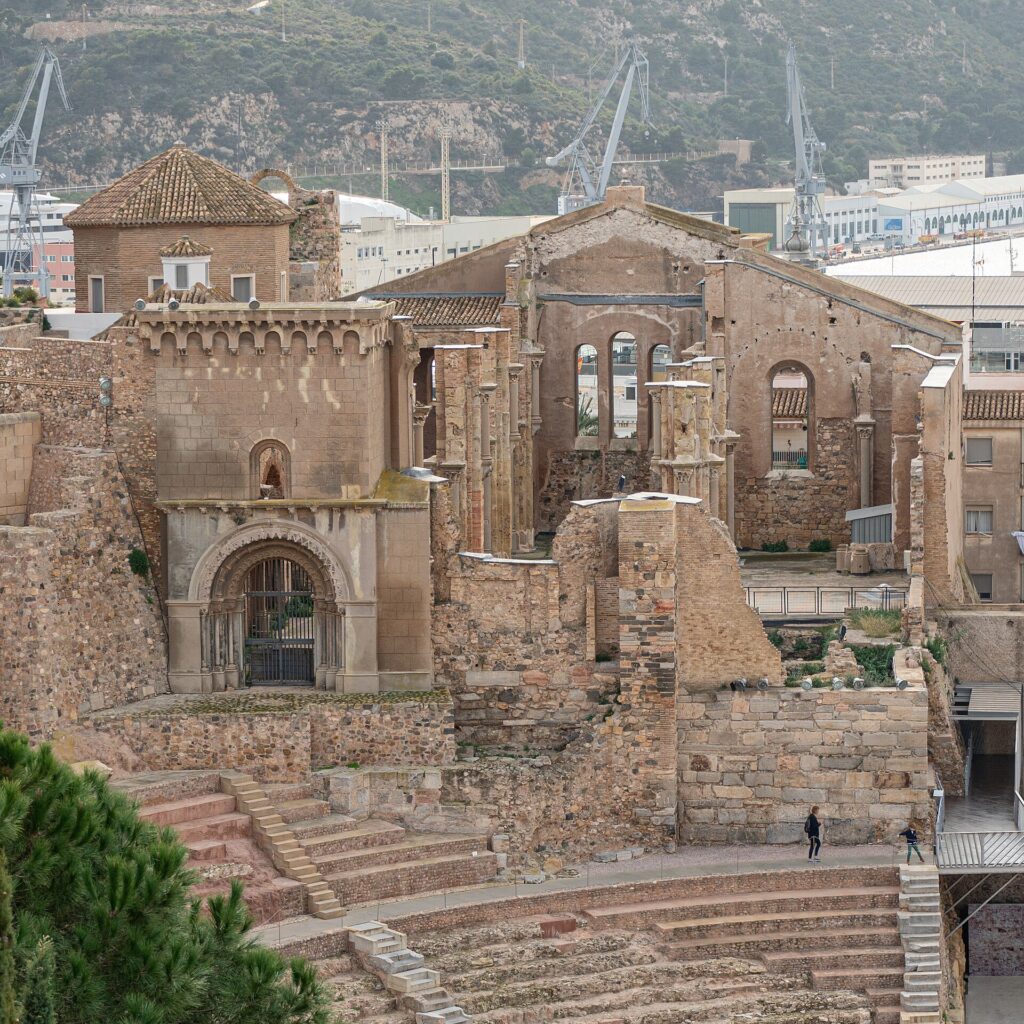
Cartagena Cathedral lost its own religious authority to Murcia in 1291, then was shelled into ruin by its own country’s army in 1939.
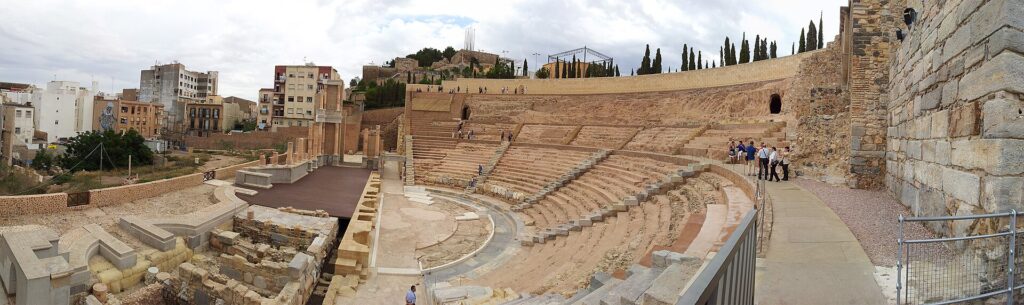
Cartagena’s 7,000-seat Roman theatre was completely unknown until a construction crew stumbled onto it by accident in 1988.
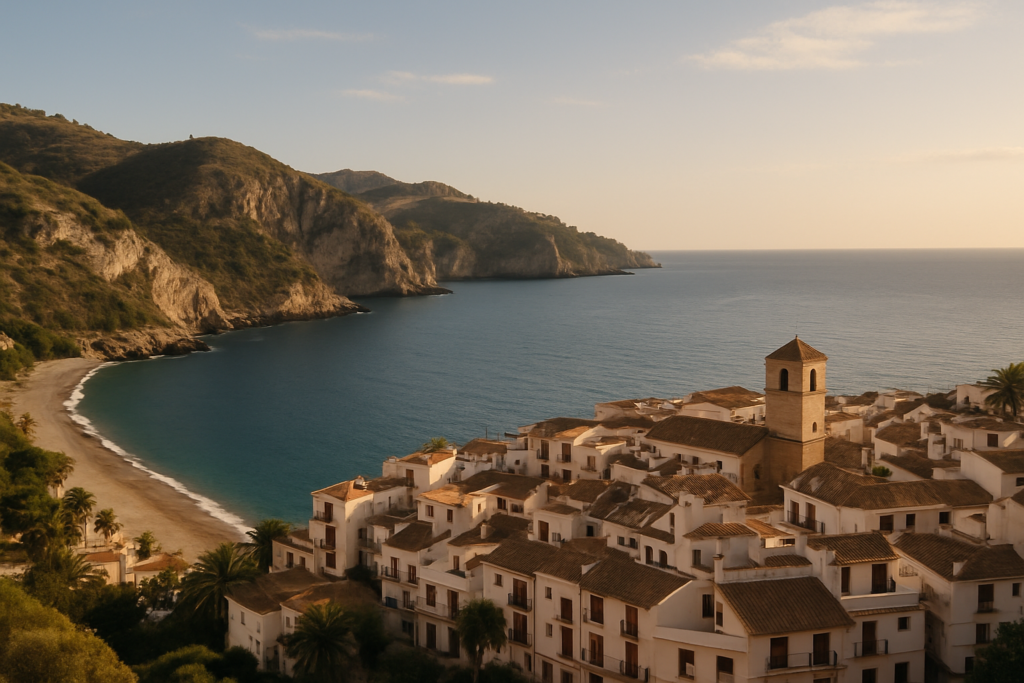
Maro-Cerro Gordo’s cliffs span two provinces as one continuous protected landscape, guarding endangered orange coral in its underwater caves.
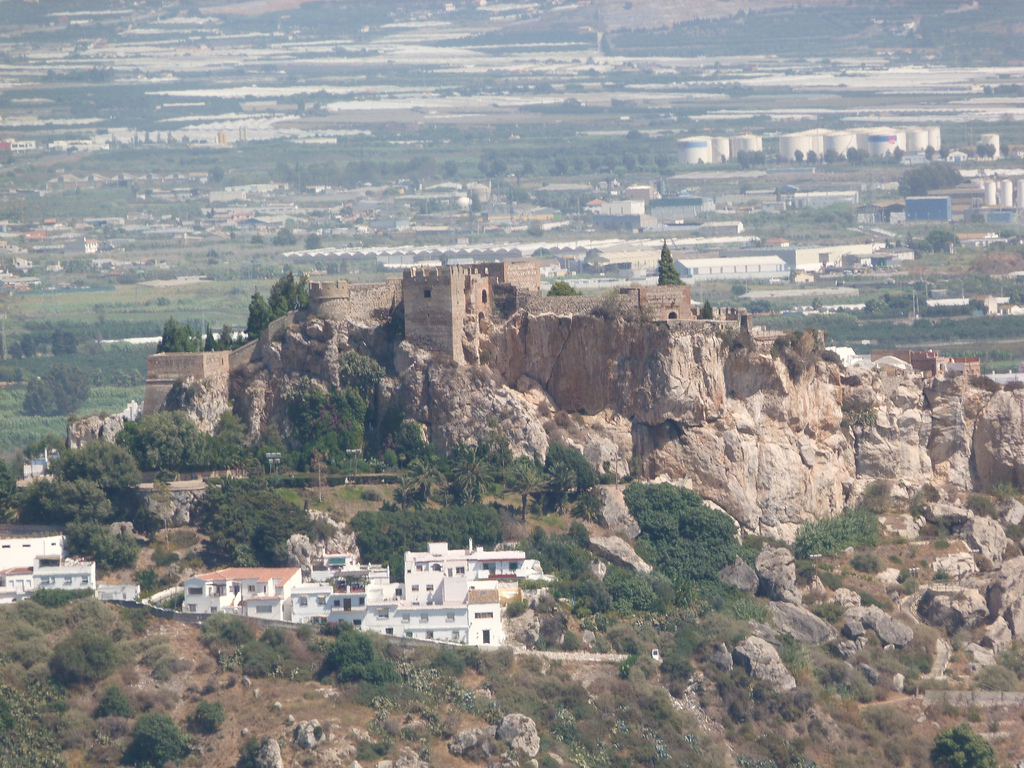
Salobreña Castle was the Nasrid dynasty’s gilded prison for deposed sultans — one was held here for eleven years, and Washington Irving immortalized its legend of three captive princesses.