
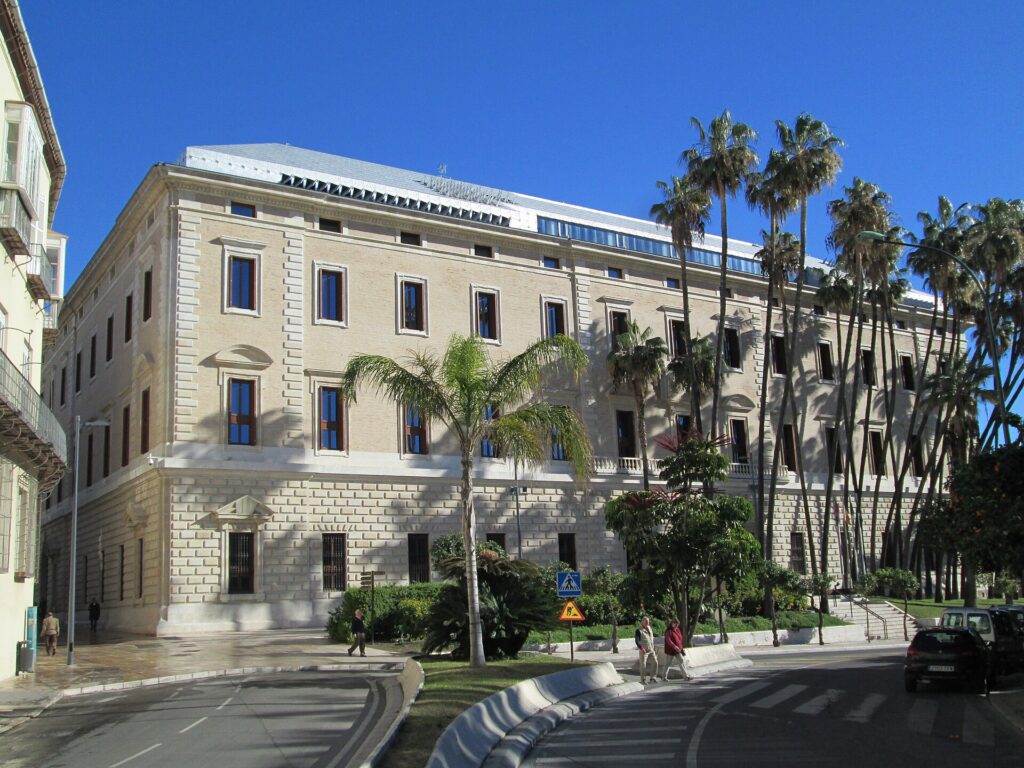
Museo de Málaga
Andalusia’s largest museum was created in 1973 and opened in 2016 — its collections spent decades in storage waiting for a building.
Andalusia’s largest museum was created in 1973 and opened in 2016 — its collections spent decades in storage waiting for a building.
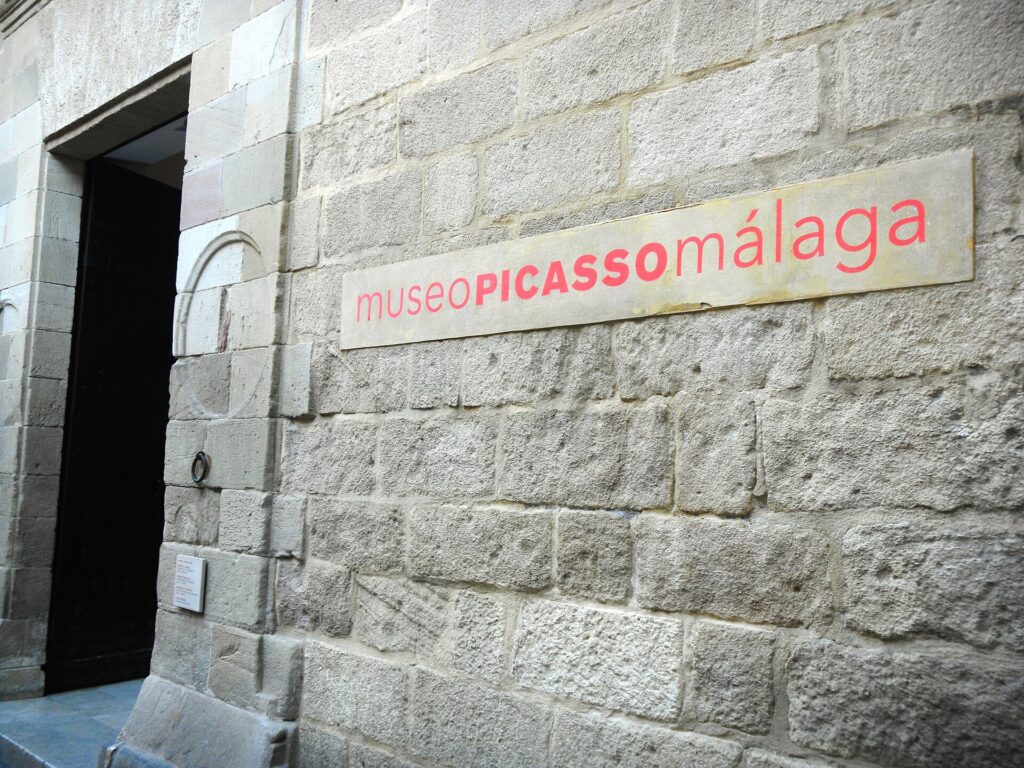
Digging the foundations for Málaga’s Picasso museum uncovered a Phoenician wall, a Roman garum factory and a Nasrid palace. All still visible.
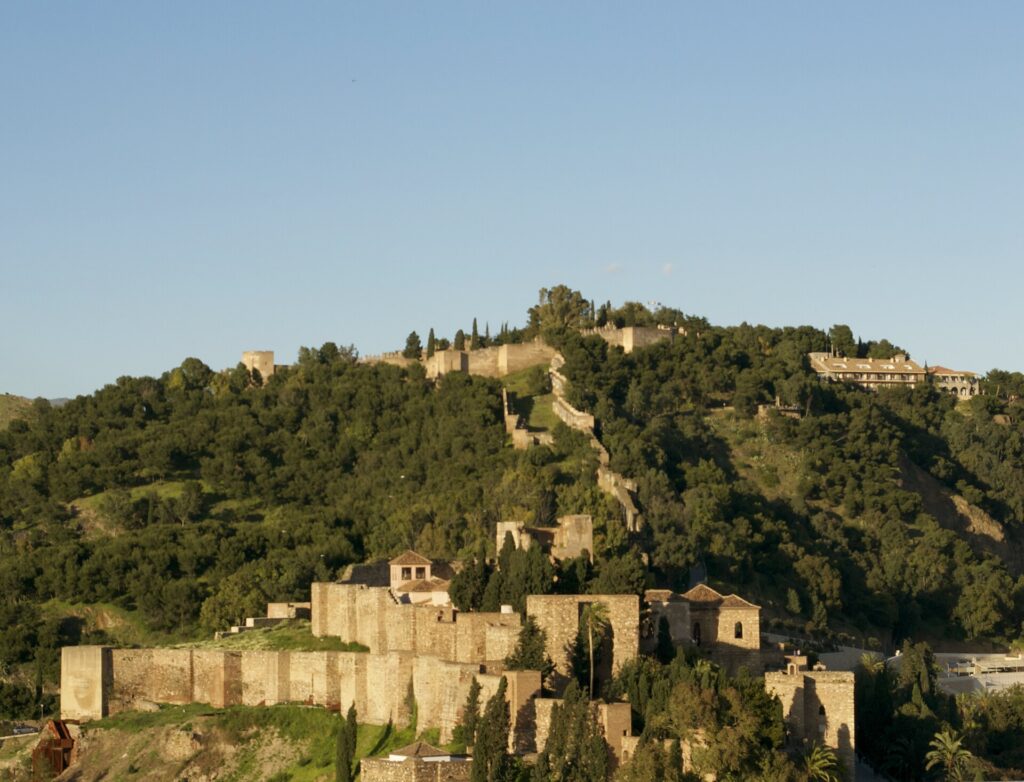
Gibralfaro means ‘rock of the lighthouse’ — named for a Phoenician beacon. Its 40-metre rock-cut well is why the 1487 siege lasted three months.
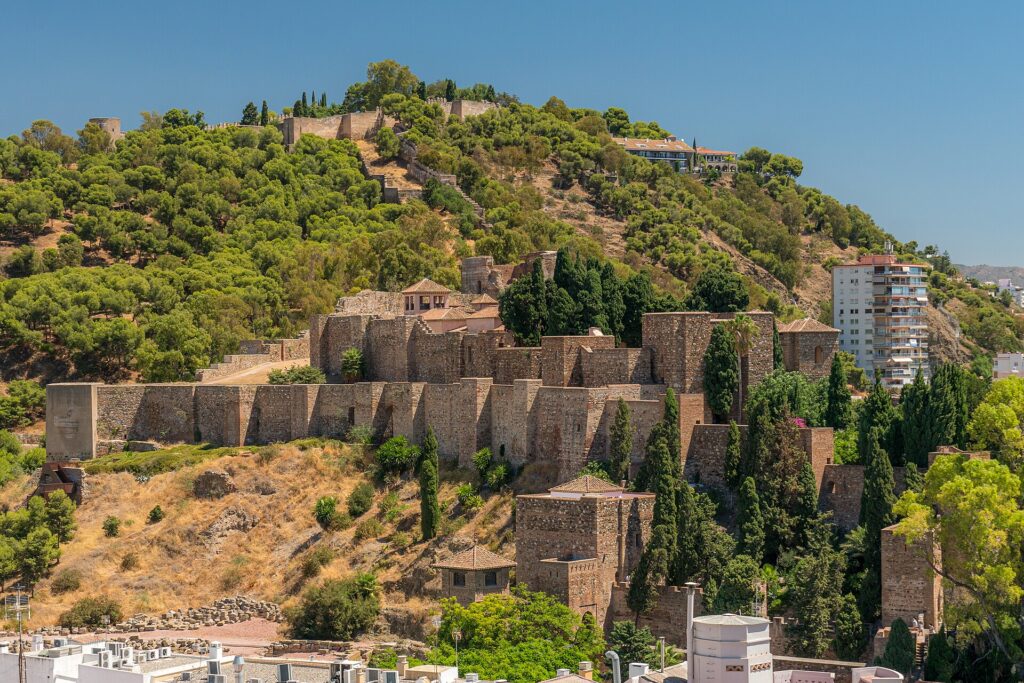
Málaga’s 11th-century fortress was built partly out of the Roman theatre at its feet — which then vanished until 1951.
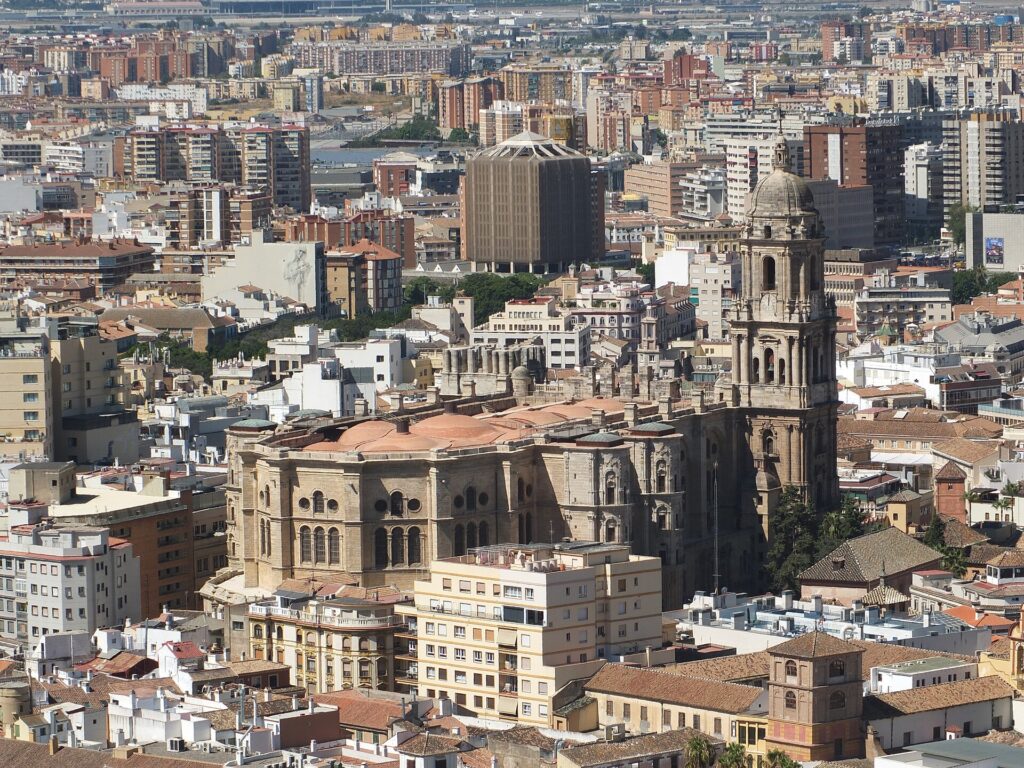
Málaga’s cathedral is missing a tower. A plaque blames the American Revolution; parish records point to a road and an aqueduct.
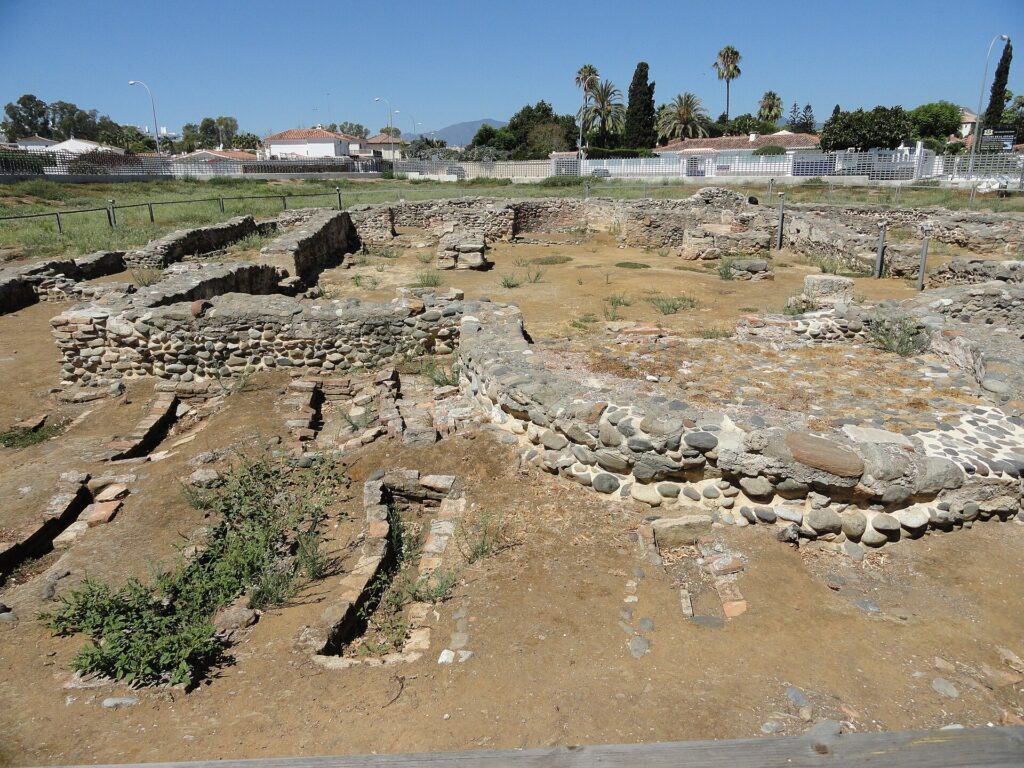
Specialists still disagree on whether this basilica had one apse or two, and which century built it. The marble immersion font is not in doubt.
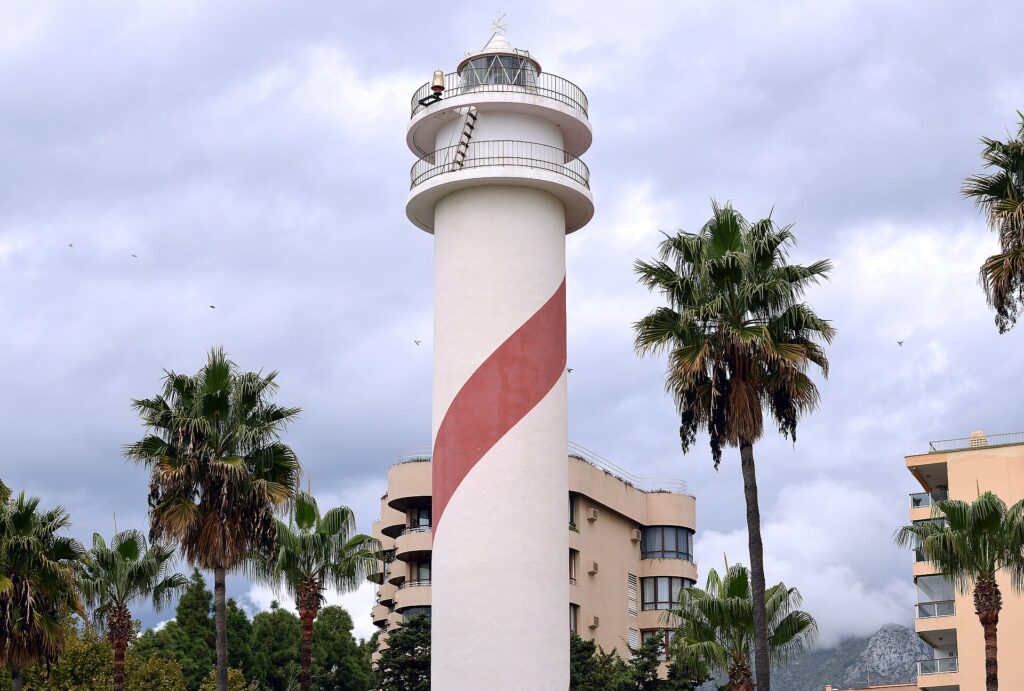
A light has burned at Marbella since 1864, but the tower moved in 1974 — the resort had grown so close that ships confused it with house windows.
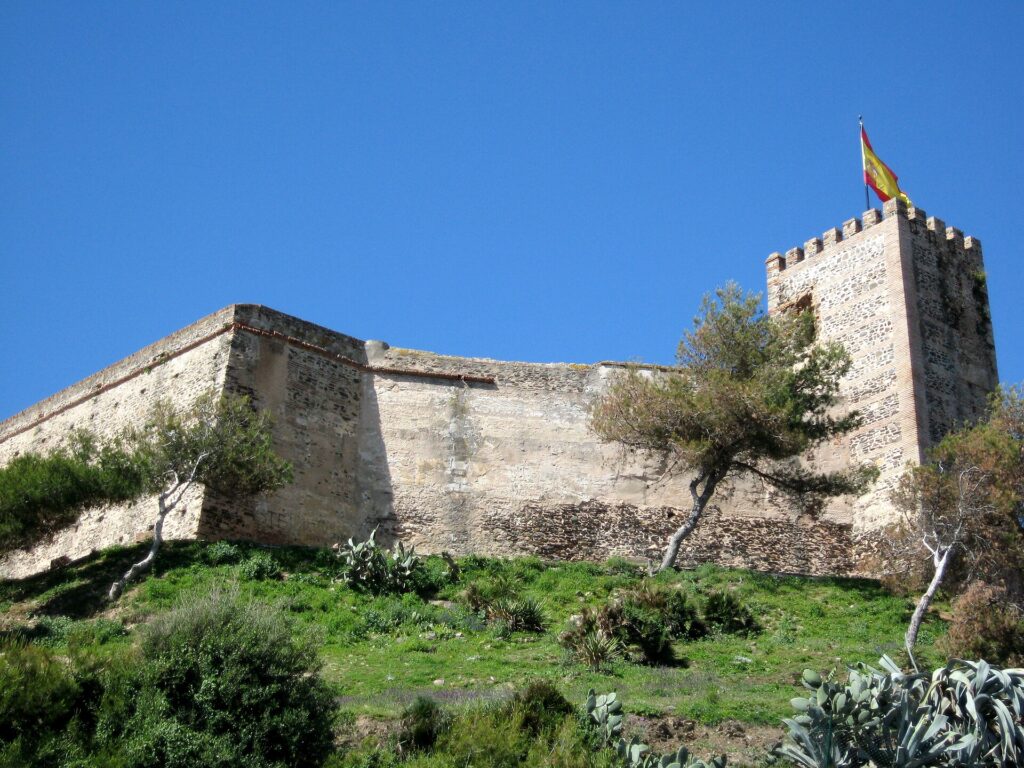
Sohail Castle is named after Canopus, the star ships from Africa steered by — and after Suel, the Roman town on the same hill.
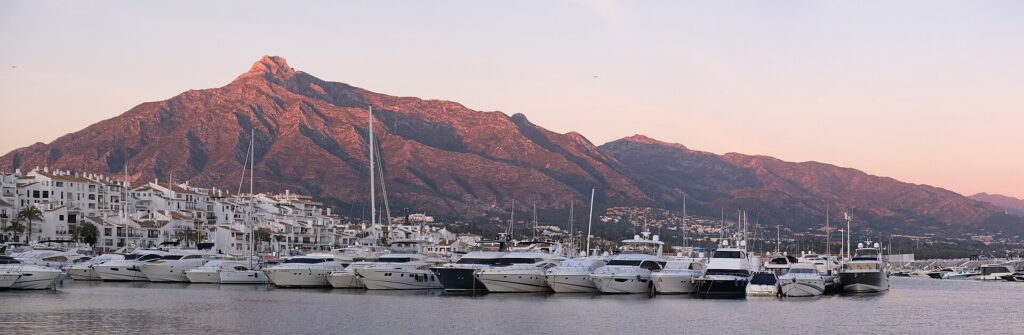
La Concha shields Marbella and creates its microclimate — and generates more mountain rescues than anywhere else on the Costa del Sol.
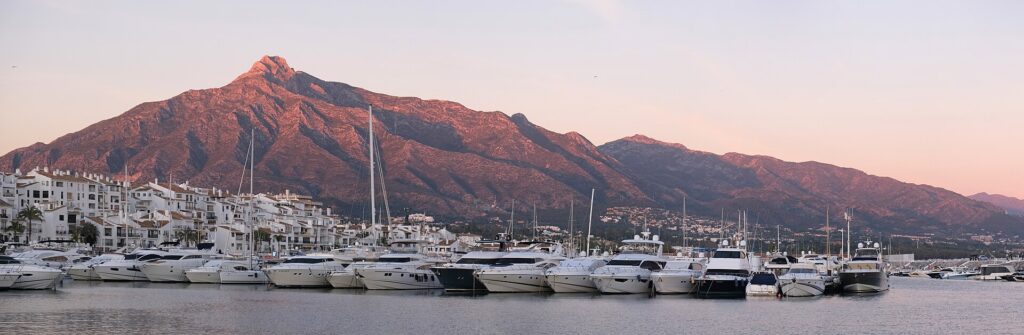
Puerto Banús was meant to be high-rise blocks. The architect talked the developer out of it and built a fake Andalusian village instead.