
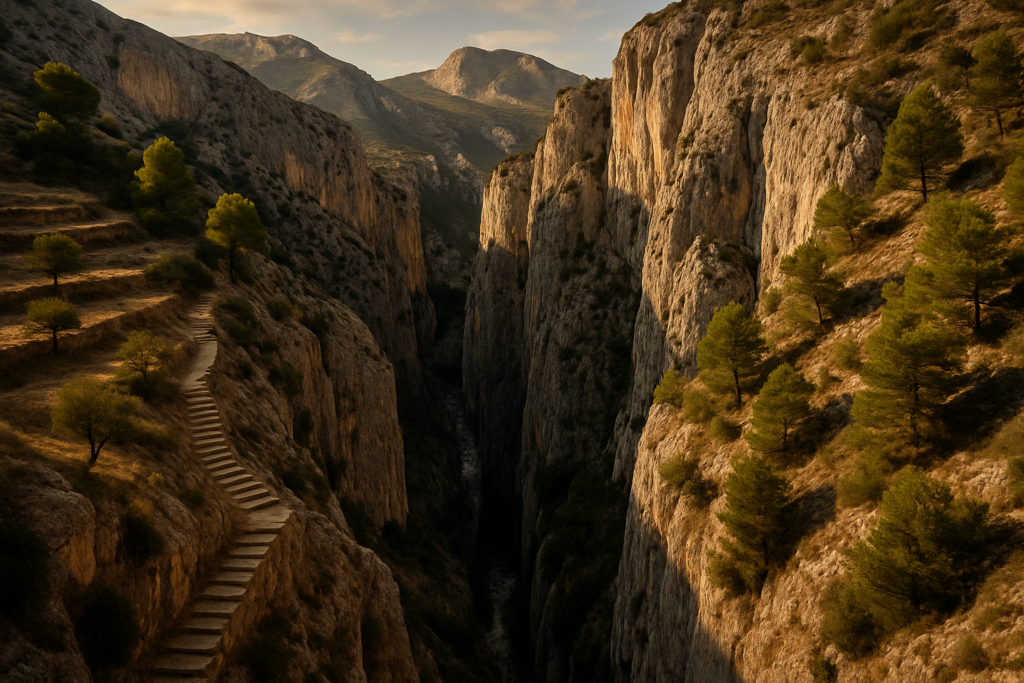
Barranc de l’Infern
One of the Costa Blanca’s most famous hikes: a circular trail through a deep gorge on 6,800 Moorish stone steps, the Cathedral of Hiking in the Vall de Laguar.
One of the Costa Blanca’s most famous hikes: a circular trail through a deep gorge on 6,800 Moorish stone steps, the Cathedral of Hiking in the Vall de Laguar.
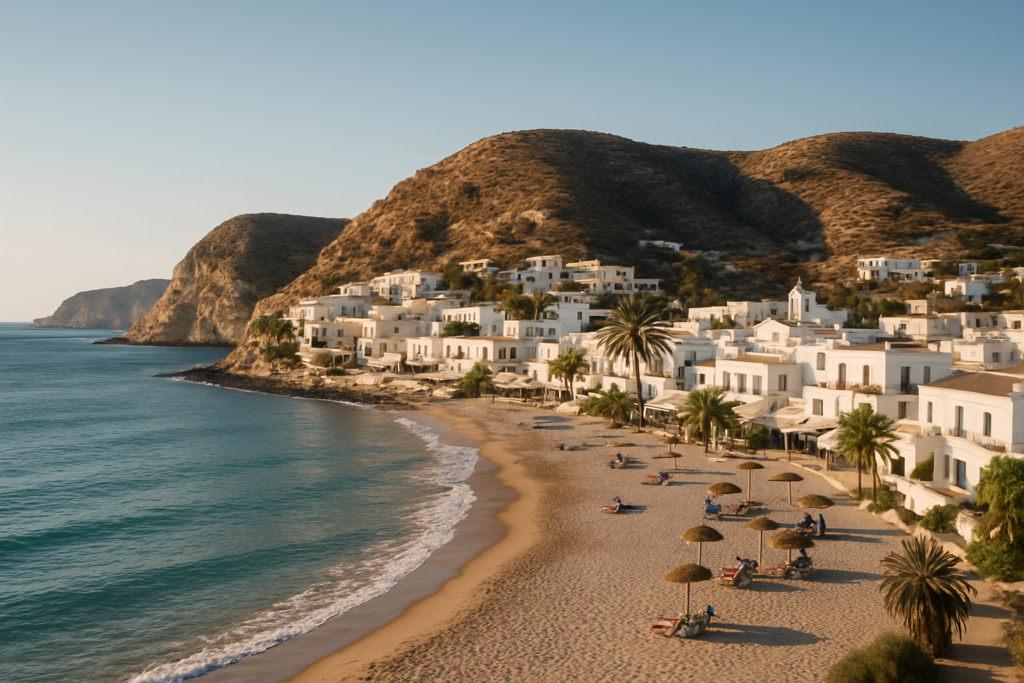
Agua Amarga’s name origin is genuinely disputed — and an 1811 silver strike here is credited with helping finance the Chilean War of Independence.
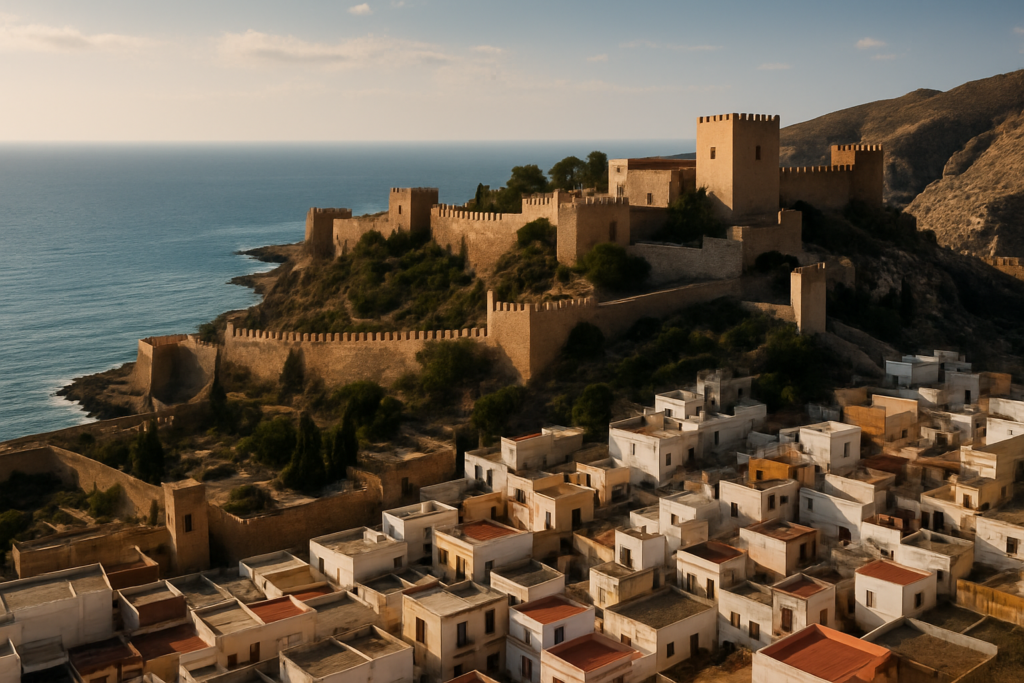
The Alcazaba of Almería reached its golden age under Al-Jayrán, a former slave who became independent ruler of the city after the Caliphate of Córdoba collapsed.
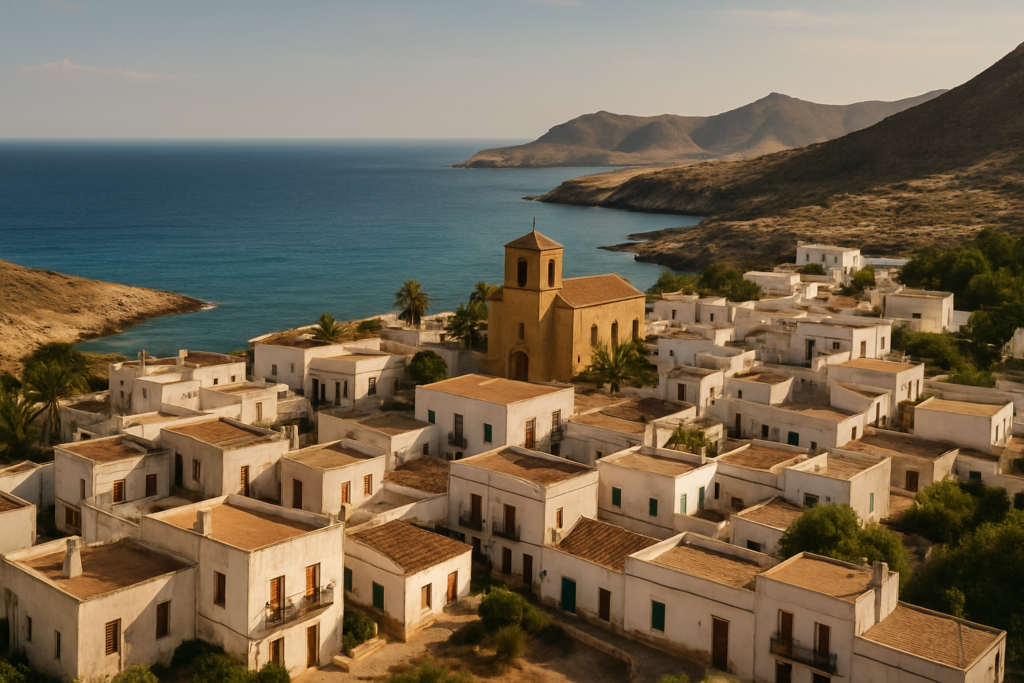
Rodalquilar’s population collapsed from 1,345 to just 79 in 25 years after its gold mines closed — the abandoned ruins later became an Indiana Jones filming location.
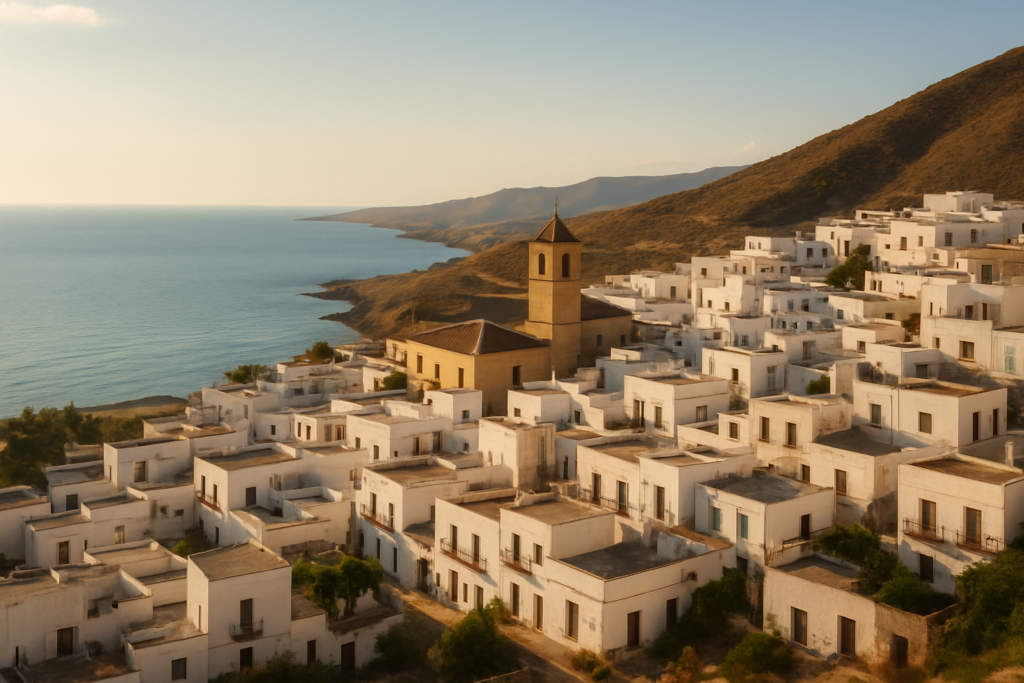
Níjar’s jarapa rugs are traditionally woven from recycled fabric scraps — a centuries-old craft now down to a handful of remaining weavers.
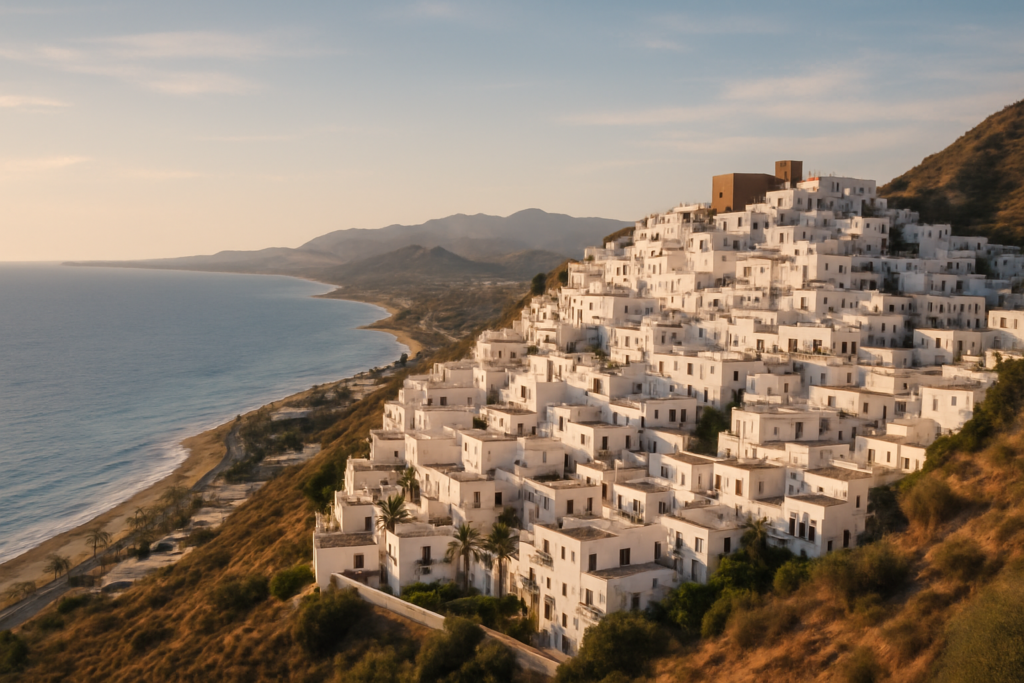
Mojácar claims to be Walt Disney’s birthplace via a persistent unproven legend, and was saved from near-abandonment in the 1960s by a mayor who gave the town away for free.
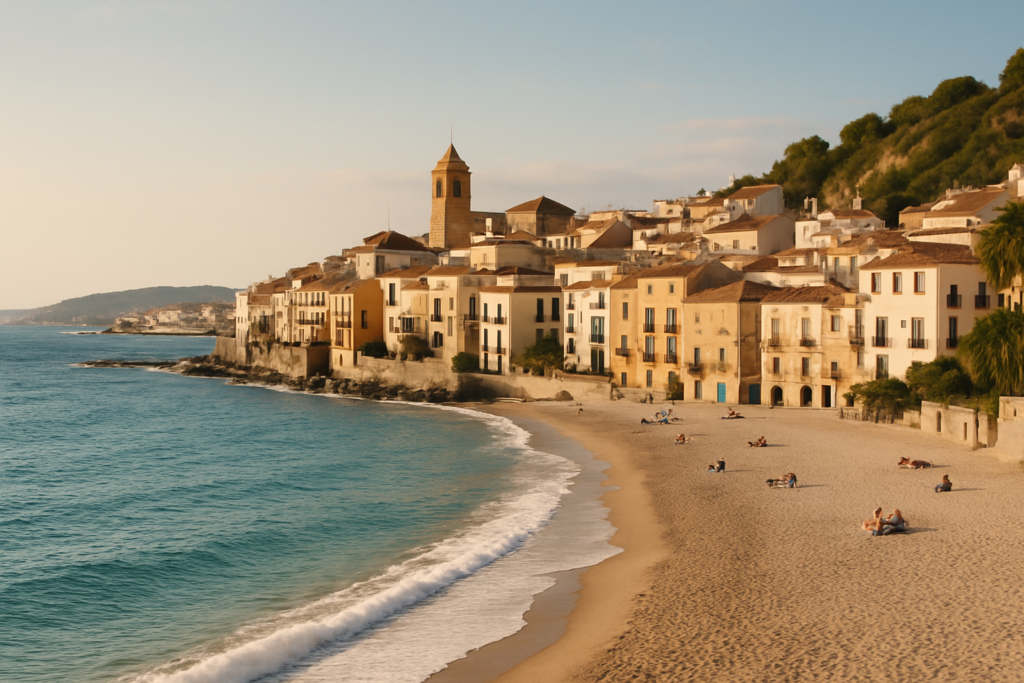
Playa de los Muertos got its name from centuries of shipwrecks washing ashore where currents converge — now named Spain’s most beautiful beach.
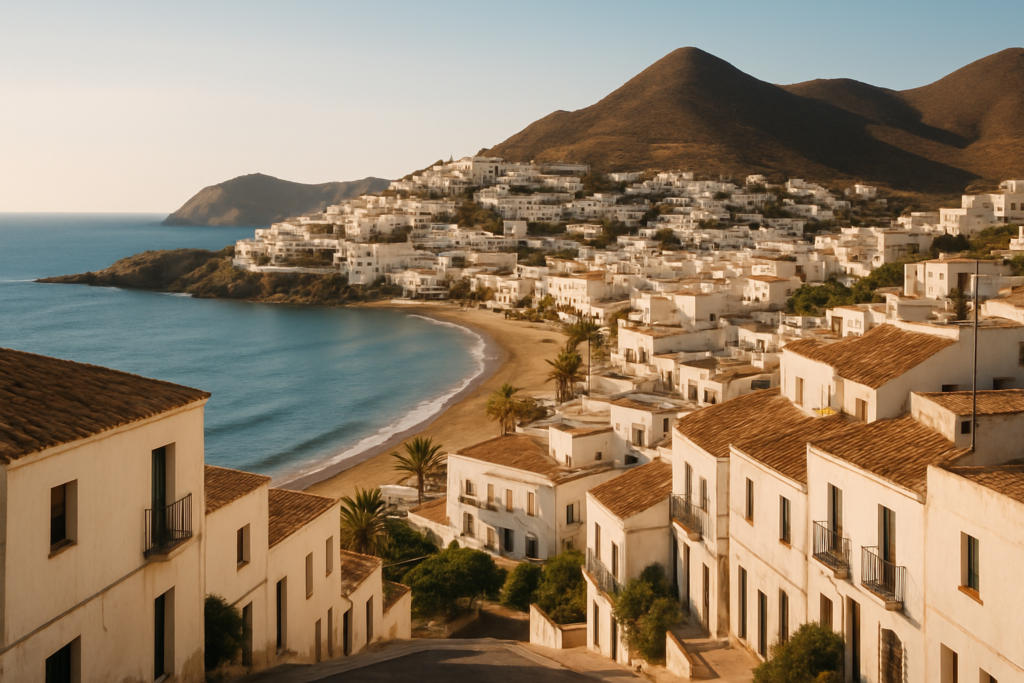
San José’s coastline has doubled as the Wild West, the Middle East and an Indiana Jones adventure, all within the same few kilometers of Almería sand.
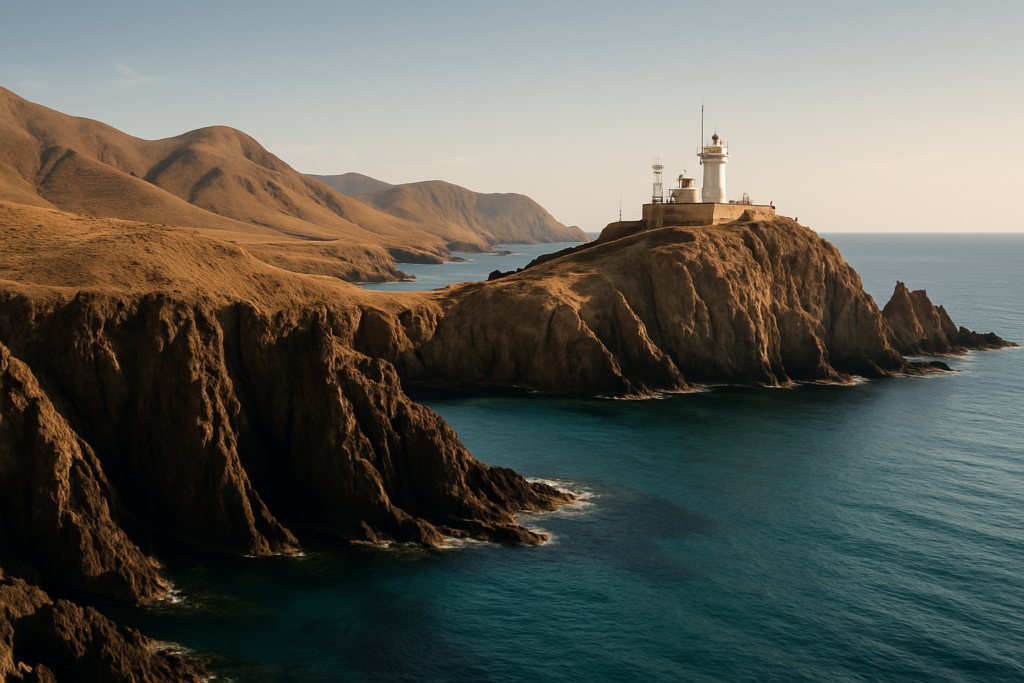
Cabo de Gata’s salt flats are western Andalusia’s last working industrial saltworks and one of its most important bird habitats — at the same time.
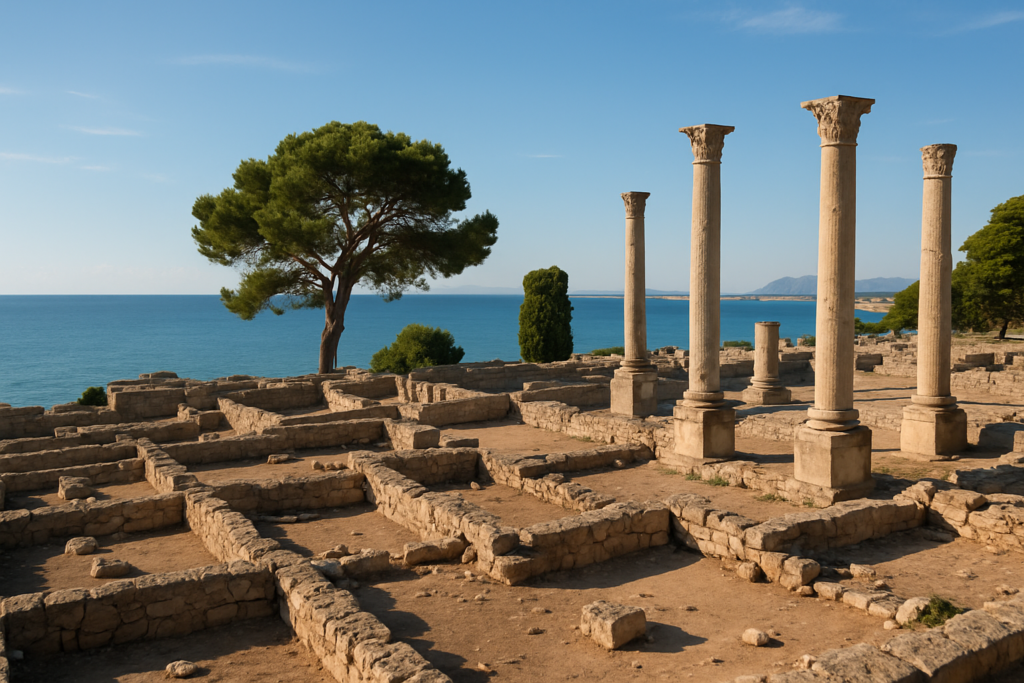
Empúries is a Greco-Roman archaeological site beside the sea near L’Escala, preserving a Greek and later Roman town on the