
Don’t arrive expecting a Gaudí skyline like Barcelona’s — the town where he was born has a subtler appeal. This is a compact, very Catalan commercial centre that surprises visitors with richly preserved Modernista architecture, a stubbornly local vermouth culture and surprisingly easy access to the Costa Dorada coast. Expect a lively market square, handsome turn‑of‑the‑century façades and practical transport links rather than beach-resort flash. If you value architecture, good food culture and short journeys to the sea, you’ll be pleased; if you want white-sand beaches on the doorstep, choose a coastal base instead and visit for a day.
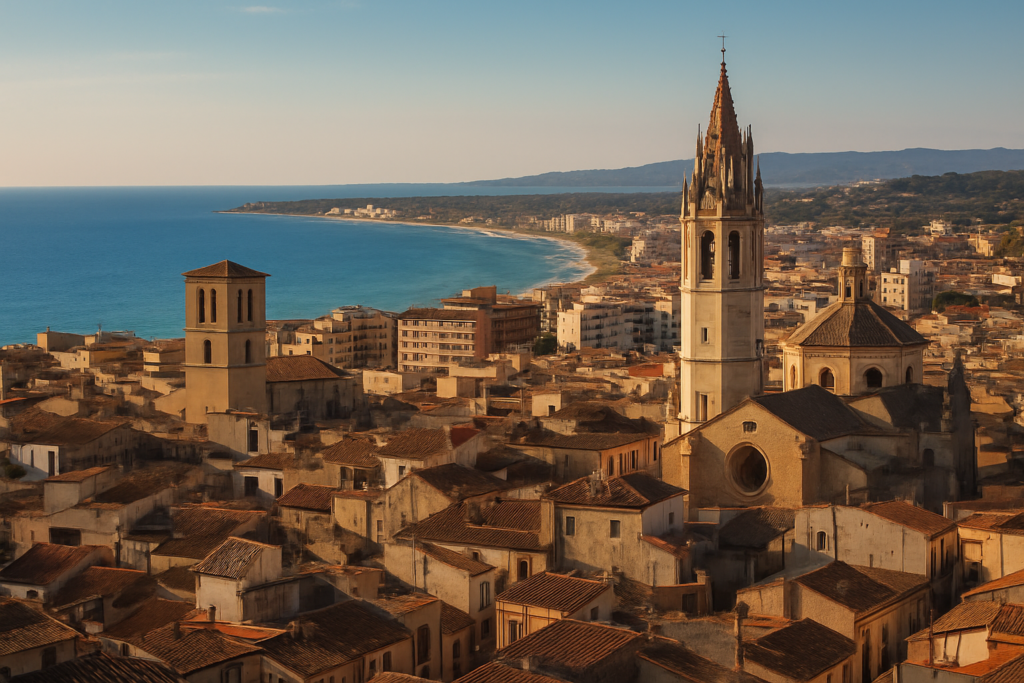
Reus at a glance
- Birthplace of Antoni Gaudí; home to the Gaudí Centre visitor centre at Pl. Mercadal, 3.
- Compact modernist town centre linked by a signposted Ruta del Modernisme showcasing dozens of Art Nouveau buildings.
- Closer to the Costa Dorada beaches — Salou and Cambrils are about 15 km away — and just east of the local airport (IATA: REU), which sits roughly 3 km from the centre.
- Well connected by rail: served by R14 trains from Barcelona and RT1 from Tarragona.
- Vermouth capital: a Vermouth Museum and traditional tavernas cluster around Plaça del Mercadal.
- Strong local sporting culture: Estadi Municipal de Reus hosts the Barcelona Dragons (European League of Football) and the city fields a roller hockey team, Reus Deportiu.
- Modern mobile coverage: 5G service is available from all Spanish carriers as of April 2026.
Things to do in the area
The town rewards slow exploration. Walk the modernist streets, linger over a vermouth in the main square, and slot in a visit to the Institut Pere Mata for a striking example of Modernista civic architecture. Use the place as a base for short excursions to the coast or the rock‑climbing crags nearby. Below are the main draws — most are clustered in or close to the historic centre, so you can see several in an afternoon.
| Attraction | What it is | Price/entry | Best for |
|---|---|---|---|
| Gaudí Centre | Interactive museum about Antoni Gaudí (birthplace explained but no Gaudí buildings in town) | – | Architecture buffs, families |
| Casa Navàs | Finely preserved Modernista mansion on Plaça del Mercadal with original interior | – | Design and interiors enthusiasts |
| Institut Pere Mata | Modernist psychiatric hospital complex by Domènech i Montaner | – | Modernisme pilgrims, photography |
| Priorsal de Sant Pere | 16th‑century Gothic main church with tall bell tower; Gaudí was baptised here | – | History and religious architecture |
| Ruta del Modernisme | Signposted walking route linking dozens of Art Nouveau buildings | – | Self‑guided walks |
| Estadi Municipal de Reus | Home stadium for the Barcelona Dragons (European League of Football) | – | Sporting events and matchday atmosphere |
| Vermouth Museum & Plaça del Mercadal | Museum and concentration of traditional vermouth bars | – | Food and drink culture |
| Rock‑climbing areas | Outdoor climbing destinations in the surrounding hills | – | Active travellers, climbers |
Modernisme on the main square
Plaça del Mercadal is the social heart: the town hall and pavement cafés face an array of Modernista façades. Casa Navàs sits on the square and is notable because its interior has been preserved unusually well — it’s the clearest single building to show how local bourgeois wealth translated into lavish domestic design. Nearby you’ll find further stops on the Ruta del Modernisme, each building a brief chapter in the town’s late‑19th and early‑20th‑century boom.
Institutions and unexpected civic grandeur
The Institut Pere Mata complex reads like a smaller cousin to Barcelona’s Hospital de Sant Pau: it was designed by Lluís Domènech i Montaner and functioned as a psychiatric hospital with a Modernista layout. It’s one of the best examples in the region of how Modernisme reached beyond private homes into civic architecture.
Local culture: vermouth and markets
This is a place with a working-town feel and an old‑fashioned love for vermouth. The Vermouth Museum and the cluster of vermouth bars around the main square contextualise the local liquor industry, which grew alongside the town’s 19th‑century prosperity tied to wine and spirits. For a genuine local experience, pick a pavement table and order the aperitivo the way residents do.
Best beaches in the region
The town itself is inland, so beaches require a short drive or train journey. Salou and Cambrils are the nearest conventional resort choices; both lie on the Costa Dorada about 15 km away and make straightforward day trips if you want sand and sea.
| Beach | Character | Facilities / Notes |
|---|---|---|
| Salou | Busy resort beaches with promenade and tourist infrastructure | About 15 km from town — easy day trip |
| Cambrils | Quieter fishing-town beaches with seafood restaurants | About 15 km from town — good for a calmer seaside visit |
The town with kids
The compact centre and interactive Gaudí Centre make the area surprisingly child‑friendly. The museum’s family‑oriented exhibits help bring Gaudí’s story to life without requiring long museum stints, and open squares offer space for children to wander under supervision. Sports events at the stadium can also be a lively outing for older kids who enjoy matches.
How to get to Reus and get around
Transport is a practical strong point: there’s a small international airport nearby and regular train links to both Barcelona and Tarragona, making the town useful as a transfer or short‑stay destination. The historic centre is compact and easily walked; local buses and taxis cover trips further afield, and the nearby coast is a short car ride.
| From | By | Approx time |
|---|---|---|
| Barcelona | R14 train | – |
| Tarragona | RT1 train | – |
| Reus Airport (IATA: REU) | Local transfer / taxi | – |
Where to stay in the city
You won’t need to range far to see most highlights. Choose your base according to priorities:
- Plaça del Mercadal / historic centre — best for first‑time visitors who want to be within strolling distance of museums, cafés and the Ruta del Modernisme.
- Near the train station — practical choice if you plan day trips to Barcelona, Tarragona or the Costa Dorada and favour quick transfers.
- Suburban or airport‑side lodgings — sensible for travellers with early or late flights through Reus Airport, or for those renting a car to explore the region and climbing areas.
Best time to visit Reus
Expect hot‑summer Mediterranean weather with mild, moderately dry winters. The town’s big local celebration is Sant Pere on June 29 — a lively moment to experience traditional festivities. There’s also an exceptional astronomical event in 2026: the area is due to lie in the path of a total solar eclipse on August 12, 2026, which will draw interest from eclipse chasers and could affect accommodation availability.
| Season | Months | What to expect |
|---|---|---|
| Spring | March–May | Mild weather; comfortable for walking the modernist route and visiting museums. |
| Summer | June–August | Hot and dry; festival Sant Pere in late June; coastal day trips are popular; note the total solar eclipse on August 12, 2026. |
| Autumn | September–November | Warm early autumn; harvest and wine‑related local traditions reflect the town’s viticulture history. |
| Winter | December–February | Mild, moderately dry winters; quieter tourist scene, easier hotel availability. |
History of the town
The town’s development was shaped by commerce and wine. It received market rights in 1309 and formally became a town in 1183 through a title granted by the castellan Bernat de Bell-lloc. Walls that once defended the settlement were dismantled in 1766, a sign of changing times. The 19th century transformed the place: phylloxera elsewhere in Europe and growth in wine and spirits production elevated its continental importance and made it a centre for liquor — vermouth in particular — and commercial activity. Industrial and civic advances followed: the Reus Gas Company was founded in 1854, and by the 18th and 19th centuries the town maintained consulates in countries including England and the United States, an indicator of its trading reach. The Modernista architecture that defines the centre today stems from that era of prosperity; many buildings were designed by prominent architects such as Lluís Domènech i Montaner.
Practical info
- Airport: the local airport (IATA: REU) lies about 3 km east of the centre and receives low‑cost and charter flights from Europe and North Africa.
- Mobile: 5G coverage is available across the area from all Spanish carriers as of April 2026.
- Transport hubs: the town is served by R14 trains from Barcelona and RT1 trains from Tarragona, which makes rail connections straightforward for day trips.
- Sporting calendar: the Estadi Municipal de Reus is the home ground for the Barcelona Dragons in the European League of Football; matchdays change how busy transport and local services can be.
- Cultural calendar: Sant Pere on June 29 is the principal local festivity and a busier time in town.
- Visitor footprint: the centre is very walkable; most museums and modernist sites are clustered so you can cover a lot on foot.
Worth it for: architecture and Modernisme fans; travellers looking for a compact, authentic Catalan town with strong food and vermouth culture; visitors wanting a base near the Costa Dorada without staying on the seafront.
Less so if: you expect immediate beach access or a resort atmosphere; you want to see major Gaudí buildings (none of his buildings survive in the town itself).
How we assess this guide
This guide compiles verified sources about transport links, landmarks, events and recent infrastructure changes. We cross‑checked municipal, transport and cultural records and flagged any major changes to status where those sources indicate them. We do not rely on a single source and we note when venues are visitor centres rather than original works by architects. This is an editorial guide rather than first‑hand field reporting: check opening times and event dates directly with venues before travel.
Frequently asked questions
How do I get from Barcelona to Reus?
Take the R14 train from Barcelona. The town is also well connected by regional rail services that link with other cities in the Camp de Tarragona area.
Is Reus expensive to visit?
Costs are generally moderate compared with major cities. The town’s commercial character means you’ll find a range of cafés, taverns and hotels at different price points.
Which is the best beach near Reus?
Salou and Cambrils are the nearest conventional beach destinations, both about 15 km from the centre and suitable for day trips to the Costa Dorada coastline.
How many days should I spend here?
A well-paced visit of one to two days covers the main modernist sights, the Gaudí Centre and a relaxed vermouth break; add extra days if you plan coastal excursions or climbing trips in the surrounding hills.
Is it a good place to bring kids?
Yes. The Gaudí Centre offers interactive exhibits, and the compact centre is easy to navigate with children. Sports matches and open squares provide additional family activities.
Can I get around without a car?
Absolutely. The historic centre is walkable; trains and taxis connect to the airport and the coast. For climbing crags or more rural excursions, a car may be useful.
Is parking difficult in the centre?
The centre is pedestrian‑focused and relatively compact, so central streets can be busy; many visitors park at nearby public car parks or stay in accommodation that provides parking.
What if it rains — are there indoor activities?
Yes. Museums such as the Gaudí Centre and the Vermouth Museum, plus several modernist interior visits like Casa Navàs and the Institut Pere Mata, make for good rainy‑day options.
When is the best time for weather and events?
Late spring and early autumn offer comfortable walking weather. For local festivities, Sant Pere on June 29 is the principal celebration; note the total solar eclipse on August 12, 2026, which may bring additional visitors.
Are there any major sporting fixtures I should know about?
The Estadi Municipal de Reus hosts matches for the Barcelona Dragons of the European League of Football, and the city supports a roller hockey team, Reus Deportiu. Matchdays can change local transport demand.
Are there guided tours of the Ruta del Modernisme?
There is a signposted walking route linking many modernist buildings; guided tours may be available locally — check visitor centres and the Gaudí Centre for current listings.
Is this where Antoni Gaudí’s buildings are located?
The architect was born here, and the Gaudí Centre explains his life and work, but there are no surviving Gaudí buildings in the town itself.
Does the town still have a connection to vermouth production?
Yes. Historically a vermouth capital, the town celebrates that tradition with a Vermouth Museum and longstanding vermouth bars clustered around the main square.
Is there good mobile coverage?
Yes. All Spanish carriers offered 5G coverage here as of April 2026, so mobile data should be reliable across the town.
Will the total solar eclipse in August 2026 affect travel?
The eclipse on August 12, 2026 will draw observers to places along the path of totality. If you plan to be in town that week, expect increased demand for accommodation and book early; check local authorities for organised viewing events.
Plan the wider trip
- Costa Dorada guide
- Tarragona
- Cunit
- La Ràpita: Ebro Delta, Bay and Seafood
- Mont-roig del Camp: Costa Daurada Beaches, Miro and Miami Platja
- Tortosa: Ebro River City and Cathedral
Nearby on the Costa Dorada
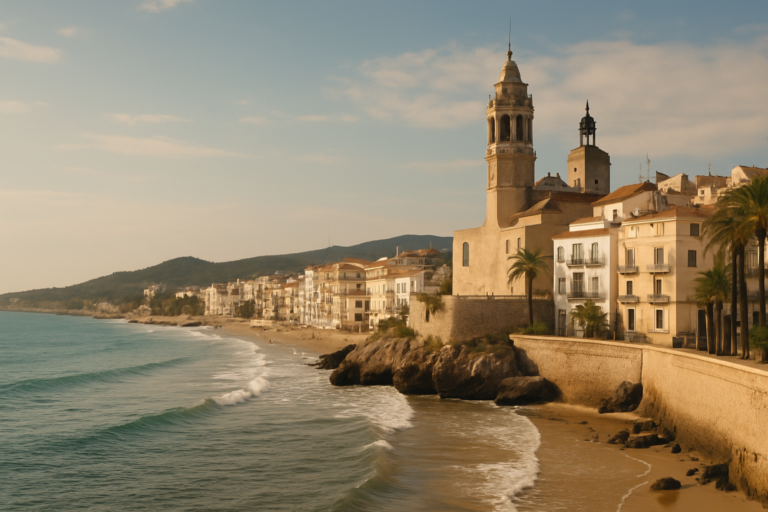
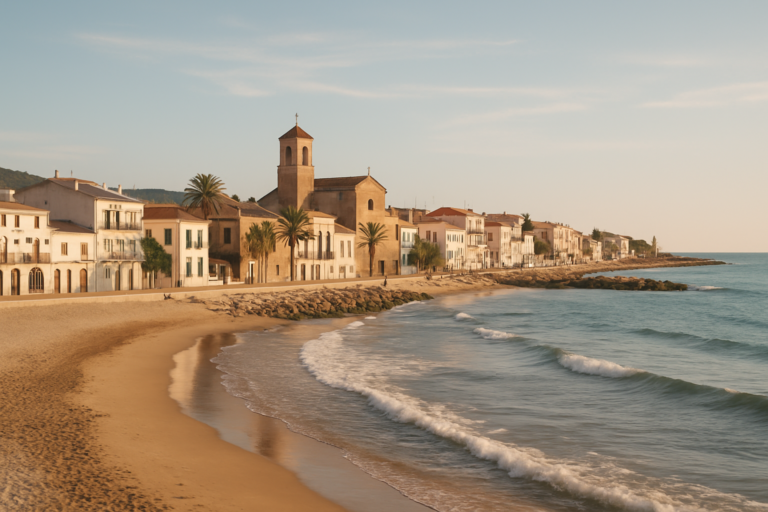
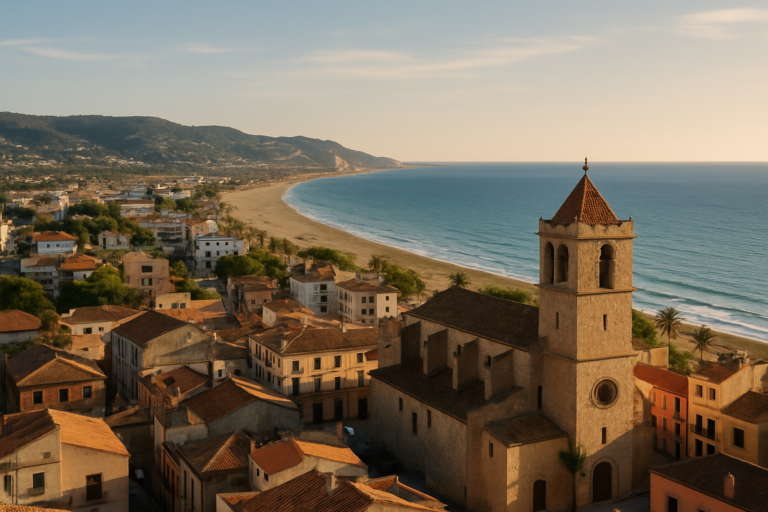
How this page is maintained. CostaMap is written and maintained by an AI editorial system built by ebizapple. Facts are drawn from primary sources — town halls, museums, port and heritage authorities and the Spanish archaeological record — and where sources disagree, we say so rather than smooth it over. Photographs marked as ours are taken on location. This page was last reviewed on 15 August 2026. Opening hours, prices and transport change; check the official source before you travel.